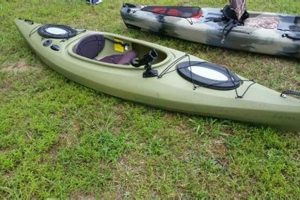
Specialized storage for fishing gear designed for use in kayaks is essential for anglers. These containers typically feature compact and waterproof designs, often with customizable compartments to accommodate lures, hooks, lines, and other small fishing accessories. A common example is a small, trayed box secured to a kayak with straps or bungee cords, allowing for quick access while maintaining a stable center of gravity in the vessel.
Efficient organization and readily accessible equipment are paramount for a successful kayak fishing experience. Having gear securely stowed and protected from the elements prevents loss or damage, and allows anglers to focus on fishing rather than managing tangled lines or searching for misplaced tools. This streamlined approach improves safety by minimizing clutter and maximizing usable space within the limited confines of a kayak. While traditional tackle boxes have existed for centuries, the development of specialized storage solutions for kayak angling reflects the sport’s increasing popularity and the unique demands of fishing from a small, waterborne vessel.
Considerations such as size, material, mounting options, and specific features contribute to selecting the ideal storage solution for kayak angling. Understanding these aspects will enhance the overall fishing experience.
Tips for Effective Kayak Fishing Storage
Optimizing storage solutions is crucial for a successful and enjoyable kayak fishing trip. The following tips provide guidance on selecting and utilizing appropriate storage for a streamlined and efficient on-the-water experience.
Tip 1: Prioritize Waterproofing: Select a waterproof or water-resistant container to protect gear from splashes, rain, and even submersion. Consider waterproof cases for electronics and essential items.
Tip 2: Choose Compact Designs: Kayak space is limited. Opt for smaller, modular storage systems rather than large, bulky boxes to maximize available space and maintain stability.
Tip 3: Secure Storage Effectively: Utilize straps, bungee cords, or dedicated mounting systems to secure the container to the kayak, preventing movement and potential loss during paddling or maneuvering.
Tip 4: Organize for Efficiency: Employ trays, dividers, and small containers within the main storage unit to organize tackle and tools for easy access. Label compartments for quick identification.
Tip 5: Consider Tackle Variety: Tailor storage solutions to the specific types of fishing planned. Different lures and terminal tackle require different organizational approaches.
Tip 6: Balance Weight Distribution: Distribute weight evenly within the kayak by placing heavier items lower and towards the center for optimal stability and performance.
Tip 7: Minimize Unnecessary Gear: Only pack essential equipment to reduce clutter and maximize space. Assess fishing needs beforehand and leave behind rarely used items.
Proper storage contributes significantly to a safer and more productive kayak fishing experience. By following these tips, anglers can focus on enjoying their time on the water rather than managing equipment challenges.
By addressing storage solutions effectively, anglers are well-equipped to maximize their enjoyment and success on the water.
1. Size and Capacity

Appropriate size and capacity are critical factors when selecting a tackle box for kayak fishing. The limited space and weight restrictions inherent to kayaks necessitate careful consideration of storage dimensions and the volume of gear required for a successful fishing trip. Balancing storage needs with the constraints of the kayak’s size and stability is paramount.
- Compact Footprint:
A smaller footprint maximizes usable space within the kayak, preventing clutter and interference with paddling or casting. Compact designs prioritize essential gear while minimizing bulk. For example, a low-profile tray-style box fits securely under a kayak seat, leaving ample deck space. Oversized boxes consume valuable space and can destabilize the kayak, compromising safety and performance.
- Sufficient Storage Volume:
Adequate storage ensures essential tackle and tools are readily available. The volume required depends on the target species, fishing techniques employed, and the duration of the trip. A weekend excursion necessitates greater capacity than a short afternoon outing. Carrying insufficient gear limits fishing versatility and can lead to missed opportunities, while excessive gear becomes cumbersome and difficult to manage.
- Modular Compartmentalization:
Internal compartments and dividers within the tackle box facilitate efficient organization. Dividing storage into specialized sections for lures, hooks, lines, and tools prevents tangling and allows for quick retrieval of specific items. Small, removable containers or trays further enhance organization. A well-organized system streamlines the fishing process and minimizes time spent searching for gear.
- Weight Considerations:
Adding weight to a kayak affects its stability and maneuverability. A heavy tackle box can shift the kayak’s center of gravity, increasing the risk of capsizing. Choosing a lightweight yet durable material, such as impact-resistant plastic, is crucial. Careful consideration of the weight of the tackle box, combined with its contents, contributes to a safe and balanced kayak setup.
The ideal tackle box for kayak fishing optimizes size and capacity to meet individual angler requirements and the specific demands of kayak angling. Careful selection ensures efficient gear storage without compromising stability or maneuverability, ultimately contributing to a more successful and enjoyable fishing experience.
2. Material and Durability

Material and durability are paramount considerations for kayak fishing tackle boxes due to the demanding environment they face. Constant exposure to water, sunlight, and potentially rough handling necessitates a robust construction capable of withstanding these challenges. Selecting appropriate materials ensures the long-term protection and accessibility of essential fishing gear.
- Impact Resistance:
Kayak fishing often involves navigating shallow waters, traversing rocky shorelines, or encountering unexpected impacts. A tackle box constructed from impact-resistant materials, such as high-density polyethylene (HDPE) or ABS plastic, is essential to prevent cracking or breakage. This safeguards stored equipment and maintains the box’s structural integrity throughout its lifespan. A durable box withstands accidental drops or collisions, protecting valuable tackle from damage.
- UV Protection:
Prolonged exposure to sunlight can degrade certain plastics, causing them to become brittle and prone to cracking. UV-resistant materials maintain their structural integrity and colorfastness even after extended periods under the sun. This prevents premature aging and extends the usable life of the tackle box. Selecting UV-stabilized plastics ensures the box remains functional and aesthetically pleasing despite prolonged sun exposure.
- Corrosion Resistance:
Constant contact with saltwater or freshwater, combined with humid environments, can corrode metal components on a tackle box. Rust-resistant materials, such as stainless steel hinges and latches, ensure smooth operation and prevent failure due to corrosion. This maintains the box’s functionality and prevents the loss of stored gear. Using corrosion-resistant hardware prolongs the lifespan of the tackle box and ensures reliable performance in challenging aquatic environments.
- Water Resistance/Proofing:
Protecting tackle from water damage is crucial, especially in kayak fishing where splashes and even submersion are possibilities. A water-resistant or waterproof tackle box safeguards stored gear from moisture, preventing rust, mildew, and damage to sensitive electronics. Waterproof seals, gaskets, and specialized latches contribute to maintaining a dry interior. Different levels of water resistance exist, ranging from splash-proof to fully submersible, allowing anglers to select the appropriate level of protection based on their specific needs and fishing conditions.
The durability of a kayak fishing tackle box directly impacts its longevity and the protection afforded to valuable fishing gear. Careful selection of materials based on these key factors ensures the tackle box withstands the rigors of kayak fishing, providing reliable service and preserving essential equipment for countless fishing trips. Investing in a durable and well-constructed tackle box ultimately enhances the overall fishing experience.
3. Portability and Weight
In kayak fishing, portability and weight are critical considerations due to the inherent limitations of these vessels. Kayaks offer limited storage and weight capacity, directly impacting maneuverability and stability. A tackle box’s portability and weight influence both the ease of transport to and from the water and the overall kayak fishing experience. Selecting a tackle box that balances functionality with portability is crucial for efficient and enjoyable angling.
- Lightweight Construction:
A lightweight tackle box minimizes the overall load on the kayak, improving stability and responsiveness. Materials like high-impact plastics or lightweight alloys offer durability without excessive weight. For example, a compact plastic tackle box weighing under five pounds fully loaded significantly impacts kayak performance compared to a heavier metal alternative. Reducing weight enhances paddling efficiency and maneuverability, particularly in challenging conditions like wind or currents.
- Compact Dimensions:
Compact dimensions facilitate easy transport and storage within the limited confines of a kayak. A smaller tackle box occupies less space, leaving more room for other essential gear and ensuring comfortable paddling. Consider a box that fits snugly within a designated storage compartment or secures easily to the kayak’s deck without obstructing movement. Bulky boxes can hinder paddling, casting, and overall maneuverability, impacting fishing effectiveness.
- Integrated Carrying Systems:
Features like integrated handles, shoulder straps, or backpack-style carrying systems enhance portability to and from the launch site. These features simplify transport, especially when navigating uneven terrain or carrying additional gear. A comfortable and convenient carrying system reduces strain and fatigue, allowing anglers to focus on the fishing experience rather than the logistics of transporting equipment. A simple shoulder strap or integrated handle can significantly improve the overall portability of a tackle box.
- Balanced Weight Distribution:
Evenly distributed weight within the tackle box itself contributes to kayak stability. Concentrating heavier items lower in the box helps maintain a low center of gravity, reducing the risk of tipping. Organizing tackle and tools strategically within the box enhances both kayak balance and the box’s stability when placed on uneven surfaces. Proper weight distribution within the tackle box complements the overall weight distribution within the kayak itself, optimizing stability and performance.
Prioritizing portability and weight in tackle box selection directly influences the overall kayak fishing experience. A lightweight, compact, and easily transportable tackle box enhances both on-water performance and the convenience of getting to and from the fishing location. This careful consideration allows anglers to maximize efficiency and enjoyment on the water.
4. Organization and Access
Efficient organization and easy access to tackle are paramount in kayak fishing, directly influencing fishing success and overall enjoyment. Limited space and the dynamic nature of kayak angling necessitate a well-organized storage system that allows for quick retrieval of essential gear. A thoughtfully designed tackle box addresses these challenges, maximizing efficiency and minimizing disruptions during fishing.
Consider the scenario of a kayak angler targeting bass amidst heavy cover. Quick access to a specific lure, such as a weedless frog, is crucial for capitalizing on opportunities. A disorganized tackle box results in wasted time searching for the right lure, potentially allowing the fish to move on. Conversely, a well-organized system with designated compartments for different lure types ensures immediate access, increasing the likelihood of a successful hookup. Similarly, readily accessible tools, such as pliers or line cutters, prove invaluable for quick hook removals, line management, and handling fish safely and efficiently. Fumbling through a disorganized box for these essential tools can lead to frustration and potentially harm the fish.
Effective organization within a kayak fishing tackle box translates directly to more time spent fishing and less time managing gear. Dividers, trays, and small containers within the main compartment create designated spaces for different items, preventing tangling and facilitating quick identification. Clear lids or labels further enhance visibility, allowing anglers to locate specific items at a glance. This streamlined approach minimizes disruptions, allowing for a more focused and enjoyable fishing experience. Ultimately, efficient organization and readily accessible tackle contribute significantly to a successful and rewarding day on the water. Addressing these factors through a well-designed tackle box enhances efficiency, reduces stress, and maximizes the chances of landing that trophy fish.
5. Security and Mounting
Secure mounting systems are essential for tackle boxes in kayak fishing due to the inherent instability of the platform. Unsecured boxes risk shifting or ejection during paddling, maneuvering through waves, or unexpected rocking motions. Such incidents lead to lost or damaged gear, wasted fishing time, and potential safety hazards. Consider a scenario where an angler hooks a large fish; the sudden force and ensuing struggle can easily dislodge a poorly secured tackle box, potentially resulting in equipment loss and compromising the angler’s balance. Secure mounting prevents such occurrences, ensuring that essential gear remains readily available while maintaining a safe and stable fishing environment.
Effective mounting systems for kayak tackle boxes utilize various methods depending on the kayak’s design and the box’s size. Common approaches include straps, bungee cords, and dedicated mounting tracks or rails. Straps offer versatile attachment options and adjustability for different box sizes. Bungee cords provide flexibility and shock absorption. Dedicated mounting tracks or rails integrated into the kayak’s design offer standardized and secure attachment points. Selecting the appropriate mounting system depends on factors such as kayak compatibility, box dimensions, and desired level of security. A well-chosen and properly installed system ensures the tackle box remains firmly in place, even during dynamic movements or challenging conditions.
Properly securing a tackle box contributes significantly to a safer and more efficient kayak fishing experience. It minimizes disruptions caused by shifting gear, prevents equipment loss, and allows anglers to focus on fishing. Choosing a robust mounting system compatible with both the kayak and the tackle box is essential. Careful consideration of mounting options ensures that the tackle box remains securely attached, enhancing both safety and fishing effectiveness. This attention to detail contributes to a more organized, productive, and ultimately, enjoyable time on the water.
6. Water Resistance

Water resistance is a crucial factor in selecting a tackle box for kayak fishing. The aquatic environment presents constant exposure to splashes, rain, and potential submersion. Protecting sensitive fishing gear from moisture is paramount for maintaining its functionality and longevity. A water-resistant tackle box safeguards against these risks, ensuring valuable equipment remains dry and operational, even in challenging conditions. Choosing a tackle box with appropriate water resistance directly impacts the success and enjoyment of kayak fishing trips.
- Levels of Protection
Water resistance in tackle boxes ranges from basic splash protection to full submersion capability. Splash-resistant designs protect against light spray and rain, while waterproof boxes can withstand brief periods of submersion. The required level of protection depends on the typical fishing conditions encountered. Anglers frequently navigating rough waters or facing consistent rainfall benefit from higher levels of waterproofing, while those fishing calmer waters might find splash resistance sufficient. Understanding these levels helps anglers select a tackle box appropriate for their specific needs. For instance, an angler fishing in sheltered coastal waters might choose a splash-proof box, while someone frequently navigating whitewater rapids requires a fully submersible option.
- Sealing Mechanisms
Various sealing mechanisms contribute to a tackle box’s water resistance. Tight-fitting lids with rubber gaskets create a barrier against moisture. Specialized latches and locking mechanisms further enhance sealing capabilities, ensuring a secure closure even during impacts or submersion. The effectiveness of these mechanisms directly influences the box’s ability to keep contents dry. A well-designed sealing system prevents water intrusion, protecting sensitive electronic devices, fishing line, and other essential gear from damage. For example, O-ring seals and waterproof membranes provide robust protection against even the most challenging conditions.
- Material Selection
The materials used in tackle box construction play a significant role in water resistance. Waterproof plastics, such as high-density polyethylene (HDPE), offer inherent resistance to moisture absorption. Additionally, waterproof coatings or treatments applied to fabrics or other materials enhance their water-repellent properties. The choice of materials affects both the box’s overall durability and its ability to withstand prolonged exposure to moisture. For example, a tackle box constructed from a durable, waterproof plastic offers superior protection compared to one made from untreated fabric or cardboard. Choosing appropriate materials ensures long-term performance and reliable protection for stored gear.
- Maintenance and Care
Maintaining the water resistance of a tackle box requires proper care and attention. Regularly inspecting seals for wear and tear and ensuring latches are functioning correctly are essential preventative measures. Cleaning the box after each use and allowing it to dry completely prevents the buildup of moisture and mildew, which can compromise sealing effectiveness. Proper maintenance ensures the tackle box continues to provide reliable protection against water damage. For example, rinsing the box with fresh water after use in saltwater environments helps prevent corrosion and maintains the integrity of seals and other components.
Selecting a water-resistant tackle box is an essential investment for kayak anglers. Protecting valuable fishing gear from the inevitable exposure to moisture ensures its functionality and longevity. By carefully considering the level of protection required, understanding sealing mechanisms, choosing appropriate materials, and practicing proper maintenance, anglers can confidently select a tackle box that meets their specific needs and enhances their overall kayak fishing experience. This attention to detail ensures that essential gear remains dry and operational, contributing to a successful and enjoyable day on the water.
Frequently Asked Questions
Addressing common inquiries regarding tackle box selection and utilization for kayak fishing provides clarity and facilitates informed decision-making for anglers.
Question 1: What size tackle box is optimal for kayak fishing?
Optimal tackle box size depends on individual fishing styles and target species. Smaller, compact boxes are generally preferred for limited kayak space, prioritizing essential gear. Larger boxes may suit anglers targeting diverse species or embarking on longer trips, but careful weight distribution is crucial.
Question 2: What materials are best suited for kayak tackle boxes?
Durable, water-resistant materials are essential. High-impact plastics, such as ABS or polyethylene, offer robust protection against impacts and moisture. Rust-resistant hardware, including stainless steel hinges and latches, is crucial for longevity in corrosive environments.
Question 3: How can tackle boxes be securely mounted in a kayak?
Secure mounting prevents shifting and potential loss during paddling or maneuvering. Straps, bungee cords, and dedicated mounting tracks provide effective attachment options. Selecting a system compatible with both the kayak and the tackle box ensures stability.
Question 4: How should tackle be organized within a kayak fishing tackle box?
Efficient organization maximizes space and access. Internal compartments, dividers, and small containers create designated areas for different lure types, hooks, lines, and tools. Clear lids or labels enhance visibility and streamline gear retrieval.
Question 5: What level of water resistance is recommended for a kayak tackle box?
Water resistance safeguards against splashes, rain, and potential submersion. Splash-proof boxes suffice for calmer conditions, while fully waterproof or submersible options offer greater protection in challenging environments. The choice depends on typical fishing conditions and personal preferences.
Question 6: How does weight distribution affect tackle box selection for kayak fishing?
Excessive weight compromises kayak stability and maneuverability. Lightweight tackle boxes and strategic placement of heavier items within the kayak enhance balance and performance. Distributing weight evenly is crucial for a safe and enjoyable fishing experience.
Careful consideration of these frequently asked questions facilitates informed decisions regarding tackle box selection, contributing to a safer, more organized, and productive kayak fishing experience.
Understanding these aspects enhances fishing efficiency and overall enjoyment on the water.
Conclusion
Appropriate tackle storage is crucial for successful kayak angling. Factors such as size, material, mounting system, organization, and water resistance significantly influence a tackle box’s suitability for this demanding environment. Prioritizing these elements ensures equipment protection, accessibility, and efficient use of limited kayak space, directly impacting fishing success and overall enjoyment. Choosing a well-designed and appropriately equipped tackle box enhances safety and streamlines the fishing process.
Effective tackle management contributes significantly to a positive kayak fishing experience. Investing time and consideration in selecting and organizing a suitable storage system allows anglers to focus on the sport’s core elements: enjoying the natural environment and pursuing targeted species. This thoughtful preparation transforms potential challenges into opportunities for a more rewarding and productive time on the water.