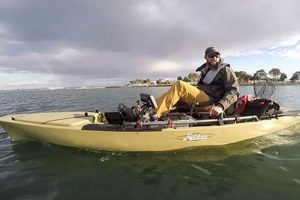
The convergence of calm inland waterways and the readily accessible Atlantic Ocean makes Delaware a prime location for small watercraft recreation. This popularity has fostered a thriving community centered around human-powered vessels, especially kayaks, used for angling. This activity offers a unique blend of outdoor exercise, engagement with nature, and the pursuit of sport fish in the state’s diverse aquatic ecosystems.
This quiet, low-impact method allows anglers to approach fish in shallow or otherwise inaccessible areas, increasing the chances of a successful catch. The relative affordability and ease of transport of kayaks contribute to the growing popularity of this pursuit. It fosters a deeper connection with the natural environment, promoting conservation efforts and stewardship of Delaware’s waterways. Furthermore, this pastime supports local businesses involved in kayak sales, rentals, and guided tours, contributing to the state’s economy.
The following sections will explore specific locations suitable for this activity, recommended equipment and techniques, relevant regulations and licensing information, and resources for newcomers interested in exploring the waters of Delaware.
Tips for Kayak Fishing in Delaware
Successful kayak angling in Delaware requires preparation and adherence to best practices. The following tips offer guidance for a safe and productive experience.
Tip 1: Check Weather Conditions: Prior to embarking, consult marine forecasts for wind speed, direction, and tidal currents. Postponement is advised during adverse conditions.
Tip 2: Plan a Float Plan: Inform someone of the intended launch and retrieval locations, estimated return time, and contact information. This ensures timely assistance if needed.
Tip 3: Utilize Appropriate Safety Gear: A personal flotation device (PFD) is mandatory. A whistle, signaling mirror, and first-aid kit are also strongly recommended.
Tip 4: Respect Wildlife and the Environment: Observe wildlife from a distance and avoid disturbing nesting areas. Adhere to “Leave No Trace” principles by packing out all trash and minimizing environmental impact.
Tip 5: Understand Local Regulations: Familiarize oneself with Delaware’s fishing regulations, including licensing requirements, size and creel limits, and permitted fishing methods.
Tip 6: Choose Suitable Locations: Research potential fishing spots based on target species, water depth, and accessibility. Consider launching from designated kayak access points.
Tip 7: Employ Effective Kayak Fishing Techniques: Utilize appropriate tackle, lures, and bait for the target species. Anchor or drift effectively based on water conditions and fishing strategy.
Tip 8: Practice Proper Kayak Handling: Develop proficiency in paddling, maneuvering, and launching/landing techniques before venturing into open water or challenging conditions.
By adhering to these guidelines, anglers can enhance their chances of a successful and enjoyable outing while prioritizing safety and environmental responsibility.
These tips provide a foundation for productive kayak fishing in Delaware. The subsequent section will offer concluding remarks and resources for further exploration.
1. Location Selection

Strategic location selection is paramount for a successful kayak fishing excursion in Delaware. The diverse waterways offer a range of environments, each presenting unique opportunities and challenges. Careful consideration of factors such as target species, water conditions, and accessibility is essential for maximizing fishing potential and ensuring a safe experience.
- Tidal Influence
Delaware’s coastal waters are significantly affected by tides. Understanding tidal flows is crucial for navigating shallow areas, accessing optimal fishing grounds, and predicting fish behavior. For example, fishing the flats during a rising tide can bring baitfish and predatory species closer to shore. Conversely, outgoing tides concentrate fish in channels and deeper holes.
- Freshwater vs. Saltwater Environments
Delaware offers both freshwater and saltwater fishing opportunities from a kayak. Inland ponds, rivers, and lakes provide habitats for species like bass, crappie, and catfish. Coastal areas, bays, and inlets offer access to saltwater species such as flounder, sea trout, and striped bass. Selecting the appropriate environment based on target species dictates tackle, technique, and licensing requirements.
- Accessibility and Launch Points
Public access points vary significantly throughout Delaware. Some locations offer dedicated kayak launches with convenient parking and amenities, while others require carrying kayaks over short distances. Researching access points in advance and considering factors like tides and currents ensures a smooth launch and retrieval process. For instance, certain state parks and wildlife management areas offer designated kayak launch areas.
- Shelter and Water Conditions
Wind, waves, and currents can significantly impact kayak stability and fishing effectiveness. Seeking sheltered areas, particularly in open water environments, is crucial for safety and comfort. Monitoring weather forecasts and understanding local wind patterns allows anglers to select locations that offer optimal conditions for their skill level and kayak type. Inland bays often provide calmer waters compared to the open ocean.
By carefully evaluating these location-specific factors, kayak anglers can significantly enhance their fishing experience in Delaware. Combining informed location selection with appropriate techniques and equipment allows anglers to target specific species and maximize their chances of success while enjoying the unique beauty and diversity of Delaware’s waterways.
2. Equipment Essentials

Appropriate equipment selection significantly impacts safety and success in Delaware paddlesports kayak fishing. The following essentials ensure preparedness for the unique challenges and opportunities presented by the state’s diverse waterways. Careful consideration of these components allows anglers to maximize their fishing potential while prioritizing safety and comfort.
- Kayak Selection
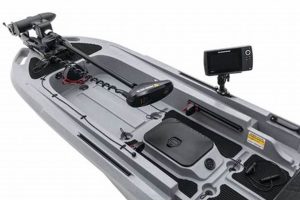
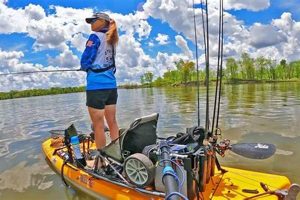
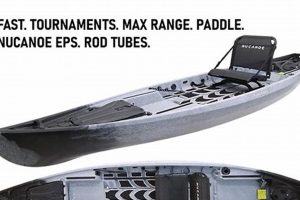
Kayak choice depends on individual needs and fishing style. Sit-on-top kayaks offer stability and ease of re-entry in the event of a capsize, making them suitable for beginners and warmer conditions. Sit-inside kayaks provide better protection from the elements and increased storage capacity, advantageous for longer trips or colder water. Pedal-driven kayaks offer hands-free fishing and increased maneuverability, but require a larger investment. Matching kayak type to anticipated conditions and fishing locations ensures a productive and enjoyable experience. For example, a shorter, wider kayak provides stability in calmer inland waters, while a longer, narrower kayak tracks better in open bays or ocean environments.
- Paddle and Personal Flotation Device (PFD)
A properly sized paddle ensures efficient propulsion and reduces fatigue. Paddle length depends on factors like kayak width, paddler height, and paddling style. A PFD is a mandatory safety item and should be worn at all times while on the water. Properly fitted and U.S. Coast Guard-approved PFDs provide essential buoyancy and increase survival chances in the event of an accident.
- Fishing Gear and Accessories
Rods, reels, lines, lures, and bait should be selected based on target species and fishing techniques. Rod holders, tackle boxes, and anchor systems facilitate efficient organization and deployment of fishing gear. Additional accessories like fish finders, GPS units, and VHF radios enhance navigational capabilities and improve fishing success. Specialized gear may be required for specific species or fishing styles, such as drift fishing for flounder versus trolling for striped bass.
- Safety and Navigation Equipment
Essential safety equipment includes a whistle, signaling mirror, and waterproof first-aid kit. A bilge pump or bailer helps manage water accumulation in the kayak. Navigation lights are required for paddling after sunset and enhance visibility in low-light conditions. A dry bag or waterproof container protects essential items like phones, wallets, and licenses from water damage. Carrying a spare paddle and basic repair kit can prove invaluable in the event of equipment failure.
Careful consideration of these equipment essentials directly contributes to a safe, comfortable, and successful Delaware paddlesports kayak fishing experience. Appropriate equipment allows anglers to confidently navigate Delawares varied waterways, effectively target desired species, and prioritize safety while enjoying the natural beauty of the environment. Investing in quality gear enhances the overall experience and fosters a deeper appreciation for this rewarding outdoor pursuit.
3. Safety Procedures
Safe practices are paramount in Delaware paddlesports kayak fishing due to the dynamic nature of the environment. Tidal fluctuations, varying weather conditions, and potential interactions with motorized vessels necessitate careful planning and adherence to established safety guidelines. Prioritizing safety ensures a positive and enjoyable experience while mitigating potential risks inherent in this activity.
- Pre-Trip Planning
Comprehensive pre-trip planning is foundational to safe kayak fishing. Checking weather forecasts, including wind speed, direction, and wave height, is essential before embarking. Tidal charts should be consulted to understand water levels and currents, especially in coastal areas. Informing someone of the intended fishing location, launch time, and estimated return enhances safety by providing a point of contact in case of emergencies. A float plan, detailing the intended route and emergency contacts, should be left with a responsible individual.
- On-Water Safety Equipment
Carrying essential safety equipment is crucial for mitigating risks while on the water. A properly fitted and U.S. Coast Guard-approved personal flotation device (PFD) must be worn at all times. A whistle enables signaling for assistance in emergencies. A signaling mirror can attract attention over long distances. A waterproof first-aid kit, containing essential supplies for minor injuries, should be readily accessible. A bilge pump or bailer helps manage water accumulation in the kayak, while navigation lights are required for paddling after sunset.
- Navigational Awareness
Maintaining navigational awareness is crucial in Delaware’s waterways. Understanding local boating regulations, including speed limits and right-of-way rules, prevents collisions and ensures safe passage. Awareness of potential hazards, such as submerged debris, shallow areas, and changing weather conditions, reduces the risk of accidents. Consulting nautical charts and utilizing GPS devices aids in accurate navigation, especially in unfamiliar waters. Maintaining a safe distance from motorized vessels and other watercraft minimizes the risk of collisions.
- Emergency Preparedness
Developing an emergency preparedness plan equips anglers to respond effectively to unforeseen situations. Knowing how to self-rescue in the event of a capsize is crucial. Carrying a communication device, such as a VHF radio or a waterproofed cell phone, enables contact with emergency services if needed. Understanding basic first-aid procedures and carrying a comprehensive first-aid kit allows for immediate response to minor injuries. Regularly practicing self-rescue techniques and familiarizing oneself with emergency procedures enhances preparedness and reduces response time in critical situations.
Adhering to these safety procedures significantly reduces risks associated with Delaware paddlesports kayak fishing. A proactive approach to safety, combined with proper planning and equipment, ensures a more enjoyable and secure experience on the water, allowing anglers to fully appreciate the natural beauty and recreational opportunities offered by Delaware’s diverse aquatic ecosystems.
4. Fishing Regulations

Fishing regulations play a crucial role in the sustainability and enjoyment of delaware paddlesports kayak fishing. These regulations, established by the Delaware Department of Natural Resources and Environmental Control (DNREC), govern aspects such as licensing requirements, catch limits (creel limits), size restrictions, and permitted fishing methods. Adherence to these regulations ensures the long-term health of fish populations, protects sensitive ecosystems, and promotes fair and equitable access to Delaware’s aquatic resources. Ignoring these regulations can lead to fines, confiscation of equipment, and suspension of fishing privileges.
Specific regulations pertaining to kayak fishing often mirror those for shore-based angling, but some distinctions exist. For example, kayak anglers may be subject to specific launch and retrieval restrictions in certain areas. Additionally, regulations regarding the use of certain fishing gear, like specific types of nets or traps, may differ for kayak anglers compared to those fishing from shore or motorized vessels. Understanding these nuances is essential for legal compliance. For instance, certain areas may prohibit the use of anchoring while kayak fishing to protect sensitive habitats like seagrass beds. Consulting the DNREC website provides detailed information on current regulations and specific area restrictions.
Compliance with fishing regulations is not merely a legal obligation; it represents a commitment to responsible stewardship of Delawares natural resources. By adhering to these regulations, anglers contribute to the preservation of healthy fish populations and the protection of fragile aquatic ecosystems. This ensures the continued enjoyment of delaware paddlesports kayak fishing for future generations. Furthermore, understanding and respecting these regulations fosters a positive relationship between anglers and regulatory bodies, promoting collaborative efforts towards sustainable resource management. Neglecting these principles undermines the long-term viability of this recreational activity and jeopardizes the delicate balance of Delaware’s aquatic environments.
5. Environmental Awareness

Environmental awareness is integral to the sustainability of delaware paddlesports kayak fishing. The low-impact nature of this activity offers a unique opportunity to intimately engage with the natural environment, fostering a sense of responsibility for its preservation. Direct interaction with the ecosystem underscores the importance of minimizing human impact. Kayak anglers often witness firsthand the fragility of coastal marshes, the importance of clean waterways for healthy fish populations, and the detrimental effects of pollution. This firsthand experience cultivates a deeper understanding of the interconnectedness between human actions and environmental health.
Practical applications of environmental awareness within this context include adhering to “Leave No Trace” principles. Proper disposal of fishing line and other refuse prevents entanglement of wildlife and minimizes plastic pollution. Respecting wildlife by observing from a distance and avoiding disturbance of nesting areas safeguards vulnerable populations. Minimizing disruption of sensitive habitats, such as seagrass beds and oyster reefs, contributes to the overall health of the ecosystem. For example, avoiding shallow areas during spawning seasons protects critical breeding grounds. Furthermore, engaging in citizen science initiatives, such as reporting unusual algal blooms or stranded marine animals, contributes valuable data for environmental monitoring and research efforts.
Ultimately, environmental awareness elevates delaware paddlesports kayak fishing beyond a recreational pursuit. It fosters a sense of stewardship, transforming anglers into active participants in conservation efforts. This mindful approach ensures the long-term health of Delaware’s waterways and the continued viability of kayak fishing for future generations. Challenges remain, such as balancing increasing recreational pressure with the need for environmental protection. Addressing these challenges requires ongoing education, responsible angler behavior, and collaborative efforts between stakeholders to ensure the sustainable coexistence of human activities and thriving natural ecosystems within Delaware’s unique coastal and inland waters.
Frequently Asked Questions
This section addresses common inquiries regarding paddlesports kayak fishing in Delaware, providing concise and informative responses to facilitate a safe and enjoyable experience.
Question 1: What are the licensing requirements for kayak fishing in Delaware?
A Delaware fishing license is required for residents and non-residents aged 16 and older. Specific license types and fees vary based on residency status, duration of validity, and fishing location (freshwater vs. saltwater). Information regarding license acquisition can be found on the DNREC website.
Question 2: Are there specific launch sites designated for kayaks?
Numerous public access points facilitate kayak launching throughout Delaware. State parks, wildlife management areas, and designated boat ramps often offer convenient access for kayaks. Researching launch sites in advance helps determine suitability based on tides, currents, and parking availability. Specific launch site information, including fees and regulations, is available through DNREC resources.
Question 3: What safety precautions should be taken when kayak fishing in Delaware?
Wearing a U.S. Coast Guard-approved personal flotation device (PFD) is mandatory. Checking weather forecasts prior to departure, informing someone of the intended fishing location and return time, and carrying essential safety equipment like a whistle, signaling mirror, and first-aid kit are strongly advised. Understanding tidal patterns and currents is crucial, especially in coastal areas.
Question 4: What fish species are commonly targeted by kayak anglers in Delaware?
Delaware waters offer diverse fishing opportunities. Popular targets include flounder, sea trout, striped bass, summer flounder, black drum, and bluefish in saltwater environments. Freshwater species like largemouth bass, crappie, and catfish are also commonly pursued. Target species influence fishing location, tackle, and techniques employed.
Question 5: Are there any specific regulations regarding fishing from a kayak in Delaware?
While many regulations apply universally to all anglers, specific rules may pertain to kayak fishing, such as restricted access areas or limitations on certain fishing gear. Consulting the DNREC website for current regulations is recommended before embarking on a kayak fishing trip. Local bait and tackle shops can often provide valuable insights into current regulations and specific area restrictions.
Question 6: What environmental considerations should kayak anglers keep in mind?
Minimizing environmental impact through practices like proper waste disposal, adherence to “Leave No Trace” principles, and respecting wildlife are crucial. Avoiding disturbance of sensitive habitats, such as seagrass beds and oyster reefs, contributes to ecosystem health. Reporting environmental concerns, such as pollution or unusual wildlife sightings, assists conservation efforts. Responsible angler behavior ensures the long-term sustainability of this recreational activity.
Understanding these key aspects contributes to a safe, enjoyable, and environmentally responsible kayak fishing experience. Thorough preparation, combined with adherence to regulations and best practices, ensures the preservation of Delaware’s valuable aquatic resources.
Further information and resources for exploration can be found on the DNREC website and through local paddlesports outfitters.
Delaware Paddlesports Kayak Fishing
This exploration of Delaware paddlesports kayak fishing has highlighted the multifaceted nature of this increasingly popular activity. From the selection of appropriate equipment and adherence to safety procedures to the understanding of fishing regulations and the importance of environmental stewardship, successful engagement requires careful consideration of numerous factors. The diverse waterways of Delaware, encompassing both freshwater and saltwater environments, offer unique opportunities for anglers to connect with nature while pursuing a variety of fish species. The accessibility of these waterways, coupled with the relatively low cost of entry into kayak fishing, contributes to its broad appeal.
The future of Delaware paddlesports kayak fishing hinges on the continued commitment to responsible angling practices. Balancing increasing recreational pressure with the imperative of environmental protection demands ongoing education and collaborative efforts among anglers, regulatory bodies, and conservation organizations. Through informed decision-making and a shared dedication to preserving the health of Delaware’s aquatic ecosystems, this rewarding recreational activity can continue to thrive, offering opportunities for both present and future generations to experience the unique blend of challenge, tranquility, and connection with nature that defines paddlesports kayak fishing in Delaware.