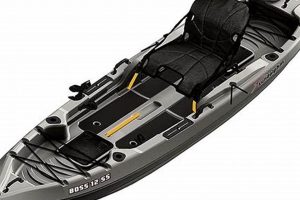
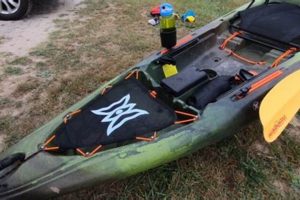
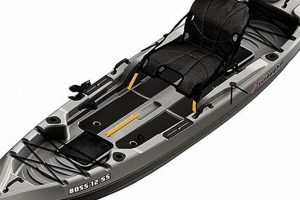
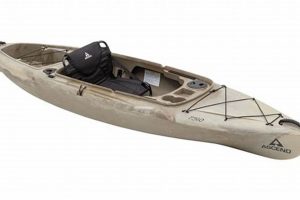
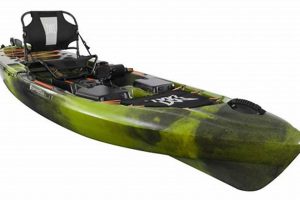
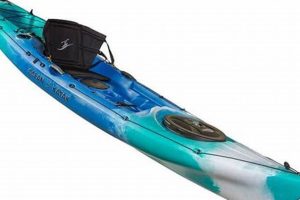
This type of watercraft features an open-deck design, allowing paddlers to sit above the waterline rather than inside a closed cockpit. Designed for anglers, these vessels typically offer features like rod holders, tackle storage, and often increased stability for casting and reeling. Models designed for two occupants provide a shared paddling and fishing experience.
The self-bailing nature of the open deck makes these kayaks exceptionally stable and user-friendly, particularly for beginners or in warmer climates. The elevated seating position provides excellent visibility for spotting fish and navigating shallow waters. Sharing the paddling effort and enjoying the fishing experience with a companion enhances the recreational aspect of angling. These kayaks have evolved alongside recreational fishing, responding to the demand for stable, accessible, and feature-rich platforms for anglers.
Further exploration of this style of kayak will cover key features, selection criteria, popular models, safety considerations, and essential accessories.
Tips for Tandem Kayak Fishing
Effective tandem kayak fishing requires coordination and preparation. These tips offer guidance for a safe and productive experience.
Tip 1: Weight Distribution and Balance: Proper weight distribution is crucial for stability. Gear should be evenly distributed between paddlers and within the kayak itself. Heavier items should be placed low and centrally.
Tip 2: Synchronized Paddling: Consistent, synchronized paddling is essential for efficient movement and maintaining a straight course. Communicate paddling strokes and turns clearly.
Tip 3: Designated Fishing Roles: One paddler can focus on maneuvering while the other casts and retrieves. Alternatively, both can fish simultaneously with careful coordination to avoid tangled lines.
Tip 4: Safety Equipment: Life vests are mandatory. A whistle, first-aid kit, and communication device are also highly recommended. Check local regulations for specific safety requirements.
Tip 5: Anchor or Stake-Out Pole: Maintaining position in a desired fishing spot requires an anchor or stake-out pole, particularly in currents or windy conditions.
Tip 6: Respect Wildlife and the Environment: Practice catch-and-release whenever possible. Pack out all trash and minimize disturbance to natural habitats.
Tip 7: Pre-Trip Planning: Check weather forecasts, water conditions, and local fishing regulations before embarking on any fishing trip.
Adhering to these guidelines enhances safety and increases the likelihood of a successful and enjoyable tandem kayaking fishing excursion.
These tips offer a starting point for successful tandem kayak fishing. Continued learning and experience will further refine techniques and enhance on-the-water skills.
1. Stability

Stability is a paramount characteristic in sit-on-top fishing kayaks designed for two individuals. The wider hull design inherent in these kayaks contributes significantly to their inherent stability. This broader base provides a greater degree of initial stability, reducing the likelihood of capsizing, especially during activities like casting or reeling. Furthermore, the elevated seating position typical of sit-on-top kayaks lowers the center of gravity, further enhancing stability. This design allows anglers to confidently stand and fish in calmer waters, a significant advantage for sight fishing or casting longer distances. For example, two anglers fishing in moderate chop or dealing with unexpected wakes from passing boats will benefit from the enhanced stability afforded by the kayak’s design.
Consideration of stability extends beyond the inherent design features. Weight distribution plays a crucial role in maintaining equilibrium on the water. Evenly distributing gear and passengers within the kayak optimizes stability. Positioning heavier items lower in the hull and closer to the center line enhances stability by lowering the center of gravity. Uneven weight distribution can create instability, particularly in challenging conditions, increasing the risk of capsizing. For instance, concentrating weight at the stern or bow can make the kayak more susceptible to tipping. Understanding and managing weight distribution is essential for safe and effective use of two-person sit-on-top fishing kayaks.
In summary, stability is a critical factor influencing the safety and performance of two-person sit-on-top fishing kayaks. The broader hull and elevated seating position contribute significantly to inherent stability. Appropriate weight distribution further enhances stability and mitigates the risk of capsizing, particularly in dynamic water conditions. Prioritizing stability through informed kayak selection and proper loading practices is crucial for a safe and enjoyable fishing experience.
2. Capacity (weight)

Weight capacity is a critical factor influencing the performance and safety of two-person sit-on-top fishing kayaks. This specification, typically expressed in pounds or kilograms, denotes the maximum combined weight of passengers and gear the kayak can safely support. Exceeding this limit compromises stability, reduces freeboard (the distance between the waterline and the top of the gunwale), and increases the risk of capsizing. Adequate weight capacity ensures the kayak performs as intended, providing sufficient buoyancy and maintaining a safe margin above the waterline. For example, a kayak with a 500-pound capacity could accommodate two 175-pound anglers and 150 pounds of combined gear. Conversely, exceeding this limit would negatively impact performance and safety.
Understanding weight capacity involves considering both the combined weight of passengers and all onboard gear, including fishing equipment, coolers, safety gear, and personal belongings. Manufacturers provide weight capacity guidelines based on optimal performance and safety margins. However, real-world conditions, such as choppy water or strong winds, can further influence stability and necessitate operating below the maximum capacity for enhanced safety. For instance, two larger anglers planning a multi-day fishing trip with substantial gear might require a kayak with a higher weight capacity than two smaller anglers on a short day trip with minimal equipment.
Selecting a two-person sit-on-top fishing kayak with appropriate weight capacity is fundamental for safety and optimal performance. Careful consideration of passenger weight and anticipated gear load is essential. Choosing a kayak with ample capacity ensures sufficient buoyancy, maintains adequate freeboard, and maximizes stability, even in challenging conditions. This informed decision contributes significantly to a safe and enjoyable fishing experience.
3. Storage (tackle)

Ample and well-designed storage for tackle is a defining characteristic of two-person sit-on-top fishing kayaks. These specialized kayaks cater to the needs of anglers by providing dedicated compartments and features for organizing and securing fishing gear. Sufficient storage allows anglers to carry a variety of lures, rods, reels, and other essential equipment, enhancing versatility and preparedness on the water. Inadequate storage can limit fishing options and create inconvenience, potentially disrupting the fishing experience. For instance, a kayak with limited storage may restrict anglers to a smaller selection of lures or necessitate frequent trips back to shore to replenish supplies. Conversely, well-designed storage compartments keep gear organized and readily accessible, maximizing fishing time and efficiency. Dedicated rod holders, tackle boxes, and dry storage compartments contribute to a streamlined and productive fishing experience.
Practical considerations regarding tackle storage extend beyond mere capacity. The type and layout of storage compartments significantly impact functionality. Watertight compartments protect sensitive electronics and personal items from moisture. Recessed storage areas prevent gear from interfering with paddling strokes or becoming entangled. Easy-access compartments allow for quick retrieval of frequently used items. For example, readily accessible compartments for pliers, line cutters, and extra lures enhance efficiency and minimize disruption during critical moments. Furthermore, strategically positioned rod holders, whether flush-mounted or adjustable, keep rods secure and within easy reach. The thoughtful design and placement of storage features contribute significantly to an organized and efficient fishing experience.
In summary, adequate and well-designed tackle storage is essential for maximizing the functionality and enjoyment of two-person sit-on-top fishing kayaks. Ample storage capacity allows anglers to carry a diverse range of equipment, while specialized compartments and features enhance organization and accessibility. Prioritizing tackle storage during kayak selection ensures a well-prepared and efficient fishing experience, minimizing disruptions and maximizing time on the water.
4. Comfort (seating)

Comfort, particularly regarding seating, is a crucial factor influencing the overall enjoyment and duration of fishing excursions in two-person sit-on-top kayaks. Extended periods on the water necessitate supportive and adjustable seating systems to mitigate fatigue and enhance the angling experience. Proper seating promotes better posture, reduces strain, and allows for prolonged focus on fishing. Discomfort, conversely, can curtail fishing trips and diminish overall enjoyment. The following facets highlight the key components of comfortable seating in these specialized kayaks.
- Adjustability
Adjustable seating systems allow paddlers to customize the seat position to accommodate individual body types and preferences. Features like adjustable backrests, foot braces, and seat heights contribute significantly to personalized comfort. For example, an angler with a longer torso might prefer a higher backrest and extended foot braces, while a shorter angler might opt for a lower seat height. The ability to fine-tune the seating configuration enhances comfort and reduces strain during extended paddling and fishing sessions. Adjustability is particularly important in tandem kayaks to accommodate the differing needs of both paddlers.
- Padding and Breathability
Adequate padding and breathable materials enhance seating comfort, especially during long hours on the water. High-quality padding cushions the body and reduces pressure points, minimizing discomfort and fatigue. Breathable fabrics promote air circulation, preventing overheating and moisture buildup. For example, molded foam seats with ventilation channels provide both cushioning and breathability, enhancing comfort in warm weather. Conversely, thin or non-breathable padding can lead to discomfort and skin irritation, particularly in hot and humid conditions. Choosing kayaks with comfortable and breathable seating materials is essential for extended fishing trips.
- Durability and Material
Durable and weather-resistant materials are essential for long-lasting seating comfort and functionality. High-quality materials withstand the rigors of outdoor use, including exposure to sunlight, moisture, and abrasion. UV-resistant fabrics prevent fading and deterioration from sun exposure, while water-resistant materials maintain comfort even in wet conditions. For example, marine-grade vinyl or high-density polyethylene offer durability and resistance to the elements, ensuring long-lasting seating performance. Inferior materials may degrade quickly, compromising comfort and requiring frequent replacements.
- Seat Height and Design
Seat height and design contribute significantly to comfort and fishing functionality. Elevated seating positions provide improved visibility for spotting fish and navigating shallow waters. Seats designed with a slight recline offer enhanced back support and promote relaxation during extended fishing sessions. For example, a higher seat position allows for better casting angles and improved sight fishing, while a reclined seat promotes comfort during periods of inactivity. Conversely, a low seat position can restrict visibility and hinder casting, while a poorly designed seat may lack adequate support and contribute to discomfort.
The comfort of seating in two-person sit-on-top fishing kayaks directly impacts the overall enjoyment and duration of fishing trips. Adjustable features, quality padding, durable materials, and thoughtful seat design contribute to a comfortable and supportive seating experience. Prioritizing these elements during kayak selection ensures prolonged comfort and maximizes enjoyment on the water, allowing anglers to focus on fishing rather than discomfort.
5. Maneuverability

Maneuverability is a crucial performance attribute in two-person sit-on-top fishing kayaks, directly influencing navigation and fishing effectiveness. These kayaks, often longer and wider than solo models for increased stability and capacity, can present inherent challenges regarding maneuverability. Hull design, length, width, and rudder or skeg systems significantly impact how readily the kayak responds to paddle input and navigates various water conditions. Efficient maneuverability allows anglers to navigate tight waterways, position the kayak effectively for casting, and respond quickly to changing currents or wind. Conversely, a less maneuverable kayak can hinder access to prime fishing spots, impede precise boat control, and present challenges in windy or challenging conditions. For instance, navigating a narrow, winding creek or swiftly repositioning the kayak to follow schooling fish necessitates responsive handling.
Several factors contribute to the maneuverability of these kayaks. Shorter kayaks generally turn more quickly than longer ones, though length often correlates with stability and storage capacity. Wider kayaks offer enhanced stability but may sacrifice some maneuverability. Hull design characteristics, such as a pronounced keel or a flatter bottom, also influence tracking and turning performance. A defined keel improves straight-line tracking, while a flatter hull enhances maneuverability in shallow water. Furthermore, integrated rudder or skeg systems significantly enhance directional control, particularly in windy or current-prone environments. A rudder allows for precise steering adjustments, while a skeg enhances tracking and reduces the tendency to yaw (turn unintentionally). The presence and type of these control systems are key considerations for anglers frequently fishing in challenging conditions.
Understanding the factors influencing maneuverability is crucial for informed kayak selection. Anglers should consider the typical fishing environment, including the types of waterways and prevailing conditions, when evaluating maneuverability. A kayak designed for open, calm lakes will have different maneuverability requirements than one intended for narrow rivers or coastal areas with strong currents and winds. Balancing maneuverability with stability and capacity requires careful consideration of individual fishing needs and preferences. Selecting a kayak with appropriate maneuverability characteristics ensures efficient navigation, precise boat control, and ultimately, a more productive and enjoyable fishing experience.
6. Durability (materials)
Durability, directly related to the materials used in construction, is a critical aspect of two-person sit-on-top fishing kayaks. These kayaks are subjected to various stresses, including impacts, UV exposure, and saltwater corrosion. Material selection directly influences the kayak’s lifespan, maintenance requirements, and overall performance. Choosing durable materials ensures the kayak withstands the rigors of fishing environments, minimizing repairs and maximizing longevity.
- Polyethylene (PE)
Polyethylene is a common material in kayak construction due to its impact resistance, affordability, and UV resistance. High-density polyethylene (HDPE) offers greater rigidity and durability compared to low-density polyethylene (LDPE). HDPE kayaks withstand impacts from rocks, submerged obstacles, and rough handling. For example, an HDPE kayak is less likely to sustain significant damage when dragged across a rocky shoreline. While durable, PE can be susceptible to scratches and abrasion over time. This material is well-suited for recreational use and offers a good balance of durability and affordability in two-person fishing kayaks.
- Cross-linked Polyethylene (XLPE)
Cross-linked polyethylene represents a more durable and rigid form of PE. The cross-linking process enhances impact resistance and stiffness, resulting in a tougher, more resilient kayak. XLPE kayaks excel in demanding conditions, offering superior durability compared to standard HDPE. For example, an XLPE kayak might withstand collisions with sharp rocks or submerged debris with minimal damage. This added durability comes at a higher price point, but the extended lifespan and enhanced performance often justify the investment for serious anglers.
- Thermoformed ABS/ASA
Thermoformed ABS (acrylonitrile butadiene styrene) or ASA (acrylonitrile styrene acrylate) plastics offer high impact resistance and UV stability. These materials allow for precise shaping and intricate hull designs, resulting in kayaks with enhanced performance characteristics. For instance, thermoformed kayaks often feature sharper chines (edges where the hull sides and bottom meet) and defined keels, improving tracking and maneuverability. While more expensive than PE, thermoformed kayaks offer a combination of durability, performance, and aesthetics favored by discerning anglers.
- Composite Materials (Fiberglass, Carbon Fiber)
Composite materials like fiberglass and carbon fiber provide the highest level of performance and stiffness but come at a premium cost. These materials are lightweight yet exceptionally strong, resulting in kayaks with superior speed and efficiency. For example, a carbon fiber kayak will be significantly lighter and faster than a comparable PE kayak. However, composite kayaks require greater care and maintenance and are more susceptible to damage from impacts compared to plastic kayaks. These high-performance materials are typically reserved for specialized fishing applications and competitive paddling.
The durability of a two-person sit-on-top fishing kayak directly correlates with the chosen construction material. Understanding the properties and performance characteristics of each material allows anglers to make informed decisions based on their individual needs, budget, and intended usage. Selecting a kayak constructed from durable, appropriate materials ensures long-lasting performance, minimizes maintenance, and maximizes the enjoyment of fishing excursions. This informed choice contributes significantly to the overall value and longevity of the kayak.
7. Portability (transport)
Portability significantly impacts the practical usability of two-person sit-on-top fishing kayaks. These kayaks, inherently larger and heavier than solo versions, present unique transportation challenges. Consideration of transport logistics, including vehicle type, storage space, and available launch access, is essential before acquisition. Practical portability influences the ease with which the kayak can be transported to and from fishing destinations. For example, a kayak easily loaded onto a roof rack by one person offers greater convenience than one requiring a trailer or multiple individuals for transport. Limited vehicle access at launch sites necessitates consideration of kayak weight and the feasibility of carrying it over longer distances. A lighter kayak with integrated carrying handles simplifies transport across uneven terrain or from parking areas to the water’s edge.
Several factors affect portability. Weight, length, and hull design influence transport ease. Lighter kayaks are easier to lift, load, and carry. Shorter kayaks often fit more readily on vehicle roof racks or within truck beds. Hull design elements, such as integrated handles or scupper holes that can accommodate cart straps, simplify handling and maneuvering. Specialized kayak carts designed to support the weight and hull shape of two-person kayaks further aid portability. These carts allow single individuals to transport heavier kayaks from vehicles to launch points with reduced physical strain. Additionally, some manufacturers offer modular or foldable kayak designs that significantly reduce transport dimensions, though these designs may involve assembly at the launch site. The choice between traditional rigid hulls and modular designs involves trade-offs between transport convenience and on-the-water performance.
Practical portability considerations directly influence the accessibility and enjoyment of two-person fishing kayaks. Assessing transport logistics, including vehicle compatibility, storage solutions, and launch site accessibility, is essential for informed kayak selection. Understanding the impact of weight, length, and design features on portability allows anglers to choose kayaks suited to their individual circumstances and transport capabilities. This practical consideration ensures the kayak’s convenient and efficient transport, maximizing time on the water and enhancing the overall fishing experience.
Frequently Asked Questions
This section addresses common inquiries regarding two-person sit-on-top fishing kayaks, providing concise and informative responses to facilitate informed decision-making.
Question 1: What are the key advantages of a two-person fishing kayak over two solo kayaks?
Two-person models offer increased stability, shared paddling effort, and often enhanced storage capacity compared to two individual kayaks. They facilitate a shared fishing experience and can be more cost-effective than purchasing two separate kayaks.
Question 2: How is stability affected by weight distribution in a two-person kayak?
Even weight distribution is crucial for optimal stability. Concentrated weight at either end compromises balance and increases the risk of capsizing. Distributing gear and passengers evenly maintains equilibrium and maximizes stability.
Question 3: What materials are typically used in the construction of these kayaks, and how do they impact durability?
Common materials include high-density polyethylene (HDPE), cross-linked polyethylene (XLPE), and thermoformed ABS/ASA plastics. HDPE offers a balance of durability and affordability. XLPE provides enhanced impact resistance. Thermoformed plastics allow for intricate hull designs and increased stiffness. Material choice influences the kayak’s resistance to impacts, UV degradation, and overall lifespan.
Question 4: How does the length and width of the kayak influence its maneuverability and tracking performance?
Longer kayaks generally track straighter but turn less readily. Wider kayaks offer increased stability but may compromise maneuverability in tight spaces. The optimal length and width depend on the intended fishing environment and personal preferences.
Question 5: Are there specific features to look for in a two-person fishing kayak designed for ocean use?
Ocean-going kayaks benefit from enhanced stability features, higher weight capacity, and self-bailing scupper holes. Rudder or skeg systems aid directional control in currents and wind. Consider models designed specifically for offshore fishing or challenging conditions.
Question 6: How does one choose the appropriate weight capacity for a two-person fishing kayak?
Calculate the combined weight of all passengers and gear, including fishing equipment, coolers, and personal items. Select a kayak with a weight capacity exceeding this combined weight to ensure sufficient buoyancy and safe operation. Factor in potential additional weight from water absorbed during use or unexpected catches.
Addressing these common questions provides a foundation for informed kayak selection. Further research based on individual needs and preferences ensures an optimal choice aligned with specific fishing requirements.
This concludes the FAQ section. Subsequent sections will delve into specific model comparisons and detailed feature analyses.
Conclusion
Careful consideration of the discussed factorsstability, capacity, storage, comfort, maneuverability, durability, and portabilityis crucial for selecting a two-person, sit-on-top fishing kayak suited to specific needs and intended usage. These interconnected elements contribute significantly to on-the-water performance, safety, and overall enjoyment. Understanding the nuances of each aspect empowers informed decision-making, ensuring the chosen kayak aligns with individual fishing styles, target waterways, and transport logistics.
The selection of a suitable vessel represents a foundational step toward successful and enjoyable tandem fishing excursions. Further research, including hands-on experience and comparative analysis of specific models, will refine selection criteria and ultimately lead to a well-informed acquisition. This investment enhances fishing opportunities, facilitates camaraderie, and promotes rewarding experiences on the water.