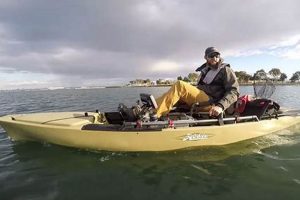
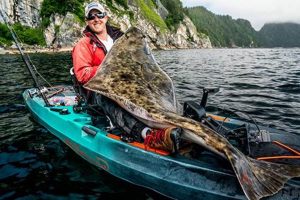
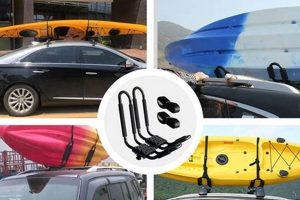
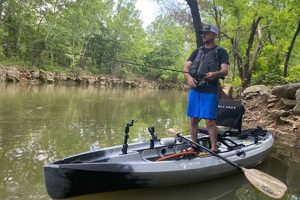
This activity involves angling from a small, human-powered watercraft within the Delaware Bay. The bay, a significant estuary on the Atlantic coast of the United States, provides a diverse and abundant fishery, creating a unique environment for this pursuit. Anglers often target species like striped bass, flounder, weakfish, and bluefish, employing various techniques suitable for the bay’s dynamic waters.
The sheltered nature of the bay’s many coves and tributaries, combined with the richness of its ecosystem, makes it an ideal location. This approach allows for a close-to-nature experience, enabling anglers to reach shallow waters inaccessible to larger vessels. Historically, small boats have been utilized for fishing in the Delaware Bay for centuries, reflecting a longstanding tradition adapted to modern equipment and methods. This sustainable practice contributes to both recreational enjoyment and economic benefits for the region.
Subsequent sections will explore specific techniques, essential equipment, recommended launch sites, safety considerations, and the importance of conservation efforts within the Delaware Bay ecosystem for anglers.
Tips for Delaware Bay Kayak Fishing
Successful angling within the Delaware Bay from a kayak requires careful planning and execution. The following tips offer guidance for a productive and safe experience.
Tip 1: Check Weather and Tide Charts: Understanding tidal currents and wind predictions is paramount. Strong winds and swift currents can significantly impact kayak control. Consulting forecasts before embarking ensures optimal conditions and safety.
Tip 2: Choose Appropriate Gear: Selecting tackle and equipment suited for target species and the bay’s environment is essential. Rod and reel combinations should handle the potential size and fight of the fish. Consider using appropriate lures or bait based on prevailing conditions and targeted species.
Tip 3: Utilize a Fish Finder: Employing a fish finder can significantly improve angling success. Identifying underwater structures, baitfish concentrations, and water depth assists in locating target species.
Tip 4: Prioritize Safety Equipment: Carrying essential safety gear, including a personal flotation device (PFD), a whistle, and a signaling device, is crucial. Adhering to safety regulations enhances angler well-being.
Tip 5: Plan Launch and Landing Locations: Researching suitable launch and landing sites beforehand simplifies access and ensures a smooth transition into and out of the water. Consider factors like parking availability, water depth, and current strength.
Tip 6: Practice Proper Kayak Handling: Mastering basic kayak paddling and maneuvering techniques is crucial for safe and efficient navigation, especially in potentially challenging conditions within the bay.
Tip 7: Respect Wildlife and the Environment: Adhering to ethical fishing practices and minimizing environmental impact preserves the bays ecosystem for future generations. Properly disposing of fishing line and respecting wildlife habitats are key elements.
By adhering to these guidelines, anglers can maximize their chances of a successful and rewarding experience while promoting safety and environmental stewardship.
The following section will address frequently asked questions concerning this specific activity.
1. Safety Equipment
Safety equipment plays a vital role in mitigating risks inherent to kayak fishing within the Delaware Bay. The dynamic environment, characterized by fluctuating tides, variable weather conditions, and vessel traffic, necessitates a proactive approach to angler safety. A properly outfitted kayak significantly reduces the potential for accidents and enhances the likelihood of a successful rescue should an emergency arise.
Essential safety items include a personal flotation device (PFD), a whistle, a visual distress signal, and a communication device. A PFD provides buoyancy and increases survival chances in the event of capsizing. A whistle allows for audible signaling to nearby vessels or individuals on shore. Visual distress signals, such as flares or a signal mirror, can attract attention over long distances. A waterproof, handheld VHF radio enables direct communication with the Coast Guard and other boaters, facilitating rapid response in emergencies. Supplemental safety gear includes a bilge pump, paddle leash, and first-aid kit. These items contribute to self-sufficiency and enhance preparedness for unforeseen circumstances. For example, a bilge pump quickly removes water from a flooded kayak, while a paddle leash prevents loss of a crucial piece of equipment. A first-aid kit addresses minor injuries and provides essential supplies in the event of a more serious incident.
Consistent and proper use of safety equipment is paramount. Regularly inspecting equipment for functionality and ensuring its readily accessible placement within the kayak are crucial practices. Understanding the operation of signaling devices and communication equipment before embarking on a fishing trip is essential. Adherence to these safety protocols contributes significantly to angler well-being and fosters a responsible approach to enjoying the Delaware Bay’s unique angling opportunities. Neglecting these precautions can lead to serious consequences, highlighting the direct correlation between safety preparedness and a positive on-the-water experience.
2. Tidal Awareness

Tidal awareness is paramount for safe and successful kayak fishing within the Delaware Bay. The bay’s substantial tidal fluctuations significantly influence water flow, depth, and access to prime fishing locations. Comprehending tidal patterns enables anglers to optimize fishing strategies, navigate safely, and minimize potential hazards.
- Current Prediction:
Accurately predicting current strength and direction is crucial for kayak control. Strong tidal currents can impede paddling progress and create challenging conditions, particularly near inlets and constrictions. Consulting tidal charts before launching allows anglers to anticipate current patterns and plan routes accordingly. For example, paddling against a strong ebb tide can be strenuous and time-consuming, while utilizing the flood tide can provide assistance in reaching desired fishing grounds.
- Water Depth Fluctuations:
Tidal changes dramatically affect water depth within the Delaware Bay, exposing or submerging shallow areas, sandbars, and oyster beds. Awareness of these fluctuations is vital for navigation and accessing shallow-water fishing spots. Failing to account for tidal changes can lead to grounding or unexpected encounters with submerged obstacles. Checking tide tables allows anglers to determine optimal times for accessing specific locations and avoid potential hazards.
- Fish Behavior:
Tidal currents influence fish behavior and feeding patterns. Many species, including striped bass and flounder, concentrate in areas where currents deliver baitfish and other food sources. Understanding these patterns allows anglers to target specific locations and optimize fishing techniques based on tidal stage. For example, fishing near channel edges or drop-offs during a moving tide can increase the likelihood of encountering actively feeding fish.
- Launch and Landing Considerations:
Tidal height affects accessibility to launch and landing sites. Some areas may become inaccessible during low tide, while others may experience strong currents during peak tidal flows. Planning launch and retrieval times based on tidal predictions ensures a smooth transition into and out of the water and minimizes potential difficulties.
By integrating tidal awareness into planning and execution, anglers can enhance their kayak fishing experience within the Delaware Bay. This knowledge contributes significantly to safety, efficiency, and the potential for angling success within this dynamic tidal environment.
3. Kayak Selection

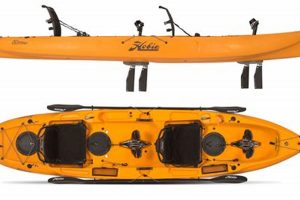
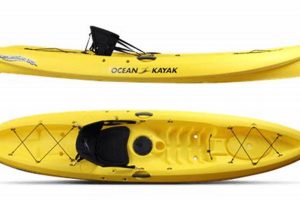
Kayak selection significantly influences the experience and success of fishing within the Delaware Bay. The bay presents unique conditions, including variable currents, wind exposure, and the potential for challenging water conditions. Choosing an appropriate kayak design contributes to stability, maneuverability, and overall safety. Several factors merit careful consideration when selecting a kayak for this specific environment.
Stability: Delaware Bay waters can become choppy, especially in open areas exposed to wind and currents. A wider, more stable kayak, such as a sit-on-top design or a wider sit-inside model, provides enhanced stability, reducing the likelihood of capsizing, particularly when battling a strong fish or navigating turbulent water. Shorter kayaks, while easier to maneuver, tend to be less stable than longer designs. Longer kayaks offer improved tracking and glide, advantageous for covering larger areas of the bay. For example, a stable sit-on-top kayak with a length of 12-14 feet provides a good balance between stability and maneuverability within the bay’s often-challenging conditions.
Propulsion: Kayak propulsion systems influence both speed and maneuverability. Paddle kayaks offer excellent control and maneuverability in shallow water and tight spaces, essential for navigating the bay’s many creeks and marshes. Pedal-driven kayaks offer increased speed and efficiency over longer distances, advantageous for covering larger areas of open water. Motorized kayaks provide the greatest speed and range, allowing anglers to quickly reach distant fishing grounds. However, regulations regarding motorized kayaks on the Delaware Bay vary, requiring careful consideration of local laws. The choice of propulsion depends on individual preferences, fishing style, and the intended areas within the bay.
Storage: Ample storage space is essential for carrying fishing gear, safety equipment, and personal items. Kayaks designed specifically for fishing often feature built-in rod holders, tackle storage compartments, and dry storage hatches for securing valuable equipment. Sufficient storage capacity reduces clutter and ensures essential gear remains readily accessible throughout the fishing trip. Selecting a kayak with adequate storage contributes to a more organized and efficient angling experience.
Careful kayak selection, informed by an understanding of Delaware Bay’s specific conditions, significantly enhances safety, efficiency, and enjoyment. Prioritizing stability, maneuverability, and appropriate storage capacity allows anglers to fully experience the bay’s rich fishing opportunities while ensuring a comfortable and secure on-the-water experience. Neglecting these considerations can compromise both safety and fishing success, underscoring the importance of selecting a kayak well-suited to this dynamic environment.
4. Fishing Regulations

Fishing regulations within the Delaware Bay directly impact kayak anglers. These regulations, established to ensure sustainable fish populations and protect the bay’s ecosystem, govern aspects such as catch limits, size restrictions, permitted fishing methods, and seasonal closures. Compliance with these regulations is not only legally required but also ethically essential for preserving the bay’s resources for future generations. For example, striped bass, a popular target species for kayak anglers, are subject to strict size and catch limits. Exceeding these limits can result in fines and contribute to the depletion of this valuable fishery. Similarly, seasonal closures protect spawning fish, ensuring the long-term health of the population. Understanding and adhering to these regulations is a fundamental aspect of responsible kayak fishing within the Delaware Bay.
Specific regulations vary depending on the targeted species. Anglers pursuing summer flounder, for example, must adhere to different size and catch limits compared to those targeting black sea bass. Furthermore, certain areas within the bay may be designated as protected habitats or seasonal closures, restricting fishing activity entirely during specific periods. Resources such as the Delaware Division of Fish & Wildlife website provide detailed information on current regulations, including license requirements, species-specific regulations, and area closures. Consulting these resources before embarking on a fishing trip ensures compliance and contributes to the sustainable management of the bay’s fisheries.
Ignoring fishing regulations can have significant consequences. Penalties for non-compliance may include fines, confiscation of equipment, and suspension of fishing privileges. More importantly, disregard for regulations undermines conservation efforts, jeopardizing the long-term health of the bay’s ecosystem and the sustainability of its fish populations. Adherence to fishing regulations, therefore, is not merely a legal obligation but a critical component of responsible angling practice. By understanding and respecting these regulations, kayak anglers contribute to the preservation of the Delaware Bay’s valuable resources and ensure the enjoyment of this unique fishery for generations to come.
5. Target Species Knowledge

Effective angling within the Delaware Bay requires a comprehensive understanding of target species. This knowledge directly influences equipment choices, fishing techniques, and location selection, ultimately maximizing angling success while promoting ethical and sustainable fishing practices. Understanding the nuances of each species’ behavior, habitat preferences, and feeding patterns is crucial for a productive and rewarding experience.
- Habitat Preferences:
Different species exhibit distinct habitat preferences within the Delaware Bay. Striped bass, for example, often frequent areas with strong currents, rocky structures, and drop-offs, while flounder prefer sandy or muddy bottoms in shallower areas. Knowledge of these preferences allows anglers to target specific locations likely to hold the desired species. Understanding habitat preferences reduces wasted effort and increases the probability of encountering target fish. For instance, targeting shallow, grassy flats for flounder during a rising tide is more effective than searching deeper channels where they are less likely to reside.
- Feeding Patterns:
Target species exhibit specific feeding patterns influenced by factors such as tidal stage, water temperature, and prey availability. Striped bass, known as opportunistic feeders, may aggressively pursue baitfish during a moving tide, while weakfish often feed on small crustaceans and worms near the bottom during slack tide. Understanding these patterns allows anglers to select appropriate lures, baits, and fishing techniques to match prevailing conditions and target species behavior. Using a topwater lure mimicking a fleeing baitfish during a blitz is more likely to attract striped bass than a bottom rig intended for flounder.
- Seasonal Movements:
Many species within the Delaware Bay undergo seasonal migrations, influenced by factors such as spawning cycles and water temperature changes. Striped bass, for instance, migrate into the bay during the spring and fall, while summer flounder arrive during the warmer months. Understanding these migratory patterns allows anglers to target specific species during periods of peak abundance. Attempting to catch summer flounder during the winter months, when they have migrated offshore, is unlikely to be successful. Knowledge of seasonal movements informs targeted fishing strategies.
- Legal and Ethical Considerations:
Target species knowledge extends beyond habitat, feeding, and migratory patterns. Understanding size and catch limits, seasonal closures, and permitted fishing methods for each species ensures compliance with regulations and promotes sustainable fishing practices. Respecting these guidelines preserves fish populations and protects the Delaware Bay ecosystem. For example, releasing undersized fish or exceeding catch limits for a particular species can negatively impact the fishery and potentially lead to legal consequences. Ethical angling practices, guided by species-specific knowledge, are crucial for the long-term health of the bay’s resources.
By integrating target species knowledge into their approach, kayak anglers within the Delaware Bay significantly enhance their chances of success. This knowledge, encompassing habitat preferences, feeding patterns, seasonal movements, and legal considerations, empowers anglers to make informed decisions regarding location selection, tackle choices, and fishing techniques. This targeted approach maximizes fishing efficiency, promotes conservation, and contributes to a more rewarding and sustainable angling experience.
6. Launch Site Planning
Launch site planning is integral to successful kayak fishing within the Delaware Bay. Appropriate site selection directly impacts accessibility, safety, and proximity to productive fishing grounds. Careful consideration of various factors ensures efficient deployment, minimizes potential hazards, and maximizes angling opportunities within the bay’s diverse environment.
- Tidal Influence:
Tidal fluctuations significantly affect launch site accessibility. Some locations become inaccessible during low tide, while others may experience strong currents during peak tidal flows. Consulting tide charts and understanding local tidal patterns are crucial for selecting a launch site suitable for the intended fishing timeframe. Launching at a site with limited access during specific tidal stages can strand a kayak or create hazardous launching and retrieval conditions.
- Parking and Access:
Convenient parking and easy access to the waterline are essential considerations. Launch sites with limited parking or challenging terrain can complicate kayak transport and deployment. Prior research and site reconnaissance are recommended to identify locations offering convenient parking and accessible pathways to the water’s edge. Locations with steep banks, dense vegetation, or limited shoreline access can create logistical challenges and potential safety hazards.
- Proximity to Fishing Grounds:
Launch site proximity to desired fishing areas minimizes transit time and maximizes fishing time. Understanding the distribution of target species and identifying productive fishing grounds within the bay informs launch site selection. Launching near target areas reduces paddling time and allows anglers to quickly reach prime fishing locations. Launching far from intended fishing grounds can result in extended transit times, consuming valuable fishing time and increasing exposure to potentially challenging conditions.
- Environmental Considerations:
Respecting the environment and minimizing disturbance to sensitive habitats is paramount. Avoiding areas with fragile vegetation, nesting bird colonies, or protected shellfish beds preserves the bay’s ecological integrity. Choosing designated launch sites and adhering to leave-no-trace principles minimizes human impact on the bay’s delicate ecosystem. Irresponsible launch site selection can damage sensitive habitats and negatively impact wildlife populations.
Effective launch site planning directly contributes to a positive and productive kayak fishing experience within the Delaware Bay. By considering tidal influences, parking accessibility, proximity to fishing grounds, and environmental factors, anglers can ensure a safe and efficient launch, maximize fishing time, and minimize their impact on the bay’s valuable ecosystem. Careful planning in this critical aspect of kayak fishing enhances both angling success and environmental stewardship within this dynamic tidal environment.
Frequently Asked Questions
This section addresses common inquiries regarding kayak fishing within the Delaware Bay, providing concise and informative responses to enhance understanding and promote safe angling practices.
Question 1: What are the primary target species for kayak anglers in the Delaware Bay?
Common target species include striped bass, flounder, weakfish, bluefish, and tautog. Species availability varies seasonally.
Question 2: Are there specific license requirements for fishing from a kayak in the Delaware Bay?
A valid Delaware fishing license is required for anglers 16 years and older. Specific regulations apply to certain species and areas within the bay.
Question 3: What safety precautions should kayak anglers take in the Delaware Bay?
Essential safety measures include wearing a personal flotation device (PFD), carrying a whistle, having a communication device, and checking weather forecasts before embarking.
Question 4: Where can suitable kayak launch sites be found within the Delaware Bay?
Public boat ramps and designated kayak launch areas provide access points. Researching locations based on tidal conditions and proximity to desired fishing areas is recommended.
Question 5: What tidal factors should kayak anglers consider when planning a fishing trip in the Delaware Bay?
Tidal currents and water depth fluctuations significantly impact kayak navigation and fishing success. Consulting tide charts and understanding local tidal patterns are essential.
Question 6: What environmental considerations are relevant to kayak fishing in the Delaware Bay?
Minimizing disturbance to sensitive habitats, adhering to leave-no-trace principles, and properly disposing of fishing line preserve the bays ecosystem. Respecting wildlife and avoiding protected areas are crucial.
Understanding these aspects contributes significantly to a safe, productive, and environmentally responsible kayak fishing experience within the Delaware Bay. Adherence to regulations and responsible angling practices ensures the sustainability of this valuable resource.
The following section offers a concluding perspective on kayak fishing within the Delaware Bay.
Kayak Fishing Delaware Bay
This exploration of kayak fishing within the Delaware Bay has highlighted key elements essential for a successful and sustainable experience. From safety considerations and equipment selection to tidal awareness and species knowledge, informed preparation is crucial for navigating this dynamic environment. Understanding fishing regulations and respecting the bay’s delicate ecosystem are fundamental responsibilities of all anglers. Launch site planning, factoring in tidal influences and proximity to fishing grounds, further enhances angling opportunities while minimizing environmental impact.
The Delaware Bay offers a unique and rewarding kayak fishing experience. Continued adherence to responsible angling practices, combined with ongoing conservation efforts, will ensure the preservation of this valuable resource for future generations. Through informed decision-making and a commitment to stewardship, the rich angling tradition within the Delaware Bay can thrive sustainably, fostering both recreational enjoyment and ecological balance.