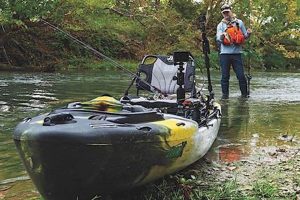
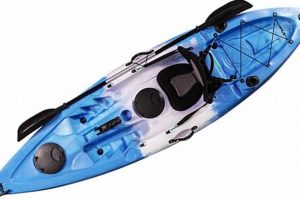
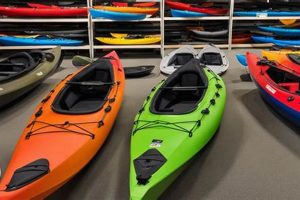
The act of purchasing a kayak involves several considerations, from the type of watercraft best suited to one’s needs (recreational, touring, fishing, whitewater) to factors like hull design, material (plastic, composite, inflatable), length, and storage capacity. Choosing the correct paddle and essential safety gear, such as a personal flotation device and signaling whistle, are also integral parts of the acquisition process. One might acquire a kayak from various retail outlets, including sporting goods stores, specialized kayak shops, or online marketplaces.
Acquiring a kayak opens up a world of possibilities for outdoor recreation and exploration. It offers a low-impact way to experience nature, improve fitness, and enjoy tranquil moments on the water. From serene lakes and winding rivers to challenging ocean swells, kayaking provides access to diverse environments and wildlife encounters. The historical context dates back millennia, with kayaks originally developed by indigenous peoples for hunting and transportation. Today, this versatile vessel is enjoyed globally for both leisure and sport.
This article delves further into the key aspects of kayak selection, providing readers with the knowledge and resources to make informed decisions. Topics covered will include detailed analyses of various kayak types, advantages and disadvantages of different materials and designs, essential accessories, safety guidelines, and recommended retailers. By exploring these elements, prospective kayak owners can equip themselves for a rewarding and safe experience on the water.
Tips for Kayak Acquisition
Careful consideration of various factors ensures a satisfying kayak purchase. The following tips provide guidance for selecting a suitable watercraft and essential equipment.
Tip 1: Define intended use. Consider the type of water to be navigated (calm lakes, flowing rivers, ocean surf) and primary activity (recreational paddling, fishing, touring, whitewater). This clarifies the required kayak features.
Tip 2: Research hull designs. Different hull shapes impact stability, speed, and maneuverability. Flat hulls offer stability, while rounded or V-shaped hulls enhance speed and tracking.
Tip 3: Evaluate materials. Plastic kayaks are durable and affordable, while composite materials provide lighter weight and greater performance. Inflatable kayaks offer portability and storage convenience.
Tip 4: Determine appropriate length. Longer kayaks generally track better and offer more storage, while shorter kayaks are more maneuverable.
Tip 5: Consider storage capacity. Evaluate the need for onboard storage for gear, especially for longer trips or fishing excursions.
Tip 6: Select a suitable paddle. Choose a paddle length based on individual height, kayak width, and paddling style. Consider blade shape and material for optimal performance.
Tip 7: Prioritize safety gear. A properly fitted personal flotation device (PFD) and a signaling whistle are essential for safe kayaking.
Tip 8: Research retailers and manufacturers. Compare prices, warranties, and customer reviews to ensure a reputable purchase source.
By following these guidelines, prospective kayak owners can make informed decisions, leading to a more enjoyable and safe paddling experience.
Equipped with the knowledge presented throughout this article, readers can now confidently proceed toward choosing the right kayak and embarking on their aquatic adventures.
1. Type

Kayak type significantly influences the purchasing decision. Selecting the appropriate type ensures compatibility with intended usage, paddling environment, and desired performance characteristics. Understanding the various types available is crucial for a satisfying purchase.
- Recreational Kayaks
Designed for calm waters like lakes and slow-moving rivers, recreational kayaks prioritize stability and ease of use. Often shorter and wider than other types, they are ideal for casual paddling and offer comfortable seating. Typically constructed from durable, affordable materials like high-density polyethylene (HDPE), recreational kayaks are a popular choice for beginners.
- Touring Kayaks
Built for longer journeys and open water conditions, touring kayaks emphasize efficiency and tracking. Longer and narrower than recreational kayaks, they feature a V-shaped hull for better speed and glide. Storage compartments accommodate gear for multi-day trips. Construction materials vary, from durable plastics to lightweight composites, influencing price and performance.
- Whitewater Kayaks
Specifically designed for navigating rapids and turbulent waters, whitewater kayaks are short, highly maneuverable, and built for durability. Rounded hulls and specialized features like spray skirts and thigh straps provide control and safety in challenging conditions. Construction typically utilizes high-impact resistant materials like polyethylene or composites.
- Fishing Kayaks
Equipped with features tailored for anglers, fishing kayaks offer stability, storage, and specialized accessories like rod holders and livewells. Sit-on-top designs provide easy access to the water and gear. Hull designs vary depending on the intended fishing environment, from stable platforms for lakes to maneuverable designs for rivers.
Careful consideration of these kayak types, in conjunction with individual paddling goals and environmental conditions, informs a successful purchase. Matching the kayak type to specific needs ensures a rewarding and enjoyable experience on the water.
2. Size

Kayak size significantly influences performance, comfort, and transport. Appropriate size selection depends on factors such as paddler physique, intended use, and storage considerations. Understanding the nuances of kayak sizing is crucial for a successful purchase.
- Length
Length affects tracking, speed, and maneuverability. Longer kayaks generally track straighter and glide more efficiently, making them suitable for open water and longer distances. Shorter kayaks offer greater maneuverability in tight spaces and rivers, but sacrifice some tracking and speed. Choosing the right length balances desired performance characteristics with paddling environment.
- Width
Width impacts stability and speed. Wider kayaks offer greater initial stability, making them suitable for beginners or those seeking a secure platform for fishing or photography. Narrower kayaks are less stable but faster and more efficient for covering longer distances. Balancing stability and speed needs determines the appropriate width.
- Weight Capacity
Weight capacity refers to the maximum combined weight of the paddler and gear that the kayak can safely support. Exceeding this capacity compromises stability and performance. Calculating total weight, including paddler weight, clothing, gear, and any additional cargo, is essential for safe and efficient operation.
- Cockpit Size
Cockpit size, particularly in sit-inside kayaks, determines comfort and accessibility. Larger cockpits offer easier entry and exit, suitable for larger paddlers or those requiring greater mobility. Smaller cockpits provide a snugger fit, enhancing control and connection with the kayak. Choosing an appropriate cockpit size balances comfort and performance preferences.
Careful consideration of these size-related factors ensures a kayak purchase optimized for individual needs and paddling style. Balancing length, width, weight capacity, and cockpit size with intended use and physical characteristics creates a harmonious relationship between paddler and kayak, leading to a more enjoyable and efficient experience on the water.
3. Material

Kayak material significantly influences performance, durability, and cost. Material selection represents a crucial aspect of the purchasing decision, directly impacting the kayak’s suitability for specific paddling environments and usage patterns. Understanding the properties of various kayak materials empowers informed choices aligned with individual needs and budgetary constraints.
Common kayak construction materials include high-density polyethylene (HDPE), fiberglass, carbon fiber, and various inflatable fabrics. HDPE offers excellent durability and impact resistance, making it a popular choice for recreational kayaks. Fiberglass and carbon fiber composites provide lighter weight and enhanced performance characteristics, favored by touring and performance-oriented paddlers. Inflatable kayaks, constructed from durable PVC or other synthetic fabrics, offer portability and convenient storage solutions.
Material choice presents a trade-off between performance, durability, and cost. HDPE kayaks offer robust construction at a lower price point, but sacrifice some performance compared to lighter-weight composites. Fiberglass and carbon fiber kayaks provide enhanced speed and efficiency, but come at a higher cost and require more careful handling. Inflatable kayaks prioritize portability and storage convenience, but may not offer the same level of performance or durability as rigid hulls. Understanding these trade-offs enables informed material selection aligned with individual priorities and intended usage.
4. Features

Features play a crucial role in the kayak purchasing process. Specific features cater to different paddling styles, comfort levels, and intended uses. A thorough understanding of available features enables informed decision-making, aligning the kayak’s capabilities with individual needs and preferences. Evaluating features alongside other factors, such as kayak type and material, ensures a well-suited purchase.
- Seating and Comfort
Seat design significantly impacts comfort, especially during longer paddling sessions. Adjustable backrests, padded seats, and thigh braces enhance support and reduce fatigue. Consider seat material breathability and the availability of aftermarket customization options for enhanced comfort.
- Storage Options
Storage capacity and accessibility are essential for carrying gear, especially for longer trips or fishing excursions. Hatches, tank wells, and bungee cords provide secure storage solutions. Evaluate storage compartments based on intended use and anticipated cargo volume.
- Rudder and Skeg Systems
Rudders and skegs enhance tracking and control, particularly in windy conditions or open water. Rudders offer active steering control, while skegs provide passive directional stability. Consider the advantages of each system based on paddling environment and skill level.
- Deck Rigging and Accessories
Deck rigging, including bungee cords, D-rings, and paddle parks, provides convenient storage and attachment points for gear. Consider pre-installed accessories like rod holders, cup holders, and GPS mounts based on specific paddling activities and preferences.
Careful consideration of these features ensures a kayak purchase optimized for individual needs and preferences. Evaluating features in conjunction with other purchase factors kayak type, size, and material leads to a well-informed decision and a more enjoyable paddling experience.
5. Budget

Budgetary considerations significantly influence kayak purchasing decisions. A predetermined budget acts as a guiding parameter, shaping choices related to kayak type, material, features, and retailer. Establishing a realistic budget before commencing the purchasing process promotes informed decisions and prevents overspending. Cause-and-effect relationships between budget and kayak selection are readily apparent. A limited budget may necessitate choosing a recreational kayak constructed from high-density polyethylene, while a larger budget opens possibilities for touring kayaks made from composite materials like fiberglass or carbon fiber. Recognizing this interplay allows prospective buyers to prioritize desired features and performance characteristics within financial constraints.
Real-world examples illustrate the practical significance of budget considerations. A recreational paddler seeking occasional use on calm lakes might find a suitable kayak within a budget of $500-$1000. However, an avid angler requiring specialized features like rod holders and a stable fishing platform might allocate a budget of $1000-$2000 for a fishing kayak. Similarly, a touring enthusiast seeking long-distance performance might dedicate a budget exceeding $2000 for a lightweight composite kayak. These examples demonstrate how budget directly impacts the range of available kayak options and features.
Understanding the pivotal role of budget in the kayak acquisition process empowers informed decision-making. A well-defined budget facilitates focused research, enabling buyers to identify kayaks that align with financial constraints while fulfilling performance and feature requirements. This understanding prevents impulsive purchases and promotes long-term satisfaction with the chosen kayak. Integrating budgetary planning into the purchasing process contributes significantly to a successful and enjoyable kayaking experience.
6. Retailer
Retailer selection significantly impacts the kayak acquisition process. The chosen retailer influences not only the available kayak brands and models but also the level of customer service, warranty support, and potential for post-purchase assistance. A cause-and-effect relationship exists between retailer choice and overall purchase satisfaction. Opting for a reputable retailer specializing in kayaks often yields a more informed purchasing experience, access to expert advice, and reliable after-sales service. Conversely, choosing a retailer without specialized knowledge or a commitment to customer support may result in a less satisfactory outcome.
Real-world examples illustrate the practical significance of retailer selection. Purchasing a kayak from a dedicated kayak outfitter often provides access to knowledgeable staff who can guide buyers through the selection process, addressing specific needs and paddling styles. These retailers often offer demo days or on-water testing opportunities, allowing potential buyers to experience different kayak models before committing to a purchase. Furthermore, specialized retailers often provide comprehensive warranty support and repair services, ensuring long-term satisfaction with the purchased kayak. In contrast, purchasing from a general sporting goods retailer may limit access to specialized expertise and post-purchase support. Online retailers offer a wider selection but may lack personalized guidance and hands-on experience with the product.
Strategic retailer selection optimizes the kayak buying experience. Researching local retailers, comparing online options, and considering factors such as expertise, customer service, and warranty support contribute significantly to a positive outcome. Understanding the crucial role of the retailer in the purchasing process empowers informed decisions, leading to a satisfying purchase and a long-term enjoyment of the chosen kayak.
7. Safety Gear

Safety gear represents an integral component of kayak ownership, inextricably linked to the purchasing process. Acquiring appropriate safety equipment should be considered concurrently with the kayak itself, not as an afterthought. Prioritizing safety enhances the paddling experience, mitigating potential risks and ensuring preparedness for unforeseen circumstances. Understanding the essential safety gear components and their practical application fosters a culture of responsible kayaking.
- Personal Flotation Devices (PFDs)
A PFD is a non-negotiable piece of safety equipment for any kayaker. Properly fitted PFDs provide buoyancy and support in the event of capsizing, significantly increasing the chances of survival. Different PFD types exist, catering to various paddling disciplines and comfort levels. Selecting a PFD approved by relevant safety standards and ensuring a snug fit are crucial steps in the kayak purchasing process.
- Signaling Devices
Signaling devices enable communication in emergencies, facilitating rescue and assistance. Whistles, air horns, and visual distress signals like flares or mirrors enhance visibility and attract attention. Carrying multiple signaling devices and understanding their proper usage are essential preparedness measures. Integrating signaling device acquisition into the kayak purchasing process ensures immediate availability upon commencing paddling activities.
- Navigation and Communication Equipment
Navigation and communication tools enhance safety by providing location awareness and facilitating communication with others. Maps, compasses, GPS devices, and VHF radios aid in route planning, orientation, and emergency contact. Understanding the capabilities and limitations of these tools, especially in remote areas, is crucial for safe kayaking. Acquiring necessary navigation and communication equipment should be considered during the kayak purchasing process, particularly for extended trips or open-water paddling.
- Safety Education and Training
While not a physical piece of gear, safety education and training represent a crucial aspect of responsible kayak ownership. Formal kayak instruction, safety courses, and self-study enhance paddling skills, safety awareness, and preparedness for emergencies. Investing in safety education complements the purchase of a kayak and safety gear, fostering confident and responsible paddling practices.
Integrating safety gear acquisition into the kayak purchasing process underscores its fundamental importance. A holistic approach to kayak ownership recognizes the interdependence of the vessel and essential safety equipment. By prioritizing safety considerations alongside the kayak selection process, paddlers equip themselves for a more secure and enjoyable experience on the water.
Frequently Asked Questions
This section addresses common inquiries regarding kayak acquisition, providing concise and informative responses to facilitate informed decision-making.
Question 1: What type of kayak is most suitable for beginners?
Recreational kayaks are generally recommended for beginners due to their stability and ease of use. Their wider hulls and shorter lengths provide a stable platform for learning basic paddling techniques.
Question 2: How much should one expect to spend on a kayak?
Kayak prices vary significantly depending on type, material, and features. Recreational kayaks typically range from $300 to $1000, while touring and performance kayaks can exceed $2000. Inflatable kayaks offer a more budget-friendly option, starting around $200.
Question 3: What are the essential safety gear items for kayaking?
Essential safety gear includes a properly fitted personal flotation device (PFD), a signaling whistle, and appropriate navigation tools depending on the paddling environment. Additional safety equipment like bilge pumps, paddle floats, and spray skirts may be necessary depending on the type of kayaking and water conditions.
Question 4: Where can kayaks be purchased?
Kayaks can be purchased from various retailers, including specialty kayak shops, sporting goods stores, and online marketplaces. Specialty kayak shops offer expert advice and a wider selection of kayak models and accessories.
Question 5: What are the key factors to consider when choosing a kayak paddle?
Paddle selection depends on factors like paddler height, kayak width, and paddling style. Longer paddles are generally suitable for taller individuals and wider kayaks. Blade shape and material influence paddling efficiency and performance.
Question 6: How important is proper kayak maintenance?
Proper kayak maintenance ensures longevity and optimal performance. Regular cleaning, proper storage, and timely repairs prevent damage and maintain the kayak’s seaworthiness. Refer to the manufacturer’s guidelines for specific maintenance recommendations.
Careful consideration of these frequently asked questions facilitates informed kayak purchasing decisions. Addressing these common concerns empowers prospective kayak owners to select appropriate equipment and embark on their paddling adventures safely and confidently.
The next section delves into advanced kayaking techniques and essential safety procedures.
Conclusion
Acquiring a kayak represents a significant investment in recreation and exploration. This comprehensive guide has explored the multifaceted aspects of the purchase process, emphasizing the importance of informed decision-making. Key considerations include determining the appropriate kayak type, size, and material based on individual needs and paddling environments. Features, budget, retailer selection, and essential safety gear further influence the overall purchasing experience and long-term satisfaction. A thorough understanding of these elements empowers prospective kayak owners to make informed choices, ensuring a harmonious relationship between paddler and vessel.
The journey of kayak acquisition represents the initial step toward a world of aquatic adventures. Careful consideration of the factors outlined herein equips individuals with the knowledge and resources to navigate this process effectively. The result is a rewarding and enriching experience on the water, fostering a deeper connection with nature and promoting an active, fulfilling lifestyle. The exploration presented here serves as a foundation for confident kayak selection and the pursuit of memorable paddling experiences.