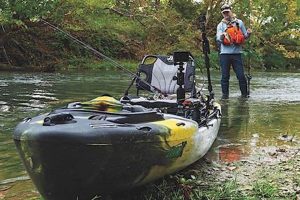
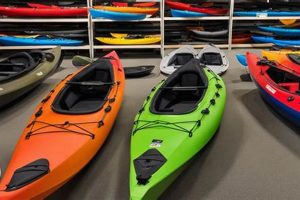
Individuals weighing 350 pounds require specialized kayaks designed to accommodate their weight and size safely and comfortably. These watercraft typically possess higher weight capacities, wider beams, and reinforced construction compared to standard kayaks. Selecting an appropriate vessel involves careful consideration of factors like stability, maneuverability, and intended userecreational paddling, fishing, or touring. An example would be a sit-on-top kayak with a weight capacity exceeding 400 pounds, offering ample stability and ease of entry and exit.
Access to properly sized kayaks allows heavier individuals to participate in paddlesports, promoting physical activity, enjoyment of the outdoors, and a connection with nature. Historically, options for larger paddlers were limited, hindering access to these activities. Advances in kayak design and manufacturing now offer a wider selection of durable and stable watercraft, enabling more people to enjoy the benefits of kayaking. This inclusivity fosters a healthier and more active lifestyle for a wider range of individuals.
The following sections will explore key considerations when selecting a kayak with a higher weight capacity, including materials, design features, and recommended models for various paddling styles. Additional topics will cover essential safety guidelines and accessories for a positive and safe kayaking experience.
Tips for Selecting a Kayak for Heavier Paddlers
Choosing the right kayak is crucial for a safe and enjoyable paddling experience. Careful consideration of several key factors ensures proper stability, comfort, and performance on the water.
Tip 1: Prioritize Weight Capacity: Never exceed a kayak’s maximum weight capacity. Include the paddler’s weight, gear, and any additional equipment to determine the total load. Opting for a kayak with a capacity significantly higher than the anticipated load offers enhanced stability and safety margins.
Tip 2: Consider Kayak Width and Length: Wider kayaks generally provide greater initial stability, while longer kayaks often track better in a straight line and offer more storage space. A balance between stability and maneuverability is key.
Tip 3: Evaluate Hull Design: Flat-bottomed hulls enhance stability, while rounded or V-shaped hulls improve tracking and maneuverability. Consider the intended paddling environment and personal preferences when selecting a hull design.
Tip 4: Choose Suitable Materials: Polyethylene kayaks are durable and affordable, while composite materials like fiberglass or carbon fiber offer lighter weight and improved performance, albeit at a higher cost. Durability and weight should be weighed against budget considerations.
Tip 5: Assess Seat Comfort and Adjustability: A comfortable and supportive seat is essential for longer paddling trips. Adjustable features allow for customization to accommodate individual body types and preferences. Look for features like adjustable backrests, foot braces, and thigh supports.
Tip 6: Test Before Purchasing (If Possible): Testing a kayak before purchase provides invaluable insight into its stability, comfort, and handling characteristics. Demo days or rentals allow potential buyers to experience the kayak firsthand.
Tip 7: Factor in Storage and Transportation: Consider how the kayak will be stored and transported. Larger kayaks require more storage space and may necessitate specialized roof racks or trailers.
Adhering to these tips ensures selection of a kayak appropriate for individual needs and preferences. Proper selection leads to increased safety, comfort, and enjoyment on the water, fostering a positive and rewarding paddling experience.
The following section concludes with important safety reminders and resources for further information on kayaking best practices.
1. Capacity

Capacity, denoting the maximum weight a kayak can safely support, stands as a critical factor for individuals weighing 350 pounds. Exceeding this limit compromises stability, increasing the risk of capsizing. This value encompasses the combined weight of the paddler, gear, and any additional equipment. For a 350-pound individual, a kayak with a capacity of 400 to 500 pounds, or even higher depending on gear, is generally recommended. This margin enhances stability and ensures safe operation even in challenging conditions. A kayak with insufficient capacity may sit low in the water, impacting maneuverability and increasing the likelihood of water ingress.
Consider a scenario where a 350-pound individual, along with 50 pounds of gear, attempts to use a kayak rated for 350 pounds. The overloaded kayak will be less stable, more difficult to control, and at significant risk of capsizing. Conversely, a kayak with a 500-pound capacity provides a significant safety margin, offering greater stability and improved performance. This excess capacity translates to a more confident and enjoyable paddling experience, allowing the individual to focus on the activity rather than struggling to maintain balance. Manufacturers typically provide capacity information on kayak specifications, making it a readily accessible factor during the selection process.
Understanding kayak capacity is fundamental for safe and enjoyable paddling. Choosing a kayak with adequate capacity is non-negotiable for heavier individuals. This critical factor directly impacts stability, performance, and overall safety on the water. Ignoring capacity limitations can lead to dangerous situations, highlighting the practical significance of this understanding. Selecting a kayak with ample capacity ensures a positive and safe experience, enabling full enjoyment of the activity.
2. Width

Width, specifically beam width (the widest point of the kayak), plays a crucial role in kayak stability, a paramount concern for heavier individuals. A wider beam generally translates to a more stable platform, reducing the likelihood of capsizing. For a 350 lb person, a wider kayak offers increased initial stability, facilitating easier entry and exit and a more secure feeling on the water. This discussion will explore the multifaceted relationship between width and kayak selection for heavier paddlers.
- Initial Stability vs. Secondary Stability
Initial stability refers to the kayak’s resistance to tipping when at rest or during minor movements. Wider kayaks excel in initial stability, making them ideal for beginners or those prioritizing a secure feel. Secondary stability describes the kayak’s resistance to capsizing when leaned or tilted. Narrower kayaks often exhibit greater secondary stability, allowing for sharper turns and maneuverability in rougher waters. Heavier paddlers often benefit from prioritizing initial stability, as it provides a more secure platform for entering, exiting, and general paddling. However, understanding the interplay between initial and secondary stability is crucial for informed kayak selection.
- Maneuverability
While width enhances stability, it can sometimes compromise maneuverability. Wider kayaks require more effort to turn and may feel less responsive. This factor is particularly relevant in environments requiring frequent maneuvering, such as narrow waterways or rocky coastlines. The trade-off between stability and maneuverability necessitates careful consideration based on intended paddling locations and individual preferences. A slightly wider kayak might be perfectly suitable for calm lakes, while a slightly narrower option might be preferable for more dynamic environments.
- Comfort and Space
A wider kayak often provides more cockpit space, increasing comfort for larger paddlers. This additional space can accommodate larger body frames and allow for more comfortable leg positioning, reducing cramping and fatigue during longer paddling sessions. The increased width also facilitates easier entry and exit, reducing the risk of instability during these transitions. Features like adjustable seats and footrests further enhance comfort, particularly in wider kayaks where adjustments can have a greater impact.
- Impact on Speed and Tracking
Wider kayaks tend to be slower and less efficient in tracking (maintaining a straight course) compared to narrower designs. The increased water resistance requires more effort to maintain speed and can make longer journeys more demanding. While stability is paramount for heavier paddlers, the impact of width on speed and tracking should also be considered, especially for those planning longer trips or covering significant distances.
In summary, width serves as a pivotal factor influencing kayak stability, maneuverability, comfort, and performance. For a 350 lb person, prioritizing a wider beam typically enhances stability and comfort. However, the trade-offs related to maneuverability, speed, and tracking require careful evaluation. Balancing these competing factors ensures selection of a kayak that meets individual needs and preferences, fostering a safe, comfortable, and enjoyable paddling experience.
3. Stability
Stability represents a critical factor in kayak selection, particularly for individuals weighing 350 lbs. Kayak stability directly influences safety and comfort on the water, impacting the paddler’s confidence and overall experience. Reduced stability increases the risk of capsizing, a significant safety concern, especially in challenging conditions or for less experienced paddlers. For heavier individuals, a stable platform allows for easier entry and exit, minimizing the chances of tipping during these transitions. Furthermore, enhanced stability contributes to a more relaxed and enjoyable paddling experience, allowing the individual to focus on the surroundings and the activity itself rather than constantly battling to maintain balance.
Several factors contribute to kayak stability. Width, hull design, and weight capacity all play significant roles. Wider kayaks generally offer greater initial stability, resisting tipping when at rest or during minor movements. Hull design also influences stability. Flat-bottomed hulls provide excellent initial stability, while rounded or V-shaped hulls may offer better secondary stability (resistance to tipping when leaned). Weight capacity, as previously discussed, must be adhered to strictly. Exceeding the manufacturer’s specified weight limit significantly compromises stability. Consider a scenario involving two kayaks: one with a wide, flat bottom and a 500 lb capacity, and another with a narrow, V-shaped hull and a 350 lb capacity. The wider kayak with the higher capacity will provide significantly greater stability for a 350 lb individual. The narrower kayak, especially if near its weight limit, would be far less stable and potentially dangerous.
Understanding the factors influencing kayak stability empowers informed decision-making, leading to a safer and more enjoyable paddling experience. Prioritizing stability, particularly for heavier individuals, is crucial for mitigating risks and maximizing enjoyment on the water. Selecting a kayak with ample stability allows for a more confident and comfortable paddling experience, facilitating exploration and appreciation of the natural environment. This understanding translates directly into practical applications, guiding individuals toward appropriate kayak choices and promoting safe paddling practices.
4. Comfort

Comfort plays a crucial role in the kayaking experience, particularly for larger individuals. A comfortable kayak enables longer paddling sessions with reduced fatigue and discomfort, promoting enjoyment and exploration. For a 350 lb person, comfort considerations are paramount, influencing not only enjoyment but also safety and performance on the water. An uncomfortable kayak can lead to premature fatigue, distraction, and potentially unsafe situations. This section explores key facets of comfort relevant to heavier kayakers.
- Seat Design and Adjustability
Seat design significantly impacts overall comfort. Look for kayaks with adjustable seats, allowing customization of back support, legroom, and overall positioning. Features like padded backrests, adjustable foot braces, and thigh supports enhance comfort, particularly during longer paddles. A well-designed seat distributes weight evenly, reducing pressure points and minimizing discomfort. For heavier individuals, a wider seat with ample padding and robust construction is essential for proper support and long-term comfort. Adjustable features accommodate individual body types and preferences, optimizing comfort and reducing strain.
- Cockpit Size and Legroom
Adequate cockpit space and legroom are essential for larger paddlers. A cramped cockpit can restrict movement, leading to discomfort and fatigue. Sufficient legroom allows for comfortable leg extension and reduces the risk of cramping or numbness. Sit-on-top kayaks often offer more open cockpits, providing greater freedom of movement and accommodating larger body sizes. The cockpit dimensions should be carefully considered in relation to the paddler’s height and weight to ensure a comfortable and unrestricted paddling experience.
- Kayak Width and Stability
Kayak width indirectly influences comfort. Wider kayaks generally provide greater stability, reducing the need for constant adjustments and balancing, thus enhancing comfort and reducing fatigue. Increased stability allows the paddler to relax and focus on the paddling experience rather than maintaining balance. This enhanced stability contributes to a more comfortable and enjoyable experience, particularly for longer durations or in challenging conditions.
- Weight and Portability
Kayak weight influences comfort during transport and storage. While heavier kayaks offer greater stability, they can be challenging to handle on land. Consider the logistics of transporting and storing the kayak, opting for lighter options if portability is a primary concern. Features like integrated carrying handles and lighter-weight construction materials can improve portability and reduce strain during transport.
Comfort features significantly enhance the kayaking experience for heavier individuals. Proper seat design, ample cockpit space, and a stable platform contribute to reduced fatigue, increased enjoyment, and improved safety. Careful consideration of these factors ensures a positive and comfortable paddling experience, encouraging exploration and appreciation of the outdoors. By prioritizing comfort, heavier individuals can fully enjoy the benefits of kayaking and engage in longer, more rewarding paddling adventures.
5. Durability

Durability is a paramount consideration when selecting a kayak for a 350 lb person. The increased weight and stress exerted on the kayak necessitate a robust construction capable of withstanding these demands. A durable kayak ensures longevity, safety, and reliable performance over time. Compromised durability can lead to structural failures, leaks, and potential safety hazards, especially for heavier individuals. Choosing a kayak constructed from robust materials and employing sound manufacturing techniques is essential for ensuring a safe and enjoyable paddling experience. Heavier paddlers exert greater forces on the kayak during entry, exit, and paddling, increasing the risk of damage to less durable craft.
Several factors influence kayak durability. Material selection plays a crucial role. Polyethylene kayaks are known for their impact resistance and affordability, making them a popular choice for recreational use. Higher-density polyethylene offers enhanced durability, albeit at a slightly higher weight. Composite materials like fiberglass and carbon fiber offer superior strength-to-weight ratios, but come at a premium cost and may be more susceptible to damage from impacts. Construction techniques, such as rotomolding or thermoforming, also influence durability. Rotomolded kayaks generally exhibit greater impact resistance, while thermoformed kayaks may offer lighter weight and higher performance. Reinforced areas, particularly in the seat and hull, further enhance durability in high-stress areas. For example, a rotomolded polyethylene kayak with reinforced seating and hull areas is likely to provide superior durability for a 350 lb paddler compared to a lightly constructed thermoformed kayak without reinforcements.
Investing in a durable kayak minimizes the risk of damage, reduces maintenance requirements, and ensures a safe and reliable paddling experience. The long-term cost savings associated with a durable kayak often outweigh the initial investment. A durable kayak withstands the rigors of regular use and the added stress of a heavier paddler, contributing to a positive and safe experience on the water. Understanding the factors contributing to kayak durability empowers informed decision-making and fosters a greater appreciation for the importance of this critical attribute. A durable kayak provides peace of mind, allowing the paddler to focus on the enjoyment of the activity rather than concerns about potential damage or failure. This ultimately translates to a more fulfilling and rewarding kayaking experience.
6. Design

Design considerations are paramount when selecting a kayak for a 350 lb individual. Appropriate design features ensure stability, comfort, and performance, contributing to a safe and enjoyable paddling experience. Specific design elements cater to the unique needs of heavier paddlers, addressing weight distribution, buoyancy, and overall structural integrity. Ignoring design implications can compromise safety and detract from the paddling experience. Careful evaluation of design features empowers informed decision-making and promotes a positive and rewarding experience on the water.
- Hull Design
Hull design significantly impacts stability, maneuverability, and tracking. Wider, flatter hulls generally offer greater initial stability, benefiting heavier paddlers by providing a more secure platform. Rounded or V-shaped hulls, while potentially less stable initially, offer improved tracking and maneuverability in rougher waters or for longer distances. Pontoon hulls, with their exceptional stability, are another option, particularly for recreational paddling in calm waters. The choice of hull design depends on the intended paddling environment and individual preferences. A flat-bottomed hull might be ideal for leisurely paddling on a calm lake, while a V-shaped hull might be preferable for coastal exploration.
- Sit-On-Top vs. Sit-Inside
Sit-on-top kayaks offer enhanced stability and ease of entry and exit, making them a popular choice for heavier individuals. The open design provides greater freedom of movement and reduces the feeling of confinement. Sit-inside kayaks, while offering greater protection from the elements, can feel more restrictive and challenging to enter and exit, particularly for larger paddlers. Sit-on-tops are often preferred for recreational paddling and warmer climates, while sit-insides may be chosen for touring or colder conditions. The choice depends on personal preference and intended use.
- Length and Weight Capacity
Longer kayaks generally track better and offer more storage space, but can be less maneuverable. Weight capacity, as previously discussed, is a critical factor for heavier paddlers. Exceeding the specified weight capacity compromises stability and safety. A longer kayak with a higher weight capacity might be suitable for touring, while a shorter, wider kayak might be preferable for recreational use. The balance between length, weight capacity, and intended use should be carefully considered.
- Features and Accessories
Design features like adjustable seats, footrests, and carrying handles enhance comfort and convenience. Accessories such as rudders or skegs improve tracking, particularly in windy conditions. Integrated storage compartments provide secure storage for gear and essentials. These design elements contribute to a more comfortable, convenient, and enjoyable paddling experience, particularly for longer trips or specialized activities like fishing or photography. Choosing a kayak with appropriate features and accessories enhances functionality and overall satisfaction.
The interplay of these design elements determines a kayak’s suitability for a 350 lb individual. Prioritizing stability, comfort, and appropriate weight capacity ensures a safe and enjoyable paddling experience. Careful consideration of hull design, seating configuration, length, and additional features allows heavier paddlers to select a kayak that meets their specific needs and enhances their time on the water. A well-designed kayak contributes to a confident and fulfilling paddling experience, encouraging exploration and appreciation of the aquatic environment.
Frequently Asked Questions
This section addresses common inquiries regarding kayak selection for heavier individuals, providing concise and informative responses to facilitate informed decision-making.
Question 1: What type of kayak is best suited for a 350 lb person?
Sit-on-top kayaks with high weight capacities (450-500 lbs or more) and wide beams are generally recommended due to their stability and ease of entry/exit. Touring kayaks designed for larger paddlers also offer suitable options for longer expeditions.
Question 2: How is kayak weight capacity determined, and why is it crucial?
Manufacturers determine weight capacity through rigorous testing. Adhering to this limit is critical for safety and performance. Exceeding it compromises stability and increases the risk of capsizing. Total weight includes the paddler, gear, and any additional equipment.
Question 3: Beyond weight capacity, what other factors should be considered?
Width, length, hull design, seat comfort, and material durability are all important factors. Wider kayaks offer greater stability, while longer kayaks enhance tracking. Hull design influences maneuverability. Comfortable seating and durable construction are crucial for extended paddling sessions.
Question 4: Are there specific kayak features that enhance comfort for heavier paddlers?
Adjustable seats with ample padding, supportive backrests, and adjustable footrests significantly enhance comfort. A wider cockpit provides increased legroom and ease of movement. These features contribute to a more enjoyable paddling experience, reducing fatigue and discomfort.
Question 5: How does paddling a heavier kayak differ from paddling a standard kayak?
Heavier kayaks, due to increased displacement, may feel more stable but less maneuverable. They require more effort to accelerate and turn but maintain momentum more effectively. Understanding these differences allows for adjustments in paddling technique and expectations.
Question 6: Where can additional information on kayak selection and safety be found?
Reputable kayak retailers, paddling organizations, and online resources offer comprehensive information. Consulting with experienced paddlers or kayak instructors can provide valuable insights and personalized recommendations.
Careful consideration of these frequently asked questions empowers informed kayak selection, promoting safety, comfort, and an enjoyable paddling experience.
The subsequent section offers concluding remarks and resources for further exploration.
Conclusion
Selecting a kayak appropriate for a 350 lb individual requires careful consideration of various factors. Weight capacity, width, stability, comfort, durability, and design elements all play crucial roles in ensuring a safe, comfortable, and enjoyable paddling experience. Prioritizing stability and comfort through features like a wider beam, a flat hull design, and an adjustable seat enhances the on-water experience for larger paddlers. Understanding the interplay of these factors empowers informed decision-making and promotes safe paddling practices.
Increased access to specialized kayaks empowers a wider range of individuals to experience the benefits of paddlesports. Promoting inclusivity within outdoor recreational activities fosters a healthier and more active lifestyle for all. Continued advancements in kayak design and manufacturing promise even greater accessibility and specialized options for individuals of all sizes and abilities, further enriching the enjoyment and accessibility of kayaking for everyone.