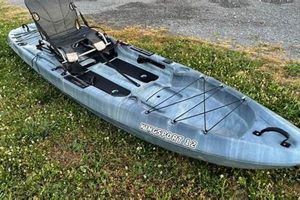
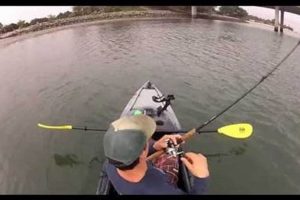
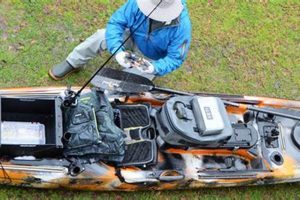
This specialized vessel combines the speed and agility of a kayak with features designed specifically for angling. Typically constructed from durable, lightweight materials like rotomolded polyethylene, these watercraft often include specialized seating, rod holders, storage compartments for tackle and gear, and even livewells for keeping catches fresh. Anglers choose this type of watercraft to access shallow waters, navigate tight spots, and enjoy a close-to-the-water fishing experience.
The advantages of this small, self-propelled fishing platform include maneuverability and stealth, allowing anglers to approach fish in areas inaccessible to larger boats. This form of fishing also provides a physically engaging experience and offers a sustainable, low-impact way to enjoy the outdoors. The growing popularity reflects a broader trend toward personalized and eco-conscious approaches to recreational fishing.
The following sections will delve deeper into selecting, outfitting, and maintaining this specific type of watercraft. Topics covered include hull design variations, propulsion systems, essential accessories, safety considerations, and popular fishing techniques best suited to this style of angling.
Tips for Kayak Fishing
Proper preparation and technique are crucial for a successful and enjoyable fishing experience from a kayak. These tips offer guidance for maximizing efficiency and safety on the water.
Tip 1: Prioritize Stability: Select a wider, flatter hull design for enhanced stability, especially for beginners or when fishing in rougher conditions. Consider outriggers or stabilizers for additional support.
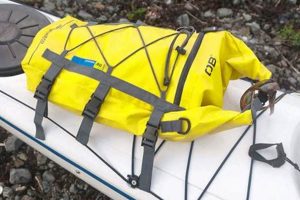
Tip 2: Plan and Organize Gear: Strategically arrange fishing rods, tackle boxes, and other essential gear within easy reach for efficient retrieval and to maintain balance. Waterproof bags and containers are crucial for protecting electronics and valuables.
Tip 3: Dress Appropriately: Wear lightweight, quick-drying clothing layered for changing weather conditions. A wide-brimmed hat, polarized sunglasses, and sunscreen are essential for sun protection. A personal flotation device (PFD) should always be worn.
Tip 4: Practice Paddle Strokes: Mastering basic paddling techniques and maneuvers, such as turning and stopping, is crucial for efficient navigation and control, particularly in challenging currents or windy conditions.
Tip 5: Choose Suitable Anchoring Systems: Anchor effectively to maintain position in desired fishing spots. Consider a lightweight anchor, anchor trolley system, or stake-out pole depending on the water body and bottom conditions.
Tip 6: Understand Water Conditions: Research tides, currents, and weather forecasts before heading out. Avoid fishing in hazardous conditions like strong winds, thunderstorms, or dense fog.
Tip 7: Respect Wildlife and the Environment: Practice catch-and-release whenever possible and handle fish with care. Dispose of fishing line and other waste responsibly. Adhere to local fishing regulations and respect designated no-fishing zones.
Implementing these tips will contribute to a safer, more productive, and enjoyable fishing experience. Advance planning and thoughtful preparation are key to maximizing time on the water and minimizing potential challenges.
The concluding section will offer resources for further learning and exploration related to kayak fishing and responsible angling practices.
1. Stability

Stability is a paramount consideration in a fishing kayak, directly impacting safety and fishing effectiveness. A stable platform allows anglers to cast, reel, and land fish without compromising balance, especially crucial in dynamic water conditions or when handling active catches. This section explores key facets contributing to stability in these specialized kayaks.
- Hull Design:
Hull design plays a pivotal role in determining stability. Wider, flatter hulls generally offer greater primary stability (initial resistance to tipping), ideal for calm waters and stationary fishing. Pontoon-style hulls maximize stability. However, narrower hulls, while less stable initially, offer superior secondary stability (resistance to capsizing once tilted), valuable in rougher conditions. The specific hull design influences the kayak’s performance characteristics and suitability for different fishing environments.
- Center of Gravity:
A lower center of gravity contributes significantly to stability. The angler’s seating position and distribution of weight within the kayak influence the center of gravity. Sitting lower and keeping weight centered enhances stability. Proper gear placement and avoiding sudden movements also contribute to maintaining a balanced center of gravity.
- Water Conditions:
Water conditions significantly influence stability. Calm, flat water presents fewer challenges, while choppy water, currents, and wind increase the risk of instability. Understanding prevailing water conditions and adjusting fishing techniques accordingly is crucial. Using an anchor or drift sock can enhance stability in moving water.
- Outriggers and Stabilizers:
Outriggers and stabilizers provide additional stability, particularly beneficial for anglers new to kayak fishing or those requiring extra support. These attachments extend outward from the hull, creating a wider base and increasing resistance to tipping. While adding weight and potentially impacting maneuverability, they significantly enhance stability in various conditions.
The interplay of these factors determines the overall stability of a fishing kayak. Selecting a kayak with a hull design appropriate for the intended fishing environment, maintaining a low center of gravity, and adapting to prevailing water conditions contribute significantly to a safe and productive fishing experience. Additional stability enhancements like outriggers further contribute to angler confidence and safety on the water.
2. Maneuverability

Maneuverability is a defining characteristic of the mako fishing kayak, enabling precise navigation and access to diverse fishing locations. Efficient movement through the water, especially in challenging environments, is crucial for reaching optimal fishing spots and responding effectively to changing conditions. This section examines the key factors influencing maneuverability in these specialized kayaks.
- Hull Design:
Hull design significantly impacts maneuverability. Shorter, wider hulls generally offer greater stability but sacrifice maneuverability. Longer, narrower hulls, conversely, enhance tracking and speed but can be less stable. Specific hull designs, such as those with a pronounced keel or defined chines, influence turning performance and responsiveness to paddle strokes. Understanding the relationship between hull design and maneuverability is essential for selecting a kayak suited to specific fishing environments.
- Length and Width:
The length and width of the kayak directly affect its maneuverability. Shorter kayaks turn more quickly, advantageous in tight spaces like narrow creeks or mangrove tunnels. Longer kayaks track more efficiently in open water, covering greater distances with less effort. The width of the kayak influences its turning radius and resistance to turning. The optimal length and width depend on the intended fishing locations and the angler’s preferences.
- Rudder System:
A rudder system enhances directional control and maneuverability, especially in windy conditions or strong currents. The rudder allows for precise course adjustments and minimizes the need for corrective paddle strokes, conserving energy and improving tracking. While adding complexity and potential maintenance requirements, a rudder system can significantly enhance maneuverability and control.
- Paddle Type and Technique:
The type of paddle and paddling technique employed influences maneuverability. Longer paddles generate more power and speed, while shorter paddles offer greater control for quick turns. Efficient paddling techniques, such as sweep strokes and draws, allow for precise maneuvering in various situations. Mastering fundamental paddling skills contributes significantly to overall kayak control and responsiveness.
The interplay of these factors determines the overall maneuverability of a mako fishing kayak. Consideration of hull design, length and width, rudder systems, and paddling technique is crucial for selecting and effectively operating a kayak in diverse fishing environments. Optimizing maneuverability allows anglers to navigate efficiently, access prime fishing locations, and respond effectively to changing conditions on the water.
3. Storage Capacity

Storage capacity is a critical feature in a mako fishing kayak, directly influencing an angler’s preparedness and efficiency on the water. Adequate storage facilitates organized transport of essential gear, including tackle boxes, rods, safety equipment, and personal items. Insufficient storage can lead to a cluttered deck, hindering movement and potentially compromising safety. Conversely, ample, well-designed storage promotes a streamlined fishing experience, allowing anglers to focus on the task at hand. For example, dedicated rod holders secure fishing rods during transit and allow quick access when needed. A spacious hatch provides secure storage for tackle boxes and other bulky items, while smaller compartments accommodate tools, lures, and personal belongings. This organized approach maximizes available space and minimizes clutter.
Several factors contribute to effective storage solutions in these kayaks. The type and number of hatches, compartments, and specialized storage features like bungee cords and recessed trays influence overall capacity and organization. Waterproof hatches protect sensitive equipment from the elements, while strategically placed compartments provide easy access to frequently used items. The size and placement of rod holders accommodate different fishing styles and rod lengths. Consider, for instance, a kayak designed for offshore fishing might prioritize larger hatches and rod holders suitable for heavier tackle, while a kayak intended for freshwater fishing might emphasize smaller compartments and lighter rod holders. Understanding these nuances helps anglers select a kayak that aligns with their specific fishing needs and preferences.
Efficient storage solutions directly impact fishing success and overall enjoyment. Ready access to essential gear streamlines fishing processes, reduces wasted time searching for misplaced items, and contributes to a more organized and focused fishing experience. Furthermore, adequate storage enhances safety by minimizing clutter and ensuring a clear deck space for movement and maneuverability. The careful consideration of storage capacity during kayak selection is paramount for optimizing fishing efficiency and ensuring a safe and enjoyable experience on the water. Prioritizing effective storage solutions contributes significantly to a well-prepared and successful angler.
4. Customization Options
Customization options are integral to optimizing a mako fishing kayak for individual angling styles and target species. Adapting the kayak to specific needs enhances efficiency, comfort, and overall fishing success. These options allow anglers to tailor their vessels for diverse fishing environments and techniques, maximizing performance and enjoyment on the water.
- Rod Holders:
Rod holders are fundamental customization options, securing rods during transit and providing easy access while fishing. Various types exist, including flush-mount, adjustable, and rotating rod holders. Selecting appropriate rod holders depends on the fishing style and target species. For example, trolling requires sturdy rod holders capable of withstanding the pressure of larger fish, while fly fishing benefits from adjustable holders that allow for precise line control. The number and placement of rod holders depend on individual preferences and fishing techniques.
- Electronics and Mounts:
Electronics, such as fish finders, GPS units, and transducers, enhance fishing effectiveness by providing real-time information about water depth, fish location, and navigation. Secure mounts are crucial for these devices, ensuring stability and accessibility. Consideration of power sources and cable management is essential during installation. Integrating electronics streamlines fishing processes and improves the chances of success.
- Storage Solutions:
Customized storage solutions optimize gear organization and accessibility. Tackle boxes, dry bags, and specialized compartments maintain order and protect essential equipment. Customizing storage arrangements allows anglers to tailor their kayaks to specific needs and preferences, ensuring efficient retrieval of gear and minimizing clutter on the deck. This organization contributes to a more streamlined and focused fishing experience. For instance, milk crates with added rod holders allow for both increased storage and the ability to move this storage to other kayaks or even use on a dock or pier.
- Comfort Enhancements:
Comfort enhancements, such as adjustable seats, backrests, and foot braces, contribute to a more enjoyable and less fatiguing fishing experience. Proper ergonomics reduce strain during long hours on the water, allowing anglers to maintain focus and maximize fishing time. Customizing these features ensures a comfortable and supportive seating position tailored to individual body types and preferences.
These customization options, when strategically implemented, transform a mako fishing kayak into a personalized and highly effective fishing platform. Tailoring the kayak to individual needs and preferences enhances performance, comfort, and overall fishing success. The careful consideration of these options allows anglers to create a vessel perfectly suited to their specific fishing style and target species.
5. Durability

Durability is a critical factor in evaluating a mako fishing kayak, directly impacting its lifespan and overall value. These kayaks are subjected to harsh marine environments, including exposure to saltwater, UV radiation, and potential impacts with rocks, submerged debris, or during transport. A durable construction ensures the kayak withstands these rigors, providing reliable performance over extended periods. The materials used, construction methods, and reinforcement strategies contribute significantly to overall durability.
Robust materials, such as rotomolded polyethylene, are commonly employed in constructing these kayaks due to their impact resistance, UV stability, and resistance to wear and tear. Rotomolding creates a seamless, one-piece hull with uniform thickness, minimizing weak points and enhancing overall structural integrity. Reinforced areas, particularly in high-stress zones like the keel, further enhance durability and protect against damage from impacts. For example, a kayak designed for offshore fishing might feature reinforced keel and stern areas to withstand the impact of waves and potential contact with reefs or other underwater structures. Similarly, a kayak intended for river fishing might incorporate additional abrasion resistance along the hull to protect against contact with rocks and submerged logs. These targeted reinforcements enhance durability in specific fishing environments.
The practical significance of durability translates to long-term performance and reduced maintenance requirements. A durable kayak withstands the demands of regular use, minimizing the risk of cracks, leaks, or structural damage. This longevity translates to a higher return on investment and reduces the need for frequent repairs or replacements. Ultimately, a durable mako fishing kayak ensures reliable performance, contributing to a safe and enjoyable fishing experience for years to come. Prioritizing durability during kayak selection is an investment in long-term performance and peace of mind on the water.
Frequently Asked Questions
This section addresses common inquiries regarding specialized fishing kayaks, providing concise and informative responses to assist prospective buyers and current owners.
Question 1: What are the primary advantages of a specialized fishing kayak over a traditional recreational kayak?
Specialized fishing kayaks offer features tailored to angling, including rod holders, storage for tackle and gear, and enhanced stability for casting and reeling. These features enhance fishing efficiency and overall enjoyment compared to traditional recreational kayaks.
Question 2: How does hull design influence stability and maneuverability in a fishing kayak?
Wider hulls generally provide greater initial stability, while longer, narrower hulls offer better tracking and speed. Specialized designs, such as those with a pronounced keel or defined chines, affect turning performance and responsiveness. The optimal hull design depends on the intended fishing environment and individual preferences.
Question 3: What are the essential safety considerations for kayak fishing?
Essential safety considerations include wearing a personal flotation device (PFD), carrying a whistle or other signaling device, informing someone of fishing plans, and being aware of weather conditions and potential hazards. Understanding basic paddling techniques and self-rescue procedures is also crucial.
Question 4: What are the different propulsion options available for fishing kayaks?
Common propulsion options include paddling, pedal drives, and electric motors. Paddling offers simplicity and affordability, pedal drives provide hands-free propulsion, and electric motors offer speed and range. The optimal propulsion system depends on individual preferences, fishing style, and the target environment.
Question 5: What factors should be considered when choosing a paddle for kayak fishing?
Paddle selection depends on factors such as kayak width, angler height, and paddling style. Longer paddles generate more power, while shorter paddles offer greater control. Blade shape and material also influence performance and durability. Testing different paddles can help determine the optimal fit and feel.
Question 6: How does one maintain a fishing kayak to ensure its longevity?
Regular cleaning with fresh water after each use helps prevent saltwater corrosion and the buildup of algae or grime. Storing the kayak out of direct sunlight and extreme temperatures prolongs the life of the hull material. Inspecting and addressing any damage promptly prevents further deterioration. Proper care and maintenance ensure optimal performance and extend the kayak’s lifespan.
Addressing these frequently asked questions offers valuable insights for individuals interested in or currently engaged in this specialized form of fishing. Careful consideration of these topics contributes to a safer, more efficient, and enjoyable experience on the water.
The following section offers a comprehensive guide to selecting the appropriate fishing kayak based on individual needs and preferences.
Conclusion
This exploration of specialized fishing kayaks has highlighted their unique design features and benefits for anglers. From enhanced stability and maneuverability to ample storage and customization options, these vessels offer distinct advantages for accessing diverse fishing locations and optimizing angling techniques. Durability ensures long-term performance, while proper maintenance practices contribute to extended lifespan and sustained value. Understanding the key elements contributing to stability, maneuverability, storage, customization, and durability empowers informed decision-making for prospective buyers and enhances the overall fishing experience.
The increasing popularity of specialized fishing kayaks reflects a growing appreciation for their versatility and effectiveness in various fishing environments. Continued innovation in design and materials promises further advancements in performance and functionality. As anglers seek more specialized and efficient tools for pursuing their passion, these purpose-built watercraft offer a unique blend of performance, adaptability, and connection with the aquatic environment. Choosing the appropriate vessel empowers anglers to explore new waters, refine techniques, and deepen their connection with the sport of fishing.