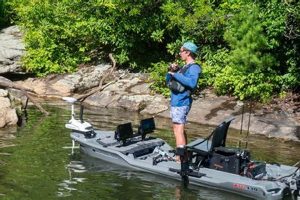
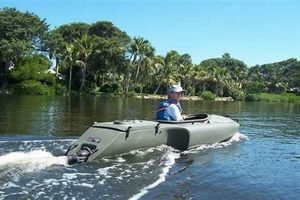
A guided angling excursion in a small, human-powered vessel offers a unique approach to experiencing the abundant marine life surrounding the Hawaiian island. This activity typically involves an experienced guide who provides equipment, including the vessel, paddles, fishing gear, and safety equipment, alongside instruction and navigation to productive fishing areas. Such excursions often cater to varying skill levels, from novice anglers to seasoned professionals.
This method of fishing provides a close-to-nature experience, allowing quiet access to shallow waters and reefs often inaccessible to larger boats. It offers a sustainable and environmentally friendly way to engage with the ocean while promoting physical activity. The practice likely evolved from traditional Hawaiian fishing techniques, adapted over time with modern materials and a focus on recreational fishing tourism. These trips contribute to the local economy, supporting small businesses and promoting sustainable tourism practices.
Further exploration of this topic will cover key aspects such as choosing the right excursion, necessary equipment and preparation, target species and fishing techniques, safety considerations, and the overall impact on the local environment and economy. This information will provide a comprehensive understanding of the activity and its significance within the broader context of Hawaiian tourism and marine conservation.
Tips for a Successful Outing
Preparation and awareness contribute significantly to a positive and productive experience. The following tips offer valuable insights for planning and executing a successful fishing trip.
Tip 1: Research and select a reputable operator. Look for experienced guides with a strong track record of safety and client satisfaction. Verify licensing and insurance coverage.
Tip 2: Check weather conditions and marine forecasts. Optimal conditions ensure a comfortable and safe trip. Be prepared for changes in weather and adjust plans accordingly.
Tip 3: Pack appropriate clothing and gear. Lightweight, quick-drying clothing, sun protection (hat, sunglasses, sunscreen), and a waterproof bag for personal items are essential.
Tip 4: Familiarize oneself with basic paddling and fishing techniques. Prior experience is beneficial, but reputable operators offer instruction for beginners. Understanding basic knots and casting techniques enhances the experience.
Tip 5: Respect marine life and the environment. Practice catch-and-release whenever possible. Adhere to local regulations and guidelines provided by the guide.
Tip 6: Stay hydrated and energized. Bring plenty of water and snacks to maintain energy levels throughout the excursion.
Tip 7: Communicate effectively with the guide. Ask questions, express any concerns, and follow instructions carefully.
Careful planning and adherence to these guidelines enhance safety and maximize the chances of a rewarding experience, ensuring a memorable encounter with the marine environment.
These preparatory steps lay the foundation for a successful outing. The following section will explore specific techniques for targeting common game fish in the region.
1. Guided fishing experience
A guided fishing experience forms an integral component of a Maui kayak fishing charter, significantly enhancing both safety and the potential for a successful catch. Experienced guides possess intimate knowledge of local waters, including prime fishing locations, optimal times for specific species, and prevailing currents or weather patterns. This localized expertise proves invaluable, particularly for those unfamiliar with the area. For example, a guide might navigate clients to a secluded reef known for its abundance of a particular fish species, increasing the likelihood of a successful outing compared to unguided exploration. The guide also provides instruction on appropriate fishing techniques and equipment, further maximizing the chances of a productive experience.
Beyond contributing to fishing success, a guided experience enhances safety. Guides are trained in water safety procedures and equipped to handle emergencies. They provide briefings on safe kayak operation, navigation, and proper handling of fishing gear. This oversight proves crucial, particularly in open ocean conditions. For instance, a guide can instruct clients on proper paddling techniques to navigate challenging currents or assist in recovering lost gear, mitigating potential risks associated with independent exploration. The guide’s presence adds an extra layer of security and allows participants to focus on enjoying the experience without undue concern for logistical challenges or unforeseen circumstances.
In essence, the guided aspect of a Maui kayak fishing charter transforms the activity from a simple fishing trip into a comprehensive and enriching experience. The guide’s expertise and focus on safety contribute significantly to the overall quality and value of the charter, offering a compelling reason to opt for guided services over independent ventures. This expert-led approach not only increases the potential for a successful catch but also ensures a safe and enjoyable experience for all participants, contributing to the overall positive perception of this unique form of Hawaiian tourism.
2. Kayak-based angling
Kayak-based angling forms the core of a Maui kayak fishing charter, distinguishing it from other fishing excursions. This method offers distinct advantages and challenges compared to boat-based fishing. The maneuverability of a kayak allows access to shallow reefs and other areas inaccessible to larger vessels, increasing the potential for encounters with specific species. For example, bonefish, often found in shallow flats, become readily targetable from a kayak. The quiet approach afforded by paddling minimizes disturbance to marine life, enhancing stealth and improving fishing prospects.
However, kayak fishing presents unique challenges. Stability and capacity limitations require careful consideration of equipment and technique. Anglers must maintain balance while casting and reeling, adapting their movements to the kayak’s dynamics. Limited storage space necessitates careful selection of essential gear. Furthermore, weather conditions play a more significant role in kayak fishing compared to boat-based excursions. Strong winds or currents can impact maneuverability and safety, requiring constant awareness and adaptability.
Understanding the nuances of kayak-based angling proves essential for a successful Maui kayak fishing charter. Recognizing the advantages of close-quarters fishing and the challenges of limited stability and capacity enables informed decision-making regarding equipment, location, and technique. Ultimately, this understanding enhances both safety and the likelihood of a successful and enjoyable experience. This specialized approach offers a distinct connection with the marine environment, setting it apart from other fishing methods and contributing to the unique appeal of a Maui kayak fishing charter.
3. Maui Location
The island of Maui provides a crucial backdrop for kayak fishing charters, influencing the experience through its unique geographical and ecological characteristics. The interplay of volcanic formations, diverse coastline, and specific marine ecosystems shapes the opportunities and challenges inherent in this activity. Understanding this interplay is fundamental to appreciating the distinct qualities of a Maui kayak fishing charter.
- Coastal Topography
Maui’s varied coastline, ranging from sheltered bays and coves to exposed volcanic cliffs, offers diverse fishing environments. Calm bays provide ideal conditions for beginners, while more experienced anglers might seek the challenges of navigating open ocean swells near rocky points. For example, the sheltered waters of West Maui offer calmer conditions ideal for beginners, while the more exposed coastline of South Maui presents opportunities for experienced anglers to target pelagic species. This varied topography caters to different skill levels and fishing preferences.
- Marine Ecosystems
The waters surrounding Maui support a rich biodiversity of marine life, creating a thriving environment for various fish species. Coral reefs, seagrass beds, and open ocean habitats provide diverse fishing grounds, each attracting specific species. For instance, the coral reefs around Molokini Crater are known for their abundance of colorful reef fish, while the deeper waters off the coast of Lahaina offer opportunities to target larger pelagic species like tuna and mahi-mahi. This ecological diversity provides anglers with a wide range of target species and fishing experiences.
- Accessibility and Infrastructure
Maui offers well-developed infrastructure for launching kayaks, with numerous public access points and dedicated launch sites. This accessibility simplifies logistical aspects, allowing operators and individuals to easily embark on fishing excursions. The presence of support services, such as equipment rentals and guided tours, further enhances accessibility. For example, many beaches along West Maui offer convenient kayak launch points, simplifying access to fishing grounds. The availability of nearby rental shops and charter services caters to both visitors and residents alike.
- Local Regulations and Conservation Efforts
Fishing regulations specific to Maui, along with ongoing conservation initiatives, contribute to the sustainable management of marine resources. Understanding local bag limits, size restrictions, and protected species is crucial for responsible fishing practices. For example, specific regulations govern the fishing of certain species, such as the popular bonefish, to ensure their population remains healthy. These regulations, combined with local conservation efforts, help maintain a balanced ecosystem and support sustainable tourism.
These factors combine to create a distinct fishing environment unique to Maui. The varied coastal topography, diverse marine ecosystems, accessible infrastructure, and focus on conservation collectively shape the opportunities and responsibilities inherent in a Maui kayak fishing charter. Appreciating these interconnected elements enhances the overall experience, promoting both responsible fishing practices and a deeper understanding of the local environment.
4. Ocean adventure

A Maui kayak fishing charter intrinsically connects with the concept of ocean adventure, offering participants an active and immersive experience within the marine environment. This adventure goes beyond simply catching fish; it encompasses exploration, physical exertion, and a close encounter with the natural world. Paddling through the ocean, navigating currents, and observing marine life from a kayak’s unique vantage point contribute to the adventurous quality of the experience. For example, encountering a pod of dolphins while paddling to a fishing spot or navigating the swells around a volcanic outcropping adds an element of excitement and unpredictability characteristic of ocean adventures. This dynamic interaction with the ocean distinguishes kayak fishing from shore-based angling or boat-based fishing trips, offering a more intimate and engaging experience.
The adventurous nature of a Maui kayak fishing charter stems from the combination of physical activity, exploration, and the inherent unpredictability of the ocean environment. Paddling a kayak requires physical exertion, providing a workout while navigating to fishing locations. Exploring hidden coves, navigating around reefs, and seeking out diverse fishing spots add an element of discovery to the experience. Furthermore, the ocean’s dynamic nature introduces an element of surprise. Unforeseen encounters with marine life, changing weather conditions, and the challenge of landing a fish from a kayak contribute to the adventurous quality of the experience. For instance, adapting to shifting winds while battling a strong-fighting fish adds an exhilarating dimension to the activity, enhancing the overall sense of adventure.
The connection between ocean adventure and a Maui kayak fishing charter enhances the appeal of this activity, attracting individuals seeking an engaging and immersive experience. The physical and exploratory aspects, combined with the element of unpredictability, create a unique and memorable adventure. Recognizing this connection allows operators to tailor their services to appeal to adventure-seeking individuals, highlighting the unique opportunities for exploration and interaction with the marine environment. Ultimately, this understanding contributes to the overall success and appeal of Maui kayak fishing charters within the broader context of ocean-based tourism.
5. Sustainable tourism
Sustainable tourism forms an increasingly important consideration within the travel industry, and Maui kayak fishing charters offer a compelling example of how this concept can be practically applied. The core principles of sustainable tourismenvironmental protection, economic viability, and social equityalign closely with the characteristics of well-managed kayak fishing operations. By minimizing environmental impact, supporting local economies, and respecting local cultures, these charters contribute to the long-term health of both the marine environment and the island community. For example, responsible operators adhere to strict catch-and-release practices, minimizing stress on fish populations and preserving the ecosystem’s integrity. This commitment to conservation directly supports the long-term viability of the fishing resource, ensuring its availability for future generations.
The connection between sustainable tourism and Maui kayak fishing charters manifests in several practical ways. Operators who prioritize sustainable practices often employ low-impact techniques, such as using non-motorized kayaks, minimizing waste generation, and educating clients about responsible fishing practices. Supporting local businesses, from equipment suppliers to local restaurants, further strengthens the link to sustainable tourism. For instance, sourcing fishing gear from local suppliers reduces transportation emissions and contributes to the local economy. Furthermore, educating clients about the importance of marine conservation fosters a sense of responsibility and encourages long-term stewardship of the environment. These practical applications demonstrate how kayak fishing charters can actively contribute to a sustainable tourism model.
The integration of sustainable tourism principles into Maui kayak fishing charters benefits both the environment and the local community. By minimizing environmental impact and maximizing economic benefits for local stakeholders, these charters contribute to a more balanced and resilient tourism model. However, challenges remain, including balancing the increasing demand for these experiences with the need to protect the fragile marine ecosystem. Addressing these challenges requires ongoing collaboration between operators, local communities, and regulatory bodies. This collaborative approach ensures that Maui kayak fishing charters remain a viable and sustainable component of the island’s tourism industry for years to come.
Frequently Asked Questions
Addressing common inquiries regarding guided kayak fishing excursions provides clarity and facilitates informed decision-making.
Question 1: What level of physical fitness is required?
While strenuous activity is not typically involved, a moderate level of fitness is recommended. Participants should be comfortable paddling for several hours and possess sufficient upper body strength for casting and reeling. Prior kayaking experience is beneficial but not mandatory, as instruction is usually provided.
Question 2: What is included in a typical charter package?
Packages typically include the kayak, paddle, fishing gear, safety equipment (life vest, whistle), and the guide’s services. Some charters may also include provisions such as water, snacks, or lunch. It is advisable to confirm specific inclusions with the chosen operator.
Question 3: What type of fish can one expect to catch?
Target species vary depending on location and season but may include bonefish, trevally, snapper, and various reef fish. Experienced guides tailor their approach based on prevailing conditions and client preferences.
Question 4: Are fishing licenses required?
Licensing requirements vary depending on local regulations. Many charter operators handle licensing logistics, while others may require participants to obtain licenses independently. Verification with the chosen operator is recommended.
Question 5: What happens in case of inclement weather?
Reputable operators prioritize safety and typically reschedule or refund trips in case of unsafe weather conditions. Monitoring marine forecasts and maintaining flexible scheduling is advisable.
Question 6: What are the typical costs associated with a charter?
Costs vary based on charter duration, inclusions, and operator. Researching various operators and comparing pricing structures allows informed budgetary decisions.
Thorough consideration of these frequently asked questions equips prospective participants with the necessary information to choose a suitable charter and prepare for a rewarding experience.
Further exploration might include detailed species information, specific fishing techniques, or testimonials from previous participants.
Conclusion
Guided angling excursions via kayak present a distinctive approach to experiencing Maui’s marine environment. This analysis has explored key aspects, including the benefits of guided expertise, the unique challenges and rewards of kayak-based angling, the influence of Maui’s specific environment, the adventurous nature of the activity, and its alignment with sustainable tourism principles. Understanding these interconnected elements provides a comprehensive perspective on the significance and appeal of this specialized form of ocean tourism.
The potential for close encounters with marine life, combined with the physical engagement and exploratory nature of kayaking, positions these charters as a compelling option for environmentally conscious travelers seeking immersive experiences. Continued emphasis on sustainable practices and responsible resource management will ensure the long-term viability of this activity, preserving its benefits for both the local community and future generations of ocean enthusiasts.