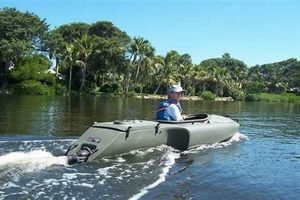
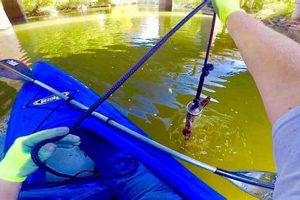
The pursuit of finned quarry from small, human-powered vessels in the waters surrounding Corolla, North Carolina, offers a unique blend of angling and exploration. This coastal town, situated on the Outer Banks, provides access to diverse ecosystems including the sound, ocean, and estuaries, each harboring distinct fish species and offering varied challenges for anglers.
Corolla’s location grants anglers the opportunity to target a wide range of species, from speckled trout and redfish in the calmer sound waters to larger pelagic fish like tuna and mahi-mahi offshore. The relatively shallow, protected waters of the sound provide an ideal environment for novice anglers, while the more challenging ocean conditions offer a rewarding experience for seasoned fishermen. This diversity, coupled with the area’s natural beauty and abundant wildlife, has established this activity as a popular recreational pursuit in the region.
This exploration will delve further into specific aspects of angling from these small craft in Corolla’s waters, covering topics such as ideal launch locations, recommended tackle and techniques, relevant regulations, and potential safety considerations. Additional information will be provided on the unique ecological characteristics of the area and the importance of conservation practices.
Tips for Angling Success in Corolla
Careful planning and preparation contribute significantly to a successful and enjoyable fishing experience from a kayak in Corolla’s waters. The following tips offer valuable insights for anglers of all skill levels.
Tip 1: Research Target Species: Understanding the habits and preferred habitats of target species is crucial. This knowledge informs tackle choices, bait selection, and optimal fishing locations.
Tip 2: Check Weather and Tide Charts: Wind, tides, and currents significantly impact kayak navigation and fishing conditions. Consulting forecasts before embarking ensures a safer and more productive trip.
Tip 3: Utilize Appropriate Safety Gear: A personal flotation device is essential. A whistle, signaling mirror, and communication device are also recommended. Informing someone of planned launch and return times is a crucial safety precaution.
Tip 4: Choose Suitable Launch Locations: Selecting a launch site appropriate for prevailing conditions and proximity to target fishing areas minimizes travel time and maximizes fishing opportunities.
Tip 5: Employ Effective Kayaking Techniques: Mastering basic paddling and maneuvering skills allows for efficient navigation and precise boat control while fishing.
Tip 6: Respect Local Regulations: Familiarization with licensing requirements, size and catch limits, and protected species ensures compliance with conservation efforts and preserves the local ecosystem.
Tip 7: Practice Catch and Release Techniques: Proper handling and release methods minimize stress on fish and promote healthy populations.
Tip 8: Pack Essential Gear: A well-stocked tackle box, appropriate fishing rods and reels, bait, and essential tools contribute to a successful and enjoyable experience.
By adhering to these guidelines, anglers can enhance their chances of success while prioritizing safety and contributing to the preservation of Corolla’s valuable aquatic resources.
This information offers a starting point for planning a rewarding kayak fishing excursion in Corolla. Further research and preparation will contribute to a safe and memorable experience.
1. Location Selection

Optimal location selection is paramount for successful kayak angling in Corolla, North Carolina. The diverse estuarine environment, ranging from the sound’s calmer waters to the dynamic ocean surf, presents distinct opportunities and challenges. Strategic location choice directly influences target species accessibility, required equipment, and overall safety. Launching near the mouth of the Currituck Sound, for example, provides access to speckled trout and flounder, while venturing further into the ocean, weather permitting, allows pursuit of king mackerel and cobia. Failing to consider launch site proximity to target species can lead to wasted time and reduced fishing success.
Several factors contribute to informed location decisions. Prevailing wind and tidal currents significantly impact kayak maneuverability and should be assessed prior to launch. Water depth and clarity also influence species presence and fishing techniques. Sheltered areas within the sound offer protection from wind and waves, making them ideal for less experienced kayakers, while more exposed areas demand advanced paddling skills and careful attention to changing weather conditions. Accessing online resources, local fishing reports, and nautical charts provides valuable insights for selecting productive and safe fishing locations.
Careful consideration of location nuances ultimately determines the success and safety of a kayak fishing excursion in Corolla. Prioritizing research and aligning location choice with target species, angler experience, and prevailing conditions maximizes the potential for a rewarding experience. Neglecting these factors can compromise safety and diminish fishing success. A well-informed location selection strategy is therefore an essential component of effective planning and execution for any kayak fishing trip in this diverse coastal region.
2. Targeted Species

The diverse fish populations inhabiting the waters surrounding Corolla, North Carolina, present kayak anglers with a wide array of targeted species. Understanding the characteristics and habitats of these species is crucial for successful angling. Matching tackle, techniques, and location to the target species significantly increases the likelihood of a productive fishing trip.
- Inshore Species
The calmer waters of the Currituck Sound and its tributaries offer excellent opportunities for targeting inshore species. Red drum, speckled trout, flounder, and striped bass are commonly sought after in these areas. These species often inhabit shallow grass flats, oyster beds, and creek mouths. Lighter tackle and lures designed for shallow-water fishing are typically effective.
- Nearshore Species
Venturing slightly further offshore from Corolla’s beaches provides access to nearshore species such as Spanish mackerel, bluefish, and cobia. These fish often congregate around nearshore reefs, wrecks, and other structures. Slightly heavier tackle and lures designed for trolling or casting are typically employed.
- Offshore Species
Experienced kayak anglers willing to venture further offshore can target pelagic species like dolphin (mahi-mahi), tuna, and wahoo. These fish require specialized tackle and techniques, and venturing offshore in a kayak requires careful planning and consideration of weather and sea conditions.
- Seasonal Considerations
The targeted species available in Corolla’s waters vary seasonally. Migratory patterns and temperature fluctuations influence the presence and activity levels of different fish. Understanding these seasonal variations allows anglers to refine their approach and maximize their chances of success. Consulting local fishing reports and guides can provide valuable insights into current seasonal trends.
Selecting the appropriate target species based on angler experience, desired level of challenge, and prevailing conditions enhances the overall kayak fishing experience in Corolla. Careful consideration of species-specific habits, habitats, and seasonal availability is essential for successful angling in this diverse coastal ecosystem.
3. Equipment Essentials

Appropriate equipment selection is paramount for a safe and successful kayak fishing experience in Corolla, North Carolina. The diverse fishing environments and target species necessitate careful consideration of essential gear. From ensuring angler safety to maximizing fishing effectiveness, the right equipment plays a crucial role in the overall experience. Understanding these essentials allows for informed decisions and contributes significantly to a productive and enjoyable outing.
- Kayak Selection
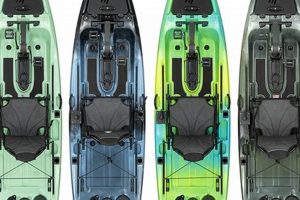
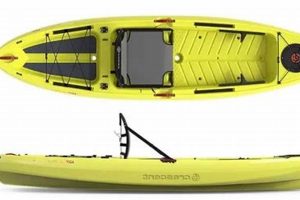
Kayak choice significantly influences maneuverability, stability, and storage capacity. Sit-on-top kayaks are generally preferred for fishing due to their self-bailing design and ease of re-entry. Longer kayaks offer increased speed and tracking for covering greater distances, while shorter kayaks provide enhanced maneuverability in tighter spaces like creeks and marshes. Weight capacity should accommodate the angler, gear, and potential catch. Specialized fishing kayaks often feature built-in rod holders, tackle storage, and anchor trolleys.
- Paddle Selection
An efficient and comfortable paddle is essential for covering distances and maneuvering effectively. Paddle length should be appropriate for the kayaker’s height and kayak width. Lightweight paddles reduce fatigue during long paddling sessions. Durable materials like fiberglass or carbon fiber offer a balance of performance and durability.
- Safety Gear
Prioritizing safety is paramount in kayak fishing. A personal flotation device (PFD) is essential and should be worn at all times. A whistle, signaling mirror, and communication device (VHF radio or cell phone in a waterproof case) are crucial for emergencies. A first-aid kit, sunscreen, and appropriate clothing for varying weather conditions are also recommended.
- Fishing Gear
Fishing gear selection depends on the target species and fishing techniques employed. Rods, reels, lines, lures, and terminal tackle should be appropriate for the species being pursued. Lighter tackle is generally suitable for inshore fishing, while heavier gear is necessary for larger offshore species. A tackle box or bag keeps gear organized and readily accessible. A landing net assists in safely retrieving fish.
Careful consideration of these equipment essentials significantly contributes to a safe and successful kayak fishing experience in Corolla. The appropriate gear enhances both angler comfort and fishing effectiveness, allowing for a more enjoyable and productive time on the water. Prioritizing safety and selecting equipment tailored to the specific fishing environment and target species is crucial for maximizing the overall experience.
4. Safety Procedures
Safe practices are paramount when kayak fishing in Corolla, North Carolina. The dynamic coastal environment presents inherent risks that necessitate careful planning and execution. Prioritizing safety ensures not only a more enjoyable experience but also mitigates potential hazards associated with open water activities. Understanding and adhering to established safety procedures is crucial for all anglers, regardless of experience level. This proactive approach minimizes potential risks and contributes significantly to a positive outcome.
- Pre-Trip Planning
Thorough pre-trip planning forms the foundation of safe kayak fishing practices. Checking weather forecasts, including wind speed and direction, wave heights, and potential storms, is essential. Informing someone of the planned launch location, intended route, and estimated return time provides an additional layer of security. Familiarizing oneself with local regulations, navigational hazards, and emergency procedures enhances preparedness. Neglecting pre-trip planning can expose anglers to unforeseen risks and compromise overall safety.
- Essential Safety Equipment
Carrying essential safety equipment is non-negotiable. A properly fitted personal flotation device (PFD) must be worn at all times. A whistle, signaling mirror, and waterproof communication device (VHF radio or cell phone in a waterproof case) are crucial for signaling in emergencies. A first-aid kit equipped to handle common injuries and a bilge pump or bailing device are also essential. Storing equipment securely within the kayak prevents loss and maintains stability. Neglecting these essential safety items can have severe consequences in the event of an unforeseen incident.
- Navigation and Awareness
Maintaining constant awareness of surroundings is crucial. Observing other vessels, navigating channels appropriately, and avoiding hazardous areas such as shallow reefs or strong currents contribute significantly to safe navigation. Understanding tidal flows and potential changes in water levels ensures preparedness for varying conditions. Carrying a nautical chart or GPS device and knowing how to use them aids in accurate navigation and reduces the risk of disorientation. Complacency in navigational practices can lead to dangerous situations, especially in changing weather conditions.
- Self-Rescue Techniques
Knowing self-rescue techniques is crucial in the event of a capsize. Practicing re-entry techniques in calm water before venturing into more challenging conditions builds confidence and preparedness. Understanding how to handle equipment and maintain composure in the event of a capsize minimizes panic and increases the likelihood of a successful self-rescue. Ignoring the importance of self-rescue skills can leave anglers vulnerable in the event of an unexpected capsize.
Implementing these safety procedures significantly reduces the risks inherent in kayak fishing in Corolla’s dynamic coastal environment. Careful planning, proper equipment, vigilant awareness, and self-rescue skills combine to create a safer and more enjoyable experience. Prioritizing safety not only protects the angler but also contributes to the overall well-being of the fishing community.
5. Tidal Influences
Tidal fluctuations exert a significant influence on kayak fishing success in Corolla, North Carolina. Understanding tidal patterns and their effects on fish behavior and habitat accessibility is crucial for anglers. The interplay of rising and falling tides shapes the coastal environment, impacting currents, water depth, and access to prime fishing locations. Effective integration of tidal knowledge into fishing strategies significantly enhances the likelihood of a productive and rewarding experience. Ignoring tidal influences can lead to missed opportunities and potentially hazardous situations.
- Currents and Fish Behavior
Tidal currents play a crucial role in determining fish behavior and feeding patterns. Moving water transports baitfish and other food sources, attracting predatory species. Understanding current direction and strength allows anglers to position themselves strategically to intercept feeding fish. During incoming tides, fish often move into shallower areas to access food sources brought in by the rising water. Conversely, outgoing tides concentrate fish in deeper channels and troughs as water recedes. Recognizing these patterns and adapting fishing techniques accordingly maximizes angling success.
- Water Depth and Accessibility
Tidal fluctuations significantly impact water depth and accessibility to various fishing grounds. Shallow flats and marshes become accessible during higher tides, providing opportunities to target species that inhabit these areas. As tides recede, these areas become inaccessible, requiring anglers to adjust their location strategy. Understanding tidal charts and predicting water levels allows for efficient navigation and access to prime fishing spots throughout the tidal cycle. Ignoring tidal changes can lead to grounding or difficulty navigating shallow areas.
- Species-Specific Tidal Preferences
Different fish species exhibit varying preferences for tidal conditions. Some species, such as red drum, are known to feed actively during moving tides, taking advantage of the increased flow of baitfish. Others, like flounder, may prefer calmer waters during slack tide periods. Researching the target species’ tidal preferences and aligning fishing strategies accordingly enhances the probability of success. Failing to consider species-specific tidal preferences can result in reduced catch rates.
- Safety Considerations related to Tides
Tidal currents can create strong flows, particularly around inlets and narrow channels. Kayak anglers must be aware of these currents and their potential impact on navigation. Strong outgoing tides can make paddling against the current challenging and potentially hazardous. Planning kayak routes with tidal flows in mind and avoiding areas with excessively strong currents enhances safety. Ignoring tidal currents can lead to dangerous situations, especially for less experienced kayakers.
Integrating tidal knowledge into kayak fishing strategies in Corolla is essential for maximizing success and ensuring safety. Understanding how tides influence fish behavior, habitat accessibility, and current patterns allows anglers to adapt their approach effectively. By aligning fishing techniques with tidal conditions and prioritizing safety considerations, kayak anglers can significantly enhance their overall experience and increase the likelihood of a productive and enjoyable fishing trip.
Frequently Asked Questions about Kayak Fishing in Corolla, NC
This section addresses common inquiries regarding kayak angling in Corolla’s waters. The information provided aims to clarify potential uncertainties and enhance angler preparedness.
Question 1: What are the most common fish species targeted by kayak anglers in Corolla?
Common targets include red drum, speckled trout, flounder, striped bass, Spanish mackerel, bluefish, and cobia. Species availability varies seasonally.
Question 2: Are there specific license requirements for kayak fishing in Corolla?
A valid North Carolina Coastal Recreational Fishing License is required for anglers age 16 and older. Regulations and licensing information can be found on the North Carolina Wildlife Resources Commission website.
Question 3: What are the recommended launch sites for kayak fishing in Corolla?
Launch site selection depends on target species and prevailing conditions. The Currituck Sound offers numerous public boat ramps and access points. Ocean launches require careful consideration of surf conditions and should only be attempted by experienced kayakers.
Question 4: What safety precautions should kayak anglers take in Corolla?
Wearing a personal flotation device (PFD), carrying a whistle and signaling device, checking weather forecasts, informing someone of trip plans, and understanding self-rescue techniques are crucial safety precautions.
Question 5: What is the best time of year for kayak fishing in Corolla?
Fishing opportunities exist year-round, but specific species availability varies seasonally. Spring and fall generally offer favorable conditions for a variety of inshore and nearshore species. Summer can provide opportunities for offshore pelagic fishing.
Question 6: Are guided kayak fishing tours available in Corolla?
Several local outfitters offer guided kayak fishing tours, providing expert instruction and enhancing the overall experience, especially for novice anglers or those unfamiliar with the area.
Careful consideration of these frequently asked questions enhances angler preparedness and contributes to a safer and more productive kayak fishing experience in Corolla. Additional research and consultation with local resources are always recommended.
For further exploration of specific aspects of kayak fishing in Corolla, continue to the next section.
Kayak Fishing Corolla, NC
This exploration has provided a comprehensive overview of angling from kayaks in the waters surrounding Corolla, North Carolina. Key aspects, including location selection, targeted species, necessary equipment, essential safety procedures, and the significant influence of tides, have been examined. The information presented emphasizes the importance of preparation, knowledge, and respect for the environment to ensure both a productive and safe experience. Successful angling in this region requires a thoughtful approach that integrates these elements effectively.
The unique combination of diverse ecosystems and abundant fish populations establishes Corolla as a prime destination for this activity. However, the dynamic nature of the coastal environment necessitates a commitment to responsible angling practices. Continued conservation efforts and adherence to established regulations are crucial for preserving these valuable resources for future generations. Anglers are encouraged to actively contribute to the stewardship of this exceptional natural environment, ensuring its continued vitality and the enduring enjoyment of kayak fishing in Corolla.