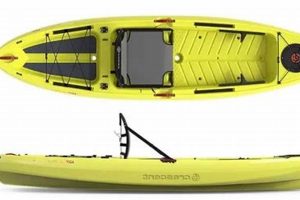
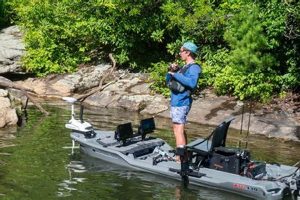
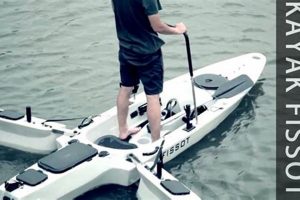
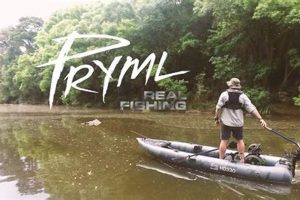
A specialized vessel designed for angling, this type of watercraft combines stability, maneuverability, and features tailored to the needs of anglers. These often include rod holders, storage compartments for tackle and gear, and even specialized seating designed for long hours on the water. For instance, a specific model might boast a stand-up platform for sight fishing or extra-wide beams for enhanced stability.
This style of watercraft offers significant advantages for fishing enthusiasts. Enhanced access to shallow waters, quiet operation for stealthy approaches, and hands-free fishing enabled by specialized features contribute to a more productive and enjoyable angling experience. Historically, fishing from small, human-powered boats has been a common practice. Modern designs, however, leverage advanced materials and engineering principles to maximize performance and comfort. This evolution has made angling from these specialized vessels increasingly popular among both recreational and serious fishermen.
Further exploration will delve into specific design features, materials, and popular models, providing a comprehensive guide for selecting the right craft for individual needs and preferences. Additional topics include essential safety equipment, paddling techniques, and responsible angling practices.
Tips for Effective Kayak Fishing
Successful angling from a kayak requires careful planning and execution. The following tips offer guidance for maximizing efficiency and enjoyment on the water.
Tip 1: Prioritize Stability: Vessel stability is paramount, especially when standing or casting. Consider wider hulls and lower centers of gravity for enhanced balance.
Tip 2: Master Paddle Techniques: Efficient paddling conserves energy and allows for precise maneuvering. Practice various strokes for navigating different water conditions.
Tip 3: Organize Tackle Strategically: Accessible and well-organized tackle is crucial for quick bait changes and lure retrievals. Utilize storage compartments and tackle boxes effectively.
Tip 4: Utilize Anchoring Systems: Maintaining position in currents or wind requires a reliable anchoring system. Consider anchor trolleys or stake-out poles for optimal control.
Tip 5: Prioritize Safety Gear: Always wear a personal flotation device and carry essential safety equipment, including a whistle, signaling device, and first-aid kit. Check local regulations for additional requirements.
Tip 6: Understand Water Conditions: Before embarking, assess wind speeds, currents, and tides. Avoid hazardous conditions and be prepared for changing weather patterns.
Tip 7: Practice Catch and Release Techniques: Promote conservation by employing proper catch and release techniques. Minimize handling time and use appropriate tools for hook removal.
By adhering to these guidelines, anglers can improve their chances of success and ensure a safe and rewarding experience on the water.
These tips represent foundational knowledge for effective kayak angling. The next section will explore advanced techniques and specialized equipment for further enhancing fishing proficiency.
1. Stability

Stability represents a critical performance attribute in fishing kayaks, directly influencing angling effectiveness and safety. A stable platform permits anglers to stand comfortably, cast accurately, and fight fish effectively without compromising balance. This stability derives from factors such as hull design, width, and center of gravity. Wider hulls generally offer greater initial stability, resisting tipping, while a lower center of gravity enhances secondary stability, crucial for recovery from larger disturbances. Consider a kayak angler battling a strong current while simultaneously attempting to land a sizable fish; a stable vessel is essential for maintaining control and preventing capsizing. Conversely, a less stable kayak significantly increases the risk of tipping, especially during dynamic movements like casting or retrieving.
Several design elements contribute to enhanced stability. Flat-bottomed hulls provide excellent initial stability, ideal for calm waters. Pontoon-style hulls offer exceptional stability, even in challenging conditions, often at the expense of maneuverability. Catamaran designs, featuring two parallel hulls, deliver impressive stability comparable to pontoon hulls while retaining enhanced maneuverability. Understanding the nuances of these designs allows anglers to select the most appropriate hull type based on intended fishing environments and personal preferences. For example, a kayak angler frequently fishing in open, choppy water would prioritize stability offered by a pontoon or catamaran hull over the maneuverability of a V-shaped hull better suited for rivers and streams.
Prioritizing stability in a fishing kayak significantly enhances safety and angling performance. This understanding allows for informed decisions regarding hull design and features, ultimately leading to a more secure and enjoyable fishing experience. The interplay between stability and other performance characteristics like maneuverability and speed necessitates careful consideration based on individual angling needs and the specific aquatic environments being fished. Next, we’ll examine the importance of maneuverability in different fishing scenarios.
2. Maneuverability

Maneuverability in a fishing kayak directly impacts an angler’s ability to navigate diverse water environments and access prime fishing locations. Precise and responsive handling allows for efficient movement through complex waterways, whether negotiating tight bends in a winding creek, approaching structure in shallow water, or positioning effectively in moving current. This characteristic becomes particularly crucial when targeting specific fish species that inhabit confined areas or require precise boat control for successful angling.
- Tracking and Turning Performance
Tracking refers to a kayak’s ability to maintain a straight course with minimal paddling input, while turning performance dictates how efficiently it changes direction. A kayak with excellent tracking conserves energy during long paddles, while responsive turning facilitates swift adjustments to changing conditions or pursuing fish. For example, tracking is crucial when traversing open water, while nimble turning is essential for maneuvering around submerged logs or quickly repositioning for a hookset.
- Hull Design Influence
Hull design significantly influences maneuverability. Shorter kayaks generally turn more quickly, while longer kayaks tend to track better. V-shaped hulls provide efficient tracking in open water but can feel less stable, whereas flatter hulls offer enhanced maneuverability in shallows and tight spaces, though they may compromise tracking in open water. The choice depends on the primary fishing environment; a shorter, flatter hull excels in shallow creeks, while a longer, V-shaped hull suits larger lakes or open bays.
- Impact of Water Conditions
Water conditions such as current and wind significantly affect maneuverability. Strong currents necessitate a kayak that can maintain position and turn effectively against the flow. Wind can drastically impact tracking and require adjustments in paddling technique or the use of a rudder or skeg. Anglers frequently fishing in windy conditions benefit from kayaks designed to minimize wind drift. Conversely, calmer conditions allow for greater flexibility in hull design choices.
- Relationship with Stability
Maneuverability and stability often present a trade-off. Highly maneuverable kayaks might sacrifice some stability, while extremely stable platforms can be less responsive. Finding the right balance depends on the angler’s preferences and intended fishing style. A stand-up angler prioritizes stability, potentially accepting slightly reduced maneuverability, while an angler focused on navigating tight, shallow creeks might prioritize maneuverability over absolute stability.
Considering these interconnected factorstracking and turning, hull design, water conditions, and the balance with stabilityallows anglers to make informed decisions when selecting a fishing kayak that aligns with their specific needs and target fishing environments. Optimizing maneuverability contributes significantly to angling success, ensuring efficient navigation, precise boat control, and ultimately, improved access to prime fishing spots. Next, we’ll delve into the importance of storage capacity and its impact on a successful fishing trip.
3. Storage Capacity

Ample and well-designed storage capacity is a defining characteristic of a fishing kayak optimized for extended trips and diverse fishing styles. Efficient organization and readily accessible gear contribute significantly to a streamlined and productive angling experience, minimizing disruptions and maximizing time on the water. Whether carrying an array of lures, extra rods, or essential safety equipment, adequate storage directly impacts an angler’s preparedness and overall success.
- Types of Storage
Fishing kayaks offer various storage solutions, including dedicated compartments, hatches, tank wells, and integrated storage pockets. Each type serves a specific purpose, accommodating different gear sizes and accessibility requirements. For example, a large rear tank well might hold a crate or tackle box, while smaller hatches near the cockpit provide quick access to frequently used items like lures or pliers. Rod holders, both flush-mounted and adjustable, further enhance organization and keep rods secure during transit and fishing. The strategic use of these diverse storage options ensures efficient gear management and maximizes deck space.
- Capacity and Weight Considerations
The overall storage capacity directly impacts how much gear an angler can comfortably and safely carry. Weight distribution within the kayak also affects stability and performance. Overloading a kayak compromises stability and maneuverability, potentially creating safety hazards. Understanding the kayak’s weight capacity and distributing gear evenly are crucial for maintaining optimal performance. Experienced anglers carefully consider weight limits and prioritize essential gear to avoid exceeding capacity and compromising stability.
- Accessibility and Organization
Efficient organization and easy access to gear are critical for a smooth and productive fishing experience. Well-designed storage systems minimize time spent searching for specific items, allowing anglers to focus on fishing. Features like tackle trays, dividers, and labeled compartments enhance organization and allow for quick retrieval of necessary equipment, whether a specific lure, a spare reel, or essential safety gear. This streamlined access significantly improves efficiency and reduces disruptions during fishing.
- Material and Durability
Storage compartments constructed from durable, waterproof materials protect gear from the elements and ensure longevity. High-quality hatches and seals prevent water intrusion, safeguarding sensitive electronics, tackle, and other essential items. Durable storage systems withstand the rigors of repeated use and exposure to various weather conditions, maintaining functionality and preserving the integrity of stored gear. This durability contributes to the overall reliability and longevity of the fishing kayak.
The strategic integration of ample, accessible, and durable storage solutions significantly enhances the overall functionality and effectiveness of a fishing kayak. By optimizing storage capacity and organization, anglers can maximize preparedness, streamline their fishing experience, and focus on the pursuit of their target species. These considerations, combined with a thorough understanding of hull design, stability, and maneuverability, contribute to selecting the ideal fishing kayak for individual needs and preferences.
4. Specialized Features

Specialized features distinguish fishing kayaks from recreational models, optimizing performance and enhancing the angling experience. These purpose-built additions cater specifically to the needs of anglers, increasing efficiency, comfort, and overall success on the water. Understanding these features and their respective functionalities is crucial for selecting the right kayak for individual fishing styles and target species.
- Rod Holders
Rod holders, a fundamental feature in fishing kayaks, secure rods during paddling, allowing for hands-free operation and quick access when a fish strikes. Various types exist, including flush-mounted, adjustable, and rotating holders. Flush-mounted holders offer a streamlined profile but limit adjustability. Adjustable holders provide flexibility for different rod angles and fishing techniques. Rotating holders allow for quick rod repositioning and facilitate trolling. The number and type of rod holders influence an angler’s ability to employ diverse fishing techniques and manage multiple lines simultaneously. A kayak angler targeting multiple species might prioritize a combination of holder types to accommodate different rod setups.
- Fish Finders and Electronics Mounts
Fish finders and GPS units provide critical underwater intelligence, revealing water depth, bottom structure, and fish locations. Integrated mounting systems accommodate these electronics, offering convenient viewing angles and secure placement. Transducer scuppers or through-hull wiring ports simplify installation and maintain a clean deck layout. These technological integrations enhance angling efficiency by identifying promising fishing areas and improving the likelihood of success. An angler seeking offshore species benefits significantly from a fish finder capable of identifying deep-water structures.
- Livewells and Bait Tanks
Livewells and bait tanks maintain the health and viability of live bait, a critical component of many fishing techniques. Integrated aeration systems and dedicated plumbing keep bait fresh and active, increasing its effectiveness in attracting fish. These features are essential for anglers who rely on live bait presentations, ensuring a readily available supply throughout the fishing trip. Anglers targeting specific species requiring live bait, such as bass or walleye, benefit significantly from these integrated systems.
- Anchor Trolleys and Stake-Out Systems
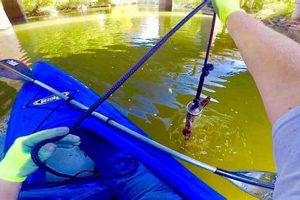
Anchor trolleys and stake-out systems enable precise boat positioning, crucial for maintaining location in current or wind. Anchor trolleys allow for controlled drifting and adjusting the anchor position from the cockpit, while stake-out systems are effective in shallow water environments. These features enhance fishing efficiency by enabling anglers to remain stationary in prime locations. An angler fishing in a river with a strong current utilizes these systems to maintain position relative to structure or cover.
These specialized features, thoughtfully integrated into a fishing kayak, contribute significantly to its effectiveness and overall angler experience. Rod holders, electronics mounts, livewells, and anchoring systems represent just a few examples of the tailored adaptations available to enhance fishing performance. The strategic selection of these features based on individual fishing styles and target species transforms a standard kayak into a dedicated fishing platform optimized for success. Consideration of these specialized features, alongside core attributes like stability and maneuverability, ensures a fully informed decision when selecting a fishing kayak tailored to specific angling needs.
5. Durability
Durability is paramount for a fishing kayak designed for serious use, ensuring it withstands the rigors of diverse aquatic environments and frequent usage. A robust construction translates to a longer lifespan, reduced maintenance, and consistent performance, allowing anglers to focus on fishing rather than equipment concerns. This discussion explores the key facets contributing to a fishing kayak’s durability and their significance for long-term reliability.
- Material Selection
The choice of material significantly impacts a kayak’s resistance to impact, abrasion, and UV degradation. High-density polyethylene (HDPE) offers excellent impact resistance and durability, making it a popular choice for fishing kayaks. Thermoformed ABS provides increased rigidity and a sleek finish but can be more susceptible to scratches. Composite materials, like fiberglass or carbon fiber, offer superior strength and lighter weight, but come at a premium cost. Selecting the appropriate material depends on the intended usage and budget; an angler frequently navigating rocky rivers prioritizes HDPE’s impact resistance, while those seeking lighter weight might opt for composites despite the higher cost.
- Construction Methods
Construction methods influence the overall structural integrity of the kayak. Rotomolding, a common process for HDPE kayaks, creates a seamless, one-piece hull with uniform thickness. Thermoforming, used for ABS kayaks, involves molding sheets of plastic over a mold, resulting in a lighter but potentially less durable hull. Composite kayaks are constructed by layering fibers and resin, producing a strong and lightweight structure. Understanding these methods allows anglers to evaluate a kayak’s potential resistance to stress and long-term durability. A rotomolded kayak excels in impact resistance, suitable for challenging environments, while a thermoformed kayak might be preferable for calmer waters where weight is a primary concern.
- Hardware and Fittings
High-quality hardware, including hatches, latches, and deck fittings, contributes significantly to the kayak’s overall durability. Marine-grade stainless steel components resist corrosion in saltwater environments. Reinforced hatch covers and robust latches prevent water intrusion and secure gear. Durable deck rigging and well-placed handles facilitate carrying and handling the kayak. The quality and construction of these components directly impact the kayak’s longevity and ability to withstand repeated use. An angler fishing primarily in saltwater prioritizes corrosion-resistant hardware to ensure long-term functionality and minimize maintenance.
- UV Resistance
Exposure to sunlight can degrade kayak materials, causing fading, cracking, and reduced strength. UV-resistant coatings and additives protect against sun damage, extending the lifespan of the kayak. Proper storage and maintenance further minimize UV exposure and preserve the kayak’s appearance and structural integrity. Anglers who frequently fish in sunny climates prioritize UV protection to maintain the kayak’s structural integrity and prevent premature aging. Regular cleaning and application of UV protectants further enhance the kayak’s resistance to sun damage.
The durability of a fishing kayak is a critical factor influencing its long-term value and performance. Careful consideration of material selection, construction methods, hardware quality, and UV resistance ensures a robust and reliable vessel capable of withstanding the demands of frequent use in various environments. By prioritizing these aspects, anglers invest in a kayak that provides years of reliable service, allowing them to focus on the enjoyment of fishing without concerns about equipment failure. This understanding of durability, in conjunction with an assessment of performance characteristics like stability and maneuverability, empowers anglers to make informed purchasing decisions aligned with their individual needs and fishing preferences.
6. Comfort
Comfort in a fishing kayak directly influences an angler’s endurance, focus, and overall enjoyment on the water. Extended fishing trips require a comfortable seating system and ergonomic design to minimize fatigue and maximize time spent actively fishing. Discomfort can detract from the experience, hindering performance and potentially curtailing outings. This exploration delves into key comfort features that contribute to a more enjoyable and productive fishing experience.
- Seating Design and Adjustability
The seat plays a pivotal role in overall comfort. A well-designed seat provides adequate support, cushioning, and adjustability to accommodate individual preferences and body types. Features like adjustable backrests, lumbar support, and breathable fabrics enhance comfort during long hours on the water. High-back seats offer increased support, while adjustable seating systems allow anglers to fine-tune their position for optimal comfort and paddling efficiency. An angler with back problems, for instance, benefits significantly from a kayak seat with adjustable lumbar support. Proper seating reduces fatigue and allows for sustained focus on fishing, crucial for a successful and enjoyable outing.
- Legroom and Cockpit Design
Ample legroom and a well-designed cockpit contribute to comfort and mobility within the kayak. Sufficient space allows anglers to change positions, stretch their legs, and maintain proper circulation during extended trips. A spacious cockpit also facilitates entry and exit from the kayak. Adjustable footrests or foot braces further enhance comfort and provide leverage for paddling. Anglers with longer legs benefit from kayaks with extended cockpit dimensions and adjustable footrests. This freedom of movement reduces cramping and fatigue, allowing for greater comfort and sustained fishing activity.
- Deck Padding and Layout
Deck padding provides a comfortable and non-slip surface for standing, casting, and moving around the kayak. Strategic placement of padding minimizes fatigue and improves stability. A well-designed deck layout maximizes space and provides easy access to essential gear and equipment. Recessed areas or molded-in footwells further enhance comfort and stability while standing. Anglers who prefer stand-up fishing benefit from ample padding and a stable deck platform. This added comfort and stability allows for greater freedom of movement and enhanced fishing performance.
- Carrying Handles and Accessories
Ergonomically designed carrying handles and strategically placed accessories contribute to overall comfort and convenience. Comfortable handles facilitate transporting the kayak to and from the water. Integrated accessory mounting systems allow for customization with items like cup holders, rod leashes, and camera mounts, enhancing convenience and personalization. These thoughtful additions minimize strain during transport and improve the overall fishing experience. Anglers who frequently transport their kayaks benefit from well-placed, comfortable handles and a system for securing essential gear during transport. These seemingly small details significantly impact overall enjoyment and reduce the physical strain associated with transporting and handling the kayak.
Comfort considerations play a crucial role in maximizing enjoyment and effectiveness during fishing kayak outings. Selecting a kayak with a comfortable seating system, ample legroom, well-designed deck padding, and convenient carrying handles enhances the overall fishing experience. These comfort features, combined with considerations of stability, maneuverability, and specialized features, empower anglers to select the ideal kayak tailored to their individual needs and preferences. Prioritizing comfort ensures longer, more enjoyable fishing trips and contributes to a greater appreciation of time spent on the water.
7. Propulsion
Propulsion systems significantly influence a fishing kayak’s performance, affecting speed, efficiency, and maneuverability. The choice of propulsion directly impacts an angler’s ability to cover water, access desired fishing locations, and conserve energy throughout the fishing trip. Different propulsion methods offer distinct advantages and disadvantages, necessitating careful consideration based on individual fishing styles, target environments, and physical capabilities.
- Paddle Propulsion
Traditional paddle propulsion offers simplicity, affordability, and quiet operation, advantageous for stealthy approaches and navigating shallow or vegetated areas. Paddle selection factors include blade shape, shaft length, and material. A longer, narrower blade provides efficient cruising, while a shorter, wider blade offers greater power for maneuvering. Proper paddling technique is crucial for maximizing efficiency and minimizing fatigue. While paddle propulsion requires physical exertion, it offers excellent control and maneuverability, particularly valuable in tight spaces or challenging currents. This method remains a popular choice for anglers seeking a versatile and cost-effective propulsion system.
- Pedal Propulsion
Pedal-powered kayaks utilize either fins or propeller systems driven by leg motion. This hands-free propulsion allows anglers to maintain constant speed, cover greater distances, and focus on fishing rather than paddling. Fin-driven systems offer shallow-water capabilities and weedless operation, advantageous in specific environments. Propeller systems provide greater speed and efficiency in open water. While pedal kayaks typically command a higher price, they offer significant advantages in terms of speed, endurance, and hands-free fishing. This propulsion method suits anglers covering larger distances or requiring sustained speed for trolling.
- Motorized Propulsion
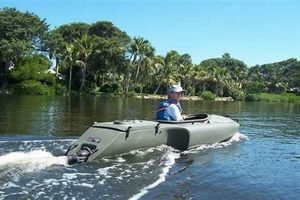
Electric motors offer increased speed and range, allowing anglers to access distant fishing grounds quickly and effortlessly. Trolling motors provide precise speed control and are well-suited for slow trolling techniques. Larger outboard motors enable rapid travel across open water. Battery life and weight considerations are important factors when choosing a motorized system. Motorized propulsion significantly expands the range and capabilities of a fishing kayak, enabling access to areas beyond the reach of paddle or pedal power. However, the added cost, weight, and potential noise of motorized systems should be carefully considered. This method is ideal for anglers targeting larger bodies of water or requiring extended range.
- Sail Propulsion
Sail-powered kayaks utilize wind energy for propulsion, offering a unique and environmentally friendly approach. Sailing kayaks typically feature a retractable sail and specialized rigging. While wind conditions dictate speed and direction, sail propulsion offers a relaxing and efficient mode of travel, particularly in open water environments with consistent winds. Learning to sail a kayak requires specialized knowledge and skills. This method offers a unique and efficient way to harness natural forces for propulsion, particularly appealing to anglers seeking a minimalist and eco-conscious approach. However, its dependence on wind conditions limits its practicality in certain environments.
The choice of propulsion system significantly impacts the overall performance and functionality of a slayer fishing kayak. Each methodpaddle, pedal, motor, and sailpresents distinct advantages and disadvantages that should be carefully evaluated based on individual fishing preferences, target environments, and budgetary constraints. Understanding the nuances of each propulsion system empowers anglers to select the most effective method for maximizing their fishing experience and achieving their angling goals. The optimal choice balances speed, efficiency, maneuverability, and cost considerations to create a fully optimized fishing platform.
Frequently Asked Questions
This section addresses common inquiries regarding specialized fishing kayaks, providing concise and informative responses to facilitate informed decision-making.
Question 1: What differentiates a specialized fishing kayak from a recreational model?
Specialized fishing kayaks incorporate features tailored to angling, such as rod holders, tackle storage, anchor systems, and specialized seating. These features enhance fishing functionality and overall on-the-water performance compared to standard recreational kayaks.
Question 2: How does hull design influence stability and maneuverability?
Wider, flatter hulls generally offer greater stability, while longer, V-shaped hulls enhance tracking and speed. Specific hull designs cater to different fishing environments and styles, requiring careful consideration based on individual needs.
Question 3: What propulsion methods are available for fishing kayaks?
Common propulsion methods include paddling, pedal drives, and electric motors. Each method offers distinct advantages and disadvantages regarding speed, maneuverability, and cost, influencing suitability for specific fishing environments and angler preferences.
Question 4: What safety considerations are essential for kayak fishing?
Wearing a personal flotation device (PFD) is paramount. Additional safety measures include carrying a whistle, signaling device, first-aid kit, and checking weather conditions before embarking. Adherence to local regulations and responsible boating practices further enhance safety.
Question 5: How does one choose the appropriate size and weight capacity for a fishing kayak?
Kayak size and weight capacity should align with the angler’s body weight, gear requirements, and intended fishing environment. Exceeding the recommended capacity compromises stability and performance, while an undersized kayak might lack sufficient storage or tracking capabilities.
Question 6: What maintenance is required for a fishing kayak?
Regular rinsing with fresh water after each use, especially in saltwater environments, helps prevent corrosion and material degradation. Proper storage, protected from sunlight and extreme temperatures, further extends the kayak’s lifespan. Periodic inspection of hardware and fittings ensures continued functionality and safety.
Understanding these fundamental aspects of specialized fishing kayaks empowers informed purchasing decisions and promotes safe and enjoyable angling experiences. Addressing these common inquiries provides a solid foundation for selecting the appropriate vessel and equipment.
The subsequent section delves into advanced techniques and specialized equipment to further enhance fishing proficiency from a kayak.
Slayer Fishing Kayak
This exploration has provided a comprehensive overview of the specialized fishing kayak, encompassing key aspects from design and construction to propulsion and specialized features. Understanding the interplay between stability, maneuverability, storage capacity, and comfort empowers informed decision-making, enabling anglers to select the ideal vessel tailored to individual needs and target fishing environments. Furthermore, an appreciation for the importance of durability, appropriate propulsion systems, and specialized features contributes significantly to optimizing on-the-water performance and maximizing angling success.
The evolution of the fishing kayak reflects a continuous pursuit of enhanced angling experiences. As technology advances and design innovations emerge, the potential for further refinement and specialization remains vast. A thorough understanding of these specialized vessels equips anglers with the knowledge necessary to navigate the diverse landscape of available options and make informed decisions that ultimately enrich time spent on the water. The pursuit of the perfect fishing kayak represents an ongoing journey, driven by a passion for angling and a desire to connect with the aquatic world.