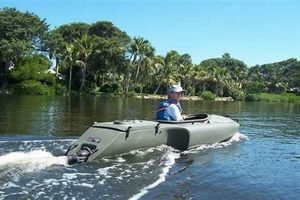
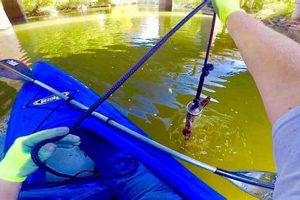
Constructing a personalized watercraft for angling offers a unique opportunity to tailor its design and features to individual needs and preferences. This process involves selecting appropriate materials, assembling the components, and outfitting the finished product with specialized fishing accessories. An example would be crafting a lightweight kayak with ample storage for tackle and gear, specifically configured for maneuverability in shallow rivers.
A custom-built fishing vessel allows for complete control over stability, load capacity, and on-the-water performance. This bespoke approach can result in a craft perfectly suited to specific fishing styles and target species, often at a lower cost than commercially available options. Historically, kayak building has been a tradition in various cultures, utilizing readily available materials. Modern techniques and materials now offer greater design flexibility and durability, revitalizing this practice for the contemporary angler.
This article will explore the key aspects of kayak construction, including material selection, design considerations, assembly techniques, and outfitting options. Further discussion will delve into the advantages and challenges of this rewarding endeavor, providing a comprehensive guide for anyone considering undertaking such a project.
Tips for Kayak Construction
Careful planning and execution are crucial for a successful kayak building project. These tips offer guidance for various stages of the process.
Tip 1: Material Selection: Choosing the right materials is paramount. Marine-grade plywood offers a balance of durability and affordability, while more advanced composites like fiberglass or Kevlar provide enhanced performance but require specialized skills.
Tip 2: Accurate Measurements: Precise measurements are essential for a proper fit and structural integrity. Double-checking all dimensions before cutting or assembling any components is highly recommended.
Tip 3: Proper Tooling: Investing in appropriate tools, such as clamps, saws, and sanding equipment, will significantly improve the quality of the finished product and simplify the construction process.
Tip 4: Test Fitting: Regularly test-fitting components throughout the build ensures a proper fit and allows for adjustments before final assembly. This can prevent costly mistakes and rework later.
Tip 5: Sealing and Finishing: Thorough sealing and finishing are crucial for protecting the kayak from water damage and ensuring longevity. Multiple coats of marine-grade sealant and varnish are essential.
Tip 6: Safety Precautions: Appropriate safety gear, such as eye protection, gloves, and respirators, should be worn throughout the construction process, especially when working with resins and fiberglass.
Tip 7: Research and Planning: Thorough research and detailed plans are fundamental to a successful outcome. Studying various designs and techniques before starting the project can prevent common pitfalls.
Tip 8: Consider a Kit: For novice builders, a kayak kit can simplify the process and provide pre-cut components and detailed instructions, reducing the complexity of the project.
Adhering to these guidelines will significantly enhance the quality and durability of the finished kayak, ensuring a rewarding and enjoyable experience on the water.
By following these tips and maintaining attention to detail, a well-constructed and personalized fishing kayak can be achieved, ready to meet the demands of any angling adventure.
1. Planning

Planning forms the cornerstone of a successful kayak building project. A well-structured plan mitigates potential challenges and ensures efficient use of resources. This crucial preparatory phase encompasses several key aspects: meticulous design selection based on intended usage (e.g., calm lakes versus swift rivers), comprehensive material acquisition considering budget and performance requirements (e.g., wood versus composites), and detailed timeline development accounting for each construction stage. A practical example involves researching various kayak designs, evaluating their stability and maneuverability characteristics, and selecting a design appropriate for the intended fishing environment. Neglecting adequate planning often results in costly rework, material wastage, and project delays.
Further planning considerations include workspace organization, tool acquisition, and safety precaution implementation. A dedicated, well-ventilated workspace with ample lighting enhances efficiency and safety. Acquiring necessary tools beforehand, such as clamps, saws, and sandpaper, prevents workflow disruptions. Prioritizing safety measures, including eye protection, gloves, and dust masks, safeguards against potential hazards associated with handling materials like fiberglass and epoxy resins. For instance, preemptively gathering essential tools and safety equipment ensures smooth progression through each construction phase, minimizing interruptions and maximizing safety.
In summary, meticulous planning is indispensable for a successful kayak building endeavor. This foundational stage, encompassing design selection, material acquisition, timeline development, workspace organization, tool preparation, and safety considerations, significantly impacts the project’s overall efficiency, cost-effectiveness, and safety. A well-defined plan streamlines the construction process, minimizes potential issues, and contributes significantly to a satisfying and rewarding outcome. Challenges such as unexpected material costs or construction difficulties can be effectively addressed through comprehensive planning, ultimately contributing to a successful and enjoyable kayak building experience.
2. Design

Design represents a critical element within kayak construction, profoundly influencing the vessel’s performance, stability, and suitability for specific fishing styles. Hull design dictates water displacement, impacting speed, maneuverability, and tracking. A longer, narrower hull favors speed and efficient paddling in open water, while a shorter, wider hull prioritizes stability and maneuverability in rivers or shallow areas. Consider a kayak intended for offshore fishing; a longer hull design with a V-shaped bottom enhances speed and wave-cutting ability, while a kayak designed for river fishing benefits from a shorter, flatter hull for increased maneuverability around obstacles.
Beyond hull shape, design considerations extend to deck layout and features. Placement of seating, storage compartments, and rod holders affects balance, accessibility, and overall fishing functionality. A sit-on-top design offers superior stability and ease of entry/exit, advantageous for anglers frequently casting or entering/exiting the water. Conversely, a sit-inside design provides better protection from the elements and increased storage capacity, suitable for colder climates or longer expeditions. For example, integrating recessed rod holders and strategically positioned storage compartments enhances fishing efficiency and organization, minimizing clutter and maximizing space utilization.
Design choices directly impact the kayak’s performance characteristics and suitability for specific fishing environments. A well-designed kayak seamlessly integrates form and function, maximizing efficiency, comfort, and angling success. Understanding the interplay between design elements, intended usage, and target fishing environment is crucial for a successful build. Careful consideration of these design principles ultimately results in a personalized fishing kayak optimized for individual needs and preferences, enhancing the overall angling experience. The design phase represents a pivotal step, translating the angler’s vision into a functional and effective fishing platform.
3. Construction
Construction represents the pivotal phase where design blueprints transform into a tangible fishing kayak. This stage demands meticulous attention to detail, precise execution, and adherence to best practices. The construction process directly impacts the vessel’s structural integrity, durability, and overall performance on the water. A well-executed construction phase ensures a robust and reliable craft capable of withstanding the rigors of the fishing environment.
- Hull Assembly:
Hull assembly involves joining pre-cut panels or shaping a hull from a single sheet of material. Accuracy in this stage is paramount for proper hull shape and structural integrity. Methods vary depending on the chosen material, from stitching and gluing plywood panels to layering fiberglass cloth over a mold. Precise alignment and secure bonding are crucial for a watertight and durable hull. For instance, in stitch-and-glue plywood construction, copper wire stitches temporarily hold panels together while epoxy cures, creating a strong and waterproof bond.
- Deck Construction:
Deck construction creates the top surface of the kayak, providing structural support and a platform for seating, storage, and other features. Similar construction techniques used for the hull apply to the deck, ensuring a cohesive and robust structure. Properly sealing deck seams and hatches prevents water intrusion and maintains buoyancy. Integrating deck features, such as hatches and rigging mounts, enhances functionality and customization options. For example, strategically placed hatches provide access to internal storage compartments for gear and equipment.
- Sealing and Finishing:
Sealing and finishing protect the kayak from water damage and enhance its longevity. Applying multiple coats of marine-grade sealant and varnish creates a waterproof barrier, preventing rot, delamination, and other structural issues. Proper surface preparation, including sanding and cleaning, ensures optimal sealant adhesion. This protective layer safeguards the kayak from the harsh marine environment, extending its lifespan. For instance, applying a UV-resistant varnish protects the kayak’s finish from sun damage, preserving its appearance and structural integrity over time.
- Outfitting and Rigging:
Outfitting and rigging involve installing hardware and accessories to enhance the kayak’s functionality for fishing. This includes adding rod holders, paddle clips, anchor systems, and other specialized fishing features. Properly securing these components to the kayak’s structure ensures their reliability and prevents damage during use. Strategic placement of these elements optimizes fishing efficiency and comfort. For example, installing adjustable rod holders allows anglers to customize their fishing setup based on target species and fishing techniques.
These interconnected construction phases culminate in a fully functional fishing kayak tailored to individual needs and preferences. Each step, from hull assembly to outfitting, contributes to the final product’s performance, durability, and overall fishing experience. A well-constructed kayak provides a stable and reliable platform for anglers to pursue their passion, seamlessly integrating design and functionality for optimal on-the-water performance.
4. Outfitting

Outfitting represents the transformative stage where a basic kayak hull evolves into a specialized fishing vessel. This crucial process tailors the kayak to individual angling needs and preferences, enhancing functionality and on-the-water performance. Outfitting decisions significantly impact fishing efficiency, comfort, and overall success. A well-outfitted kayak provides a seamless and intuitive fishing experience, maximizing enjoyment and productivity on the water.
- Rod Holders
Rod holders are fundamental outfitting components, providing secure storage and quick access to fishing rods. Various types exist, including flush-mounted, adjustable, and rotating models. Choosing appropriate rod holders depends on target species and fishing techniques. For example, trolling requires sturdy rod holders capable of withstanding the pressure of fighting larger fish, while kayak anglers targeting smaller species may prefer adjustable rod holders for versatility. Proper placement optimizes casting efficiency and minimizes line tangling.
- Storage Solutions
Storage solutions are essential for organizing tackle, gear, and personal items. Options range from sealed hatches and dry bags to under-seat compartments and tank wells. Storage capacity and accessibility influence fishing efficiency and overall comfort. Kayak anglers fishing in remote locations require ample storage for essential gear and safety equipment, while those fishing closer to shore may prioritize smaller, readily accessible storage compartments for frequently used items. Strategic storage placement maximizes space utilization and minimizes clutter.
- Anchor Systems
Anchor systems maintain kayak position in desired fishing locations, particularly in currents or windy conditions. Anchor trolleys and stake-out poles provide options for controlled anchoring and positioning. Selection depends on fishing environment and bottom composition. Anglers fishing in rivers or tidal areas benefit from anchor trolleys, allowing for precise boat control and drift fishing techniques, whereas stake-out poles offer a simpler solution for shallow-water anchoring. A well-chosen anchor system enhances fishing effectiveness and safety.
- Electronics and Navigation
Electronics and navigation aids enhance situational awareness and fishing success. Fish finders, GPS units, and VHF radios provide valuable information about water depth, fish location, and navigation routes. Integration of these systems requires careful planning and wiring considerations. Anglers targeting specific fish species may benefit from advanced fish finders with sonar and GPS capabilities, while those navigating unfamiliar waters prioritize reliable GPS and communication equipment. Properly installed electronics enhance safety and optimize fishing strategies.
These outfitting components transform a basic kayak hull into a customized fishing platform. Careful selection and integration of these elements create a personalized fishing vessel optimized for individual needs and preferences. Strategic outfitting enhances fishing efficiency, comfort, and overall success. The final outfitted kayak becomes an extension of the angler, seamlessly integrating with their fishing style and maximizing enjoyment on the water. The time invested in proper outfitting directly translates to a more rewarding and productive fishing experience.
5. Customization

Customization represents a defining advantage inherent in constructing a personal fishing kayak. It allows for tailoring the vessel to precise individual needs and preferences, far exceeding the limitations of commercially available options. This inherent flexibility extends beyond mere aesthetics, encompassing critical functional elements that directly impact fishing effectiveness and overall experience. Customization empowers anglers to create specialized fishing platforms optimized for specific techniques and target species. For example, a kayak angler specializing in fly fishing might incorporate a standing platform and customized fly line management systems, features rarely found in pre-manufactured kayaks.
The ability to customize extends to numerous aspects of the kayak. Hull modifications can enhance stability and maneuverability for specific water conditions. Deck layouts can be tailored to optimize storage solutions and equipment placement. Unique rigging configurations accommodate specialized fishing gear and techniques. Even color schemes and camouflage patterns can be personalized for aesthetic preference or tactical advantage. Consider an angler frequently fishing in shallow, weedy areas; customization allows for integrating a shallow-water anchor system and camouflage patterns specifically designed for that environment, maximizing stealth and fishing effectiveness.
Customization’s practical significance lies in its ability to transform a generic kayak hull into a purpose-built fishing machine. This personalized approach enhances not only fishing effectiveness but also comfort and enjoyment on the water. While challenges exist in achieving desired customizations, the rewards are substantial. The capacity to tailor a fishing kayak to one’s unique requirements ultimately results in a more intuitive, efficient, and fulfilling angling experience, justifying the effort and investment involved in the custom build process.
Frequently Asked Questions
Addressing common inquiries regarding kayak construction provides clarity and guidance for prospective builders. The following questions and answers offer valuable insights into various aspects of the process, from material selection to estimated costs.
Question 1: What materials are commonly used in kayak construction?
Common materials include marine-grade plywood, fiberglass, Kevlar, and various plastics. Material selection depends on desired performance characteristics, budget, and builder experience. Plywood offers a balance of affordability and durability, while composites like fiberglass and Kevlar provide enhanced performance but require specialized skills.
Question 2: What is the estimated cost of building a fishing kayak?
Costs vary significantly depending on chosen materials, design complexity, and included accessories. A basic plywood kayak can be built for a few hundred dollars, while advanced composite constructions can cost several thousand. Accurately estimating costs requires detailed material lists and research.
Question 3: How long does it typically take to build a fishing kayak?
Build time depends on the builder’s experience, design complexity, and available time commitment. A simple kayak can be completed in a few weeks, while more complex projects can take several months. Realistic time estimation is crucial for project planning and successful completion.
Question 4: What are the necessary tools for kayak construction?
Essential tools include clamps, saws, sandpaper, measuring tools, and safety equipment. Specialized tools, such as fiberglass resin application kits and vacuum bagging systems, may be required for certain materials and construction techniques. Appropriate tooling ensures efficient and precise construction.
Question 5: What are the key design considerations for a fishing kayak?
Key design considerations include hull shape, stability, storage capacity, and accessory integration. Hull design dictates performance characteristics, influencing speed, maneuverability, and tracking. Sufficient storage accommodates fishing gear and equipment. Integrated accessories, such as rod holders and anchor systems, enhance fishing functionality.
Question 6: Where can one find plans and resources for kayak building?
Numerous online resources, books, and kayak building communities offer plans, tutorials, and expert advice. Reputable sources provide detailed instructions, material lists, and valuable tips for successful kayak construction. Thorough research and planning are crucial before commencing a build project.
Understanding these frequently asked questions equips prospective builders with valuable information and insights into the process. Careful consideration of materials, costs, time commitment, and design choices ensures a successful and rewarding kayak building experience.
The subsequent section provides additional resources and guidance for individuals embarking on this rewarding endeavor.
Conclusion
Constructing a personalized fishing kayak offers significant advantages, including tailored design, enhanced functionality, and potential cost savings. This article explored key aspects of the process, from meticulous planning and design considerations to detailed construction techniques and essential outfitting choices. Material selection, tool acquisition, and safety precautions were also addressed, providing a comprehensive overview of the entire build process. Customization options, a hallmark of self-built kayaks, allow anglers to create truly personalized vessels optimized for specific fishing styles and environments.
The prospect of crafting a bespoke fishing kayak presents a rewarding challenge for dedicated anglers. The knowledge and skills gained throughout the process foster a deeper appreciation for the craft and enhance the overall fishing experience. A well-constructed fishing kayak becomes more than just a vessel; it represents a tangible embodiment of personal ingenuity and a gateway to countless angling adventures. Embarking on this endeavor offers a unique opportunity to create a personalized fishing platform perfectly aligned with individual needs and aspirations.