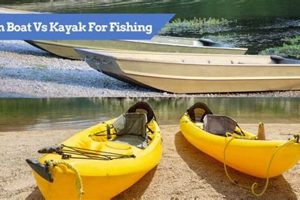
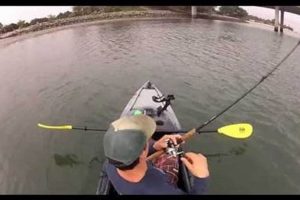
This activity combines the quiet, low-impact approach of kayak angling with the pursuit of fish in diverse aquatic environments. Imagine casting a line from a stable, maneuverable platform that grants access to shallow coves, secluded riverbanks, and open waters alike. This method opens up a range of angling opportunities often inaccessible by larger, motorized boats.
The advantages are numerous. Kayak anglers often experience a closer connection to nature, enjoying the tranquility and perspectives unique to being on the water at such a close level. The minimal environmental impact, affordability compared to larger watercraft, and the excellent exercise it provides further enhance its appeal. The practice has grown significantly in recent decades, evolving from a niche pursuit to a popular recreational activity reflected in specialized equipment and a growing community of enthusiasts.
The following sections delve into essential aspects of this rewarding outdoor pastime, covering topics such as choosing the right equipment, essential safety considerations, effective angling techniques, and responsible practices for minimizing environmental impact.
Tips for Kayak Angling
Careful planning and preparation contribute significantly to a successful and enjoyable outing. These tips offer valuable insights for anglers of all skill levels.
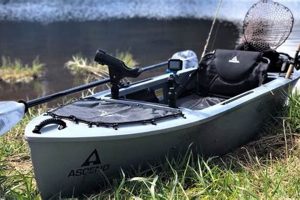
Tip 1: Stability is Paramount: Select a kayak designed for stability, particularly in the chosen fishing environment. Wider hulls generally offer greater stability than narrower designs, especially for beginners. Consider specialized fishing kayaks with features like rod holders and anchor trolleys.
Tip 2: Safety First: Always wear a personal flotation device (PFD). Check weather forecasts before heading out and inform someone of the planned fishing location and return time. Carry a whistle, signaling device, and basic first-aid kit.
Tip 3: Paddle and Rod Management: Practice efficient paddle strokes and learn to manage the fishing rod simultaneously. A paddle leash prevents loss in case of an accidental drop. Rod leashes are also recommended to secure rods when fighting fish or navigating challenging waters.
Tip 4: Essential Gear Selection: Choose tackle appropriate for the target species and fishing environment. Organize tackle boxes for easy access and minimize clutter on the kayak. Consider a landing net with a long handle for easier retrieval of fish.
Tip 5: Respectful Angling Practices: Adhere to catch-and-release guidelines whenever possible. Handle fish gently and minimize their time out of the water. Properly dispose of fishing line and other waste to protect the aquatic environment.
Tip 6: Navigational Awareness: Familiarize oneself with the fishing area and potential hazards, including currents, tides, and shallow areas. Carry a map or GPS device and be aware of changing weather conditions.
Tip 7: Dress Appropriately: Dress in layers to adapt to changing weather conditions. Consider wearing quick-drying clothing and appropriate footwear for wet environments. Sun protection, including a hat, sunglasses, and sunscreen, is also essential.
By adhering to these guidelines, anglers can enhance their safety, improve their fishing success, and contribute to the preservation of aquatic ecosystems.
The following section explores specific techniques and strategies for maximizing angling opportunities from a kayak.
1. Stable Kayak Choice

Kayak stability forms the cornerstone of successful angling from a kayak. A stable platform allows anglers to cast, retrieve, and land fish effectively without compromising balance. This stability influences not only fishing success but also angler safety, particularly in challenging conditions such as wind, currents, or when handling active fish. Consider the scenario of hooking a large fish; a stable kayak provides the leverage and control necessary to manage the fight without capsizing. Conversely, an unstable kayak increases the risk of tipping, especially during the crucial moments of landing a fish or when navigating through choppy waters.
Several factors influence kayak stability, including hull design, width, and length. Wider, flatter hulls generally offer greater initial stability, making them suitable for calmer waters and beginners. Longer, narrower kayaks, while potentially faster, require more experience to maintain balance. Specialized fishing kayaks often incorporate design features that enhance stability, such as wider beams, outriggers, or pontoon systems. Choosing the right kayak depends on the intended fishing environment and the angler’s experience level. For example, anglers fishing in open ocean conditions or targeting large, powerful fish will prioritize stability over maneuverability. Conversely, anglers fishing in calm lakes or rivers might opt for a more nimble kayak that allows for easier navigation through tight spaces.
The importance of kayak stability cannot be overstated. It directly impacts an angler’s ability to focus on fishing, enhances safety, and ultimately contributes to a more enjoyable and productive experience. Careful consideration of stability requirements when selecting a kayak is a crucial first step for anyone venturing into this rewarding outdoor activity. Understanding the relationship between kayak stability and the specific demands of the chosen fishing environment empowers anglers to make informed decisions and maximize their chances of success on the water.
2. Essential Safety Gear

Safety equipment plays a critical role in mitigating risks inherent in kayak angling. The aquatic environment presents unique challenges, and appropriate safety gear can be the difference between a minor incident and a serious emergency. Consider the scenario of a kayak capsizing unexpectedly due to unforeseen circumstances like a sudden change in weather or an encounter with submerged debris. A personal flotation device (PFD) becomes crucial in such situations, ensuring the angler stays afloat and reducing the risk of drowning, particularly in cold water or strong currents. A whistle or other signaling device can alert nearby boaters or individuals on shore to the angler’s distress, facilitating a swift rescue.
Beyond immediate safety concerns, essential gear contributes to overall well-being and preparedness. A first-aid kit allows for on-the-spot treatment of minor injuries, such as hook punctures or cuts. Communication devices, like a waterproof VHF radio or a charged mobile phone in a waterproof case, enable anglers to contact emergency services or inform others of their location if needed. Navigation tools, including a compass, GPS device, and charts, are crucial for orientation, particularly in unfamiliar waters or changing weather conditions. These tools can prevent disorientation and help anglers navigate back to shore safely, especially in low visibility or after dark.
Understanding the vital link between essential safety gear and kayak angling empowers individuals to make informed decisions and prioritize safety. Carrying and knowing how to use this equipment not only mitigates potential risks but also fosters a sense of confidence and preparedness, allowing anglers to focus on the enjoyment of the activity. Pre-trip checks of safety gear functionality and familiarity with its operation are paramount. Ultimately, responsible preparation and a proactive approach to safety contribute significantly to a positive and safe kayaking experience.
3. Efficient Paddle Strokes

Efficient paddle strokes are integral to successful kayak angling. They directly influence an angler’s ability to cover water effectively, reach desired fishing spots, and maintain boat control. Consider the scenario of an angler attempting to reach a promising fishing area located upwind or against a current. Inefficient paddling, characterized by wasted energy and ineffective propulsion, can significantly hinder progress, consume valuable fishing time, and lead to fatigue. Conversely, efficient paddle strokes maximize forward momentum, conserve energy, and allow anglers to reach their destination swiftly and with minimal exertion. This conserved energy translates to more time focused on fishing and less on battling against the elements or simply maintaining position.
The impact of efficient paddling extends beyond simply reaching a fishing spot. Controlled and precise maneuvering plays a crucial role in maintaining an optimal fishing position, especially in dynamic environments. For example, an angler targeting fish near a structure like a submerged reef or along a weed line benefits significantly from subtle paddle adjustments to maintain the desired proximity and presentation of the lure or bait. Efficient paddling allows for precise adjustments in boat position, minimizing disturbance to the fishing area and maximizing opportunities for a successful hookup. Furthermore, it enables anglers to navigate tight spaces, such as narrow creeks or around obstacles, opening up access to otherwise inaccessible fishing grounds.
Mastering efficient paddle strokes involves understanding proper technique, including blade angle, body rotation, and stroke cadence. This knowledge translates to improved boat control, reduced fatigue, and enhanced angling opportunities. The ability to move efficiently and precisely on the water significantly improves the overall kayak angling experience, from reaching distant fishing spots to maintaining optimal position and maneuvering in challenging conditions. It empowers anglers to cover more water, access prime locations, and conserve energy, ultimately increasing the chances of a successful and enjoyable fishing trip.
4. Appropriate Tackle Selection
Appropriate tackle selection significantly impacts success and enjoyment while fishing from a kayak. The limited space and unique challenges of a kayak environment necessitate careful consideration of rod length, line weight, and lure choices. A shorter rod, for example, offers greater maneuverability and control within the confines of a kayak, minimizing the risk of entanglement or interference with paddling. Using heavier line than necessary can lead to difficulties in managing fish and potential line breakage, particularly when dealing with larger species in a less stable platform. Lure selection should be tailored to the target species and the specific fishing location. For instance, fishing in shallow, weedy areas may require weedless lures or topwater presentations to avoid snags and target surface-feeding fish. Conversely, fishing in deeper water may necessitate heavier lures or jigs to reach desired depths effectively.
Consider the scenario of targeting largemouth bass in a densely vegetated cove. A shorter, medium-heavy casting rod paired with braided line and weedless soft plastic lures allows for accurate casts beneath overhanging branches and efficient retrieval through thick vegetation. This tailored approach maximizes the chances of hooking fish while minimizing the frustration of snags and lost lures. In contrast, using a longer, heavier rod designed for offshore fishing in this environment would prove cumbersome and impractical. Similarly, using light line intended for trout fishing would likely result in break-offs when encountering larger bass or heavy vegetation. The connection between appropriate tackle selection and the specific conditions of kayak fishing underscores the importance of adapting equipment to the environment and target species.
Choosing appropriate tackle enhances fishing efficiency, minimizes frustration, and ultimately contributes to a more rewarding experience. Understanding the nuances of tackle selection in the context of kayak angling allows for a more informed and strategic approach to fishing. This involves considering factors such as target species, fishing location, and the physical limitations of the kayak environment. By tailoring tackle choices to these specific parameters, anglers can maximize their chances of success while maintaining a safe and enjoyable fishing experience.
5. Respectful Fishing Practices
Respectful fishing practices are essential for the sustainability of aquatic ecosystems and the future of the sport, particularly in the context of kayak angling. Kayak fishing often grants access to more remote and sensitive environments, amplifying the importance of minimizing impact. Consider the effect of improper catch-and-release techniques on fish populations. A fish handled roughly or kept out of the water for extended periods experiences physiological stress, reducing its chances of survival upon release. This can have cumulative detrimental effects on fish populations, particularly in heavily fished areas. Similarly, discarded fishing line poses a significant threat to aquatic life, entangling fish, birds, and other animals. Kayak anglers, often fishing in close proximity to wildlife, have a heightened responsibility to minimize such impacts.
The practical application of respectful fishing practices in kayak angling involves several key considerations. Using appropriate tackle and fishing techniques minimizes stress on fish during the catch-and-release process. For instance, using barbless hooks allows for quicker and less damaging hook removal, increasing the likelihood of fish survival. Handling fish gently and minimizing their time out of the water further reduces stress. Properly disposing of all fishing line and other waste prevents entanglement hazards and pollution. Furthermore, respecting designated fishing areas and closures contributes to the long-term health of fish populations and the overall ecosystem. Imagine a popular kayak fishing spot becoming barren due to overfishing or habitat degradation. Respectful practices help safeguard these resources, ensuring their availability for future generations.
Respectful fishing practices form an integral part of responsible kayak angling. They represent a commitment to preserving the natural environment and ensuring the sustainability of fish populations. By understanding the interconnectedness of human actions and ecological consequences, kayak anglers can contribute positively to the health of aquatic ecosystems. The practical application of these principles, from proper catch-and-release techniques to responsible waste disposal, embodies a conservation-minded approach crucial for the long-term viability of the sport and the preservation of the natural world.
Navigational awareness forms a crucial foundation for safe and successful kayak angling. The dynamic nature of aquatic environments, coupled with the inherent limitations of a kayak, necessitates a heightened understanding of location, potential hazards, and environmental conditions. Consider the scenario of an angler venturing into unfamiliar waters without adequate navigational preparation. Unforeseen changes in weather, such as fog or sudden storms, can quickly disorient an angler lacking a compass, GPS device, or basic chart knowledge. Tidal currents, particularly in coastal areas, can swiftly carry a kayak off course, potentially stranding an angler far from the intended destination. Submerged obstacles, like rocks or logs, pose significant risks of capsizing or damage to the kayak, especially in shallow or poorly charted areas. Navigational awareness mitigates these risks by providing the knowledge and tools to anticipate, avoid, and respond to such challenges.
Practical applications of navigational awareness in kayak angling extend beyond basic safety considerations. Understanding water depth, bottom contours, and the presence of underwater structures informs strategic decisions about fishing locations. For instance, locating drop-offs, submerged reefs, or weed linesoften prime fish habitatsrequires interpreting nautical charts or using sonar effectively. The ability to pinpoint these locations and maintain position using GPS or visual landmarks significantly enhances fishing success. Furthermore, knowledge of prevailing currents and tides allows anglers to predict fish movement patterns and optimize lure presentations. Consider an angler targeting striped bass in a tidal river. Understanding tidal flow allows the angler to position the kayak strategically to intercept migrating fish, maximizing opportunities for a successful catch. This integrated approach, combining navigational skills with angling expertise, elevates kayak fishing from a passive pastime to a strategic pursuit.
Navigational awareness, therefore, underpins both safety and success in kayak angling. It empowers anglers to navigate safely, locate productive fishing areas, and respond effectively to changing environmental conditions. This proactive approach, grounded in preparation and informed decision-making, transforms potential hazards into manageable challenges, enhancing the overall experience and contributing to a more rewarding and safe time on the water. Failing to prioritize navigational awareness can lead to disorientation, hazardous situations, and diminished fishing success, underscoring its fundamental importance in kayak angling.
7. Environmental Stewardship
Environmental stewardship represents a crucial element of responsible kayak angling. The close interaction with aquatic ecosystems inherent in this activity necessitates a mindful approach to minimizing human impact and preserving the natural environment. Cause and effect relationships within these delicate ecosystems highlight the potential consequences of irresponsible actions. Discarded fishing line, for example, can entangle wildlife, leading to injury or death. Improper disposal of bait or fish remains can introduce invasive species or disrupt the natural food web. Chemical pollutants from sunscreen or insect repellent, washed off into the water, can contaminate aquatic habitats and harm sensitive organisms. The cumulative impact of these seemingly minor actions can degrade water quality, disrupt ecological balance, and diminish the overall health of the ecosystem. The quiet, non-motorized nature of kayak fishing provides a unique opportunity to observe wildlife and appreciate the interconnectedness of the natural world, fostering a deeper understanding of the importance of environmental protection.
Real-life examples underscore the practical significance of environmental stewardship within the kayak angling community. Organized cleanup events, where kayakers collect discarded fishing gear and other debris from waterways, demonstrate a proactive commitment to environmental protection. Educational initiatives promoting responsible angling practices, such as proper catch-and-release techniques and the use of biodegradable fishing line, empower anglers to make informed choices that minimize their impact. The growing popularity of “leave no trace” principles within the kayaking community reflects an increasing awareness of the importance of minimizing human impact on natural environments. These collective efforts, driven by individual responsibility and community engagement, contribute significantly to the preservation of aquatic ecosystems and the long-term sustainability of the sport.
Environmental stewardship, therefore, transcends simply following regulations; it represents a fundamental shift in mindset towards a more harmonious relationship with nature. Kayak anglers, by embracing this ethic, become active participants in conservation efforts, ensuring the health and vitality of aquatic ecosystems for future generations. The challenges of pollution, habitat degradation, and climate change necessitate a collective commitment to environmental protection. Kayak angling, with its intimate connection to the natural world, offers a powerful platform for promoting responsible environmental practices and inspiring positive change. The understanding and application of environmental stewardship principles enrich not only the angling experience but also contribute to the broader goal of preserving the natural world for all.
Frequently Asked Questions
This section addresses common inquiries regarding kayak fishing, providing concise and informative responses to clarify potential uncertainties.
Question 1: What type of kayak is best suited for fishing?
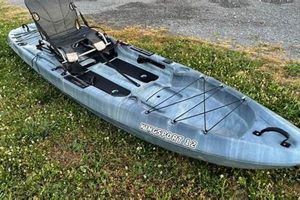
Sit-on-top kayaks are generally preferred for their stability and ease of re-entry after a potential capsize. Fishing-specific kayaks often feature specialized accessories such as rod holders, anchor trolleys, and livewells.
Question 2: Is kayaking experience necessary before attempting to fish from a kayak?
Prior kayaking experience is beneficial but not strictly mandatory. Beginners should start in calm, sheltered waters and prioritize stability over speed or maneuverability when selecting a kayak.
Question 3: What essential safety precautions should one take when kayak fishing?
Always wear a personal flotation device (PFD). Check weather forecasts prior to departure. Inform someone of the planned fishing location and estimated return time. Carry a whistle, signaling device, and basic first-aid kit.
Question 4: What fishing gear is recommended for kayak angling?
Shorter rods are generally preferred for maneuverability within a kayak. Tackle selection should be tailored to the target species and fishing environment. A landing net with a long handle facilitates fish retrieval.
Question 5: How can environmental impact be minimized while kayak fishing?
Adhere to catch-and-release guidelines whenever possible. Handle fish gently and minimize their time out of the water. Properly dispose of fishing line and other waste. Respect designated fishing areas and closures.
Question 6: What are the primary advantages of fishing from a kayak compared to other methods?
Kayak fishing offers access to shallow or otherwise inaccessible areas, a closer connection with nature, minimal environmental impact, affordability compared to larger boats, and physical exercise.
Careful consideration of these frequently asked questions contributes to enhanced safety, preparedness, and responsible angling practices.
The next section explores advanced techniques for maximizing fishing success from a kayak.
Conclusion
This exploration of fishing while kayaking has highlighted the multifaceted nature of this increasingly popular pursuit. From the selection of appropriate equipment and adherence to essential safety practices to the mastery of efficient paddling techniques and the adoption of respectful fishing practices, each element contributes significantly to a successful and rewarding experience. The analysis underscored the importance of navigational awareness in ensuring both angler safety and strategic fishing location choices, while simultaneously emphasizing the critical role of environmental stewardship in preserving the delicate balance of aquatic ecosystems.
The convergence of angling expertise and kayak handling skills defines the essence of this engaging outdoor activity. It offers a unique opportunity to connect with nature, experience the thrill of the catch, and contribute to the preservation of aquatic environments. Continued education, responsible practices, and a commitment to conservation will ensure the sustainability of this rewarding pursuit for future generations. The insights presented here serve as a foundation for informed participation, empowering individuals to embark on their kayak fishing journeys equipped with the knowledge and understanding necessary for both success and responsible engagement with the natural world.