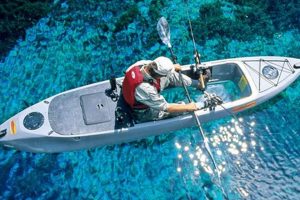
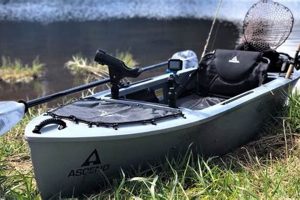
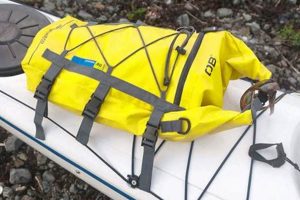
Selecting the right watercraft for angling is crucial for a successful and enjoyable experience. Different manufacturers design their products with specific features catering to various fishing styles and water conditions. Factors such as stability, storage capacity, maneuverability, and compatibility with fishing accessories influence the suitability of a particular vessel for angling. For instance, a wider, more stable hull design may be preferred for still-water fishing, while a longer, narrower design might be better suited for paddling in rivers or covering greater distances.
Choosing an appropriate watercraft for this activity offers significant advantages, including improved access to fishing grounds, enhanced stability for casting and reeling, and specialized storage for rods, tackle, and catches. Historically, anglers relied on traditional boats; however, the evolution of specialized designs offers unique benefits in terms of portability, affordability, and eco-friendliness. This has broadened the accessibility of the sport to a wider audience.
This article will delve into the key features to consider when selecting a fishing kayak, discuss popular manufacturers known for their quality and innovation, and offer guidance based on different fishing styles and budgets. It will also explore essential accessories and safety considerations for a fulfilling and secure on-the-water experience.
Tips for Selecting a Fishing Kayak
Choosing the right fishing kayak involves careful consideration of several factors. A well-informed decision ensures optimal performance, safety, and enjoyment on the water.
Tip 1: Consider Hull Design: Different hull designs offer varying degrees of stability, speed, and maneuverability. A wider, flatter hull provides greater initial stability, ideal for calm waters and stand-up fishing. A longer, V-shaped hull offers better tracking and speed, suited for covering longer distances and paddling in currents.
Tip 2: Evaluate Weight Capacity: The kayak’s weight capacity should accommodate the angler’s weight, fishing gear, and potential catch. Exceeding the recommended capacity compromises stability and performance.
Tip 3: Assess Storage Options: Ample storage space is essential for carrying tackle boxes, rods, and other fishing essentials. Look for dedicated compartments, hatches, and bungee systems for secure gear organization.
Tip 4: Prioritize Comfort and Ergonomics: A comfortable seat and adjustable footrests are vital for long hours on the water. Ensure the cockpit provides adequate legroom and freedom of movement.
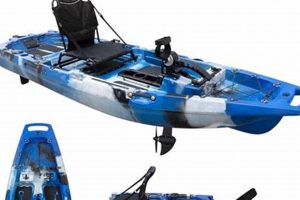
Tip 5: Consider Propulsion Systems: Paddle kayaks offer excellent exercise and maneuverability in shallow waters. Pedal-powered kayaks allow hands-free fishing and faster speeds. Motorized kayaks provide the greatest range and ease of travel.
Tip 6: Factor in Fishing Features: Look for features such as rod holders, fish finders mounts, and anchor trolleys. These specialized features enhance fishing efficiency and convenience.
Tip 7: Set a Budget: Fishing kayaks range in price from budget-friendly options to high-end models. Determine a realistic budget and prioritize essential features within that range.
By carefully considering these tips, anglers can select a kayak that meets their specific needs and enhances their fishing experience. Proper selection ensures comfort, stability, and efficient access to fishing grounds.
The following section will explore specific kayak models and manufacturers renowned for their quality and performance in the fishing community.
1. Stability

Stability is a paramount consideration when selecting a fishing kayak. It directly impacts safety, comfort, and the ability to perform essential fishing tasks, such as casting, reeling, and landing fish. Different hull designs and construction materials contribute to varying levels of stability, making it crucial to understand the nuances of stability in relation to specific fishing environments and angler preferences.
- Initial Stability vs. Secondary Stability
Initial stability refers to the kayak’s resistance to tipping when at rest, while secondary stability describes its resistance to capsizing when leaned. Wider, flatter hulls generally offer higher initial stability, ideal for calm waters and stand-up fishing. Kayaks with rounded or V-shaped hulls may have lower initial stability but provide greater secondary stability, enabling them to handle rougher conditions and sharp turns. Anglers fishing in calm lakes or ponds might prioritize initial stability, whereas those navigating rivers or coastal waters might favor higher secondary stability.
- Hull Design and Materials
Hull design plays a critical role in stability. Pontoon hulls, with their wide, flat bottoms, provide exceptional initial stability. Catamaran hulls, featuring two separate hulls, offer excellent stability and tracking. The materials used in construction also influence stability. Heavier kayaks tend to be more stable, but they can be harder to transport and maneuver. Lighter kayaks, while easier to handle, may require more attention to balance.
- Center of Gravity
The angler’s center of gravity, along with the distribution of weight within the kayak, significantly impacts stability. A lower center of gravity contributes to greater stability. Properly distributing gear and maintaining a balanced posture within the kayak are essential for maximizing stability on the water. Adding accessories, such as outriggers, can further enhance stability, especially for anglers who prefer to stand while fishing.
- Water Conditions
Water conditions, including wind, waves, and currents, can significantly influence stability. Calm waters generally pose fewer challenges to stability, while rough conditions require kayaks with greater inherent stability and skilled handling. Understanding the anticipated water conditions is essential for selecting a kayak with the appropriate stability characteristics.
Ultimately, the optimal level of stability depends on individual fishing styles and the environment. Prioritizing stability ensures safety, enhances fishing performance, and allows for a more comfortable and enjoyable experience on the water. Choosing a kayak from a reputable brand specializing in fishing kayaks often means the manufacturer has carefully considered stability requirements within their design process. Researching specific brands and models known for their stability in various conditions is a crucial step in the selection process.
2. Durability

Durability is a critical factor influencing the lifespan and performance of fishing kayaks. These vessels are subjected to harsh conditions, including UV exposure, saltwater corrosion, impacts with rocks and other obstacles, and the wear and tear of regular use. A durable kayak retains its structural integrity and performance characteristics over time, ensuring angler safety and minimizing the need for repairs or replacement. Manufacturers employ various construction methods and materials to enhance durability, catering to the demands of different fishing environments.
Rotational molding, a common manufacturing process, produces highly durable, single-piece hulls resistant to impacts and UV degradation. Thermoforming, another popular technique, creates kayaks with a multi-layered structure, enhancing stiffness and durability. Materials such as high-density polyethylene (HDPE) and polycarbonate offer excellent impact resistance and UV protection. Kevlar and fiberglass composites provide superior strength and stiffness but often come at a higher price point. Understanding the trade-offs between different construction methods and materials helps anglers select kayaks suited to their specific needs and budget. For example, a kayak intended for rocky rivers requires greater impact resistance than one used primarily in calm lakes. Choosing a reputable brand known for its durable construction is a crucial step in ensuring a long-lasting and reliable fishing platform.
Ultimately, investing in a durable fishing kayak minimizes long-term costs and ensures reliable performance in demanding environments. Careful consideration of construction methods, materials, and brand reputation allows anglers to select kayaks that withstand the rigors of fishing and provide years of reliable service. This contributes not only to angler satisfaction but also to sustainable practices by reducing the need for frequent replacements. The durability of a fishing kayak significantly impacts its overall value proposition.
3. Maneuverability
Maneuverability is a crucial aspect of fishing kayak performance, directly influencing anglers’ ability to navigate various water conditions and access prime fishing spots. The ability to precisely control the kayak’s movement is essential for navigating tight spaces, maneuvering through obstacles like submerged logs or vegetation, and positioning the vessel effectively for casting and retrieving lines. Different hull designs, lengths, and propulsion systems contribute significantly to a kayak’s maneuverability, making it a key consideration when selecting a fishing platform.
Shorter kayaks generally offer greater maneuverability, allowing for tighter turns and quicker adjustments in direction. Longer kayaks, while offering better tracking and speed in open water, may be less agile in confined areas. Hull design also plays a significant role. A kayak with a more pronounced rocker (upward curve at the bow and stern) tends to turn more easily, while a flatter hull provides better tracking but may require more effort to turn. The choice of propulsion system also impacts maneuverability. Paddle kayaks offer excellent control and precision, particularly in shallow water or areas with dense vegetation. Pedal-powered kayaks allow for hands-free fishing and often provide greater speed and maneuverability in open water. Motorized kayaks offer the highest speeds and the ability to cover greater distances but may sacrifice some maneuverability in tight spaces. Specific brands cater to different maneuverability needs. For example, kayaks designed for river fishing often prioritize maneuverability, while those intended for offshore fishing might prioritize stability and tracking.
Understanding the relationship between kayak design and maneuverability allows anglers to choose vessels best suited to their target fishing environments and techniques. Factors such as the type of water (rivers, lakes, oceans), the presence of obstacles, and the need for quick maneuvering should all inform the decision-making process. Ultimately, selecting a kayak with appropriate maneuverability characteristics enhances fishing efficiency, allowing anglers to access desired locations, position themselves effectively for casting, and react quickly to changing conditions. This contributes significantly to a successful and enjoyable fishing experience.
4. Storage Capacity
Storage capacity is a defining feature differentiating fishing kayaks from recreational models. Effective angling requires readily accessible tackle, rods, safety gear, and often, provisions for storing catches. Insufficient storage compromises efficiency, necessitating frequent trips to shore or limiting the range of fishing excursions. Kayak brands specializing in fishing address this need by incorporating diverse storage solutions, including dedicated compartments, hatches, tank wells, and bungee systems. These features allow anglers to organize gear effectively, maximizing space utilization and ensuring essential items are readily available. For instance, some brands offer specialized compartments for tackle boxes, while others incorporate rod holders and storage for fish finders or other electronic equipment. The volume and type of storage directly influence the kayak’s suitability for different fishing styles and durations. A kayak designed for multi-day expeditions requires significantly more storage than one intended for short trips on a local lake.
Practical implications of storage capacity extend beyond mere convenience. Adequate storage contributes significantly to angler safety by ensuring essential safety equipment, such as first-aid kits and communication devices, is readily accessible. It also enhances fishing efficiency by allowing anglers to carry a wider range of tackle and adapt to changing conditions without returning to shore. Brands often differentiate their models based on storage capacity and features, catering to diverse fishing styles and needs. Analyzing storage options within specific brands provides valuable insights into the intended use and target audience of each model. For example, kayaks designed for fly fishing may prioritize open storage for easy access to fly boxes, while those intended for trolling may emphasize larger storage compartments for tackle and gear.
In summary, storage capacity is an integral component of fishing kayak design. Understanding the various storage solutions offered by different brands allows anglers to select kayaks tailored to their specific needs and fishing styles. Adequate storage enhances both safety and efficiency, contributing to a more productive and enjoyable fishing experience. The practical implications of storage capacity underscore its significance in the overall evaluation of kayak brands designed for fishing.
5. Comfort Features
Comfort features significantly influence angler performance and enjoyment during extended fishing trips. Discomfort can lead to fatigue, reduced focus, and a shortened time on the water, ultimately impacting the overall fishing experience. Kayak brands specializing in fishing recognize this critical aspect and incorporate various design elements to enhance comfort and promote prolonged on-the-water endurance. Understanding these features allows anglers to make informed decisions based on individual needs and preferences.
- Seating Systems
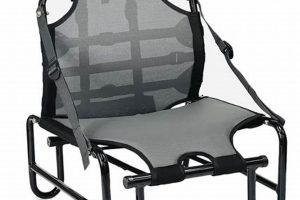
Seat design plays a crucial role in overall comfort. Adjustable seating systems accommodate varying body types and preferences, allowing anglers to customize the seat position for optimal support and posture. Features like breathable mesh fabric and padded backrests enhance comfort, particularly during long hours on the water. High-end models may incorporate lumbar support and adjustable thigh braces for added comfort and stability. Brands often differentiate their models based on seating design, offering options ranging from basic molded seats to fully adjustable, ergonomic systems.
- Footrests and Leg Support
Proper leg support is essential for maintaining balance and reducing fatigue. Adjustable footrests accommodate different leg lengths and paddling styles, allowing anglers to maintain a comfortable and efficient paddling position. Well-designed footrests contribute to stability and power transfer during paddling, enhancing overall performance. Some brands offer integrated footrests, while others provide adjustable systems that can be customized to individual preferences.
- Cockpit Design and Ergonomics
Cockpit design directly impacts comfort and freedom of movement. A spacious cockpit provides ample room for leg movement and gear storage, while a well-designed cockpit rim minimizes interference with paddling strokes. Ergonomic considerations, such as the placement of hatches and rod holders, further enhance comfort and efficiency. Brands often differentiate their models based on cockpit design, catering to different body types and fishing styles.
- Standing Platforms and Stability
Some fishing kayaks incorporate standing platforms or enhanced stability features that allow anglers to stand and fish comfortably. Standing provides a better vantage point for spotting fish and casting, enhancing the overall fishing experience. Brands specializing in stand-up fishing kayaks often prioritize stability and incorporate design elements, such as wider hulls and outriggers, to ensure angler safety and comfort while standing.
The integration of these comfort features significantly enhances the overall fishing experience. Brands that prioritize comfort in their designs demonstrate a commitment to angler well-being and recognize the importance of a comfortable and supportive platform for extended fishing trips. By carefully considering these features, anglers can select kayaks that maximize comfort and minimize fatigue, allowing them to focus on the enjoyment of fishing and maximize their time on the water. The strategic choices made by kayak brands regarding comfort features directly influence angler satisfaction and long-term enjoyment of the sport.
6. Brand Reputation

Brand reputation significantly influences purchasing decisions within the fishing kayak market. A strong reputation, built on consistent quality, innovation, and customer satisfaction, often equates to higher consumer trust and perceived value. This trust translates into a willingness to invest in products from reputable brands, even at a premium price point. Conversely, brands with negative reputations, perhaps due to quality control issues or poor customer service, may face consumer skepticism and reduced market share. For example, a brand known for producing durable, well-designed kayaks specifically for fishing will likely command a higher price and attract a loyal customer base compared to a lesser-known brand with limited history or a history of quality issues. In the competitive fishing kayak market, brand reputation serves as a key differentiator and a significant factor influencing consumer choice. This reputation often reflects a brand’s commitment to research, development, and customer support, all contributing to the overall value proposition of their products.
Practical implications of brand reputation extend beyond initial purchase decisions. A reputable brand often provides better after-sales service, including warranty support, readily available replacement parts, and responsive customer service channels. This fosters long-term customer relationships and contributes to a positive ownership experience. Furthermore, established brands often invest in research and development, leading to continuous innovation and improvements in kayak design, features, and performance. This commitment to innovation benefits consumers by providing access to cutting-edge technology and design advancements. For instance, a brand known for its innovative pedal-drive systems or its focus on integrating fishing-specific features reinforces its reputation as a leader in the fishing kayak segment. This continuous improvement cycle strengthens brand loyalty and sustains a positive brand image.
In conclusion, brand reputation serves as a critical factor in the fishing kayak market, influencing consumer perceptions, purchasing decisions, and long-term ownership experiences. A positive reputation, built on quality, innovation, and customer satisfaction, fosters trust and justifies premium pricing. Conversely, a negative reputation can significantly hinder market success. Understanding the influence of brand reputation empowers consumers to make informed choices, aligning their investments with brands that demonstrably prioritize quality, performance, and customer support. This understanding ultimately contributes to a more satisfying and rewarding kayak fishing experience.
7. Specialized Features

Specialized features distinguish fishing kayaks from recreational models, catering specifically to the needs of anglers. These features enhance fishing efficiency, comfort, and overall success on the water. Understanding these specialized features and how they vary across different kayak brands is essential for selecting the optimal vessel for specific fishing styles and environments.
- Rod Holders
Rod holders are fundamental features allowing anglers to secure rods while paddling, trolling, or preparing tackle. Various types exist, including flush-mounted, adjustable, and rotating rod holders. The number, placement, and type of rod holders influence fishing versatility. Some brands offer specialized rod holders for specific fishing techniques, such as fly fishing or trolling. For example, a kayak designed for trolling might feature multiple rod holders positioned for optimal line spread, while a kayak intended for fly fishing might include rod holders positioned for easy access and line management during casting.
- Tackle Storage
Dedicated tackle storage compartments keep essential gear organized and readily accessible. These compartments vary in size, configuration, and accessibility. Some brands offer removable tackle boxes, while others integrate sealed compartments within the kayak’s hull. The type and volume of tackle storage significantly impact fishing efficiency and organization. For instance, a kayak designed for bass fishing might include large compartments for storing various lures and tackle boxes, whereas a kayak intended for minimalist fishing might feature smaller, more streamlined storage solutions.
- Fish Finders and Electronics Mounts
Integrated mounts and transducer scuppers accommodate fish finders and other electronic devices. These features enhance fish-finding capabilities and provide valuable information about water depth, temperature, and bottom structure. Brands often incorporate specific mounting systems compatible with popular fish finder models. The availability and placement of these mounts influence the angler’s ability to utilize electronics effectively. For example, a kayak designed for offshore fishing might feature robust mounting systems and transducer scuppers optimized for deep-water performance.
- Anchor Trolleys and Systems
Anchor trolleys allow anglers to control kayak position and maintain a desired location in current or wind. These systems vary in complexity and ease of use. Some brands offer integrated anchor trolleys, while others require aftermarket installation. The presence of an anchor trolley system significantly impacts fishing effectiveness in specific environments. For instance, a kayak designed for river fishing will likely benefit from an easily accessible and adjustable anchor trolley system, enabling the angler to maintain position in flowing water.
These specialized features, offered in varying configurations by different kayak brands, significantly influence a fishing kayak’s overall performance and suitability for specific fishing applications. Evaluating these features within the context of intended fishing style, target species, and prevailing water conditions allows anglers to make informed decisions and select the kayak best equipped to meet their individual needs. The integration and quality of these specialized features often differentiate leading kayak brands within the fishing market, contributing to angler success and enjoyment on the water.
Frequently Asked Questions
This section addresses common inquiries regarding the selection and use of fishing kayaks, providing concise and informative responses to facilitate informed decision-making.
Question 1: What are the primary differences between fishing kayaks and recreational kayaks?
Fishing kayaks typically incorporate specialized features such as rod holders, tackle storage, anchor trolleys, and transducer mounts. They often prioritize stability and storage capacity over speed and maneuverability compared to recreational models.
Question 2: How does hull design influence kayak performance for fishing?
Hull design significantly impacts stability, maneuverability, and tracking. Wider, flatter hulls offer enhanced stability, while longer, V-shaped hulls provide better tracking and speed. The specific hull design should align with the intended fishing environment and angler preferences.
Question 3: What are the advantages of pedal-powered kayaks for fishing?
Pedal kayaks offer hands-free propulsion, allowing anglers to focus on fishing rather than paddling. They often provide greater speed and range compared to paddle kayaks, particularly in open water.
Question 4: How does one determine the appropriate weight capacity for a fishing kayak?
Weight capacity should accommodate the angler’s weight, all fishing gear, and potential catches. Exceeding the manufacturer’s recommended weight capacity compromises stability and performance.
Question 5: What safety precautions should anglers consider when using fishing kayaks?
Essential safety precautions include wearing a personal flotation device (PFD), carrying a whistle or other signaling device, informing someone of fishing plans, and checking weather conditions before embarking.
Question 6: What are the benefits of choosing a reputable kayak brand for fishing?
Reputable brands often offer higher quality construction, innovative designs, better warranties, and readily available replacement parts, contributing to a more reliable and satisfying ownership experience.
Careful consideration of these frequently asked questions empowers informed decision-making and contributes to a safer and more productive fishing kayak experience.
The following section will offer concluding thoughts and summarize key takeaways for selecting the optimal fishing kayak.
Conclusion
Careful selection from among kayak brands designed for fishing is crucial for optimizing on-the-water experiences. Factors such as hull design, stability, storage capacity, comfort features, and specialized accessories contribute significantly to angler success and enjoyment. Reputable manufacturers prioritize these elements, offering diverse models catering to various fishing styles, budgets, and environmental conditions. Understanding these factors empowers informed decisions, ensuring the chosen kayak aligns with individual angler needs and enhances overall fishing performance.
Investing in a well-designed fishing kayak yields substantial long-term benefits, including improved access to fishing grounds, enhanced stability and comfort, and the ability to carry essential gear and tackle. Prioritizing thoughtful selection within the diverse landscape of kayak brands specialized for fishing contributes to a more rewarding, efficient, and ultimately, successful pursuit of angling endeavors.