Angling from a small, human-powered watercraft for species inhabiting the seafloor or lakebed involves specialized tackle and techniques. This approach often targets groundfish, shellfish, and other demersal dwellers using weighted lines, hooks, and bait presented directly on or near the bottom. Examples include fishing for flounder with live bait or jigging for cod using artificial lures.
This method offers distinct advantages. The low profile and maneuverability of these vessels grants access to shallow, vegetated areas often inaccessible to larger boats, expanding fishing opportunities. Its quiet operation minimizes disturbance, potentially improving catch rates. Historically, small watercraft have been utilized for fishing in various cultures, demonstrating a long-standing connection between human ingenuity and aquatic resource utilization. The modern adaptation with specialized gear enhances this tradition, providing a sustainable and engaging recreational activity.
Further exploration will cover essential equipment, effective strategies, suitable locations, and relevant safety precautions related to this specific fishing style. Understanding these aspects is crucial for a successful and enjoyable experience.
Tips for Success
Effective angling from kayaks in benthic zones requires careful planning and execution. The following tips provide guidance for maximizing success and ensuring a safe experience.
Tip 1: Choose Appropriate Tackle: Rods and reels should be sized appropriately for target species. Shorter rods offer better control in confined spaces, while heavier lines and robust reels are necessary for larger fish. Braided lines are preferred for their sensitivity and strength.
Tip 2: Select Effective Bait and Lures: Bait selection depends on target species. Live or fresh dead bait often proves effective. Alternatively, artificial lures that mimic natural prey can be highly productive.
Tip 3: Utilize Proper Anchoring Techniques: Maintaining position is crucial, especially in currents or windy conditions. A well-placed anchor prevents drifting and keeps lines vertical, maximizing sensitivity and hookset potential.
Tip 4: Understand Fish Behavior and Habitat: Knowledge of preferred habitats, feeding patterns, and seasonal movements of target species is essential for success. Researching local fish behavior and consulting local fishing reports provides valuable insights.
Tip 5: Prioritize Safety: Wearing a personal flotation device is paramount. Carrying a communication device, checking weather conditions, and informing someone of fishing plans are essential safety measures.
Tip 6: Practice Catch and Release Techniques: Handling fish carefully minimizes stress and injury, promoting healthy fish populations. Using appropriate tools like dehookers and lip grips facilitates safe release.
Tip 7: Respect Local Regulations: Adhering to fishing licenses, size limits, and catch restrictions ensures the sustainability of fish populations and preserves the ecosystem.
Applying these tips will enhance angling success and contribute to an enjoyable and responsible experience on the water. Preparation and mindful practice are key elements of effective fishing.
By integrating these strategies, anglers can improve their catch rates and contribute to a sustainable fishing practice. The next section will address frequently asked questions regarding this specialized fishing style.
1. Kayak Selection

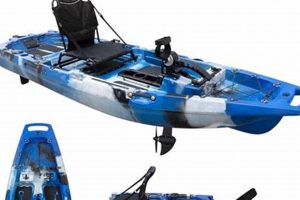
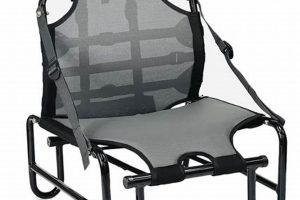
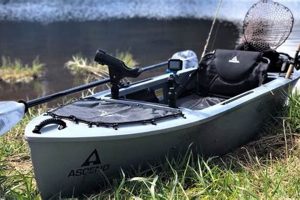
Appropriate vessel selection is paramount for successful bottom fishing excursions. The kayak’s characteristics significantly influence stability, maneuverability, and overall fishing effectiveness. Choosing the right watercraft enhances safety and maximizes angling potential.
- Stability
Stability is crucial, especially when battling strong currents or larger fish. Wider, flatter-bottomed kayaks offer greater primary stability, minimizing tipping. Sit-on-top designs provide inherent buoyancy and self-bailing capabilities, further enhancing stability in rough conditions. A stable platform allows anglers to focus on fishing rather than balancing.
- Maneuverability
Navigating tight spaces, shallow water, and areas with submerged obstacles requires a maneuverable kayak. Shorter kayaks with a defined keel or tracking fin offer superior maneuverability. This allows anglers to access prime fishing spots often unreachable by larger vessels. Precise boat control enables targeted bait presentation and efficient retrieval.
- Storage Capacity
Sufficient storage space is essential for carrying tackle, bait, safety gear, and potential catches. Kayaks with dedicated storage compartments, tank wells, or ample deck space provide convenient and organized gear stowage. Adequate storage ensures essential equipment remains readily accessible and protected from the elements.
- Propulsion System
Paddle propulsion offers quiet, non-intrusive access to fishing areas, minimizing disturbance to fish. Pedal-driven kayaks provide hands-free operation, allowing anglers to focus on fishing while maintaining position. The choice of propulsion depends on personal preference, fishing style, and target location characteristics. Efficient propulsion enables covering greater distances and exploring diverse fishing grounds.
Considering these facets of kayak selection enhances angler safety, improves fishing efficiency, and contributes to a more successful and enjoyable experience. A well-chosen kayak optimizes access to prime fishing locations, facilitates precise bait presentation, and ensures a stable and comfortable platform for battling bottom-dwelling species.
2. Specialized Tackle

Effective bottom fishing from a kayak requires specialized tackle designed for the unique challenges and opportunities presented by this angling style. Proper gear selection significantly influences success rates, angler comfort, and overall fishing experience. The following facets highlight key tackle considerations crucial for productive kayak bottom fishing.
- Rods and Reels
Shorter, more robust rods (typically 6-7 feet) offer enhanced control and leverage in the confined space of a kayak. Medium-heavy to heavy-power rods are suitable for targeting larger bottom-dwelling species. Baitcasting reels provide the necessary cranking power and durability for handling heavier lines and larger fish. Spinning reels offer ease of use and are well-suited for lighter lines and smaller species. Proper rod and reel combinations ensure effective hooksets, efficient retrieval, and the ability to manage strong fish in close quarters.
- Fishing Line
Braided line is preferred for its high sensitivity, low stretch, and abrasion resistance. These characteristics are essential for detecting subtle bites, setting hooks effectively in deep water, and navigating structure-laden environments. Fluorocarbon leader material provides near-invisibility and added abrasion resistance, further enhancing presentation and increasing the chances of hooking wary fish.
- Terminal Tackle
Terminal tackle selection depends on target species and fishing conditions. Common choices include weighted sinkers, circle hooks, and various jig heads. Sinkers keep bait or lures near the bottom, while circle hooks improve hook-up ratios and minimize injury to released fish. Jigs, often tipped with live bait or soft plastic lures, attract fish with their movement and scent. Appropriately chosen terminal tackle ensures effective presentation and maximizes hook-up potential.
- Fish Finders
Portable fish finders provide crucial information about water depth, bottom structure, and fish location. These devices significantly improve the odds of locating productive fishing spots and targeting specific species. Understanding the underwater environment allows anglers to strategically position their kayaks and present their bait effectively. Fish finders contribute significantly to increased efficiency and catch rates in kayak bottom fishing.
The specialized tackle described above enhances the effectiveness and enjoyment of kayak bottom fishing. Selecting the correct equipment allows anglers to target specific species, navigate diverse environments, and maximize their chances of success. The interplay of these components contributes to a productive and rewarding fishing experience.
3. Location Scouting

Effective location scouting is paramount for successful kayak bottom fishing. Identifying productive fishing grounds directly influences catch rates and overall angling success. Understanding bathymetry, bottom composition, and prevalent currents allows anglers to pinpoint areas likely to hold target species. Analyzing nautical charts, utilizing online mapping tools, and consulting local fishing reports provide valuable insights into promising fishing locations. For example, rocky reefs, submerged wrecks, and drop-offs often attract bottom-dwelling fish seeking shelter and foraging opportunities. Conversely, featureless sandy bottoms may hold fewer fish, necessitating further exploration. Scouting locations in advance minimizes wasted time on the water and maximizes fishing efficiency.
Observing environmental cues further refines location selection. Birds diving or baitfish activity on the surface can indicate feeding fish below. Changes in water depth, temperature, or clarity often signal transitions between different habitats and potential fish-holding areas. Tidal flow also plays a significant role, influencing fish movement and feeding patterns. Understanding these factors allows anglers to anticipate fish behavior and position their kayaks strategically. Practical application of this knowledge might involve targeting a specific channel edge during an outgoing tide or focusing on a particular reef structure known to hold fish during certain times of the day.
In summary, thorough location scouting is a critical component of successful kayak bottom fishing. Combining data analysis with on-the-water observation enables anglers to identify productive fishing grounds, anticipate fish behavior, and maximize their chances of success. This proactive approach translates to increased catch rates, a more rewarding fishing experience, and a deeper understanding of the aquatic environment.
4. Effective Techniques

Maximizing catch rates in kayak bottom fishing requires employing appropriate techniques tailored to specific species and environmental conditions. Strategic approaches to bait presentation, drift control, and fish fighting contribute significantly to angling success. Understanding these techniques enhances efficiency and fosters a more rewarding fishing experience.
- Drift Fishing
Drift fishing allows anglers to cover extensive areas, presenting bait to a wider range of fish. Controlling the drift speed with a drift sock or sea anchor ensures optimal bait presentation and maintains contact with the bottom. Adjusting the drift path by subtly paddling or deploying a rudder enables targeting specific structures or depth contours. This technique is particularly effective in areas with consistent currents or moderate wind conditions. For example, drifting along a channel edge while presenting bait near the bottom can yield significant catches of flounder or other bottom-dwelling species.
- Anchoring
Anchoring maintains the kayak’s position over a specific fishing spot, ideal for targeting structure-oriented fish. Positioning the anchor upstream of the target area allows the bait to drift naturally into the strike zone. Using a quick-release anchor system facilitates efficient relocation when fish activity wanes or changing conditions necessitate moving to a different spot. Anchoring proves particularly effective when fishing near reefs, wrecks, or other submerged features where fish tend to congregate. For instance, anchoring near a submerged wreck and presenting bait around its perimeter can attract species like grouper or snapper.
- Vertical Jigging
Vertical jigging involves rhythmically raising and lowering a weighted lure vertically in the water column. This technique entices fish with the lure’s movement and flash, mimicking the action of injured prey. Varying the jigging cadence and retrieval speed can trigger strikes from different species. Vertical jigging is particularly effective for species like cod, haddock, and other groundfish that actively feed near the bottom. Matching the jig’s weight to the water depth and current ensures optimal presentation and maintains contact with the strike zone.
- Bottom Bouncing
Bottom bouncing involves slowly dragging a weighted rig along the bottom, allowing the bait or lure to make intermittent contact with the seabed. This technique effectively covers ground and presents bait to fish holding tight to the bottom. Maintaining contact with the bottom while avoiding snags requires careful attention to line tension and rod manipulation. Bottom bouncing is often effective for species like halibut, flounder, and other bottom-dwelling fish that prefer ambush predation. Adjusting the weight of the rig to suit the current and bottom composition ensures proper presentation and maximizes the chances of eliciting strikes.
Adapting these techniques to specific fishing locations and target species enhances angling success in kayak bottom fishing. Understanding the nuances of each technique, combined with careful observation of environmental conditions, contributes significantly to increased catch rates and a more rewarding experience on the water. These methods, combined with appropriate tackle and location scouting, offer a comprehensive approach to effective kayak bottom fishing.
5. Safety Precautions
Safe practices are paramount in kayak bottom fishing, mitigating inherent risks associated with open water activities. Prioritizing safety ensures angler well-being and promotes responsible enjoyment of the sport. Neglecting safety precautions can lead to serious incidents, jeopardizing both personal safety and the overall fishing experience. The following facets outline essential safety considerations specific to kayak bottom fishing.
- Personal Flotation Devices (PFDs)
Wearing a properly fitted PFD is non-negotiable. PFDs provide essential buoyancy in the event of capsizing or accidental overboard entry, significantly increasing survival chances. Choosing a PFD designed for paddling offers comfort and freedom of movement while fishing. Inflatable PFDs provide a less restrictive option but require regular maintenance and inspection to ensure proper function. Regardless of type, a PFD must be worn consistently throughout the fishing trip. Statistics demonstrate a significant reduction in fatalities among boaters who wear PFDs.
- Communication Equipment
Carrying a reliable communication device enables contacting emergency services or shore support in case of distress. A waterproof VHF radio provides direct communication with the Coast Guard and other vessels. Mobile phones, while convenient, may have limited coverage in offshore areas. Satellite communication devices offer reliable coverage in remote locations but come at a higher cost. Informing someone onshore of planned fishing locations and estimated return times provides an additional safety net. Sharing this information ensures prompt assistance in case of unexpected delays or emergencies.
- Weather Awareness
Checking weather forecasts before and during fishing trips is crucial. Sudden changes in weather conditions, such as strong winds, thunderstorms, or fog, can create hazardous situations on the water. Monitoring weather radar and paying attention to local weather alerts provide real-time updates and allow for timely adjustments to fishing plans. Postponing trips or seeking shelter when adverse weather is imminent demonstrates prudent decision-making and prioritizes angler safety. Ignoring weather warnings can lead to dangerous situations and compromise angler well-being.
- Navigation and Lighting
Carrying a nautical chart, GPS device, or compass aids navigation, especially in unfamiliar waters or low-visibility conditions. Understanding navigational markers and local regulations helps prevent accidental entry into restricted areas or collisions with other vessels. Carrying a waterproof flashlight or headlamp provides visibility during low-light conditions, enhancing safety during early morning or late evening fishing excursions. Proper navigation and adequate lighting are essential for avoiding disorientation and minimizing the risk of accidents on the water.
Adhering to these safety precautions significantly mitigates risks associated with kayak bottom fishing. Prioritizing safety enhances angler well-being and promotes responsible enjoyment of the sport. Integrating these practices ensures a safer and more rewarding fishing experience, allowing anglers to focus on the thrill of the catch without compromising personal well-being.
6. Responsible Practices

Sustainable interaction with the aquatic environment is crucial for the continued enjoyment of kayak bottom fishing. Responsible practices ensure the health of fish populations and the preservation of aquatic ecosystems. Ethical angling contributes to the long-term viability of this recreational activity and safeguards the environment for future generations. Neglecting responsible practices undermines the delicate balance of aquatic ecosystems, jeopardizing the future of this rewarding pastime.
- Catch and Release Best Practices
Proper catch and release techniques minimize stress and injury to fish, maximizing post-release survival rates. Using appropriate dehooking tools, such as long-nosed pliers or dehookers, expedites hook removal and reduces handling time. Minimizing air exposure prevents damage to sensitive gill tissues. Supporting larger fish horizontally in the water allows them to recover before release. Avoiding contact with eyes and gills further reduces stress. Implementing these practices promotes healthy fish populations and ensures the sustainability of kayak bottom fishing.
- Habitat Conservation
Protecting sensitive aquatic habitats is essential for maintaining healthy fish populations and overall ecosystem integrity. Avoiding anchoring in seagrass beds or coral reefs prevents damage to these fragile environments. Retrieving lost tackle minimizes pollution and reduces the risk of entanglement for fish and other aquatic life. Participating in shoreline cleanup efforts removes debris and improves water quality. Respecting closures and protected areas safeguards critical habitats and contributes to long-term ecosystem health. Conserving these habitats ensures the continued availability of productive fishing grounds for future generations.
- Waste Management
Proper disposal of fishing line, hooks, and other waste prevents pollution and protects aquatic life. Carrying a dedicated trash bag or container on board facilitates responsible waste management. Disposing of waste properly at designated receptacles onshore minimizes environmental impact. Recycling used fishing line through designated programs further reduces waste and prevents entanglement hazards. Implementing these practices safeguards water quality and preserves the aesthetic value of fishing environments.
- Invasive Species Awareness
Preventing the spread of invasive species protects native ecosystems and preserves biodiversity. Thoroughly cleaning kayaks, paddles, and fishing gear after each trip removes attached organisms and prevents their introduction into new waterways. Draining bilge water and live wells completely before leaving a fishing area further minimizes the risk of invasive species transfer. Reporting sightings of invasive species to local authorities aids in early detection and rapid response efforts. Raising awareness among fellow anglers promotes responsible behavior and collective efforts to protect native aquatic communities.
Integrating these responsible practices into kayak bottom fishing routines ensures the long-term sustainability of the sport and protects the health of aquatic ecosystems. Ethical angling contributes to the preservation of these valuable resources for future generations, fostering a legacy of responsible environmental stewardship. By prioritizing conservation and responsible practices, kayak anglers contribute significantly to the protection and enhancement of aquatic environments.
Frequently Asked Questions
Addressing common inquiries regarding this specialized fishing method provides clarity and promotes informed participation. Understanding these aspects enhances angler preparedness and fosters a more rewarding experience.
Question 1: What are the primary advantages of this fishing method compared to fishing from larger vessels?
Enhanced access to shallow, vegetated areas often inaccessible to larger boats expands fishing opportunities. Quiet operation minimizes disturbance, potentially increasing catch rates. Lower operating costs and reduced environmental impact contribute to the appeal of this approach.
Question 2: What essential safety gear should always be carried?
A personal flotation device (PFD), a whistle, a communication device (VHF radio or mobile phone), a first-aid kit, and navigation tools (chart, GPS, or compass) are essential safety items. A signaling device, such as a flare or mirror, is also recommended.
Question 3: How does one select appropriate tackle and bait for this type of fishing?
Tackle selection depends on target species. Shorter, heavier rods with robust reels are suitable for larger fish. Braided line offers strength and sensitivity. Bait choices include live or fresh dead options, as well as artificial lures mimicking natural prey. Local tackle shops can provide tailored recommendations.
Question 4: What are the most effective techniques for anchoring and maintaining position while fishing?
A well-placed anchor, positioned upstream of the target area, prevents drifting and maintains optimal bait presentation. Using a drift sock or sea anchor controls drift speed in moving water. Understanding tidal flow and wind conditions assists in effective positioning.
Question 5: How can anglers minimize their environmental impact while engaging in this activity?
Practicing catch and release minimizes stress on fish populations. Retrieving lost tackle prevents pollution and entanglement hazards. Respecting closures and protected areas safeguards sensitive habitats. Proper waste disposal preserves water quality.
Question 6: Where can one find reliable resources for learning more about this specialized fishing method?
Local fishing clubs, online forums, instructional videos, and publications provide valuable resources. Consulting with experienced anglers or local tackle shops offers tailored guidance. State fishing agencies often publish educational materials related to fishing regulations and best practices.
Prioritizing safety, respecting the environment, and employing appropriate techniques are crucial aspects of successful and responsible angling.
This information serves as a foundation for embarking on this specialized fishing style. Further research and practical experience will enhance proficiency and enjoyment on the water.
Conclusion
This exploration has provided a comprehensive overview of kayak bottom fishing, encompassing essential aspects from equipment selection and location scouting to effective techniques and responsible practices. Emphasis has been placed on the importance of safety precautions, ethical angling, and environmental stewardship. Understanding these elements contributes significantly to successful and sustainable participation in this specialized fishing method. The advantages offered by this approach, such as access to shallow waters and minimized environmental disturbance, have been highlighted, alongside the importance of adapting techniques to specific target species and local conditions.
Kayak bottom fishing presents a unique opportunity to connect with aquatic ecosystems while enjoying the challenge and reward of angling. Continued learning, practical experience, and a commitment to responsible practices will enrich this pursuit, ensuring its viability for future generations. The future of this activity relies on the collective commitment to conservation and the ethical treatment of aquatic resources. Through informed participation and mindful engagement, anglers contribute to the preservation of these valuable environments.