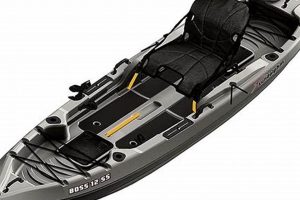
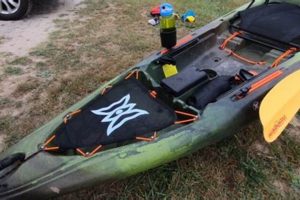
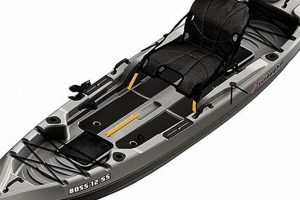
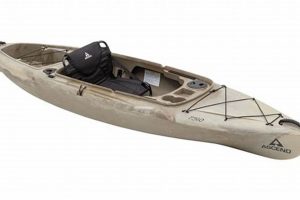
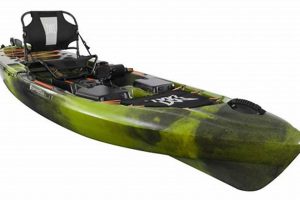
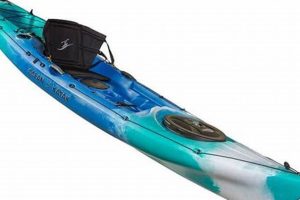
Two primary kayak styles dominate the fishing market: enclosed-hull and open-deck designs. Enclosed-hull kayaks offer a drier ride and greater protection from the elements, featuring a cockpit where the paddler sits inside the hull. Open-deck kayaks, conversely, provide superior stability and ease of entry and exit, with the paddler seated on top of the hull. This fundamental difference significantly impacts performance, comfort, and suitability for various fishing environments.
The choice between these designs depends on several factors, including water conditions, fishing style, and personal preference. Enclosed hulls offer advantages in colder climates and rougher waters, while open decks excel in warm, calm conditions and situations requiring frequent entry and exit, such as wading or retrieving gear. The evolution of these distinct styles reflects the diverse needs of anglers seeking specialized watercraft for optimal fishing experiences. Choosing the appropriate design enhances stability, maneuverability, and overall fishing success.
Subsequent sections will explore the advantages and disadvantages of each design in greater detail, considering factors like stability, speed, comfort, storage, and specialized features tailored for fishing. This analysis will empower anglers to make informed decisions when selecting the most suitable kayak for their individual needs and fishing preferences.
Tips for Choosing Between Kayak Styles
Selecting the appropriate kayak style significantly impacts fishing success and overall enjoyment on the water. Careful consideration of individual needs and intended usage is crucial. The following tips provide guidance for making an informed decision.
Tip 1: Prioritize Stability Needs: Anglers prioritizing stability, especially for activities like stand-up fishing or frequent casting, should strongly consider open-deck designs. Their wider beam and inherent buoyancy offer superior stability compared to enclosed-hull kayaks.
Tip 2: Evaluate Water Conditions: Enclosed-hull kayaks offer a drier and warmer ride, making them suitable for colder climates or rough waters. Open-deck kayaks are preferable in warmer conditions where occasional splashing is less of a concern.
Tip 3: Consider Fishing Style: Anglers who frequently enter and exit the kayak for wading or retrieving gear will find open-deck kayaks more convenient. Enclosed-hull kayaks are better suited for trolling or fishing in deeper water.
Tip 4: Assess Storage Requirements: Evaluate gear storage needs. Open-deck kayaks often provide more accessible and versatile storage options for larger items, while enclosed-hull kayaks might offer protected storage compartments for sensitive electronics or equipment.
Tip 5: Factor in Maneuverability: Shorter kayaks generally offer greater maneuverability in tight spaces, such as creeks or rivers. Longer kayaks track better in open water and offer increased speed. Consider the typical fishing environment when making a selection.
Tip 6: Think About Comfort: Consider the seating system and overall comfort. Enclosed-hull kayaks offer back support and protection from the elements. Open-deck kayaks provide greater freedom of movement but may require aftermarket seating upgrades for extended trips.
Tip 7: Set a Budget: Kayak prices vary significantly. Establish a budget early in the decision-making process to narrow down available options and prioritize essential features.
By considering these tips, anglers can select a kayak that maximizes comfort, performance, and fishing effectiveness. The right kayak enhances the overall fishing experience and allows for greater focus on the sport itself.
The concluding section will summarize the key differences between enclosed-hull and open-deck kayaks, providing a final overview to aid in the selection process.
1. Stability

Stability is a critical factor in kayak fishing, influencing casting accuracy, safety, and overall angling experience. The inherent design differences between sit-in and sit-on-top kayaks significantly impact stability, requiring careful consideration based on individual needs and fishing styles.
- Center of Gravity
Sit-in kayaks typically have a lower center of gravity due to the paddler’s seated position within the hull. This lower center of gravity contributes to primary stability, making the kayak feel more stable initially. However, secondary stability, or the ability to recover from a tilt, can be more limited. Sit-on-top kayaks possess a higher center of gravity, which can feel less stable initially, but often provides greater secondary stability due to the wider hull design. This difference becomes particularly relevant when standing to fish.
- Hull Design
Hull shape significantly affects stability. Wider, flatter hulls, common in sit-on-top kayaks, generally provide greater initial stability. Narrower, V-shaped hulls, often found in sit-in kayaks, prioritize speed and tracking over initial stability. Specialized hull designs like pontoon hulls further enhance stability on sit-on-top kayaks.
- Weight Distribution
Proper weight distribution plays a crucial role in kayak stability. In both sit-in and sit-on-top kayaks, evenly distributing gear and maintaining a balanced posture enhances stability. Sit-on-top kayaks offer more flexibility in weight distribution due to open deck space, allowing anglers to strategically position gear for optimal balance.
- Water Conditions
Water conditions influence kayak stability. Calm, flat water minimizes stability challenges for both kayak types. However, in rougher conditions, the lower center of gravity and enclosed cockpit of a sit-in kayak can provide an advantage, reducing the likelihood of capsizing. Sit-on-top kayaks, while generally more stable initially, may be more susceptible to being rocked by waves or currents.
Ultimately, the “best” stability depends on individual needs and preferences. Anglers prioritizing initial stability and intending to stand frequently might prefer a sit-on-top kayak. Those prioritizing secondary stability and a drier ride in rougher conditions might favor a sit-in kayak. Carefully considering these stability factors ensures a safe and enjoyable fishing experience.
2. Comfort

Comfort significantly impacts fishing kayak experiences, influencing endurance and enjoyment. Sit-in and sit-on-top kayaks offer distinct comfort characteristics, each catering to different preferences and fishing styles. Choosing the appropriate design requires careful consideration of factors such as seating, legroom, and overall ergonomics. An uncomfortable kayak can lead to fatigue, reduced fishing effectiveness, and potentially even physical discomfort or pain.
Sit-in kayaks typically offer adjustable backrests and contoured seats, providing substantial support for extended periods. The enclosed cockpit protects from wind, water, and cooler temperatures, enhancing comfort in various conditions. However, legroom can be more restricted in sit-in kayaks, potentially causing discomfort for taller individuals or those who prefer greater freedom of movement. Anglers accustomed to traditional seated activities might find the enclosed and supportive nature of sit-in kayaks more comfortable. For instance, anglers focusing on trolling or still-fishing, where prolonged sitting is common, may appreciate the enhanced back support and weather protection of a sit-in design. Conversely, individuals prioritizing freedom of movement might find sit-in kayaks restrictive.
Sit-on-top kayaks offer greater freedom of movement and unrestricted legroom. Anglers can easily change positions, stretch their legs, and even stand up to fish. This open design promotes better ventilation and facilitates easier entry and exit, which can be particularly advantageous in warmer climates or for anglers with mobility limitations. However, sit-on-top kayaks typically offer less back support and expose anglers to the elements. While aftermarket seating upgrades can enhance comfort, the fundamental design prioritizes freedom of movement over structured support. Anglers engaging in active fishing styles, such as sight casting or fly fishing, might prioritize the unrestricted movement and ease of entry/exit offered by sit-on-top kayaks. Extended trips in colder conditions, however, might necessitate additional gear for warmth and comfort.
Ultimately, comfort is subjective and depends on individual preferences and intended use. Evaluating these comfort factors ensures a more enjoyable and productive fishing experience. Prioritizing comfort contributes to longer fishing trips with reduced fatigue, allowing anglers to focus on the sport.
3. Fishing Access
Fishing access, encompassing ease of entry and exit, casting range, and overall maneuverability, represents a crucial differentiator between sit-in and sit-on-top kayaks. The chosen design significantly impacts angling techniques and the ability to effectively target specific fish species or navigate diverse water environments. Understanding these nuances empowers anglers to select the optimal kayak for their fishing style and target locations.
- Entry and Exit
Sit-on-top kayaks offer unparalleled ease of entry and exit. This design simplifies wading, repositioning, and re-entering the kayak after a swim or landing a fish. Sit-in kayaks, requiring maneuvering into and out of a cockpit, present greater challenges, particularly in deep water or for individuals with mobility limitations. This distinction becomes crucial when fishing in dynamic environments requiring frequent transitions between wading and paddling.
- Casting Range and Angle
Sit-on-top kayaks provide a wider, more open platform, facilitating greater casting range and flexibility in casting angles. Anglers can easily stand, shift weight, and cast in various directions without feeling confined. Sit-in kayaks, while offering stability for seated casting, can restrict casting range and limit options for overhead or sidearm casts. This factor influences fishing styles requiring expansive casting coverage, such as fly fishing or topwater techniques.
- Maneuverability and Navigation
Maneuverability differs significantly between kayak styles. Shorter sit-on-top kayaks often excel in navigating tight, shallow areas like creeks or mangrove tunnels. Their wider hulls, however, can compromise tracking in open water. Sit-in kayaks, particularly longer, narrower designs, track more efficiently in open water but may lack the agility of sit-on-top models in confined spaces. The choice depends on the target fishing environment and the need for precise maneuverability versus straight-line tracking.
- Water Accessibility
Sit-on-top kayaks offer superior accessibility to the water itself. Anglers can easily dangle feet or quickly enter the water for a refreshing dip or to assist in landing a fish. This direct water access can be advantageous in warmer climates or for fishing styles requiring frequent interaction with the water. Sit-in kayaks, with their enclosed cockpits, limit direct water contact, keeping anglers drier but potentially hindering certain fishing techniques or rapid cooling.
These facets of fishing access directly influence angling effectiveness and overall experience. Selecting a kayak design aligned with specific fishing styles and target environments ensures optimal performance and enjoyment on the water. Balancing ease of entry, casting range, maneuverability, and water accessibility empowers anglers to pursue diverse fishing opportunities with confidence and comfort.
4. Gear Storage

Gear storage significantly influences fishing kayak selection. Differing storage capacities, accessibility, and security features distinguish sit-in and sit-on-top designs. Anglers must carefully evaluate these aspects to ensure compatibility with their fishing style and gear requirements. Insufficient or poorly designed storage can compromise organization, efficiency, and overall fishing success. For example, an angler carrying extensive tackle for diverse fishing techniques requires ample, well-organized storage, whereas a minimalist angler might prioritize compact storage solutions.
Sit-in kayaks typically offer enclosed storage compartments within the hull, protecting gear from the elements and potential loss. These compartments, however, can be limited in size and accessibility, potentially requiring removal of gear to access other items. Smaller hatches and internal storage bays accommodate essential gear but might restrict bulkier items like tackle boxes or larger landing nets. This design prioritizes gear protection and security, catering to anglers carrying sensitive electronics or valuables. Conversely, sit-on-top kayaks offer greater storage versatility with open deck space and integrated tank wells. This design accommodates larger items and facilitates quick access to frequently used gear. Bungee cords and tie-down points secure equipment, while specialized storage crates or bags further enhance organization. However, exposed gear remains susceptible to the elements and potential loss overboard. This open storage concept suits anglers prioritizing accessibility and carrying larger fishing gear.
Understanding gear storage needs and matching them to kayak design optimizes fishing efficiency and enjoyment. Evaluating storage capacity, accessibility, and security features ensures appropriate gear organization and minimizes potential disruptions during fishing excursions. Ultimately, the optimal storage solution depends on individual fishing styles, gear preferences, and target environments. Balancing storage capacity with accessibility and security enhances overall fishing experiences and allows anglers to focus on the sport itself.
5. Weather Protection
Weather protection plays a crucial role in fishing kayak selection, directly influencing angler comfort, safety, and overall fishing experience. Sit-in and sit-on-top kayaks offer distinct levels of protection from the elements, necessitating careful consideration of prevailing weather conditions and personal tolerance for exposure. Choosing the appropriate kayak design enhances comfort and safety, allowing anglers to focus on fishing rather than battling the elements.
- Wind and Spray
Sit-in kayaks provide significantly greater protection from wind and spray due to their enclosed cockpits. The higher sides and surrounding deck deflect wind and water, keeping anglers drier and warmer, particularly in choppy conditions or during colder seasons. Spray skirts further enhance protection, creating a watertight seal around the cockpit opening. Sit-on-top kayaks, with their open design, expose anglers to wind and spray. While scupper holes drain water from the deck, anglers inevitably experience greater exposure to the elements. This exposure can lead to discomfort, reduced core body temperature, and potential safety concerns in adverse conditions.
- Rain and Cold
Sit-in kayaks offer superior protection from rain and cold. The enclosed cockpit minimizes exposure to precipitation and retains body heat, enhancing comfort during inclement weather. Combined with appropriate clothing layers, sit-in kayaks enable fishing in colder temperatures or during light rain. Sit-on-top kayaks offer minimal protection from rain and cold. Anglers are directly exposed to precipitation, leading to discomfort and potential hypothermia in colder conditions. Specialized rain gear or dry suits can mitigate these effects, but the fundamental design exposes anglers to the elements.
- Sun Exposure
Sit-on-top kayaks offer greater exposure to sunlight, necessitating sun protection measures like sunscreen, hats, and protective clothing. While enjoying the sun can enhance the fishing experience, prolonged exposure increases the risk of sunburn and other sun-related health issues. Sit-in kayaks provide some shade from direct sunlight, reducing exposure but not eliminating the need for sun protection. The cockpit rim and deck can cast shadows, offering intermittent relief from direct sunlight, but exposed areas still require appropriate protection.
- Temperature Regulation
Sit-in kayaks, with their enclosed cockpits, retain body heat more effectively than sit-on-top kayaks, offering advantages in colder conditions. This retained heat creates a warmer microclimate within the cockpit, enhancing comfort and reducing the risk of hypothermia. Conversely, sit-in kayaks can become excessively warm in hot weather, requiring ventilation strategies like opening hatches or wearing breathable clothing. Sit-on-top kayaks provide greater ventilation, promoting airflow and reducing heat buildup in warmer conditions. This open design allows for better temperature regulation in hot weather but sacrifices warmth in colder temperatures.
Ultimately, the preferred level of weather protection depends on individual preferences, typical fishing conditions, and overall climate. Anglers fishing in predominantly cold or wet environments might prioritize the enhanced protection of a sit-in kayak. Those fishing in warmer climates or preferring greater freedom of movement might favor the open design of a sit-on-top kayak, accepting increased exposure to the elements. Carefully considering weather protection needs ensures a safer, more comfortable, and ultimately more enjoyable fishing experience.
6. Maneuverability
Maneuverability represents a critical performance characteristic differentiating sit-in and sit-on-top fishing kayaks. This attribute, encompassing turning radius, responsiveness, and overall agility, significantly impacts navigation in diverse water environments. Understanding the relationship between kayak design and maneuverability empowers anglers to select the optimal vessel for specific fishing locations and techniques. For example, navigating tight, shallow creeks demands greater maneuverability than trolling in open water.
Sit-in kayaks, particularly those with longer, narrower hulls, generally excel in tracking and maintaining straight-line speed. Their streamlined design minimizes drag, enhancing efficiency in open water or covering longer distances. However, this design characteristic often compromises turning radius and agility in confined spaces. Shorter sit-in kayaks offer improved maneuverability but may sacrifice tracking performance. Conversely, sit-on-top kayaks, frequently featuring wider, shorter hulls, prioritize maneuverability over straight-line tracking. Their wider hulls provide greater stability, enabling sharper turns and quicker responsiveness to paddle input. This design excels in navigating tight corners, shallow areas, and obstacle-rich environments like mangrove forests or rocky shorelines. However, the wider hull increases drag, potentially reducing speed and efficiency in open water. Specialized hull designs, such as those incorporating a shallow-V or flat bottom, further enhance maneuverability in specific conditions.
Several factors beyond hull design influence kayak maneuverability. Paddle length and blade shape impact turning efficiency and responsiveness. Rudder systems, common on longer touring kayaks, significantly enhance directional control and maneuverability in windy conditions or currents. Weight distribution within the kayak also plays a role; unevenly distributed weight can compromise maneuverability and responsiveness. Ultimately, selecting a kayak with appropriate maneuverability characteristics depends on the intended fishing environment and individual paddling style. Balancing maneuverability with tracking performance, speed, and stability ensures an efficient and enjoyable fishing experience.
Frequently Asked Questions
This section addresses common inquiries regarding the selection of fishing kayaks, focusing on the key distinctions between sit-in and sit-on-top designs. Clear, concise answers provide practical guidance for informed decision-making.
Question 1: Which kayak type offers superior stability for stand-up fishing?
Sit-on-top kayaks generally provide greater stability for stand-up fishing due to their wider hull design and higher center of gravity, contributing to enhanced secondary stability. While initial stability might feel less pronounced, the ability to recover from a tilt is generally superior.
Question 2: Which kayak type is better suited for cold or rough water conditions?
Sit-in kayaks offer superior protection from cold, wind, and spray due to their enclosed cockpits. This design enhances comfort and safety in challenging conditions, keeping anglers drier and warmer.
Question 3: Which kayak type provides greater accessibility for gear storage?
Sit-on-top kayaks generally offer more accessible gear storage due to their open deck design and integrated tank wells. This layout facilitates quicker access to frequently used items and accommodates larger gear more readily.
Question 4: Which kayak type is easier to enter and exit?
Sit-on-top kayaks offer significantly easier entry and exit compared to sit-in kayaks, simplifying transitions for wading, repositioning, or re-entering after a swim.
Question 5: Which kayak type offers better maneuverability in tight spaces, such as creeks or rivers?
Sit-on-top kayaks, often featuring shorter, wider hulls, typically offer superior maneuverability in tight spaces, facilitating navigation through complex or obstacle-rich environments.
Question 6: Which kayak type is better for long-distance paddling or open-water fishing?
Sit-in kayaks, particularly those with longer, narrower hulls, generally track better and offer increased efficiency for long-distance paddling or open-water fishing, minimizing drag and maximizing speed.
Careful consideration of these factors, alongside individual fishing styles and target environments, ensures selection of the most appropriate kayak design. Prioritizing specific needs, such as stability, weather protection, or storage capacity, guides informed decision-making and enhances overall fishing experiences.
The subsequent section will offer concluding remarks and summarize key takeaways to aid in final kayak selection.
Sit-In vs. Sit-On-Top Fishing Kayak
Choosing between a sit-in and a sit-on-top fishing kayak requires careful consideration of various factors. This discussion has explored key differences in stability, comfort, fishing access, gear storage, weather protection, and maneuverability. Sit-in kayaks offer advantages in colder climates and rougher waters, providing a drier, more protected experience. Their enclosed cockpits enhance warmth and shield anglers from wind and spray. Sit-on-top kayaks excel in warmer conditions and situations demanding frequent entry and exit, offering superior stability and freedom of movement. Their open design simplifies wading, repositioning, and provides greater casting flexibility. Gear storage considerations vary, with sit-ins offering protected compartments and sit-on-tops providing more accessible open deck space. Maneuverability differs based on hull design, with sit-on-tops generally excelling in tight spaces and sit-ins prioritizing tracking in open water.
Ultimately, the ideal kayak depends on individual needs, fishing styles, and target environments. Careful evaluation of these factors ensures selection of a vessel that maximizes comfort, performance, and fishing success. The informed angler, equipped with this knowledge, can confidently choose the kayak best suited to their specific requirements, enhancing enjoyment and effectiveness on the water. The decision remains a personal one, balancing priorities and aligning kayak characteristics with individual preferences and anticipated fishing experiences.