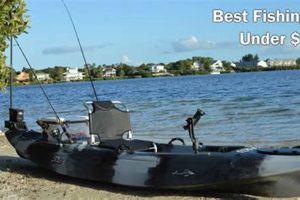
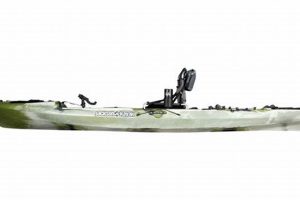
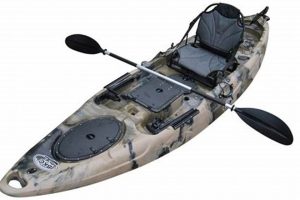
A top-tier, versatile fishing kayak ideally balances stability, maneuverability, comfort, and storage capacity, making it suitable for diverse water conditions and fishing styles. Such a vessel might feature a comfortable seat, ample storage for gear and catches, and a stable hull design facilitating stand-up fishing while remaining nimble enough for navigating tight spots in rivers or maneuvering across open lakes. A quality fishing kayak will also typically include specialized features like rod holders, paddle clips, and perhaps even integrated fish finders.
Choosing the appropriate watercraft is paramount for a successful and enjoyable fishing experience. A well-rounded kayak allows anglers to explore various fishing environments, from calm lakes and slow-moving rivers to sheltered coastal waters, maximizing their angling opportunities. This versatility removes the limitation of needing specialized kayaks for different environments, representing both a practical and financial advantage. Historically, fishing kayaks were simpler, less specialized craft. However, advancements in design and materials have led to the development of highly capable vessels that cater to specific fishing needs and preferences, including the rise of the “all-around” option for diverse fishing experiences.
Factors to consider when selecting a high-performing, multi-purpose fishing kayak include hull design (sit-on-top vs. sit-inside), length, width, weight capacity, storage options, and included features. The following sections will delve deeper into these crucial aspects, offering detailed guidance for choosing the ideal vessel for individual needs and fishing styles.
Tips for Selecting a Versatile Fishing Kayak
Choosing a suitable fishing kayak requires careful consideration of various factors to ensure optimal performance and enjoyment on the water. The following tips offer guidance for selecting a versatile craft suited to diverse fishing environments and styles.
Tip 1: Prioritize Stability: Hull design significantly impacts stability. Wider kayaks offer increased primary stability (resistance to initial tipping), while longer kayaks provide better secondary stability (resistance to capsizing after tipping). Consider the intended fishing environment and whether stand-up fishing is desired.
Tip 2: Evaluate Maneuverability: Shorter kayaks are generally more maneuverable, making them ideal for navigating tight spaces in rivers and creeks. Longer kayaks track better in open water but may be less responsive in confined areas. Consider the typical fishing locations.
Tip 3: Assess Comfort and Adjustability: A comfortable seat with good back support is essential, especially for longer fishing trips. Adjustable features, such as footrests and seat positioning, allow for customization to individual body types.
Tip 4: Consider Storage Capacity: Ample storage space is crucial for carrying fishing gear, tackle boxes, and catches. Evaluate storage compartments, hatches, and bungee systems to ensure sufficient capacity for anticipated needs.
Tip 5: Examine Weight Capacity: The kayak’s weight capacity should accommodate the angler’s weight, plus the weight of all gear and potential catches. Exceeding the weight capacity compromises stability and performance.
Tip 6: Factor in Intended Fishing Style: Different fishing styles have unique requirements. Consider whether trolling, casting, or still-fishing will be primary and select a kayak with features that support these activities, such as rod holders and anchor trolleys.
Tip 7: Research Materials and Construction: Kayak construction materials affect durability, weight, and performance. Polyethylene is common for its durability and affordability, while higher-end materials like fiberglass and composite offer lighter weight and improved performance.
By carefully considering these factors, anglers can select a versatile fishing kayak that enhances their on-the-water experience, providing stability, maneuverability, comfort, and ample storage for all their fishing needs.
These considerations ultimately contribute to selecting a kayak that maximizes fishing success and enjoyment, ensuring a comfortable and productive experience on the water.
1. Stability

Stability is a critical factor in evaluating fishing kayaks, particularly those intended for diverse environments and fishing styles. A stable platform ensures angler safety and facilitates effective fishing techniques, from casting and retrieving to landing fish. Compromised stability can lead to difficulties in maneuvering, angler fatigue, and even capsizing, significantly impacting the overall fishing experience. The following facets of stability are crucial considerations when selecting a versatile fishing kayak.
- Primary Stability
Primary stability refers to a kayak’s initial resistance to tipping. A wider hull typically provides greater primary stability, making it feel more secure and less prone to rocking when at rest or making small movements. This is advantageous for anglers who prefer to stand while fishing or frequently shift their weight. Enhanced primary stability allows for more confident and comfortable casting, retrieves, and hooksets. Anglers fishing in calm waters or employing techniques requiring stationary positioning often prioritize high primary stability.
- Secondary Stability
Secondary stability refers to a kayak’s resistance to capsizing after it has begun to tip. Longer kayaks and those with a more rounded hull design generally exhibit greater secondary stability. While these kayaks might feel initially less stable than wider, flatter-bottomed kayaks, they offer greater resistance to flipping over entirely. This is crucial in rougher waters or when encountering unexpected waves or wakes. Anglers who frequently fish in dynamic water conditions often prioritize secondary stability for enhanced safety and control.
- Contributing Factors to Stability
Several factors beyond hull design influence stability. Kayak length and width are primary determinants, but features such as the seat height and center of gravity also play significant roles. Lower seats and a lower center of gravity contribute to greater stability. Additional factors include the angler’s weight distribution and the presence of added gear or catches. Understanding how these elements interact is essential for selecting a kayak that offers the appropriate stability profile.
- Stability in Relation to Fishing Style
Different fishing styles benefit from varying levels of stability. Anglers engaging in stand-up fishing require exceptional stability, prioritizing kayaks with wider beams and flat bottoms. Those focused on trolling or drifting might prioritize tracking and speed over absolute stability, opting for a slightly narrower hull. Anglers fishing in moving water or surf zones often prefer kayaks with enhanced secondary stability to navigate challenging conditions safely. Matching stability characteristics to the intended fishing style is crucial for maximizing performance and safety on the water.
Selecting a fishing kayak with the right balance of primary and secondary stability, considering individual fishing style and the anticipated water conditions, is crucial for a successful and enjoyable angling experience. A stable kayak fosters confidence, allowing the angler to focus on fishing rather than maintaining balance, and significantly contributes to the overall performance and safety of any on-the-water excursion.
2. Maneuverability

Maneuverability is a crucial aspect of a versatile fishing kayak, dictating its effectiveness in navigating diverse water environments and approaching fishing spots efficiently. A highly maneuverable kayak allows anglers to access tight creeks, navigate around obstacles, and adjust positioning quickly when targeting fish. Compromised maneuverability can limit fishing opportunities and create frustration, particularly in complex or confined waterways. Understanding the factors that influence maneuverability is essential for selecting a kayak suitable for a variety of fishing scenarios.
- Hull Design and Length
Hull design significantly impacts maneuverability. Shorter kayaks with a flatter hull tend to turn more quickly and require less effort to change direction, making them ideal for navigating tight spaces and maneuvering around obstacles in rivers and creeks. Longer kayaks, while offering superior tracking in open water, generally exhibit reduced turning responsiveness. A kayak’s rocker, the curvature of the hull from bow to stern, also plays a role, with higher rocker profiles enhancing maneuverability while potentially sacrificing some tracking performance.
- Water Conditions
Maneuverability can be influenced by prevailing water conditions. Strong currents and winds can significantly impact a kayak’s handling, requiring greater effort to maintain control and direction. A kayak’s maneuverability in various conditions should be considered, especially if fishing in areas known for dynamic currents or wind patterns.
- Weight and Load
A kayak’s weight, along with the combined weight of the angler and gear, influences its responsiveness and maneuverability. Heavier kayaks require more effort to turn and accelerate, while lighter kayaks respond more quickly to paddle strokes and changes in direction. The distribution of weight within the kayak also plays a role, with evenly distributed loads contributing to more balanced and predictable handling.
- Paddle Length and Technique
Paddle length and paddling technique further influence maneuverability. A shorter paddle offers greater control for quick turns and adjustments, while a longer paddle provides more power and speed for straight-line paddling. Efficient paddling techniques, such as sweep strokes and draws, are essential for precise maneuvering, particularly in confined spaces or challenging conditions.
Selecting a fishing kayak with the appropriate level of maneuverability depends on the intended fishing environments and the angler’s specific needs. A kayak designed for optimal maneuverability allows for efficient navigation and access to prime fishing locations, ultimately contributing to a more productive and enjoyable fishing experience. The interplay between hull design, water conditions, weight distribution, and paddling technique must be considered to select a versatile kayak capable of navigating diverse waterways effectively.
3. Storage Capacity
Storage capacity is a defining characteristic of a versatile fishing kayak, directly influencing its practicality and effectiveness for diverse angling scenarios. Ample and well-designed storage enables anglers to carry essential gear, including tackle boxes, rods, safety equipment, and personal items, as well as accommodate caught fish. Insufficient storage can limit fishing range, compromise safety by necessitating gear choices based on space rather than need, and diminish the overall fishing experience. For instance, an angler targeting large game fish requires significantly more storage for specialized equipment and potential catches compared to someone pursuing panfish in a small pond. The “best all around fishing kayak” addresses this variability by offering sufficient and adaptable storage solutions.
Several storage features contribute to a kayak’s overall utility. Dedicated compartments for tackle boxes ensure organized access to lures and tools. Rod holders, both flush-mounted and adjustable, secure rods while paddling or fishing. Bungee systems and cargo nets provide additional storage for dry bags, coolers, and other items. Large, sealed hatches accommodate larger items and protect them from water damage. The strategic placement and accessibility of these features significantly impact their practicality. For example, a rear well with bungee cords might be ideal for storing a crate, while side-mounted rod holders offer quick access while fishing. Understanding these varied storage options and their suitability for different fishing styles is crucial for selecting a truly versatile kayak.
A well-designed storage system optimizes the fishing experience by allowing anglers to carry all necessary equipment comfortably and safely, maximizing preparedness for diverse fishing scenarios. This preparedness enhances fishing effectiveness and contributes to a more enjoyable and productive time on the water. Challenges arise when storage capacity is inadequate or poorly designed, potentially leading to compromised safety, limited fishing range, and overall frustration. Therefore, careful consideration of storage needs and the specific storage features offered by a kayak are crucial elements in selecting a “best all around” option capable of meeting the demands of varied fishing environments and target species.
4. Comfort Features

Comfort features significantly influence the overall fishing experience, particularly during extended trips. A comfortable kayak enables anglers to focus on fishing rather than physical discomfort, maximizing enjoyment and endurance. In the context of the “best all around fishing kayak,” comfort translates to versatility, allowing anglers to pursue diverse fishing styles and endure varying conditions without compromising performance or enjoyment. An uncomfortable kayak can curtail fishing trips and diminish overall satisfaction, regardless of other performance attributes. The following facets of comfort are essential considerations:
- Seating System
The seating system is arguably the most crucial comfort feature. A well-designed seat provides adequate support, promoting proper posture and reducing fatigue. Adjustable features, such as backrest angle and seat height, accommodate individual preferences and body types. High-quality padding and breathable materials enhance comfort, particularly in warm weather. Examples include adjustable high-back seats with lumbar support and breathable mesh fabric. A poorly designed seat can lead to back pain, discomfort, and a shortened fishing trip, regardless of other kayak features.
- Footrests
Adjustable footrests contribute significantly to paddling efficiency and overall comfort. Properly positioned footrests provide leverage for paddling, reducing leg fatigue and enhancing stability. Adjustable systems accommodate varying leg lengths and paddling styles. Examples include sliding foot braces and adjustable peg systems. Fixed or poorly positioned footrests can lead to discomfort, cramping, and reduced paddling efficiency, hindering maneuverability and enjoyment.
- Deck Space and Layout
Ample deck space and a well-designed layout contribute to comfort and fishing efficiency. Adequate space allows for comfortable movement and gear organization, minimizing clutter and maximizing accessibility. Recessed areas for storing tackle and other items contribute to a clean, uncluttered deck. Examples include flat deck areas for stand-up fishing and strategically placed storage compartments. Cramped or poorly organized deck space can lead to frustration, difficulty in accessing gear, and potential safety hazards.
- Carrying Handles and Accessories
Ergonomically designed carrying handles and strategically placed accessories further enhance comfort and usability. Comfortable handles facilitate easy transport to and from the water. Integrated features like cup holders, paddle parks, and accessory mounting points enhance convenience and minimize clutter. Examples include molded-in handles, retractable carrying handles, and integrated accessory tracks. Poorly designed handles can make transporting the kayak difficult, while a lack of convenient accessory placement can lead to frustration and disorganization.
These comfort features collectively contribute to a more enjoyable and productive fishing experience. A comfortable angler is a more focused and efficient angler, capable of enduring longer trips and tackling diverse fishing scenarios. In selecting a “best all around fishing kayak,” prioritizing comfort alongside performance aspects ensures versatility and maximizes enjoyment on the water.
5. Durable Construction

Durable construction is paramount for a “best all around fishing kayak,” ensuring longevity, resilience against diverse environmental conditions, and reliable performance over time. A kayak’s construction directly impacts its resistance to impacts, abrasion, UV degradation, and general wear and tear. Investing in a durably constructed kayak minimizes repair needs, extends its lifespan, and ultimately enhances the overall fishing experience by providing a reliable and robust platform for diverse angling adventures.
- Material Selection
The choice of material significantly influences a kayak’s durability. Common materials include polyethylene, fiberglass, and composites. Polyethylene kayaks offer excellent impact resistance and affordability, making them suitable for recreational use and handling occasional bumps and scrapes. Fiberglass kayaks provide a balance of durability, performance, and lighter weight, often preferred by anglers seeking enhanced speed and efficiency. Composite kayaks, constructed from a blend of materials like Kevlar and carbon fiber, offer the highest level of durability, stiffness, and lightweight performance, ideal for demanding conditions and long-term use. Selecting the appropriate material depends on the anticipated usage, fishing environment, and budget.
- Hull Construction Techniques
Hull construction techniques significantly affect durability. Rotomolded polyethylene kayaks offer a single-piece, seamless construction, enhancing impact resistance and minimizing weak points. Fiberglass kayaks utilize layered construction with resin bonding, offering a strong and lightweight hull. Composite kayaks employ advanced construction techniques, often involving vacuum bagging and precise layering, resulting in exceptional strength, stiffness, and light weight. Understanding the different construction techniques provides insights into a kayak’s resilience and long-term performance.
- Hardware and Fittings
The quality of hardware and fittings further contributes to a kayak’s overall durability. Marine-grade stainless steel hardware resists corrosion and provides long-lasting performance in harsh saltwater environments. Reinforced attachment points for seats, handles, and other accessories enhance structural integrity and minimize the risk of failure. High-quality hatch seals and covers prevent water intrusion, protecting stored gear and maintaining buoyancy. Durable hardware and fittings ensure the kayak remains functional and reliable over extended use.
- UV Resistance
UV resistance is a critical factor for kayaks regularly exposed to sunlight. UV radiation can degrade materials over time, leading to fading, cracking, and reduced structural integrity. Kayaks constructed with UV-resistant materials or treated with UV-protective coatings maintain their color and structural integrity, extending their lifespan. This is particularly important for kayaks stored outdoors or used frequently in sunny climates. Ignoring UV resistance can lead to premature aging and compromise the kayak’s long-term performance.
A durably constructed kayak is essential for the “best all around fishing kayak” designation, guaranteeing reliable performance, longevity, and resilience against diverse fishing conditions. By considering material selection, construction techniques, hardware quality, and UV resistance, anglers can select a kayak that withstands the rigors of regular use, providing a dependable platform for years of enjoyable fishing experiences. The initial investment in a durable kayak ultimately pays dividends through extended lifespan, reduced maintenance, and peace of mind on the water, contributing significantly to the overall value and enjoyment of the “best all around” experience.
Frequently Asked Questions
This section addresses common inquiries regarding the selection and use of versatile fishing kayaks, providing concise and informative responses to assist in making informed decisions.
Question 1: What differentiates an “all-around” fishing kayak from specialized models?
An “all-around” fishing kayak aims to balance performance across various fishing styles and environments. Specialized models prioritize specific attributes, such as speed for offshore fishing or maneuverability for navigating tight rivers. An all-around kayak offers a compromise, providing acceptable performance across a broader spectrum of conditions without excelling in any single area.
Question 2: How does hull design influence stability and maneuverability?
Wider hulls generally provide greater initial stability, while longer hulls contribute to tracking and secondary stability (resistance to capsizing after tipping). Shorter kayaks tend to be more maneuverable, while longer kayaks excel in tracking straight. “All-around” kayaks typically incorporate design elements to balance these characteristics.
Question 3: What storage features should one consider in a versatile fishing kayak?
Essential storage features include dedicated tackle compartments, rod holders (flush-mounted and adjustable), bungee systems, dry storage hatches, and tank wells. The specific needs depend on the intended fishing style and the amount of gear typically carried.
Question 4: What materials offer the best durability for a fishing kayak?
Polyethylene offers excellent impact resistance and affordability. Fiberglass provides a balance of durability, performance, and lighter weight. Composites offer the highest level of durability, stiffness, and lightweight performance, but at a premium cost. Material selection depends on budget and intended usage.
Question 5: How does weight capacity affect performance and safety?
Weight capacity dictates the total combined weight of the angler, gear, and potential catches the kayak can safely support. Exceeding this limit compromises stability and maneuverability, potentially leading to safety risks. Selecting a kayak with adequate weight capacity is crucial.
Question 6: What are key comfort features to consider for longer fishing trips?
Essential comfort features include an adjustable, supportive seat with good lumbar support, adjustable footrests, ample deck space for movement and gear storage, and ergonomically designed carrying handles. These features significantly impact endurance and enjoyment during extended fishing excursions.
Careful consideration of these factors assists in selecting a fishing kayak suitable for individual needs and preferences, ensuring a safe, comfortable, and productive experience on the water.
For a more detailed exploration of specific kayak models and their respective features, continue to the next section.
Conclusion
Choosing a high-performing, versatile fishing kayak requires careful evaluation of several interconnected factors. Stability, maneuverability, storage capacity, comfort features, and durable construction contribute collectively to a positive and productive fishing experience. Prioritizing a balanced approach, considering the intended fishing environment and individual needs, leads to a well-informed decision. No single “best” kayak exists; rather, the optimal choice depends on the specific requirements of each angler.
Ultimately, the pursuit of the ideal fishing kayak encourages a deeper understanding of the sport and its diverse demands. This careful consideration enhances not only on-the-water performance but also the overall enjoyment of angling. A well-chosen kayak becomes an extension of the angler, facilitating exploration, connection with nature, and the pursuit of a rewarding fishing experience.