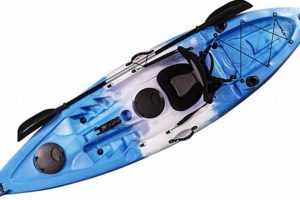
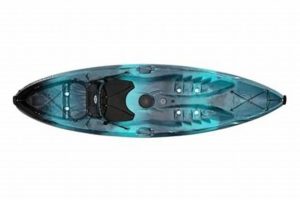
This activity involves angling from a small, human-powered vessel in the Pacific Northwest region of North America. This region, encompassing Oregon, Washington, and British Columbia, offers a unique combination of protected waterways and open ocean access, creating diverse opportunities for anglers. Picture sheltered bays teeming with rockfish, or the thrill of hooking a salmon in the open waters of the Puget Sound. These diverse environments provide anglers with numerous options, from calm inland waters to the challenging currents of the Pacific.
The accessibility of this pursuit contributes significantly to its popularity. Kayaks offer a relatively low-cost entry point to sport fishing compared to larger, motorized boats. They also provide a closer connection to nature, allowing anglers to quietly navigate through pristine waters and observe wildlife. Historically, indigenous peoples of the region utilized similar small craft for sustenance fishing, highlighting the enduring connection between humans and the water. This traditional practice underscores the enduring appeal and practicality of small boat fishing in the region.
The following sections will delve into specific aspects of this topic, including essential equipment, popular species targeted, recommended locations, and relevant regulations. Additional information will cover safety procedures, ethical considerations, and techniques for maximizing success on the water.
Tips for Pacific Northwest Kayak Angling
Successful kayak angling in the Pacific Northwest requires preparation and awareness. The following tips offer guidance for a safe and productive experience.
Tip 1: Dress for Immersion. Water temperatures in the Pacific Northwest remain cold year-round. Appropriate attire, including a dry suit or wetsuit, is crucial for safety and comfort in case of capsize.
Tip 2: File a Float Plan. Informing someone about intended fishing locations and expected return times is a fundamental safety precaution. This allows for timely assistance if needed.
Tip 3: Check Weather Forecasts. Conditions can change rapidly on the water. Consulting marine weather reports before departure and remaining vigilant throughout the trip is essential.
Tip 4: Understand Tidal Currents. Strong currents are common in the region and can significantly impact kayak handling. Planning around tidal flows is vital for efficient and safe navigation.
Tip 5: Carry Essential Safety Equipment. A personal flotation device (PFD), signaling devices (whistle, flares), and a first-aid kit are mandatory. A VHF radio is highly recommended for reliable communication.
Tip 6: Practice Self-Rescue Techniques. Knowing how to re-enter a kayak after capsizing is a crucial skill. Practicing these techniques in a controlled environment before venturing into open water is strongly advised.
Tip 7: Respect Wildlife. Maintaining a safe distance from marine mammals and other wildlife is important for both their well-being and angler safety. Adhering to local wildlife viewing guidelines is recommended.
Tip 8: Familiarize oneself with Local Regulations. Licensing requirements and catch limits vary. Consulting official resources for up-to-date information ensures compliance and contributes to sustainable fisheries management.
Adherence to these guidelines promotes a safe and rewarding experience, allowing anglers to fully appreciate the unique opportunities offered by this pursuit.
By incorporating these precautions and strategies, anglers can maximize their chances of a successful and enjoyable experience on the water, while minimizing potential risks and contributing to the preservation of the region’s natural resources.
1. Location Selection

Location selection plays a crucial role in successful northwest kayak fishing. The diverse environments of the Pacific Northwest, ranging from protected inlets and bays to open ocean waters, offer a wide array of fishing opportunities. Each location presents unique characteristics influencing species availability, tidal currents, and potential hazards. Choosing an appropriate location based on target species, angler experience, and prevailing conditions significantly impacts both safety and fishing success. For example, sheltered bays like Puget Sound offer calm waters ideal for beginners targeting rockfish or lingcod, while experienced anglers seeking salmon might venture further offshore near the Columbia River mouth. Careful consideration of location characteristics is paramount for a productive and safe fishing trip.
Effective location selection involves evaluating several factors. Water depth, structure, and prevailing currents influence fish distribution and behavior. Accessibility, including launch points and parking availability, is a practical consideration. Understanding local regulations, such as marine protected areas or seasonal closures, ensures compliance. For example, Willapa Bay offers excellent opportunities for crabbing and clam digging, while areas like Neah Bay require navigating stronger currents and open ocean swells. Integrating these factors into the decision-making process increases the probability of a successful outing.
Successful northwest kayak fishing hinges on informed location choices. A comprehensive understanding of the regions diverse waterways, coupled with a thorough assessment of individual needs and prevailing conditions, allows anglers to maximize their chances of success while prioritizing safety. Diligent planning, including consulting local resources and seeking advice from experienced anglers, further refines location selection, contributing to a more rewarding and safer on-the-water experience. Careful location selection allows anglers to connect with the rich aquatic environment of the Pacific Northwest responsibly and effectively.
2. Safety Equipment

Safety equipment plays a critical role in northwest kayak fishing due to the inherent risks associated with cold water, changing weather conditions, and remote locations. The Pacific Northwest’s waters remain cold throughout the year, increasing the risk of hypothermia in the event of capsize. Rapid weather changes can create challenging conditions, including strong winds, waves, and fog, which can disorient and endanger kayakers. Furthermore, many popular fishing locations are in remote areas with limited access to immediate assistance, necessitating preparedness for self-rescue and survival. Therefore, carrying appropriate safety gear is not merely recommended, but essential for mitigating these risks and ensuring a safe angling experience. For example, a personal flotation device (PFD) is a legal requirement and a fundamental piece of safety equipment, providing buoyancy and increasing visibility in the water. A reliable communication device, such as a VHF radio, enables contact with emergency services and other boaters, crucial in remote locations. A first-aid kit allows for immediate treatment of minor injuries, while signaling devices, like flares and whistles, aid in attracting attention if assistance is required. These items exemplify the necessary precautions for responsible kayak fishing in the region.
Beyond the basic safety essentials, additional equipment enhances preparedness for various scenarios. A bilge pump assists in removing water from the kayak in the event of swamping, while a paddle float aids in self-rescue after capsize. Carrying a spare paddle safeguards against breakage or loss, crucial for maintaining control in challenging conditions. Navigation tools, such as a compass and chart, prove invaluable in fog or unfamiliar waters. Investing in cold-water immersion gear, including a dry suit or wetsuit, significantly extends survival time in the event of prolonged exposure to cold water, a critical consideration given the region’s water temperatures. These additional precautions demonstrate a comprehensive approach to kayak fishing safety, increasing the likelihood of a positive outcome in unforeseen circumstances.
Careful consideration of safety equipment is paramount for responsible northwest kayak fishing. Carrying the necessary gear and understanding its proper use mitigates inherent risks associated with the sport, enhancing angler safety and overall experience. Prioritizing safety fosters a culture of responsible angling, contributing to a sustainable and enjoyable experience for all participants. Regular equipment checks, practice drills, and staying informed about current safety recommendations further enhance preparedness and minimize potential hazards. This proactive approach underscores the importance of safety as an integral aspect of kayak fishing in the Pacific Northwest.
3. Targeted Species

Targeted species significantly influence equipment choices, fishing techniques, and location selection in northwest kayak fishing. The diverse fish populations of the Pacific Northwest offer anglers a wide range of sporting opportunities, each species presenting unique challenges and rewards. Understanding the behavior, habitat preferences, and seasonal availability of target species is crucial for a successful and enjoyable fishing experience. This knowledge informs decisions regarding rod and reel selection, lure choices, and ideal fishing locations, ultimately maximizing the angler’s chances of success while promoting ethical and sustainable fishing practices. The following facets explore the connection between target species and various aspects of kayak angling in the region.
- Salmon
Salmon species, including Chinook, Coho, and Pink salmon, represent iconic targets for northwest kayak anglers. These anadromous fish return from the ocean to their natal rivers to spawn, creating seasonal fishing opportunities in both saltwater and freshwater environments. Targeting salmon often involves trolling or mooching techniques, requiring specialized gear and knowledge of migration patterns. The size and strength of these fish provide a challenging and rewarding angling experience. For example, Chinook salmon, known for their powerful runs, demand heavy tackle and skilled angling techniques. Understanding their seasonal runs and preferred habitats within specific river systems is essential for success. The pursuit of salmon from a kayak offers a unique and intimate connection with these remarkable fish and the natural environment.
- Rockfish
Rockfish, abundant in the rocky reefs and kelp forests of the Pacific Northwest, offer another popular target for kayak anglers. Numerous rockfish species inhabit these nearshore environments, presenting diverse opportunities for bottom fishing. Utilizing lighter tackle and jigs, anglers can target these bottom-dwelling fish in relatively shallow waters. Different rockfish species exhibit varying habitat preferences, requiring anglers to adapt their techniques based on location and depth. For example, Black Rockfish often congregate near kelp beds, while Copper Rockfish prefer deeper rocky areas. This diversity adds complexity and excitement to rockfish angling from a kayak.
- Lingcod
Lingcod, a large, predatory fish found in similar rocky habitats as rockfish, provide a challenging and rewarding target for kayak anglers. These ambush predators require specific techniques, such as using live bait or large jigs, to entice a strike. Lingcod often inhabit deeper waters and require heavier tackle to effectively land these powerful fish. Their aggressive nature and impressive size contribute to a thrilling angling experience. The challenge of hooking and landing a large lingcod from a kayak adds an element of excitement and accomplishment.
- Halibut
Halibut, a prized flatfish species, present an exciting challenge for experienced kayak anglers. These large fish inhabit deeper waters, often requiring specialized techniques and heavier tackle. Drift fishing with live bait or large jigs is a common method for targeting halibut. Successfully landing a halibut from a kayak requires skill and specialized equipment. The potential to catch a trophy-sized fish adds to the allure of targeting halibut from a kayak.
The diverse range of targeted species in northwest kayak fishing contributes significantly to the sport’s appeal. Each species presents unique challenges, requiring specific techniques, equipment, and knowledge of local habitats. From the powerful runs of salmon to the subtle tactics required for rockfish, the variety of angling experiences offered by the Pacific Northwest’s fish populations ensures a dynamic and rewarding pursuit for kayak anglers of all skill levels. Understanding the nuances of each species’ behavior and habitat preferences enhances not only fishing success but also contributes to a deeper appreciation of the region’s rich marine ecosystem.
4. Kayak Choice

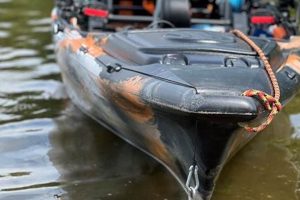
Kayak selection significantly influences success and safety in northwest kayak fishing. The diverse water conditions, ranging from calm inlets to open ocean, necessitate careful consideration of kayak design, features, and stability. An appropriate kayak enhances maneuverability, improves fishing efficiency, and ensures angler safety in varying conditions. Choosing between a sit-on-top, sit-inside, inflatable, or pedal-powered kayak depends on individual needs, fishing style, and target locations. Understanding the advantages and disadvantages of each type is crucial for informed decision-making.
- Sit-on-Top Kayaks
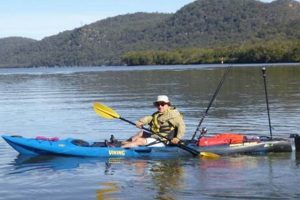
Sit-on-top kayaks offer inherent stability and self-bailing capabilities, making them suitable for beginners and fishing in rougher conditions. Their open design allows for easy entry and exit, facilitating water access and enhancing safety. However, sit-on-tops offer limited protection from the elements and reduced storage capacity compared to sit-inside models. This design makes them well-suited for calmer waters and warmer weather, less ideal for extended trips or cold conditions. Anglers targeting nearshore species like rockfish or lingcod often favor sit-on-tops for their stability and maneuverability in rocky areas.
- Sit-Inside Kayaks
Sit-inside kayaks provide greater protection from the elements and typically offer more storage space for gear and equipment. They excel in colder conditions and longer expeditions, offering a drier and warmer experience. However, sit-inside kayaks require more skill to re-enter after capsize, posing a greater risk in rough waters. They are better suited for experienced paddlers or those fishing in calmer, colder environments. Anglers targeting salmon in open water or undertaking multi-day trips might prefer sit-inside kayaks for increased comfort and storage capacity.
- Inflatable Kayaks
Inflatable kayaks provide portability and convenient storage, making them ideal for anglers with limited space or those seeking access to remote fishing locations. Advancements in inflatable kayak technology have increased their durability and performance, offering a viable option for various fishing styles. However, inflatable kayaks remain susceptible to punctures and may be less stable than rigid kayaks in challenging conditions. They are a practical option for anglers seeking a lightweight and portable solution, particularly for calmer waters or shorter trips. Anglers accessing remote lakes or rivers might choose inflatable kayaks for their ease of transport and compact storage.
- Pedal-Powered Kayaks
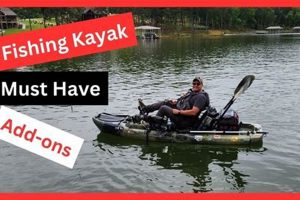
Pedal-powered kayaks allow anglers to cover greater distances and maintain hands-free fishing, enhancing efficiency. These kayaks utilize either propeller or fin systems for propulsion, freeing the angler’s hands for rod manipulation and other tasks. This advantage proves beneficial when trolling or covering large areas. However, pedal-powered kayaks are generally more expensive and heavier than traditional paddle kayaks. They are a valuable tool for anglers seeking increased range and fishing efficiency, particularly in open water environments. Anglers targeting offshore species or covering extensive areas might prefer pedal kayaks for their enhanced mobility and hands-free operation.
Careful consideration of kayak type based on individual needs, fishing style, and target environment is essential for a successful and safe experience in northwest kayak fishing. The choice between stability, speed, maneuverability, storage capacity, and portability influences overall fishing effectiveness and angler comfort. Matching kayak characteristics to specific fishing objectives enhances the overall experience and contributes to a more enjoyable and productive outing on the water.
5. Fishing Techniques
Fishing techniques employed in northwest kayak fishing adapt to the targeted species, local environment, and prevailing conditions. Effective angling from a kayak requires specialized skills and strategies distinct from shore-based or larger vessel fishing. These techniques consider the kayak’s limited space, maneuverability, and the angler’s proximity to the water. Mastery of these techniques enhances fishing success and contributes to a safe and enjoyable experience.
- Trolling
Trolling involves dragging lures or bait behind a moving kayak, covering a wider area and targeting specific depths. This technique effectively targets pelagic species such as salmon and trout. Downriggers or divers control lure depth, crucial for presenting bait within the target species’ strike zone. Adjusting trolling speed and lure action influences effectiveness, requiring continuous monitoring and adjustment based on fish activity and environmental conditions. Trolling speed and direction are modified based on tides and currents to optimize lure presentation. The use of planer boards extends the trolling spread, covering a greater area and increasing the probability of attracting fish. Trolling success from a kayak hinges on boat control, line management, and an understanding of fish behavior.
- Jigging
Jigging utilizes weighted lures moved vertically in the water column to attract bottom-dwelling species like rockfish and lingcod. Jig weight and action vary based on target species, water depth, and current strength. Effective jigging involves imparting a rhythmic motion to the lure, mimicking the movement of prey and enticing fish to strike. This technique requires sensitivity to detect subtle bites and skillful hook setting techniques to secure the catch. Specialized jigging rods and reels designed for vertical presentations improve control and sensitivity. The use of sonar or fish finders helps locate fish concentrations and select appropriate jigging depths.
- Casting and Retrieving
Casting and retrieving targets a variety of species in diverse environments. Lure selection and retrieval techniques are adapted to the target species’ feeding habits. This versatile approach allows for exploration of different areas and depths, searching for active fish. In shallower areas, casting topwater lures or crankbaits effectively targets aggressive species, while slower retrieves with soft plastics or spoons can entice less active fish in deeper waters. Precision casting, placing lures near structure or cover, maximizes the chances of attracting fish. Adapting retrieval speed and action to mimic natural prey movements improves lure effectiveness. Understanding how various lures behave in different conditions informs lure selection and retrieval techniques.
- Drift Fishing
Drift fishing involves allowing bait or lures to drift naturally with the current, targeting species inhabiting specific areas. This technique effectively targets bottom-dwelling fish like halibut or flounder, presenting bait naturally along the seabed. Weight and line management are crucial for maintaining contact with the bottom and detecting bites. Successful drift fishing requires understanding tidal flows and bottom contours, positioning the kayak strategically within the current. Using scent trails or chum further enhances the effectiveness of drift fishing, attracting fish to the baited area. Patience and observation are key elements of successful drift fishing, requiring attentiveness to line movement and subtle indications of a bite. The use of drift socks controls kayak movement and maintains optimal drift speed, enhancing bait presentation.
Proficiency in these fishing techniques significantly enhances angling success from a kayak in the Pacific Northwest. Adapting these techniques to specific target species, environmental conditions, and the unique challenges presented by kayak fishing maximizes catch rates while promoting responsible and sustainable angling practices. Continuously refining these skills through practice and observation further develops angling proficiency and contributes to a deeper understanding of the region’s aquatic ecosystems. Skillful application of these techniques allows anglers to fully experience the diverse fishing opportunities the Pacific Northwest offers.
Frequently Asked Questions
This section addresses common inquiries regarding kayak angling in the Pacific Northwest, providing concise and informative responses.
Question 1: What are the essential safety precautions for kayak fishing in the Pacific Northwest?
Essential precautions include wearing a personal flotation device (PFD), carrying signaling devices (whistle, flares, VHF radio), informing someone of the float plan, checking weather forecasts, understanding tidal currents, and carrying a first-aid kit. Practicing self-rescue techniques is strongly recommended.
Question 2: What are the licensing requirements for fishing from a kayak?
Licensing requirements vary by state and province. Anglers are advised to consult the specific regulations of the jurisdiction where they intend to fish. Regulations may differ for resident and non-resident anglers. Up-to-date information is typically available through state fish and wildlife agencies or provincial licensing authorities.
Question 3: What are the most common target species for kayak anglers in the Pacific Northwest?
Common target species include salmon, rockfish, lingcod, halibut, and various bottom fish. The specific species available varies depending on location, season, and prevailing environmental conditions. Local fishing reports and guides provide valuable insights into current fishing opportunities.
Question 4: What type of kayak is best suited for fishing in the Pacific Northwest?
Kayak selection depends on individual angler preferences, target species, and intended fishing locations. Sit-on-top kayaks offer stability and ease of use, while sit-inside kayaks provide greater protection from the elements. Inflatable kayaks offer portability, and pedal-powered kayaks enhance range and hands-free fishing. Careful evaluation of individual needs and fishing style informs the optimal kayak choice.
Question 5: What are the recommended fishing techniques for kayak angling in this region?
Recommended techniques include trolling, jigging, casting and retrieving, and drift fishing. Effective techniques vary based on the target species, water depth, and prevailing conditions. Local knowledge and experience often inform the most productive approach. Consulting fishing guides or experienced anglers enhances technique selection and effectiveness.
Question 6: What environmental considerations are important for kayak anglers in the Pacific Northwest?
Respecting wildlife, minimizing disturbance to sensitive habitats, and adhering to catch limits contribute to sustainable fishing practices. Proper disposal of fishing line and other waste minimizes environmental impact. Awareness of local regulations regarding marine protected areas and sensitive ecosystems ensures responsible angling practices. Adhering to leave-no-trace principles promotes responsible enjoyment of natural resources.
Understanding these aspects enhances both safety and enjoyment. Further research based on individual circumstances is encouraged.
The following section provides a glossary of terms commonly used in northwest kayak fishing.
Northwest Kayak Fishing
This exploration of northwest kayak fishing has highlighted key aspects of this popular pursuit. From the essential safety considerations and equipment choices to the diverse range of targeted species and effective fishing techniques, the intricacies of this activity have been examined. The importance of location selection, understanding local regulations, and respecting the environment underscore the responsibility inherent in engaging with this unique angling experience. The Pacific Northwest’s diverse waterways offer exceptional opportunities for kayak anglers, demanding both skill and respect for the natural world.
The future of northwest kayak fishing relies on the continued commitment to sustainable practices and responsible angling. Preserving the health of these aquatic ecosystems ensures the longevity of this rewarding pursuit for generations to come. Continued education, adherence to regulations, and a shared commitment to conservation will safeguard the unique opportunities offered by northwest kayak fishing, ensuring its enduring appeal and the vitality of the region’s marine resources.