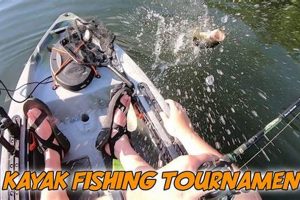
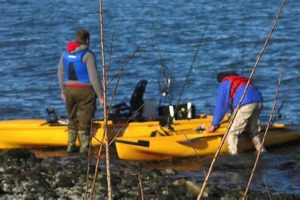
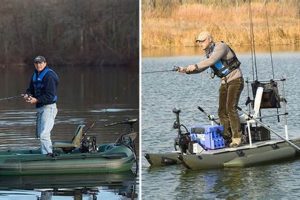
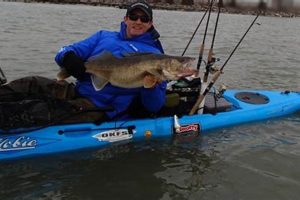
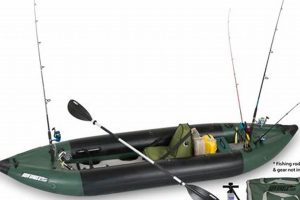
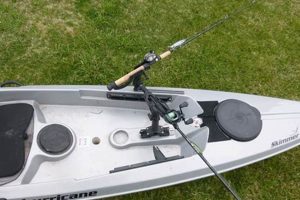
This activity involves angling from a small, human-powered watercraft in the coastal waters near the city. It offers a unique blend of outdoor recreation, sporting challenge, and connection with nature.
The accessibility of the Pacific Ocean combined with the region’s diverse marine life makes this pursuit a popular pastime. It provides an environmentally friendly way to experience the ocean and offers a different perspective compared to shore or boat fishing. The relatively low cost of entry, compared to larger motorized vessels, makes it an appealing option for many anglers. Historically, small boats have been used for fishing in the region for centuries, but the modern sport with specialized kayaks and equipment has grown significantly in recent decades.
The following sections will explore specific locations, necessary equipment, relevant regulations, and techniques for successful angling from a kayak in the Los Angeles area.
Tips for Kayak Angling in Los Angeles
Successful kayak angling requires careful planning and preparation. The following tips offer guidance for a safe and productive experience.
Tip 1: Check Weather and Tide Reports: Prior to departure, consulting marine forecasts is crucial. Wind, swell, and tide conditions significantly impact safety and fishing success. Launching during calm conditions is recommended, especially for less experienced anglers.
Tip 2: Choose Appropriate Launch Locations: Selecting a launch site with minimal surf and convenient parking simplifies entry and exit. Public boat ramps and designated kayak launch areas offer the safest options.
Tip 3: Utilize Proper Safety Equipment: Wearing a personal flotation device (PFD) is essential. Carrying a VHF radio, signaling devices, and a first aid kit enhances safety on the water.
Tip 4: Plan a Float Plan: Informing someone onshore of the intended fishing location and estimated return time is a prudent safety measure.
Tip 5: Employ Effective Fishing Techniques: Adapting fishing techniques to the target species and local environment improves catch rates. Researching prevalent fish species and their feeding habits provides an advantage.
Tip 6: Respect Wildlife and the Environment: Practicing catch and release conservation ensures the sustainability of local fish populations. Adhering to Leave No Trace principles minimizes environmental impact.
Tip 7: Be Mindful of Other Water Users: Maintaining a safe distance from other vessels and swimmers promotes a positive experience for everyone.
Tip 8: Obtain Necessary Licenses and Permits: Ensuring compliance with local fishing regulations is essential. Acquiring the appropriate licenses and permits before venturing out avoids potential legal issues.
By following these tips, anglers can maximize their chances of a successful and enjoyable kayak fishing experience in Los Angeles while prioritizing safety and environmental responsibility.
This information serves as a starting point for planning a kayak fishing trip. Further research and preparation are encouraged for a rewarding experience.
1. Location Selection
Location selection plays a critical role in kayak fishing success and safety within Los Angeles. The diverse coastline presents a range of environments, from calm bays to open ocean areas, each offering unique opportunities and challenges. Careful consideration of factors like water conditions, target species, and accessibility is essential for a productive and enjoyable experience. Launching in areas with strong currents or heavy boat traffic presents significant safety risks, particularly for less experienced anglers. Conversely, sheltered bays and coves offer calmer waters, ideal for beginners and those seeking specific inshore species.
For example, Marina del Rey Harbor provides a relatively protected environment suitable for targeting halibut or spotted bay bass. Alternatively, anglers seeking larger game fish, like yellowtail or white seabass, might choose to launch from a location like Malibu, which offers access to deeper offshore waters. However, venturing further offshore requires careful assessment of weather forecasts and swell conditions. Matching location choice to skill level and target species increases the likelihood of a successful outing. Access to amenities like parking, restrooms, and fish cleaning stations can also influence location decisions.
Effective location selection optimizes fishing opportunities while mitigating potential hazards. Evaluating conditions, researching target species habitats, and understanding launch site characteristics contribute significantly to a positive kayak fishing experience in Los Angeles. Prioritizing safety and choosing locations appropriate for one’s skill level ensures an enjoyable and productive time on the water. This informed approach allows anglers to maximize their chances of success while minimizing risks associated with the dynamic coastal environment.
2. Kayak Choice
Kayak selection significantly impacts the experience of kayak fishing in Los Angeles. The chosen vessel influences maneuverability, stability, and capacity to carry essential gear. Appropriate selection hinges on factors such as target fishing locations, angler experience, and desired fishing style. A well-chosen kayak enhances safety, improves fishing effectiveness, and contributes to overall enjoyment on the water.
- Hull Design
Hull design directly affects stability and maneuverability. Wider, flatter hulls offer enhanced stability, beneficial in calmer waters and for stand-up fishing. However, these designs can be slower and less responsive. Narrower, V-shaped hulls provide increased speed and maneuverability, suitable for covering greater distances or navigating currents, but compromise stability. Understanding the trade-offs between stability and maneuverability is critical for choosing a kayak suited to Los Angeles’ diverse fishing environments.
- Length and Weight Capacity
Kayak length influences tracking (ability to maintain a straight course) and speed. Longer kayaks generally track better and glide more efficiently, while shorter kayaks offer greater maneuverability in tight spaces. Weight capacity dictates the amount of gear and angler weight a kayak can safely support. Exceeding the weight capacity compromises stability and performance. Selecting a kayak with adequate capacity for gear, angler weight, and potential catch is crucial.
- Sit-on-Top vs. Sit-Inside
Sit-on-top kayaks offer superior stability and self-bailing capabilities, making them popular for fishing. Their open design allows for easier entry and exit, particularly beneficial in challenging conditions. Sit-inside kayaks offer greater protection from the elements and increased storage capacity. The choice between these designs depends on personal preference, fishing style, and the anticipated conditions in Los Angeles waters.
- Features and Accessories
Specialized features like rod holders, anchor trolleys, and fish finders enhance fishing functionality. Evaluating these features during kayak selection contributes to a more streamlined and productive experience on the water. Considering storage options for tackle, safety equipment, and personal items is crucial for maintaining organization and maximizing space. Choosing a kayak with appropriate features aligns with specific fishing needs and preferences in the Los Angeles area.
The interplay of these factors determines the optimal kayak choice for each individual angler. Selecting a kayak suited to specific needs and the varied conditions encountered in Los Angeles directly contributes to fishing success, safety, and overall enjoyment. A carefully considered kayak choice enhances the overall experience and allows anglers to fully appreciate the diverse fishing opportunities this region offers.
3. Essential Gear

Appropriate gear selection significantly influences safety and success in kayak fishing within Los Angeles waters. The unique challenges and opportunities presented by this environment necessitate specific equipment choices. Careful consideration of essential gear ensures preparedness for varied conditions and target species, maximizing both safety and fishing effectiveness.
- Personal Flotation Device (PFD)
A properly fitted PFD is paramount for safety. Coastal conditions can change rapidly, and a PFD provides essential buoyancy in case of capsize or unexpected immersion. Selecting a PFD designed for paddling offers comfort and freedom of movement while fishing. Inflatable PFDs are a popular choice for their low profile but require regular maintenance and inspection.
- Paddle/Leash
A reliable paddle and leash are indispensable. A paddle suited to the kayak’s dimensions and the angler’s physique maximizes efficiency and reduces fatigue. The leash prevents paddle loss in rough conditions or during unexpected events. Proper paddle technique and maintenance contribute to a safe and effective paddling experience.
- Rods, Reels, and Tackle
Rod and reel selection depends on target species and fishing techniques. Shorter rods are often preferred in kayaks for maneuverability. Reels with appropriate line capacity and drag systems are essential for handling targeted fish. Tackle choices, including lures, hooks, and weights, should align with the prevalent species in Los Angeles waters. Understanding local regulations regarding tackle restrictions is crucial.
- Safety and Communication Equipment
Carrying essential safety and communication equipment enhances preparedness for unexpected situations. A waterproof VHF radio enables communication with other boaters and emergency services. A signaling device, such as a whistle or flare, provides a means of attracting attention if needed. A first-aid kit equipped to handle common fishing-related injuries is also recommended. Navigation tools, such as a chart, compass, or GPS device, are beneficial, especially when fishing in unfamiliar areas. Regularly checking and maintaining this equipment ensures functionality when needed.
Effective kayak fishing in Los Angeles requires careful consideration of these essential gear components. Appropriate equipment enhances safety, improves fishing performance, and contributes to a more enjoyable experience on the water. Prioritizing safety gear alongside fishing-specific equipment ensures preparedness for the diverse conditions and opportunities encountered in the coastal waters of Los Angeles.
4. Safety Procedures

Safety procedures are integral to responsible kayak fishing in Los Angeles. The coastal environment presents inherent risks, including changing weather conditions, vessel traffic, and varying water temperatures. Neglecting safety protocols increases the likelihood of accidents and jeopardizes angler well-being. A comprehensive understanding of and adherence to safety procedures mitigates these risks, enabling a more secure and enjoyable fishing experience.
For example, checking weather forecasts before embarking on a fishing trip is crucial. Sudden changes in wind speed or direction can create hazardous conditions for kayakers, particularly in open water. Similarly, understanding tide charts is essential for navigating shallow areas and avoiding unexpected grounding. Wearing a personal flotation device (PFD) is non-negotiable, providing essential buoyancy in case of capsize. Carrying a VHF radio allows communication with other vessels and emergency services, crucial in distress situations. Informing someone onshore of the planned fishing location and estimated return time provides an additional layer of safety, enabling prompt assistance if needed. Real-life examples of kayakers requiring rescue due to inadequate safety precautions underscore the practical significance of these measures.
Implementing established safety procedures significantly reduces the inherent risks associated with kayak fishing in Los Angeles. These procedures, ranging from pre-trip planning to carrying appropriate safety equipment, are not mere formalities but vital components of responsible angling. Understanding and consistently applying these protocols safeguards anglers, allowing them to focus on the enjoyment of the sport while minimizing potential hazards. This proactive approach to safety fosters a more sustainable and positive experience for all participants in this popular recreational activity.
5. Target Species

Target species identification is crucial for successful kayak fishing in Los Angeles. The region’s diverse marine ecosystem supports a variety of fish species, each with unique habitat preferences and feeding behaviors. Understanding these characteristics enables anglers to select appropriate gear, fishing techniques, and locations, maximizing their chances of a successful catch. Targeting specific species enhances the overall fishing experience and contributes to responsible angling practices.
- Calico Bass
Calico bass (Paralabrax clathratus) are a popular target species in Los Angeles kayak fishing. These fish inhabit rocky reefs and kelp forests, prevalent along the coastline. Anglers often target them using light tackle and artificial lures, mimicking the movements of their natural prey. Knowledge of calico bass behavior, such as their tendency to ambush prey near structure, increases angling success.
- Halibut
California halibut (Paralichthys californicus) represent another sought-after species in the region. These flatfish inhabit sandy bottoms and are typically targeted using live bait or artificial lures fished near the seabed. Understanding halibut feeding habits, such as their preference for ambushing prey from the camouflage of the sand, informs effective fishing strategies.
- Yellowtail
Yellowtail (Seriola lalandi) provide a more challenging target for experienced kayak anglers. These pelagic fish are often found near offshore reefs and kelp beds. Targeting yellowtail requires heavier tackle and specialized techniques, such as live bait fishing or jigging. Knowledge of yellowtail migratory patterns and seasonal availability increases the likelihood of encountering these prized game fish.
- White Seabass
White seabass (Atractoscion nobilis) present a significant challenge and rewarding catch for kayak anglers. These large fish inhabit deeper waters and are typically targeted using live bait or artificial lures. Knowledge of white seabass behavior, including their preference for structured habitats and their powerful fighting ability, is crucial for successful capture and safe handling from a kayak.
Matching fishing techniques and location choices to the specific target species significantly increases angling success in Los Angeles. Understanding the behavior, habitat preferences, and seasonal availability of these species enables anglers to refine their approach and maximize their chances of a rewarding catch. This targeted approach also aligns with ethical fishing practices by reducing incidental catches of non-target species and promoting responsible angling within the local ecosystem.
6. Local Regulations
Adherence to local regulations is essential for responsible kayak fishing in Los Angeles. These regulations, established by agencies such as the California Department of Fish and Wildlife (CDFW), govern aspects like licensing requirements, size and bag limits for specific species, and permitted fishing methods. Compliance safeguards fish populations, protects the marine environment, and ensures the sustainability of this recreational activity. Ignoring these regulations carries potential legal consequences, including fines and suspension of fishing privileges.
For instance, fishing for halibut without a valid California fishing license is a violation. Exceeding the daily bag limit for calico bass, currently set at ten fish per angler, constitutes another infraction. Utilizing prohibited fishing methods, such as certain types of nets, can also result in penalties. Understanding and adhering to these specific regulations is crucial for all anglers operating within Los Angeles waters. Practical examples include checking the CDFW website for current regulations before each fishing trip and carrying a printed copy of the regulations while on the water. These proactive measures demonstrate responsible angling practices and contribute to the long-term health of the fishery.
Comprehending and observing local regulations constitutes a fundamental aspect of ethical kayak fishing in Los Angeles. This understanding goes beyond mere compliance; it represents a commitment to preserving marine resources and ensuring the continued enjoyment of this activity for future generations. Challenges may include staying informed about periodic regulation changes and interpreting complex regulatory language. However, prioritizing regulatory compliance contributes significantly to the sustainability of the sport and reinforces the importance of responsible angling within the Los Angeles kayak fishing community.
7. Environmental Awareness

Environmental awareness is integral to responsible kayak fishing in Los Angeles. The coastal ecosystem, while resilient, remains vulnerable to human impact. Sustainable angling practices minimize this impact, preserving the health of the marine environment and ensuring the long-term viability of the sport. Integrating environmental awareness into every aspect of kayak fishing, from launch site selection to waste disposal, benefits both the ecosystem and the angling community.
- Minimizing Disturbance to Wildlife
Kayak fishing offers a low-impact approach to angling, but minimizing disturbance to marine life remains crucial. Avoiding close approaches to marine mammals, seabirds, and nesting areas reduces stress on these populations. Respecting sensitive habitats, such as kelp forests and seagrass beds, by paddling carefully and avoiding anchoring in these areas, preserves their ecological integrity. Real-world examples include maintaining a safe distance from seals hauled out on rocks and refraining from fishing in designated marine protected areas.
- Responsible Waste Disposal
Proper waste disposal is essential for preventing pollution and protecting water quality. Disposing of fishing line, hooks, and other tackle in designated receptacles prevents entanglement hazards for wildlife and minimizes plastic pollution in the ocean. Packing out all trash, including food wrappers and beverage containers, ensures that these materials do not end up polluting the marine environment. Practical examples include carrying a small, sealable bag on the kayak for collecting trash and utilizing designated waste disposal facilities at launch sites.
- Catch and Release Practices
Implementing catch and release practices promotes healthy fish populations and contributes to sustainable angling. Handling fish carefully, minimizing air exposure, and using appropriate release techniques increases their chances of survival. Avoiding overfishing by adhering to size and bag limits ensures the long-term health of the fishery. Real-world examples include using barbless hooks to facilitate quick release and handling fish with wet hands or a wet towel to protect their slime coat.
- Respecting Other Water Users
Sharing the waterways responsibly enhances the experience for all users. Maintaining a safe distance from other boaters, swimmers, and paddlers reduces the risk of collisions and minimizes disturbance. Respecting designated areas for specific activities, such as swimming zones or surfing breaks, contributes to a harmonious environment. Practical examples include yielding right-of-way to motorized vessels and reducing speed when passing near other kayakers or paddleboarders.
Integrating these environmental considerations into kayak fishing practices in Los Angeles reflects a commitment to responsible angling and environmental stewardship. These practices not only preserve the health of the coastal ecosystem but also enhance the long-term sustainability of the sport. By prioritizing environmental awareness, kayak anglers contribute to the protection of this valuable natural resource and ensure its continued enjoyment for future generations.
Frequently Asked Questions
This section addresses common inquiries regarding kayak fishing in Los Angeles, providing concise and informative responses.
Question 1: What are the most productive fishing areas accessible by kayak in Los Angeles?
Productive areas vary depending on target species and season. Locations like Marina del Rey, Malibu, and La Jolla Cove offer diverse habitats and hold various fish species. Researching specific locations and consulting local fishing reports provides further insight.
Question 2: What type of kayak is best suited for fishing in Los Angeles waters?
Kayak choice depends on individual needs and fishing style. Sit-on-top kayaks offer stability and ease of use, while sit-inside kayaks provide greater protection from the elements. Factors like hull design, length, and weight capacity should align with anticipated conditions and target fishing locations. Specialized fishing kayaks often include features like rod holders and storage compartments.
Question 3: Is a fishing license required for kayak fishing in Los Angeles?
A valid California fishing license is required for anglers 16 years of age and older. Licenses can be obtained online through the California Department of Fish and Wildlife (CDFW) website or from authorized license agents. Understanding specific license requirements and regulations is crucial before embarking on a fishing trip.
Question 4: What essential safety equipment should be carried while kayak fishing in Los Angeles?
Essential safety equipment includes a personal flotation device (PFD), a whistle or other signaling device, a VHF radio, and a first-aid kit. Navigation tools, such as a chart, compass, or GPS device, are recommended, especially when fishing in unfamiliar areas. Checking weather conditions before departure and informing someone onshore of fishing plans are also crucial safety practices.
Question 5: What are the common target species for kayak anglers in Los Angeles?
Common target species include calico bass, halibut, yellowtail, and white seabass. The specific species available depends on the season and fishing location. Researching target species’ habitats and feeding behaviors increases the likelihood of a successful catch.
Question 6: What environmental considerations should kayak anglers be mindful of in Los Angeles?
Minimizing environmental impact is crucial. Responsible waste disposal, avoiding disturbance to wildlife and sensitive habitats, and adhering to catch and release practices are essential. Respecting other water users and maintaining a safe distance from marine mammals contribute to a sustainable and enjoyable fishing experience.
Careful consideration of these frequently asked questions prepares anglers for a safe and successful kayak fishing experience in Los Angeles. Further research and preparation are encouraged for a rewarding outing.
The following section provides a concluding overview of kayak fishing opportunities in the Los Angeles area.
Kayak Fishing Los Angeles
Kayak fishing in Los Angeles offers a unique blend of recreational enjoyment, sporting challenge, and connection with the Pacific Ocean’s diverse ecosystem. From selecting appropriate gear and launch sites to understanding local regulations and practicing environmental stewardship, informed preparation is crucial for a successful and responsible experience. The range of target species, from inshore calico bass to offshore pelagic fish, provides anglers with diverse opportunities. Prioritizing safety procedures, including checking weather conditions and carrying essential safety equipment, ensures a secure and enjoyable outing.
The continuing popularity of kayak fishing in Los Angeles underscores the importance of balancing recreational pursuits with environmental responsibility. Sustainable angling practices, combined with a respect for the marine environment and other water users, contribute to the long-term health of this valuable resource. Continued exploration of this dynamic coastal fishery promises rewarding experiences for anglers who prioritize safety, ethical practices, and an appreciation for the unique marine ecosystem of Los Angeles.