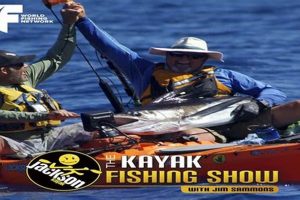
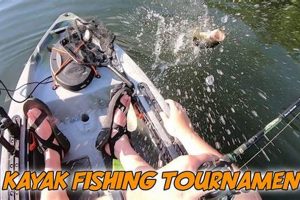
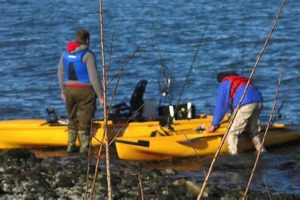
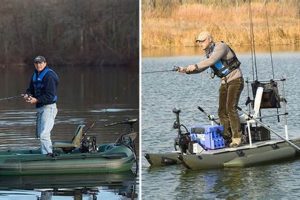
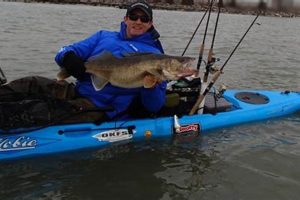
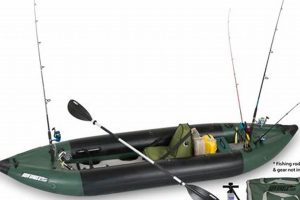
This activity involves angling from a small, human-powered watercraft in the waters surrounding Panama City, Florida. The shallow-water access afforded by kayaks allows anglers to target species such as redfish, trout, and flounder in the bay and its tributaries, while nearshore Gulf waters offer opportunities for larger pelagic fish.
The relatively low cost of entry, combined with the region’s diverse fishery and scenic beauty, makes this pursuit a popular recreational choice. It offers a quiet, close-to-nature experience, allowing exploration of otherwise inaccessible fishing grounds. The area’s established fishing culture and supporting infrastructure, including launch sites and tackle shops, further enhance the experience.
The following sections will delve into specific aspects of planning and executing successful fishing trips in this location, covering topics such as recommended equipment, popular fishing spots, seasonal patterns, and relevant regulations.
Tips for Kayak Fishing in Panama City, Florida
Successful angling excursions require careful planning and preparation. The following tips offer guidance for optimizing fishing trips in Panama City, Florida, from a kayak.
Tip 1: Research and select appropriate launch sites. Different locations offer varying access to target species and levels of difficulty based on currents and tides. Public boat ramps and parks offer convenient access, while more secluded launches may require additional planning.
Tip 2: Prioritize safety equipment. A personal flotation device (PFD) is essential, as are a whistle, signaling devices, and a first-aid kit. Checking weather forecasts before departure is critical.
Tip 3: Choose appropriate tackle and gear. Rod and reel combinations suited to target species are crucial. Consider using lighter tackle for inshore fishing and heavier gear for nearshore excursions. Artificial lures and live bait both prove effective in the region.
Tip 4: Understand and adhere to local fishing regulations. Obtain the necessary licenses and familiarize oneself with size and catch limits for different species. Practicing catch-and-release fishing helps conserve local fish populations.
Tip 5: Plan for tidal fluctuations and currents. These factors significantly influence fish behavior and movement. Consulting tide charts aids in targeting specific locations at optimal times.
Tip 6: Employ appropriate paddling techniques. Efficient paddling conserves energy and allows for covering greater distances. Learning basic kayak maneuvering techniques enhances control and stability.
Tip 7: Consider utilizing fish finders and GPS technology. These tools provide valuable insights into underwater structure and assist in locating fish concentrations. They also aid in navigation, especially in unfamiliar waters.
Tip 8: Pack essential supplies. Bring ample water, sun protection, insect repellent, and appropriate clothing for varying weather conditions. A dry bag protects valuable items from water damage.
Careful consideration of these tips enhances safety and increases the likelihood of a productive and enjoyable fishing trip. Preparation leads to increased confidence and allows anglers to focus on the experience itself.
By understanding the nuances of the local environment and employing these strategies, anglers can maximize their chances of success while minimizing potential risks.
1. Location Selection

Optimal location selection significantly impacts the success of kayak fishing excursions in Panama City, Florida. The diverse ecosystem offers a variety of habitats, each supporting different fish species and presenting unique challenges and opportunities. Choosing the right location requires consideration of target species, angler skill level, prevailing weather conditions, and tidal influences. For instance, sheltered bays and estuaries provide calmer waters ideal for novice anglers pursuing redfish or speckled trout, while experienced kayakers seeking king mackerel might venture further offshore.
St. Andrew Bay, with its extensive grass flats and oyster bars, offers prime habitat for redfish, trout, and flounder. The bay’s numerous creeks and inlets provide sheltered fishing opportunities during inclement weather. Grand Lagoon, known for its clear waters and deeper channels, offers access to sheepshead, snapper, and pompano. Nearshore Gulf waters, accessible to experienced kayakers, provide opportunities for pelagic species like king mackerel and cobia. Matching location choice to target species and skill level maximizes the likelihood of a successful outing.
Effective location selection hinges on research, planning, and awareness of environmental factors. Utilizing online resources, local fishing reports, and nautical charts aids in identifying productive fishing grounds. Considering wind direction and tidal currents optimizes kayak positioning and presentation of bait or lures. Understanding the interplay of these factors empowers anglers to select locations conducive to their desired fishing experience, increasing the chances of a rewarding and productive outing.
2. Essential Gear

Appropriate gear selection significantly influences success and safety while kayak fishing in Panama City, Florida. The unique demands of this activity necessitate specialized equipment choices, from the kayak itself to rods, reels, tackle, and safety devices. Each element plays a crucial role in maximizing fishing effectiveness and ensuring a secure and enjoyable experience on the water.
- Kayak Selection
Kayak choice depends on individual fishing style and target locations. Longer, sit-inside kayaks offer speed and efficiency for covering larger distances in open water, while shorter, sit-on-top kayaks provide stability and maneuverability in shallow, inshore environments. Pedal-driven kayaks offer hands-free fishing opportunities, while traditional paddle kayaks provide a quieter approach. Stability, storage capacity, and comfort should be prioritized when selecting a kayak for this specific application.
- Rods and Reels
Rod and reel selection should align with target species and fishing techniques. Lighter spinning or baitcasting combos suffice for inshore species like redfish and trout, while heavier tackle is necessary for larger nearshore species like king mackerel or cobia. Rod length and action, reel size and drag system, and line weight all influence casting distance, lure presentation, and fish-fighting capabilities.
- Tackle and Bait
Effective tackle choices depend on the target species and local conditions. Live bait, including shrimp, crabs, and baitfish, often proves successful. Artificial lures, such as jigs, plugs, and soft plastics, provide versatility and target specific species. A well-organized tackle box with a variety of options increases adaptability to changing fishing conditions and fish behavior. Knowledge of local bait shops and prevailing fishing patterns informs tackle selection.
- Safety Equipment
Prioritizing safety is paramount in kayak fishing. A properly fitted personal flotation device (PFD) is essential. Other safety gear includes a whistle, visual distress signals, a first-aid kit, a communication device (e.g., VHF radio or waterproof cell phone), and navigation tools like a GPS or chartplotter. Checking weather forecasts before departure and being aware of changing conditions on the water further enhance safety.
The careful selection and proper utilization of essential gear contribute significantly to a successful and safe kayak fishing experience in Panama City, Florida. Understanding the function and importance of each element allows anglers to adapt to various fishing conditions and pursue diverse target species effectively. Prioritizing safety and preparedness enhances enjoyment and mitigates potential risks associated with this demanding yet rewarding activity.
3. Target Species

The diverse range of target species significantly shapes the kayak fishing experience in Panama City, Florida. The region’s varied habitats, from shallow grass flats to deeper nearshore Gulf waters, support a rich array of fish species, each presenting unique angling challenges and opportunities. Understanding the behavior, habitat preferences, and seasonal patterns of these species is crucial for successful kayak angling. Choosing appropriate tackle, fishing techniques, and locations hinges on the specific species targeted.
Inshore species such as redfish, speckled trout, and flounder represent popular targets for kayak anglers. Redfish, known for their powerful runs and acrobatic fights, inhabit shallow grass flats and oyster bars. Speckled trout, prized for their table fare, prefer deeper holes and channels within the bay system. Flounder, masters of camouflage, lie in wait on sandy bottoms, ambushing unsuspecting prey. Targeting these species requires specialized techniques and knowledge of their preferred habitats. For instance, sight-fishing for redfish on shallow flats necessitates stealth and accurate casting, while drifting live bait along channels proves effective for speckled trout. Matching techniques and tackle to target species significantly improves angling success.
Nearshore Gulf waters offer opportunities for pursuing larger pelagic species such as king mackerel, cobia, and Spanish mackerel. These powerful fish demand heavier tackle and specialized fishing techniques. Trolling or drifting live baits around nearshore reefs and structures often proves effective. Understanding seasonal migration patterns and preferred water temperatures enhances the likelihood of encountering these prized game fish. Successfully targeting specific species in Panama City, Florida, requires a nuanced understanding of the local ecosystem, including fish behavior, habitat preferences, and seasonal influences. This knowledge, combined with appropriate gear and techniques, transforms a simple fishing trip into a rewarding and productive pursuit.
4. Tidal Influence

Tidal fluctuations exert a profound influence on kayak fishing success in Panama City, Florida. Understanding tidal currents, water levels, and their impact on fish behavior is crucial for effective angling. Tides dictate not only where fish congregate but also when they feed actively. Strategic planning based on tidal patterns optimizes fishing effort and increases the likelihood of successful catches. Ignoring tidal influence can lead to unproductive trips and missed opportunities.
- Current Strength and Direction
Tidal currents dictate the movement of baitfish and, consequently, the location of predator species. Strong incoming tides often bring baitfish into shallow flats and estuaries, attracting redfish, trout, and other game fish. Outgoing tides concentrate fish in channels and deeper holes as they follow receding waters. Understanding current direction and strength allows anglers to position kayaks strategically for intercepting fish movement. For example, fishing near the edges of channels during an outgoing tide can yield productive results.
- Water Depth and Accessibility
Tidal fluctuations alter water depths, impacting access to shallow-water habitats. High tides allow kayaks to reach areas inaccessible during low tide, such as shallow grass flats or oyster bars, where redfish and other species often feed. Low tides concentrate fish in deeper pools and channels, necessitating adjustments in fishing locations and techniques. Awareness of tidal stages allows anglers to plan routes and access prime fishing areas effectively. For example, launching during an incoming tide allows access to shallow flats as the water rises.
- Fish Feeding Patterns
Tidal stages influence fish feeding activity. Moving water during incoming and outgoing tides stimulates feeding behavior in many species. Slack tides, the periods between high and low tides, often result in reduced fish activity. Understanding these patterns allows anglers to time fishing trips to coincide with peak feeding periods. For example, fishing during the first few hours of an incoming tide often yields better results than fishing during slack water.
- Safety Considerations
Tidal currents can create challenging conditions for kayakers, particularly in narrow channels or inlets. Strong outgoing tides can make paddling against the current difficult, while swift incoming tides can quickly flood shallow areas. Awareness of tidal flow and strength is crucial for safe navigation. Checking tide charts before embarking on a fishing trip and adjusting plans based on current conditions ensures a safe and enjoyable experience. For example, avoiding narrow channels during peak tidal flows minimizes risks associated with strong currents.
Integrating knowledge of tidal influences into fishing strategies significantly enhances kayak angling success in Panama City, Florida. By understanding the interplay of currents, water depths, and fish behavior, anglers can optimize their efforts, target specific locations effectively, and increase the likelihood of productive fishing trips. Ignoring tidal influence can lead to frustration and missed opportunities, highlighting the importance of incorporating this natural element into planning and execution of kayak fishing excursions.
5. Safety Precautions
Safety precautions form an integral part of successful kayak fishing excursions in Panama City, Florida. The environment presents inherent risks that necessitate careful planning and preparation. Neglecting safety protocols can lead to hazardous situations, jeopardizing angler well-being and potentially impacting others on the water. Understanding and mitigating these risks is paramount for a positive and incident-free experience. The areas variable weather patterns, strong currents, and diverse marine life all contribute to potential hazards, requiring constant vigilance.
Consider the scenario of an unexpected squall developing while fishing several miles offshore. Lack of proper safety equipment, such as a personal flotation device (PFD), a VHF radio, or signaling devices, could escalate a challenging situation into a life-threatening emergency. Similarly, navigating shallow, oyster-laden flats without appropriate footwear protection risks serious injury. Encounters with marine life, including stingrays and jellyfish, require specific knowledge and precautions. Understanding the local environment, including potential hazards and appropriate responses, is crucial. Pre-trip planning, including checking weather forecasts and informing others of intended fishing locations, significantly mitigates potential risks.
Integrating safety precautions into every aspect of kayak fishing ensures enjoyable and incident-free outings. Carrying essential safety gear, including a PFD, signaling devices, a first-aid kit, and communication tools, should be standard practice. Understanding local regulations and navigation markers enhances situational awareness and promotes responsible boating conduct. Continuous monitoring of weather conditions and adjusting plans accordingly minimizes exposure to hazardous situations. Thorough pre-trip preparation and adherence to established safety guidelines transform potential risks into manageable challenges, allowing anglers to focus on the rewarding aspects of kayak fishing in Panama City, Florida.
6. Local Regulations
Adherence to local regulations is essential for responsible and sustainable kayak fishing in Panama City, Florida. These regulations, established by the Florida Fish and Wildlife Conservation Commission (FWC), govern aspects such as licensing requirements, size and catch limits for various species, and permitted fishing methods. Compliance safeguards fish populations, protects the local ecosystem, and ensures equitable access to resources for all anglers. Ignoring these regulations can result in fines, legal repercussions, and damage to the fishery. Understanding and respecting these rules is crucial for maintaining the health and longevity of the local aquatic environment.
For instance, specific size limits exist for redfish, a popular target species in the area. Keeping undersized or oversized redfish violates regulations and disrupts the natural breeding cycle of the population. Similarly, exceeding the daily bag limit for trout depletes the fishery and impacts the overall balance of the ecosystem. Employing prohibited fishing methods, such as using illegal nets or fishing in restricted areas, further damages the environment and undermines the principles of fair and sustainable fishing practices. Awareness of closed seasons for specific species also contributes to responsible resource management.
Responsible angling requires a proactive approach to understanding and complying with local regulations. Consulting the FWC website provides access to current rules, license requirements, and specific regulations for different species and areas. Local bait and tackle shops also offer valuable information and resources. Engaging in ethical and sustainable fishing practices preserves the integrity of the fishery, ensuring continued access to this valuable resource for future generations. Adherence to local regulations demonstrates respect for the environment and contributes to the long-term health and viability of kayak fishing in Panama City, Florida.
7. Kayak Choice

Kayak selection significantly influences the overall experience of kayak fishing in Panama City, Florida. The chosen vessel impacts maneuverability, stability, accessibility to fishing grounds, and overall comfort. Matching kayak characteristics to the specific fishing environment and individual angler needs optimizes performance and enhances enjoyment on the water. An inappropriate kayak choice can hinder fishing effectiveness and potentially compromise safety, underscoring the importance of careful consideration during the selection process.
- Hull Design
Hull design directly affects stability and tracking in the water. Wider, flatter hulls offer enhanced stability, beneficial in calmer inshore waters and for stand-up fishing. Longer, narrower hulls provide better tracking and speed, advantageous for covering greater distances in open water or paddling against currents. Specialized hull designs, such as those optimized for shallow-water access, cater to specific fishing environments. For example, a shallow-draft hull allows navigation in skinny water prevalent in St. Andrew Bay, maximizing access to prime fishing spots. Conversely, a V-shaped hull performs better in choppy conditions encountered nearshore.
- Propulsion System
Kayak propulsion systems vary, each offering distinct advantages and disadvantages. Paddle kayaks, while requiring physical exertion, provide a quiet and stealthy approach, ideal for stalking fish in shallow areas. Pedal-driven kayaks offer hands-free fishing and increased speed, beneficial for covering larger areas or trolling. Motorized kayaks provide the greatest range and speed, facilitating access to distant fishing grounds but potentially disturbing fish in shallow waters. Choosing an appropriate propulsion system aligns with individual fishing styles and target locations. For instance, a pedal kayak offers advantages in the open waters of Grand Lagoon, while a paddle kayak might prove more suitable for navigating the narrow creeks and flats of North Bay.
- Storage and Features
Adequate storage capacity and specialized features contribute to fishing efficiency and comfort. Ample storage space accommodates tackle boxes, rods, and other essential gear. Built-in rod holders, fish finders, and anchor trolleys enhance fishing functionality. Features like comfortable seating, adjustable footrests, and dry storage compartments contribute to a more enjoyable experience, especially during longer fishing trips. For instance, a kayak equipped with rod holders and a fish finder simplifies fishing in the deeper channels of the pass, while ample storage accommodates the gear needed for a full day of fishing. Prioritizing features aligned with individual needs and fishing style maximizes utility and enjoyment.
- Size and Weight Capacity
Kayak size and weight capacity should match angler size and gear requirements. A kayak with insufficient weight capacity compromises stability and performance. Larger anglers or those carrying substantial gear require kayaks with higher weight limits. Kayak length influences maneuverability and tracking. Longer kayaks track better in open water but are less maneuverable in tight spaces. Matching kayak size and weight capacity to individual needs ensures stability, safety, and efficient handling on the water. For example, a larger angler fishing nearshore requires a longer, more stable kayak with a higher weight capacity than an angler fishing the shallow flats of the bay.
Careful consideration of these factors ensures the chosen kayak aligns with the specific demands of kayak fishing in Panama City, Florida. Matching kayak characteristics to the intended fishing environment, target species, and individual angler preferences maximizes fishing effectiveness, enhances comfort, and promotes a safe and enjoyable experience on the water. The right kayak transforms a simple fishing trip into a productive and rewarding adventure.
Frequently Asked Questions
This section addresses common inquiries regarding kayak fishing in Panama City, Florida. Clear and concise answers provide prospective anglers with essential information for planning successful and enjoyable fishing excursions.
Question 1: What are the most common target species for kayak anglers in Panama City?
Redfish, speckled trout, flounder, and sheepshead are frequently targeted inshore species. Nearshore waters offer opportunities for king mackerel, Spanish mackerel, cobia, and snapper.
Question 2: What type of kayak is best suited for fishing in this area?
Sit-on-top kayaks are generally preferred for their stability and ease of access to the water. Kayak choice depends on individual preference, fishing style, and target locations, ranging from shorter, maneuverable kayaks for inshore fishing to longer, more stable kayaks for nearshore excursions.
Question 3: Are fishing licenses required, and where can they be obtained?
Fishing licenses are required for anglers over the age of 16 and can be purchased online through the Florida Fish and Wildlife Conservation Commission (FWC) website or at local bait and tackle shops.
Question 4: What are the primary safety considerations for kayak fishing in Panama City?
Wearing a personal flotation device (PFD) is paramount. Checking weather forecasts, carrying communication devices (VHF radio or waterproof cell phone), and being aware of tidal currents and potential boating hazards are essential safety practices.
Question 5: What are the best times to fish in Panama City from a kayak?
Fishing success is often influenced by tidal fluctuations. Incoming and outgoing tides generally create better fishing conditions than slack tides. Dawn and dusk often produce increased fish activity. Local fishing reports and tide charts provide valuable insights into optimal fishing times.
Question 6: Where can kayak launch sites be found in Panama City?
Public boat ramps, parks with water access, and designated kayak launch areas provide access to various fishing locations. Local resources and online maps offer information on specific launch site locations and amenities.
Careful consideration of these frequently asked questions enhances angler preparedness and contributes to successful kayak fishing experiences in Panama City, Florida. Further research and consultation with local experts augment this knowledge and provide tailored insights for specific fishing goals and preferences.
For those interested in guided fishing experiences or further information on local regulations and best practices, please refer to the resources provided in the following section.
Kayak Fishing Panama City Florida
This exploration of kayak fishing in Panama City, Florida, has highlighted the multifaceted nature of this popular activity. From the diverse range of target species and the influence of tides to the critical importance of safety precautions and adherence to local regulations, successful kayak angling requires careful planning and execution. Appropriate gear selection, informed location choices, and a thorough understanding of the local ecosystem contribute significantly to productive and enjoyable fishing experiences. The information presented provides a foundational understanding of the key elements involved in successfully pursuing this rewarding recreational pursuit.
The thriving fishery and scenic beauty of Panama City offer exceptional opportunities for kayak anglers of all skill levels. Responsible engagement with this activity, characterized by respect for the environment and adherence to established guidelines, ensures the continued health and accessibility of this valuable resource for future generations. Consideration of the insights presented empowers anglers to embark on informed and successful kayak fishing adventures in Panama City, Florida.