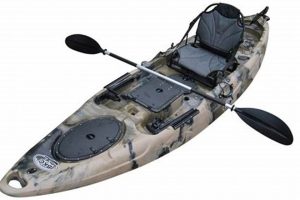
Specialized equipment designed for angling from a kayak typically includes a vessel designed for stability and maneuverability in various water conditions, along with rods, reels, lines, lures, and other terminal tackle adapted for this specific application. A typical setup might feature a shorter, more versatile fishing rod and a specialized kayak fishing paddle. Safety equipment such as a personal flotation device and signaling devices are also essential components.
This specialized equipment allows anglers to access shallow waters, navigate tight spaces, and approach fish stealthily, offering advantages over traditional boat fishing or shore fishing. The evolution of purpose-built kayaks and related accessories has greatly expanded the possibilities for anglers, providing access to previously unreachable fishing grounds and increasing the sport’s popularity. This growing interest has also spurred innovation in design and materials, leading to lighter, more durable, and feature-rich products.
Further exploration will delve into the specific types of kayaks suitable for fishing, appropriate rod and reel combinations, essential safety measures, and recommended techniques for various species and environments.
Tips for Effective Kayak Fishing
Careful selection and utilization of appropriate equipment are crucial for a successful and safe kayak fishing experience. The following tips offer guidance for optimizing equipment choices and maximizing angling effectiveness.
Tip 1: Prioritize Stability and Maneuverability: Kayak selection depends on the intended fishing environment. Wider, shorter kayaks offer greater stability in calm waters, while longer, narrower kayaks are better suited for navigating currents or covering larger distances. Consider the specific fishing location and target species when choosing a kayak.
Tip 2: Select Appropriate Rods and Reels: Shorter rods (6-7 feet) are generally preferred for kayak fishing due to limited space. Spinning or baitcasting reels paired with lines appropriate for the target species are recommended. Consider rod holders for convenient storage and access.
Tip 3: Organize Tackle Efficiently: Utilize tackle boxes or bags designed for kayak fishing to maximize storage space and keep gear organized and readily accessible. Prioritize essential lures and tackle relevant to the target species and fishing location.
Tip 4: Emphasize Safety Equipment: Always wear a personal flotation device (PFD) and carry a whistle or other signaling device. A first-aid kit, communication device, and appropriate navigation tools are also essential for safety.
Tip 5: Practice Paddle and Rod Handling: Develop proficiency in paddling and maneuvering the kayak with one hand while handling a fishing rod with the other. Practice casting and retrieving from a seated position to improve accuracy and efficiency.
Tip 6: Choose Appropriate Anchoring Systems: Consider an anchor or stake-out pole to maintain position in desired fishing areas, especially in currents or windy conditions. Ensure the anchoring system is appropriate for the water depth and bottom type.
Tip 7: Respect the Environment: Adhere to Leave No Trace principles. Properly dispose of fishing line and other waste. Avoid disturbing sensitive habitats and respect local fishing regulations.
By adhering to these guidelines, anglers can enhance their kayak fishing experience, improve their chances of success, and ensure a safe and enjoyable time on the water.
These preparatory steps contribute significantly to a positive and productive kayak fishing outing, allowing for a more focused and enjoyable angling experience.
1. Kayak Selection

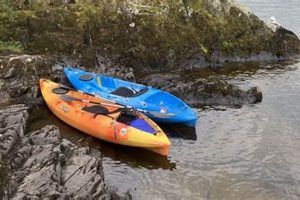
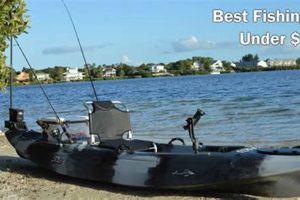
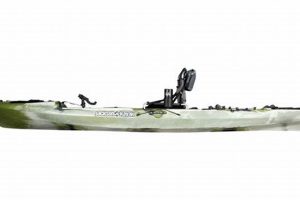
Kayak selection represents a crucial aspect of kayak fishing gear, directly influencing angling success and safety. The chosen vessel dictates accessibility to fishing grounds, stability in varying water conditions, and the capacity to carry essential equipment. A sit-on-top kayak, for example, offers inherent stability and self-bailing capabilities, advantageous in rougher waters or when handling active fish. Conversely, a sit-inside kayak provides greater protection from the elements and increased storage capacity, potentially better suited for colder climates or longer expeditions. The kayak’s length and width also contribute significantly to its performance; shorter, wider kayaks offer enhanced stability, while longer, narrower designs excel in speed and tracking, crucial factors when covering larger distances or battling currents. Matching the kayak’s characteristics to the intended fishing environment and target species is paramount.
Consider fishing in a shallow, heavily vegetated area. A shorter, maneuverable kayak allows access to tight spots and precise casting amongst cover, whereas a longer kayak might prove cumbersome. Conversely, offshore fishing requires a stable, seaworthy kayak capable of handling larger waves and providing ample storage for safety equipment and supplies. Therefore, understanding the relationship between kayak selection and the overall effectiveness of kayak fishing gear is essential for optimizing fishing success and ensuring angler safety. Neglecting this crucial element can lead to instability, reduced fishing opportunities, and potentially hazardous situations.
In summary, careful kayak selection is integral to effective kayak fishing. Evaluating the intended fishing environment, target species, and required gear capacity allows for informed decisions. Prioritizing stability, maneuverability, and storage requirements ensures the chosen vessel complements the remaining fishing gear, maximizing both safety and angling success. This foundational understanding empowers anglers to make informed decisions, contributing to a more productive and enjoyable fishing experience.
2. Rods and Reels

Rod and reel selection forms an integral part of kayak fishing gear, significantly influencing an angler’s effectiveness and overall experience. Appropriate choices depend heavily on the target species, fishing techniques employed, and the specific kayak’s layout. Understanding the nuances of rod and reel combinations allows for optimized performance and enhances angling success.
- Rod Length and Action
Shorter rods, typically between 6 and 7 feet, are generally preferred for kayak fishing due to space constraints and the need for maneuverability within the confined cockpit. Rod action, referring to the rod’s flexibility, plays a critical role in casting accuracy and fish fighting ability. A fast action rod bends primarily at the tip, offering greater sensitivity and control for techniques like jigging or topwater fishing. A slower action rod bends along a greater portion of its length, providing more casting power and a forgiving nature when battling larger fish.
- Reel Type and Line Capacity
Spinning reels are commonly favored for their ease of use and versatility, suitable for a wide range of fishing techniques and species. Baitcasting reels, while requiring more practice, offer greater casting distance and accuracy, particularly advantageous when targeting larger fish or using heavier lures. Line capacity should align with the target species and fishing environment. Braided line offers superior strength and sensitivity, beneficial in heavy cover or deep water, while monofilament provides greater stretch and forgiveness, suitable for lighter tackle applications.
- Rod and Reel Pairing
Matching the rod and reel is crucial for optimal performance. A lightweight spinning reel paired with a shorter, fast-action rod creates a balanced and responsive setup ideal for finesse fishing techniques. Conversely, a larger baitcasting reel paired with a medium-heavy, moderate-action rod provides the power and durability needed for targeting larger, stronger fish. The selected combination should feel comfortable and balanced in the hand, allowing for prolonged fishing without fatigue.
- Rod Holders and Storage
Integrating rod holders into the kayak setup is essential for safe and convenient rod storage and access. Flush-mounted rod holders provide a streamlined profile, minimizing interference while paddling or maneuvering. Adjustable rod holders offer greater flexibility in positioning rods for different fishing techniques. Careful consideration of rod holder placement ensures rods remain readily accessible while minimizing the risk of entanglement or damage.
These interconnected elements of rod and reel selection contribute significantly to the overall effectiveness of kayak fishing gear. Choosing appropriate combinations based on target species, fishing techniques, and kayak layout optimizes performance and enhances angling success. A well-balanced and efficient setup enables anglers to focus on the fishing experience, maximizing enjoyment and increasing the likelihood of a successful outing.
3. Tackle Organization

Effective tackle organization represents a critical component of kayak fishing gear, directly impacting angling efficiency and safety. Limited space within a kayak necessitates a streamlined and readily accessible system for managing lures, tools, and other essential equipment. A disorganized tackle system leads to wasted time searching for specific items, potentially disrupting fishing flow and diminishing angling opportunities. Furthermore, loose tackle can create safety hazards, particularly in the event of a capsize or sudden maneuver. Imagine a scenario where an angler hooks a strong fish but cannot locate the necessary pliers to remove the hook quickly; the fish may break the line or become exhausted, negatively impacting conservation efforts. Conversely, a well-organized system ensures every item has a designated place, allowing for quick retrieval and maximizing fishing time. For example, employing waterproof tackle boxes with compartments for different lure types or utilizing specialized kayak fishing bags with integrated tool holders promotes efficiency and minimizes clutter.
Practical applications of efficient tackle organization extend beyond simply locating items quickly. A well-planned system facilitates lure changes tailored to specific fish activity or changing environmental conditions. This adaptability proves crucial in dynamic fishing scenarios, enabling anglers to maximize their chances of success. Consider a situation where fish are actively feeding on a particular type of baitfish; an organized tackle system allows for rapid deployment of an imitation lure, capitalizing on the feeding frenzy. Moreover, maintaining a clean and organized tackle system contributes to equipment longevity. Proper storage protects lures from damage, reducing replacement costs and ensuring readily available, functional gear. This preparedness translates directly to enhanced fishing opportunities and a more enjoyable experience.
In summary, efficient tackle organization is an indispensable aspect of kayak fishing gear. It maximizes space utilization, streamlines lure and tool access, enhances safety, and promotes equipment longevity. Understanding the practical significance of tackle organization empowers anglers to optimize their kayak fishing experience, converting potential frustration into productive and enjoyable outings. This attention to detail transforms a collection of equipment into a cohesive and effective fishing system, maximizing the chances of a successful and rewarding experience on the water.
4. Safety Equipment
Safety equipment constitutes an indispensable component of kayak fishing gear, inextricably linked to angler well-being and successful outings. Prioritizing safety ensures not only a positive experience but also mitigates potential risks inherent in the sport. Understanding the crucial role of safety equipment empowers anglers to make informed decisions, contributing to a secure and enjoyable fishing environment.
- Personal Flotation Devices (PFDs)
PFDs are non-negotiable elements of kayak fishing safety. They provide essential buoyancy in the event of capsizing or accidental immersion, significantly increasing the chances of survival. Selecting a comfortable, well-fitting PFD designed for kayaking ensures unrestricted movement while paddling and casting. A PFD with pockets or attachment points can also hold essential safety tools like whistles or signal mirrors.
- Signaling Devices
Signaling devices, such as whistles, air horns, or signal mirrors, are crucial for attracting attention in emergency situations. A whistle attached to the PFD allows for immediate use even if separated from the kayak. Signal mirrors can effectively communicate distress over long distances, particularly in open water or under clear skies. Carrying multiple signaling devices provides redundancy and increases the likelihood of successful communication.
- Communication and Navigation Tools
Communication devices, including VHF radios, satellite messengers, or waterproof cell phones, provide essential links to emergency services or shore contacts. These tools facilitate communication in situations requiring assistance, such as medical emergencies or equipment failures. GPS devices or navigation apps on smartphones aid in maintaining orientation, particularly in unfamiliar waters or adverse weather conditions. Knowledge of local regulations regarding communication and navigation equipment is crucial for compliance and effective utilization.
- First-Aid and Emergency Supplies
A well-stocked first-aid kit containing essential supplies like bandages, antiseptic wipes, pain relievers, and any personal medications is paramount for addressing minor injuries or medical conditions on the water. Carrying extra water and high-energy snacks provides sustenance in the event of unforeseen delays or extended trips. A waterproof bag or container protects these essential supplies from water damage, ensuring their availability when needed.
These interconnected elements of safety equipment significantly contribute to a safe and enjoyable kayak fishing experience. Integrating these components into kayak fishing gear demonstrates a commitment to responsible angling practices, prioritizing angler well-being and mitigating potential hazards. Understanding the importance of safety equipment allows anglers to confidently explore their aquatic environment, enhancing their overall fishing experience while prioritizing safety and preparedness.
5. Appropriate Clothing
Appropriate clothing is a crucial element of kayak fishing gear, directly impacting angler comfort, safety, and overall fishing effectiveness. Garments designed for the specific demands of kayak angling enhance performance and protect against the elements, maximizing both enjoyment and safety on the water. Careful consideration of clothing choices contributes significantly to a positive and productive fishing experience.
- Moisture Management
Moisture-wicking fabrics play a vital role in regulating body temperature and maintaining comfort throughout the fishing trip. These specialized materials draw perspiration away from the skin, preventing overheating and chilling, particularly in fluctuating weather conditions. Synthetic fabrics like polyester or nylon excel at moisture management and dry quickly, crucial features when exposed to splashes, rain, or high humidity. Avoiding cotton garments, which retain moisture and can contribute to hypothermia, is essential for maintaining core body temperature and overall well-being.
- Sun Protection
Protecting skin from prolonged sun exposure is paramount in kayak fishing. Lightweight, long-sleeved shirts and pants offer effective shielding from harmful ultraviolet (UV) rays. These garments, often treated with UV-protective coatings, provide an additional layer of defense against sunburn and long-term skin damage. Wearing a wide-brimmed hat further shields the face and neck from direct sunlight, reducing the risk of sun-related ailments. Sunglasses with polarized lenses not only reduce glare but also protect the eyes from harmful UV radiation, enhancing visibility and overall comfort.
- Layering for Variable Conditions
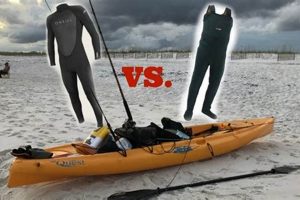
Weather conditions can change rapidly on the water, necessitating a layering system that adapts to fluctuating temperatures. Layering allows anglers to adjust clothing according to environmental conditions, ensuring comfort and preventing overheating or chilling. A base layer of moisture-wicking material provides a foundation for temperature regulation, while an insulating mid-layer offers warmth in cooler conditions. A waterproof and windproof outer shell protects against rain, spray, and wind, ensuring comfort and safety in adverse weather. This adaptable system allows anglers to maintain a comfortable body temperature regardless of external conditions.
- Footwear for Traction and Protection
Appropriate footwear enhances both comfort and safety on a kayak. Water-resistant shoes or sandals with non-marking soles provide secure footing on wet surfaces, minimizing the risk of slips and falls. Closed-toe shoes offer protection from sharp objects or accidental impacts, safeguarding feet from potential injuries. Selecting footwear that drains effectively prevents water accumulation and enhances comfort during prolonged periods on the water. Avoid wearing flip-flops or other loose footwear, as they can easily come off and create safety hazards.
These interconnected elements of appropriate clothing contribute significantly to a safe, comfortable, and productive kayak fishing experience. Selecting garments specifically designed for the demands of kayak angling enhances performance, protects against the elements, and maximizes overall enjoyment on the water. Integrating these considerations into kayak fishing gear preparation allows anglers to focus on the fishing itself, minimizing distractions and maximizing the potential for a successful and rewarding outing.
Navigation and fish-finding technologies represent integral components of contemporary kayak fishing gear, significantly impacting angling effectiveness and safety. These tools enhance anglers’ ability to locate productive fishing grounds, navigate safely in diverse aquatic environments, and ultimately increase their chances of success. Understanding the functionalities and practical applications of these technologies is crucial for maximizing their potential benefits.
Fish finders utilize sonar technology to create underwater images, revealing bottom structure, depth contours, and fish locations. This information allows anglers to identify promising fishing spots, such as drop-offs, submerged structures, or areas with concentrated baitfish activity. GPS devices and chartplotters provide precise location data, enabling navigation to specific coordinates, tracking routes, and marking waypoints for future reference. This integrated approach significantly reduces search time and allows anglers to focus efforts on promising areas. For example, locating a submerged reef structure in open water using a fish finder, then marking its position with a GPS waypoint, allows for repeated and precise targeting of this potentially productive fishing spot. Furthermore, these tools enhance safety by providing accurate navigational information, preventing disorientation, and facilitating safe passage through unfamiliar waters or hazardous conditions.
Integration of navigation and fish-finding technologies into kayak fishing gear enhances angling efficiency and contributes to a safer and more informed experience on the water. Understanding their functionalities and practical applications empowers anglers to maximize their potential, converting technological advancements into tangible improvements in fishing success and overall safety. Furthermore, responsible utilization of these tools, including adherence to local regulations and minimizing environmental impact, ensures the sustainability of the sport and preserves aquatic ecosystems for future generations. This mindful approach underscores the importance of integrating technology responsibly within the broader context of ethical angling practices.
Frequently Asked Questions about Kayak Fishing Gear
This section addresses common inquiries regarding essential equipment for kayak fishing, aiming to provide clear and concise information for anglers of all experience levels. Understanding the nuances of gear selection and utilization contributes significantly to both safety and fishing success.
Question 1: What type of kayak is best suited for fishing?
Kayak selection depends on the intended fishing environment and personal preferences. Sit-on-top kayaks offer stability and self-bailing capabilities, advantageous in rougher waters. Sit-inside kayaks provide greater protection from the elements and increased storage. Inflatable kayaks offer portability and convenience. Consider factors such as stability, maneuverability, storage capacity, and transportation logistics when selecting a kayak.
Question 2: What length fishing rod is recommended for kayak fishing?
Shorter rods, generally between 6 and 7 feet, are preferred for kayak fishing due to limited space and the need for maneuverability within the kayak’s cockpit. Shorter rods also offer greater control and leverage when battling fish in close proximity.
Question 3: What type of fishing reel is best for kayak angling?
Spinning reels are generally recommended for their ease of use and versatility. Baitcasting reels offer greater casting distance and accuracy but require more practice. The choice depends on individual preference and target species.
Question 4: How should tackle be organized in a kayak?
Effective tackle organization is essential in a kayak’s limited space. Utilize waterproof tackle boxes with compartments for different lure types. Kayak fishing bags with integrated tool holders are also beneficial. Prioritize readily accessible storage for frequently used items.
Question 5: What safety equipment is essential for kayak fishing?
A personal flotation device (PFD) is paramount. Essential safety equipment also includes a whistle or air horn, signaling mirror, communication device (VHF radio, cell phone), and a first-aid kit. Navigation lights are required for low-light conditions.
Question 6: What clothing is recommended for kayak fishing?
Moisture-wicking clothing is recommended for temperature regulation and comfort. Sun protection, including a hat, long sleeves, and polarized sunglasses, is crucial. Layering allows adaptation to changing weather conditions. Water-resistant footwear with non-marking soles provides secure footing.
Careful consideration of these frequently asked questions ensures appropriate gear selection, promoting both safety and fishing success. Prioritizing safety equipment and efficient organization contributes significantly to a positive and productive kayak fishing experience.
Further exploration of specific techniques and advanced equipment selection will be covered in subsequent sections.
Kayak Fishing Gear
Effective utilization of specialized equipment designed for angling from a kayak significantly enhances fishing opportunities and overall experience. Careful selection of a suitable vessel, appropriate rods and reels, efficient tackle organization, and prioritization of safety equipment contribute directly to successful outings. Appropriate clothing and integration of navigation/fish-finding technologies further optimize performance and safety on the water. Understanding the nuanced interplay of these elements empowers anglers to make informed decisions, maximizing both efficiency and enjoyment.
The continuous evolution of kayak fishing gear promises further advancements in design, materials, and functionality. Embracing these developments while adhering to responsible angling practices ensures the sustainability of this dynamic and rewarding pursuit, fostering a deeper connection with the aquatic environment and promoting long-term enjoyment for anglers of all skill levels.