Kayaks designed specifically for angling, typically measuring approximately 3 meters in length, offer a stable and efficient platform for accessing a variety of fishing locations. These vessels often feature specialized design elements such as rod holders, tackle storage, and even livewells to enhance the fishing experience.
The compact size of these watercraft allows for easy maneuverability in shallow waters, tight spaces, and areas inaccessible to larger boats. This portability makes them ideal for exploring smaller rivers, ponds, lakes, and protected coastal areas. Their manageable length also contributes to simplified transportation and storage, benefiting anglers with limited space or those who frequently travel to different fishing spots. Historically, shorter kayaks were often favored for their nimbleness, a trait still valuable in modern fishing kayak design.
The subsequent sections will delve into specific features, materials, and popular models, providing a comprehensive overview of the various options available to anglers seeking a compact and effective fishing platform.
Tips for Utilizing Compact Fishing Kayaks
Proper utilization of smaller fishing kayaks maximizes their inherent advantages and ensures both safety and angling success. Attention to these key aspects will significantly enhance the overall fishing experience.
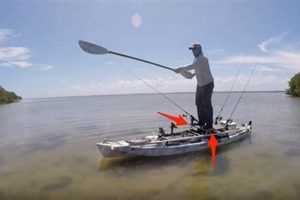
Tip 1: Stability Enhancement: Lowering the center of gravity improves stability. Distribute weight evenly and avoid sudden movements. Consider using a stabilizer system for added security, especially in challenging conditions.
Tip 2: Paddle Selection: Choose a paddle appropriate for the kayak’s width and the angler’s physique. A properly sized paddle maximizes efficiency and reduces fatigue.
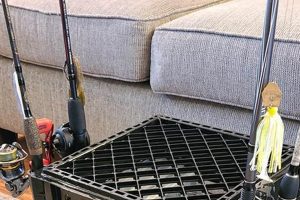
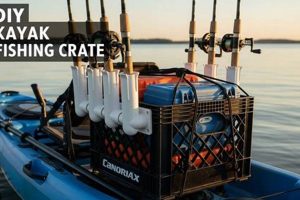
Tip 3: Efficient Tackle Organization: Organize tackle within easy reach to minimize movement and maintain balance. Utilize designated storage compartments and consider employing tackle management systems designed specifically for kayaks.
Tip 4: Safety Precautions: Always wear a personal flotation device (PFD) and carry essential safety equipment, including a whistle, signaling device, and bilge pump or sponge. Check weather conditions before embarking and inform someone of the intended fishing location and return time.
Tip 5: Launching and Landing Techniques: Practice entering and exiting the kayak in shallow water to develop smooth and balanced techniques. Consider using a launch trolley or carrying system for ease of transport over land.
Tip 6: Navigation and Electronics: Utilize a GPS device or chart plotter for navigation, especially in unfamiliar waters. Consider mounting a fish finder to locate productive fishing areas and improve angling success.
Tip 7: Anchoring Strategy: Employ an anchor appropriate for the bottom type and water conditions. A drift chute or stake-out pole can be effective alternatives in shallow water or flowing rivers.
Adhering to these practical guidelines promotes efficient and enjoyable fishing from compact kayaks, enhancing safety and maximizing success on the water.
By following these tips, anglers can confidently navigate their compact fishing kayaks, ensuring a safe and productive fishing experience. The next section will explore various accessories designed to enhance comfort and efficiency on the water.
1. Maneuverability

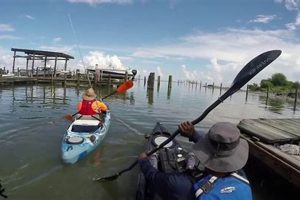
Maneuverability is a critical factor in fishing kayak performance, especially for vessels around 10 feet in length. These smaller kayaks are often chosen for their ability to navigate confined waterways, allowing anglers to access shallows, tight corners, and areas unreachable by larger craft. Understanding the factors influencing maneuverability contributes significantly to successful angling in diverse environments.
- Hull Design Impact
Hull design significantly impacts a kayak’s maneuverability. A shorter, wider hull generally provides greater initial stability but sacrifices tracking and speed. Conversely, a longer, narrower hull enhances tracking and speed but reduces turning responsiveness. Kayaks around 10 feet often employ a hybrid design, balancing stability with maneuverability to suit diverse fishing conditions. For instance, a slightly rockered hull (curved upwards at the bow and stern) improves turning performance in tight spaces but may reduce top speed in open water.
- Waterway Navigation
The ability to precisely navigate narrow creeks, weed-choked ponds, and swift-flowing streams defines the practical maneuverability of a 10-foot fishing kayak. Consider a scenario where an angler needs to navigate through dense vegetation or around submerged obstacles. A highly maneuverable kayak allows for quick adjustments and precise positioning, maximizing fishing opportunities in challenging environments. This agility is often critical for successful angling in complex waterways.
- Paddle Length and Technique
Paddle length and paddling technique contribute significantly to maneuverability. A shorter paddle offers greater control for quick turns and adjustments, while a longer paddle generates more power for straight-line speed. Proper paddling technique, including sweep strokes and ruddering, further enhances control and maneuverability. Anglers using 10-foot kayaks benefit from mastering these techniques to optimize their vessel’s performance.
- Weight Distribution and Trim
Weight distribution and trim influence how a kayak responds to paddle input. Uneven weight distribution can compromise stability and impede maneuverability. Properly distributing gear and maintaining a balanced trim allows the kayak to respond predictably, enhancing control and responsiveness. In a 10-foot kayak, where weight distribution has a pronounced effect, careful attention to trim optimization is crucial for maximizing maneuverability.
These facets of maneuverability are interconnected and contribute significantly to the overall performance of 10-foot fishing kayaks. Selecting a kayak with a well-balanced hull design, understanding paddling techniques, and maintaining proper weight distribution are crucial for maximizing agility and control on the water. This allows anglers to effectively navigate diverse environments, reach prime fishing locations, and ultimately enhance their angling success.
2. Stability

Stability is a paramount consideration in fishing kayak selection, particularly for vessels around 10 feet. These kayaks are often used in diverse aquatic environments, demanding a stable platform for casting, reeling, and landing fish. A stable kayak enhances angler confidence and safety, enabling focus on the fishing experience rather than maintaining balance. The following facets explore the key components contributing to stability in 10-foot fishing kayaks.
- Hull Design and Stability
Hull design significantly influences stability. Wider hulls generally offer greater initial stability, resisting tipping, while narrower hulls provide better tracking and speed but are less stable initially. 10-foot fishing kayaks frequently utilize a modified hull design balancing these attributes. A flatter hull section enhances primary stability (resistance to initial tipping), while a slightly rounded or multi-chine hull can improve secondary stability (resistance to capsizing after tipping beyond the initial stable point). For example, a wider, flatter hull is ideal for calm lakes and ponds, providing a stable platform for stand-up fishing, while a slightly narrower, multi-chine hull offers enhanced stability in choppy conditions.
- Center of Gravity and Weight Distribution
The center of gravity and weight distribution significantly affect stability. Keeping the center of gravity low enhances stability. Proper distribution of gear within the kayak optimizes trim and balance. An angler sitting higher elevates the center of gravity, potentially reducing stability, while positioning heavier items lower in the hull lowers the center of gravity and improves stability. Consider an angler standing to cast in a kayak. Maintaining a low center of gravity and distributing weight evenly becomes crucial for preventing capsizing.
- Water Conditions and Stability
Water conditions play a substantial role in perceived stability. Calm, flat water presents fewer stability challenges, whereas wind, waves, and currents demand greater stability from the kayak and angler. A kayak stable in calm conditions might feel less stable in rougher waters. For instance, a kayak stable on a lake might become unstable in ocean surf or fast-flowing rivers due to increased external forces acting on the hull.
- Angler’s Role in Maintaining Stability
The anglers body position and movements influence stability. Sudden movements or leaning too far can compromise stability, particularly in smaller kayaks. Maintaining a centered position and minimizing abrupt movements enhances stability. Practicing basic kayak maneuvering skills, such as bracing and edging, further enhances stability and control in various conditions. Consider an angler reaching for a dropped lure. Controlled movement and maintaining a balanced posture prevent tipping.
Understanding these interconnected facets of stability is essential for selecting and effectively utilizing a 10-foot fishing kayak. Matching the kayak’s stability characteristics to the intended fishing environment and angler experience level ensures a safe and enjoyable experience on the water. Choosing a stable platform allows anglers to confidently focus on fishing, maximizing their success and enjoyment on the water.
3. Portability
Portability is a defining characteristic of 10-foot fishing kayaks, significantly influencing their appeal and practicality. The ease of transport and storage directly impacts accessibility and usability, making these kayaks attractive to anglers with limited storage space or those seeking to explore diverse fishing locations. Examining the multifaceted aspects of portability reveals its crucial role in shaping the overall utility of these compact fishing platforms.
- Transportation Considerations
Transporting a 10-foot kayak presents fewer logistical challenges compared to larger vessels. Their compact size and lighter weight allow for easier loading, unloading, and transport using readily available vehicle types, including smaller cars and trucks. Roof racks, trailers, and even kayak carts simplify transportation, enabling anglers to access remote fishing spots with relative ease. For example, an angler can easily load a 10-foot kayak onto a roof rack without specialized lifting equipment, unlike larger, heavier kayaks that often require assistance.
- Storage Solutions
Storage requirements for 10-foot kayaks are considerably less demanding than those of larger watercraft. Garages, sheds, and even apartments can accommodate these smaller kayaks, eliminating the need for dedicated storage facilities or extensive outdoor space. This ease of storage contributes to their practicality, particularly for anglers living in urban environments or with limited storage options. Wall mounts and ceiling hoists further optimize storage space, keeping the kayak secure and out of the way when not in use.
- Navigating Access Points
Reaching remote or challenging fishing locations often involves navigating uneven terrain, narrow paths, or other obstacles. The compact size and lighter weight of 10-foot kayaks simplify this process, allowing anglers to carry their vessels over shorter distances or maneuver them through tight spaces. This enhanced accessibility expands fishing opportunities, granting access to waters inaccessible to larger boats. Consider an angler traversing a wooded path to reach a secluded pond; the portability of a 10-foot kayak becomes a significant advantage.
- Impact on Fishing Experience
The portability of 10-foot fishing kayaks directly enhances the overall angling experience. Reduced transportation and storage burdens allow anglers to focus on fishing, exploring diverse locations without logistical constraints. This freedom to quickly and easily deploy the kayak promotes spontaneous fishing trips and expands access to a wider range of fishing environments, maximizing angling opportunities and overall enjoyment.
The portability of 10-foot fishing kayaks significantly contributes to their versatility and appeal. The ease of transport, storage, and access to diverse fishing locations enhances the overall fishing experience, making them a practical choice for anglers seeking a convenient and efficient fishing platform. This blend of portability and fishing functionality makes 10-foot kayaks a compelling option for anglers of all skill levels.
4. Storage Capacity

Storage capacity is a critical factor influencing the practicality and effectiveness of fishing kayaks, particularly those around 10 feet in length. While compact, these kayaks must accommodate essential fishing gear, safety equipment, and personal items. Adequate storage directly impacts an angler’s ability to carry necessary supplies, maintain organization, and ultimately, enjoy a successful and unencumbered fishing experience. A well-designed storage system maximizes available space, enhancing efficiency and comfort on the water.
Several factors influence the effective storage capacity of a 10-foot fishing kayak. Dedicated storage compartments, such as hatches, tank wells, and bungee systems, contribute significantly to organized gear stowage. Recessed areas, like rod holders and tackle storage, maximize deck space and minimize clutter. The size, shape, and placement of these features determine the type and amount of gear that can be comfortably accommodated. For example, a large rear tank well can hold a crate or tackle bag, while smaller compartments are ideal for individual items like pliers, lures, and first-aid kits. Understanding these storage solutions and how they interact with an angler’s specific needs is crucial for informed kayak selection. An angler targeting larger game fish might prioritize rod storage and space for a larger tackle box, while someone fishing for panfish might require less storage overall.
Optimizing storage capacity involves strategic gear selection and organization. Prioritizing essential equipment and minimizing unnecessary items maximizes available space. Utilizing waterproof bags and containers protects sensitive gear from water damage and further enhances organization. Efficient packing techniques, like nesting smaller items within larger ones, maximize storage utilization. Distributing weight evenly throughout the kayak also contributes to stability and optimal performance. These considerations collectively contribute to a more efficient and enjoyable fishing experience. A cluttered kayak impedes access to essential gear, compromises stability, and detracts from the overall fishing experience, whereas a well-organized kayak enhances efficiency, safety, and enjoyment on the water. Therefore, careful evaluation of storage capacity is essential for selecting a 10-foot fishing kayak that meets an individual angler’s specific needs and fishing style.
5. Fishing Features
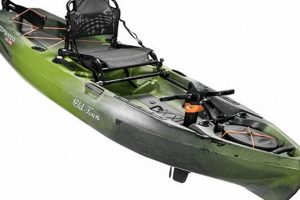
Specialized features distinguish fishing kayaks from recreational models, enhancing angling efficiency and overall experience. In 10-foot fishing kayaks, where space is a premium, thoughtful integration of these features is crucial for maximizing functionality without compromising stability or maneuverability. These features cater specifically to angling needs, transforming the kayak into a dedicated fishing platform.
- Rod Holders
Rod holders are fundamental components of fishing kayaks, providing secure storage for rods while paddling, trolling, or rigging. Flush-mounted, adjustable, and rotating rod holders offer varying degrees of versatility and accommodate different fishing styles. Multiple rod holders allow anglers to carry various rod setups rigged for different techniques or target species. For example, an angler might carry one rod rigged for casting lures and another rigged for bottom fishing. The placement and type of rod holders significantly impact accessibility and convenience during fishing.
- Tackle Storage
Dedicated tackle storage solutions keep essential gear organized and readily accessible. Integrated tackle boxes, trays, and storage compartments within easy reach maximize efficiency and minimize clutter. Dry storage compartments protect sensitive items like electronics and wallets from water damage. For example, a readily accessible tackle box allows for quick lure changes without disrupting fishing flow. Effective tackle storage contributes significantly to a streamlined and productive fishing experience.
- Mounting Options for Accessories
Mounting options, such as tracks, rails, and inserts, facilitate customization and expand the kayak’s functionality. These systems enable anglers to securely mount fish finders, GPS units, cameras, and other accessories. Standardized mounting systems ensure compatibility with a wide range of aftermarket accessories, allowing anglers to tailor their kayak to their specific needs. For example, mounting a fish finder provides crucial underwater information, enhancing fishing success. Versatile mounting options are essential for adapting the kayak to different fishing styles and environments.
- Specialized Features
Specialized features like anchor trolleys, livewells, and paddle parks further enhance the fishing experience. An anchor trolley facilitates controlled drifting and precise positioning, while a livewell keeps bait or caught fish alive. A paddle park provides a secure and readily accessible location to stow the paddle while fishing. These features, while not always standard, significantly enhance specific fishing techniques and overall comfort. For example, a livewell is essential for anglers using live bait, and an anchor trolley is invaluable for river fishing. These specialized features transform a basic kayak into a purpose-built fishing machine.
The integration and thoughtful placement of these fishing features significantly impact the overall effectiveness and enjoyment of a 10-foot fishing kayak. Selecting a kayak with well-designed fishing features tailored to an individual’s fishing style enhances efficiency, comfort, and ultimately, angling success. The careful consideration of these features differentiates a dedicated fishing kayak from a recreational model, contributing to a more productive and enjoyable experience on the water.
6. Weight Capacity

Weight capacity is a critical specification for fishing kayaks, particularly those in the 10-foot range. It dictates the maximum combined weight of the angler, gear, and any catch that the kayak can safely support. Understanding this limit is crucial for maintaining stability, performance, and, most importantly, safety on the water. Exceeding the weight capacity compromises buoyancy, reduces freeboard (the distance between the waterline and the top edge of the kayak), and increases the risk of capsizing. Careful consideration of weight capacity ensures an enjoyable and safe fishing experience.
- Angler’s Weight
The angler’s body weight represents a significant portion of the total load. Manufacturers provide weight capacity ratings to guide appropriate kayak selection based on individual angler size. Choosing a kayak with ample weight capacity ensures comfortable seating, efficient paddling, and sufficient buoyancy. For example, an angler weighing 200 pounds requires a kayak with a higher weight capacity than an angler weighing 150 pounds, even if their gear is similar. Ignoring this fundamental consideration can lead to instability and a less enjoyable experience on the water.
- Gear and Equipment
Fishing gear, including rods, reels, tackle boxes, and other accessories, contributes significantly to the overall weight. Estimating the combined weight of all gear is crucial for determining whether a specific kayak model offers sufficient capacity. Heavier fishing styles, such as those targeting larger game fish, necessitate kayaks with higher weight capacities to accommodate specialized equipment. For example, an angler carrying multiple rods, a large tackle box, and a battery-powered fish finder requires a kayak with a higher weight capacity compared to an angler carrying a single rod and a small tackle bag. Careful consideration of gear weight ensures safe and balanced performance.
- Potential Catch
While often overlooked, the weight of the intended catch should also factor into weight capacity considerations. Landing a large fish adds considerable weight to the kayak, potentially exceeding its limits if not accounted for. Anglers targeting larger species should choose a kayak with a higher weight capacity to safely handle the additional load of a trophy catch. For example, landing a large salmon or catfish can significantly impact stability if the kayak is already near its maximum capacity. Anticipating the potential weight of a catch is crucial for maintaining safety and control during the excitement of a successful fishing trip.
- Performance Implications
Weight capacity directly influences kayak performance. A kayak loaded near its maximum capacity sits lower in the water, increasing drag and reducing paddling efficiency. Maneuverability and responsiveness are also affected, impacting the ability to navigate tight spaces or respond to changing water conditions. Choosing a kayak with ample weight capacity ensures optimal performance and a more enjoyable paddling experience. A kayak overloaded with gear sits lower in the water, impacting its tracking and making it feel sluggish and less responsive to paddle input. Maintaining a safe margin below the maximum weight capacity ensures optimal performance and handling.
Careful consideration of these factors, in conjunction with the manufacturer’s stated weight capacity, is crucial for safe and efficient operation of 10-foot fishing kayaks. Selecting a kayak with appropriate weight capacity ensures stability, maximizes performance, and enhances overall enjoyment on the water. Prioritizing weight capacity contributes significantly to a safe and successful fishing experience.
7. Hull Design

Hull design significantly influences the performance characteristics of 10-foot fishing kayaks, impacting stability, maneuverability, speed, and tracking. Given the compact nature of these kayaks, hull design choices become crucial for optimizing performance in specific fishing environments. Understanding the various hull types and their respective advantages and disadvantages empowers informed decision-making, aligning kayak selection with individual angling needs and preferences.
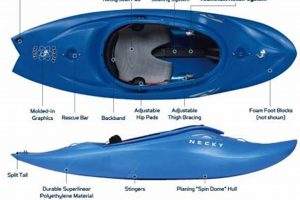
Several distinct hull designs are common in 10-foot fishing kayaks, each offering unique performance characteristics. Flat hulls provide excellent primary stability, making them ideal for calm waters and stand-up fishing. However, they tend to be slower and less maneuverable than other designs. Rounded hulls, conversely, offer enhanced maneuverability and speed but sacrifice some initial stability. Pontoon hulls provide exceptional stability, particularly for larger anglers or those carrying heavy loads, but may be less efficient for paddling longer distances. Multi-chine hulls, incorporating multiple angled surfaces, combine stability with efficient tracking and moderate speed, making them a versatile option for varied water conditions. For example, a kayak designed for river fishing might utilize a multi-chine hull to balance stability in moving water with maneuverability around obstacles. A kayak intended for lake fishing might prioritize stability with a flatter hull design, allowing for comfortable stand-up casting.
Selecting an appropriate hull design involves carefully considering the intended fishing environment and individual paddling style. Calm lakes and ponds favor kayaks with flatter, more stable hulls, while rivers and coastal waters benefit from designs prioritizing maneuverability and tracking. Anglers seeking to cover longer distances might prioritize speed and efficiency, while those focused on stability for fishing in a specific spot might opt for a wider, flatter hull. Understanding the interplay between hull design and intended usage optimizes kayak selection, ensuring a balanced and effective fishing platform. Failure to consider hull design characteristics can lead to a kayak ill-suited for the intended purpose, compromising stability, maneuverability, or overall fishing effectiveness. Matching hull design to individual fishing needs enhances performance, safety, and overall enjoyment on the water.
Frequently Asked Questions about 10-Foot Fishing Kayaks
This section addresses common inquiries regarding kayaks designed for fishing, approximately 10 feet in length. Clear and concise answers provide practical information for informed decision-making.
Question 1: What are the advantages of a 10-foot fishing kayak compared to longer models?
Ten-foot kayaks offer enhanced maneuverability in tight spaces, simplified transport and storage due to their compact size, and generally lower cost compared to larger kayaks. These advantages make them well-suited for smaller bodies of water and anglers seeking portability.
Question 2: Are 10-foot kayaks suitable for ocean fishing?
While some 10-foot kayaks can handle protected coastal waters and calm bays, they are generally not recommended for open ocean conditions. Longer kayaks offer superior tracking, stability, and load capacity necessary for challenging offshore environments.
Question 3: What is the typical weight capacity of a 10-foot fishing kayak?
Weight capacity varies by model and manufacturer, but generally ranges from 250 to 350 pounds. It’s crucial to consult manufacturer specifications and select a kayak with adequate capacity for the combined weight of the angler, gear, and potential catch.
Question 4: What features should one look for in a 10-foot fishing kayak?
Essential features include rod holders, tackle storage compartments, comfortable seating, and a stable hull design. Additional features like anchor trolleys, rudders, and mounting options for accessories enhance fishing functionality and adaptability.
Question 5: How does hull design impact performance in a 10-foot kayak?
Hull design significantly influences stability, maneuverability, and speed. Wider, flatter hulls offer increased stability, while longer, narrower hulls improve tracking and speed. Choosing an appropriate hull design depends on intended fishing environments and individual paddling styles.
Question 6: What safety precautions should be taken when using a 10-foot fishing kayak?
Always wear a personal flotation device (PFD), inform someone of your fishing plans, check weather conditions before embarking, and carry essential safety gear like a whistle, signaling device, and bilge pump. Understanding basic paddling techniques and self-rescue procedures is also highly recommended.
Careful consideration of these frequently asked questions empowers informed decision-making and promotes safe and enjoyable fishing experiences in 10-foot kayaks. Matching kayak selection to individual needs and intended usage ensures optimal performance on the water.
The next section will provide a detailed comparison of popular 10-foot fishing kayak models currently available on the market.
Fishing Kayaks 10 ft
Careful selection of a fishing kayak measuring approximately 10 feet requires thorough consideration of various factors. Hull design, weight capacity, storage solutions, and integrated fishing features significantly influence on-the-water performance and overall angling effectiveness. Matching these attributes to individual needs and intended fishing environments is paramount. Prioritizing stability, maneuverability, portability, and specialized features ensures a productive and enjoyable fishing experience. Understanding the interplay of these elements empowers informed decisions, transforming a simple purchase into an investment in successful angling.
The compact nature of these vessels presents unique advantages for accessing diverse waterways, while inherent limitations underscore the importance of informed selection. Diligent research and careful consideration of individual fishing styles and target environments remain crucial for maximizing the potential of these specialized kayaks. Appropriate kayak selection unlocks access to a world of angling opportunities, enhancing the pursuit of fishing success and enjoyment on the water.