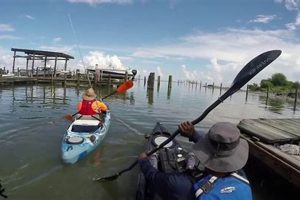
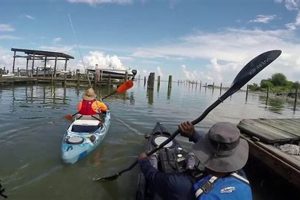
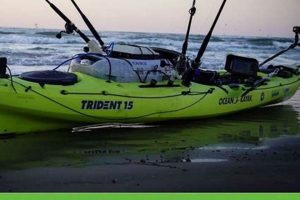
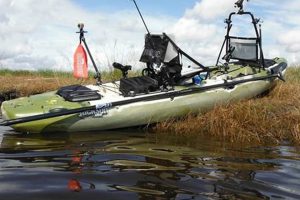
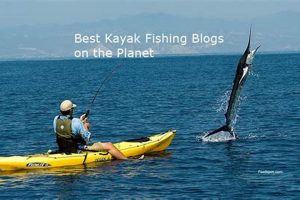
This pursuit involves angling from a kayak. A small, human-powered watercraft, the kayak provides a stable and maneuverable platform for casting lines and reeling in catches in diverse aquatic environments, from calm lakes to open ocean waters. Imagine hooking a largemouth bass from the quiet stillness of a dawn-lit cove, or battling a feisty tuna from the rolling swell of the Gulf Stream; this activity offers a uniquely intimate connection with the water and its inhabitants.
The low profile and relative quiet of this approach allows anglers to get closer to fish, often undisturbed. This provides a distinct advantage, particularly in shallow waters or areas with heavy boat traffic. Beyond its practical benefits, this method also offers a more physical and engaging experience compared to traditional boat fishing, encouraging a deeper connection with nature. The historical roots of this practice can be traced back to indigenous cultures who utilized kayaks for both sustenance and transportation. Modern advancements in kayak design and fishing gear have transformed this traditional method into a popular recreational and competitive sport.
The following sections delve into various aspects of this exciting pastime, covering topics such as choosing the right equipment, essential safety considerations, effective angling techniques, and responsible fishing practices. Whether a seasoned angler seeking new challenges or a beginner drawn to the allure of the open water, the following information provides valuable insights into the exciting world of this growing sport.
Tips for Kayak Angling
Preparation and knowledge are crucial for a successful and enjoyable outing. These tips offer guidance for both novice and experienced anglers.
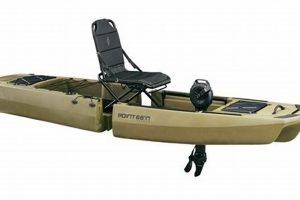
Tip 1: Choose the Right Kayak: Kayak selection depends on the intended fishing environment. Sit-on-top kayaks offer stability and are suitable for warmer climates. Sit-inside kayaks provide better protection from the elements but can be less stable. Pedal-driven kayaks allow hands-free fishing but come at a higher cost.
Tip 2: Prioritize Safety: Always wear a personal flotation device (PFD). Carry a whistle, signaling device, and communication equipment. Check weather conditions before embarking and inform someone of the intended fishing location and return time.
Tip 3: Organize Gear Effectively: Utilize rod holders, tackle boxes, and dry bags to keep equipment organized and accessible. A well-organized kayak improves efficiency and safety on the water.
Tip 4: Master Basic Paddling Techniques: Efficient paddling conserves energy and allows anglers to cover more water. Practice different strokes for maneuvering in various conditions, including wind and currents.
Tip 5: Understand Fish Behavior: Research the target species and their preferred habitats. Knowledge of fish behavior improves the chances of a successful catch. Consider factors like water temperature, depth, and prevalent forage.
Tip 6: Employ Appropriate Fishing Techniques: Different environments and species require specific techniques. Practice casting accuracy and retrieval methods tailored to the target fish. Consider using lures or bait appropriate for the species and conditions.
Tip 7: Practice Catch and Release: Handle fish with care to minimize stress and injury. Use appropriate hooks and tools for efficient release. Reviving fish properly ensures their survival after release.
By adhering to these guidelines, anglers can enhance their experience and contribute to the sustainability of this rewarding pursuit. Proper preparation contributes significantly to safety and enjoyment on the water.
These tips provide a starting point for exploring the world of kayak angling. Further research and experience will enhance proficiency and enjoyment of this exciting sport.
1. Kayak Selection

Appropriate kayak selection is fundamental to successful kayak sport fishing. The vessel serves as the angler’s primary platform, influencing stability, mobility, and overall fishing efficacy. An unsuitable craft can hinder casting, maneuvering, and even compromise safety. Consider, for instance, attempting offshore fishing in a small recreational kayak designed for calm lakes; the instability and lack of storage would pose significant challenges. Conversely, using a large, ocean-going kayak in a shallow, heavily vegetated river would limit access and maneuverability. The kayak must match the intended environment and fishing style.
Several factors influence kayak choice. Hull design significantly impacts stability and tracking. Wider, flatter hulls offer enhanced stability, ideal for calm waters and stand-up fishing. Longer, narrower hulls provide better tracking and speed, suited for covering larger distances or paddling against currents. Features like rod holders, tackle storage, and anchor systems also play crucial roles. Sit-on-top kayaks provide easier access to gear and re-entry after a water landing, while sit-inside kayaks offer better protection from the elements. Pedal-driven kayaks allow hands-free fishing, particularly advantageous for techniques like trolling or sight casting.
Ultimately, the optimal kayak selection depends on a thorough assessment of individual needs and the intended fishing environment. Careful consideration of hull design, features, and propulsion systems ensures a safe, efficient, and ultimately more rewarding fishing experience. This foundational choice directly impacts the angler’s ability to effectively target specific species and navigate diverse waterways, underscoring its critical role in kayak sport fishing.
2. Safety Equipment

Safety equipment is paramount in kayak sport fishing, forming an inextricable link with the activity’s successful and responsible pursuit. The inherent risks associated with on-water activities, amplified by the often remote nature of fishing locations, necessitate a comprehensive approach to safety. Neglecting proper safety precautions can transform a rewarding experience into a perilous situation. Consider a scenario where an angler encounters unexpected rough water or capsizes far from shore; the absence of a personal flotation device (PFD) could have life-threatening consequences. Similarly, a sudden change in weather conditions, coupled with a lack of communication devices, could leave an angler stranded and vulnerable.
Essential safety equipment comprises several key items. A properly fitted PFD is non-negotiable, providing buoyancy and increasing the chances of survival in a capsizing event. A signaling device, such as a whistle or air horn, can attract attention in emergencies. A waterproof communication device, like a VHF radio or satellite messenger, enables contact with emergency services or shore support. Navigation tools, including a compass, GPS device, and charts, are vital, particularly in unfamiliar waters or conditions of reduced visibility. A first-aid kit equipped to address common injuries, like cuts, hooks, and stings, provides immediate medical assistance in remote locations. Carrying spare paddle, bilge pump, and basic repair kit further enhances preparedness for unexpected equipment failures.
The consistent and proper use of safety equipment underscores a commitment to responsible angling practices. This preparedness mitigates potential risks, ensuring not only the angler’s well-being but also the safety of others on the water. Regular inspection and maintenance of equipment are essential to ensure its effectiveness in critical situations. Understanding the function and operation of each safety item enhances its practical value in emergencies. Ultimately, a comprehensive approach to safety equipment transforms kayak sport fishing from a potentially hazardous activity into a secure and enjoyable pursuit.
3. Effective Techniques

Effective techniques are integral to successful kayak sport fishing, representing the critical link between angler, equipment, and environment. These techniques encompass a range of skills and knowledge, from casting accuracy and lure retrieval to fish fighting and landing strategies. Mastery of these techniques significantly impacts the angler’s ability to locate, entice, and successfully land target species. Consider the scenario of presenting a lure to a wary fish in shallow, clear water; a clumsy cast or an unnatural retrieval can easily spook the fish, negating the opportunity. Conversely, a precise presentation and a skillfully manipulated lure can trigger a strike, initiating the next phase of the angling process.
Several key techniques contribute to effective kayak angling. Accurate casting, often performed in confined spaces and from a seated position, requires practice and adaptation. Lure selection and presentation must consider factors like water depth, clarity, and target species behavior. Proper retrieval techniques mimic the movement of natural prey, enticing fish to strike. Once hooked, effective fish-fighting techniques, utilizing rod angles and drag settings, become crucial, particularly when battling larger, more powerful species from the relatively unstable platform of a kayak. Efficient landing techniques, often involving nets or specialized grips, minimize stress on the fish and ensure a safe and successful conclusion to the encounter.
The significance of effective techniques extends beyond simply catching fish. Proficient angling practices minimize environmental impact by reducing lost tackle and promoting responsible catch-and-release methods. Furthermore, mastering these techniques enhances the overall angling experience, fostering a deeper connection with the aquatic environment and increasing the angler’s sense of accomplishment. The continuous refinement of these skills represents a core element of kayak sport fishing, enabling anglers to adapt to diverse conditions, target a wider range of species, and ultimately maximize their enjoyment of this demanding yet rewarding pursuit.
4. Respectful Practices

Respectful practices constitute a cornerstone of kayak sport fishing, representing a crucial commitment to environmental stewardship and the long-term sustainability of this activity. These practices extend beyond mere compliance with regulations; they embody an ethical responsibility to minimize impact on aquatic ecosystems and preserve the resource for future generations. Disregarding respectful practices can lead to habitat degradation, fish population decline, and ultimately, the erosion of the very foundation upon which this sport is built. Consider, for instance, the detrimental impact of discarded fishing line on aquatic wildlife; entanglement can injure or kill fish, birds, and other animals. Similarly, improper disposal of bait or fish remains can pollute waterways and disrupt delicate ecological balances. Conversely, adherence to respectful practices, such as proper waste disposal and careful fish handling, contributes to the preservation of healthy aquatic environments.
Respectful practices encompass a range of actions. Proper catch-and-release techniques, employing barbless hooks and minimizing handling time, reduce stress on fish and increase their chances of survival after release. Adherence to fishing regulations, respecting size and bag limits, ensures the sustainability of fish populations. Minimizing disturbance to aquatic habitats, avoiding sensitive areas like spawning beds or nesting sites, preserves the ecological integrity of these vital areas. Proper disposal of all waste, including fishing line, hooks, and packaging, prevents pollution and protects wildlife. Respectful interaction with other anglers and recreational users of the waterway fosters a positive and shared experience for all.
The practical significance of respectful practices lies in their direct contribution to the long-term health and viability of kayak sport fishing. These practices not only protect the environment but also enhance the angling experience. Clean waterways, healthy fish populations, and undisturbed habitats contribute to a more rewarding and sustainable pursuit. The adoption and consistent application of respectful practices, therefore, represent an investment in the future of this sport, ensuring its continued enjoyment for generations to come. The challenge lies in promoting widespread adoption of these practices, fostering a culture of responsibility within the angling community. This requires education, awareness, and a collective commitment to preserving the delicate balance of aquatic ecosystems.
5. Location Knowledge
Location knowledge forms a cornerstone of effective kayak sport fishing, representing the critical interface between angler and environment. This knowledge encompasses a deep understanding of the chosen waterway, including its bathymetry, currents, prevailing winds, and the distribution of target species. Such understanding allows anglers to strategically position themselves, optimize fishing techniques, and ultimately increase their chances of success. Without adequate location knowledge, anglers effectively fish blind, wasting time and effort in unproductive areas. Consider, for instance, an angler targeting reef-dwelling species who lacks knowledge of local reefs; without this crucial information, the angler might spend hours fishing barren sand flats, while the target species remain concentrated on the unexplored reefs. Conversely, an angler equipped with detailed bathymetric charts and local knowledge can navigate directly to these productive areas, maximizing fishing time and increasing the likelihood of encountering the desired species. This exemplifies the direct cause-and-effect relationship between location knowledge and fishing success.
The practical application of location knowledge manifests in several key aspects of kayak sport fishing. Understanding water depth and bottom structure allows anglers to select appropriate fishing techniques and presentations. Knowledge of currents and tides enables anglers to predict fish movement and position themselves accordingly. Awareness of prevailing winds and weather patterns enhances safety and informs decisions about fishing location and duration. Furthermore, understanding the distribution and behavior of target species, including their preferred habitats and feeding patterns, significantly improves the chances of a successful encounter. For example, an angler familiar with the seasonal migratory patterns of a particular fish species can anticipate their arrival in specific areas, increasing the likelihood of a productive fishing trip. Similarly, knowledge of a species’ preferred feeding grounds, whether it be near submerged vegetation, rocky outcrops, or deep channels, allows anglers to target these specific locations with precision and efficiency.
Location knowledge, therefore, represents a crucial component of effective kayak sport fishing. This knowledge transforms the angler from a passive participant into an informed and strategic predator, capable of navigating complex aquatic environments and maximizing their chances of success. The acquisition and application of this knowledge requires continuous learning, observation, and adaptation. Resources such as nautical charts, tide tables, local fishing reports, and interactions with experienced anglers provide valuable insights into the intricacies of specific locations. Ultimately, the depth and breadth of an angler’s location knowledge directly influence their ability to effectively target species, make informed decisions on the water, and ultimately, experience the full potential of kayak sport fishing. This pursuit of knowledge, intertwined with the thrill of the chase, forms an essential part of the allure of this dynamic and rewarding activity.
Frequently Asked Questions
This section addresses common inquiries regarding kayak sport fishing, providing concise and informative responses to clarify potential uncertainties and promote a deeper understanding of this activity.
Question 1: What are the primary advantages of kayak fishing compared to traditional boat fishing?
Kayak fishing offers enhanced access to shallow waters, stealthier approach to fish, a closer connection with nature, and a physically engaging experience. It also often represents a more affordable and accessible entry point into the sport of fishing.
Question 2: What type of kayak is best suited for fishing?
The optimal kayak depends on the intended fishing environment and personal preferences. Sit-on-top kayaks offer stability and ease of use, while sit-inside kayaks provide better protection from the elements. Pedal-driven kayaks offer hands-free fishing but come at a higher cost. Careful consideration of hull design, features, and propulsion systems is crucial.
Question 3: What essential safety precautions should kayak anglers observe?
Wearing a personal flotation device (PFD) is paramount. Checking weather conditions before embarking, informing someone of fishing plans, carrying communication and signaling devices, and understanding basic paddling techniques are also crucial safety measures.
Question 4: What fishing gear is recommended for kayak angling?
Essential gear includes rods, reels, lines, lures, hooks, and a tackle box. Rod holders, fish finders, and landing nets are valuable additions. Specific gear choices depend on target species and fishing environment.
Question 5: How does one locate productive fishing spots from a kayak?
Researching local fishing reports, consulting nautical charts, utilizing fish finders, and observing natural indicators, such as bird activity or baitfish schools, can help identify promising fishing areas. Understanding fish behavior and preferred habitats is also crucial.
Question 6: What are the ethical considerations associated with kayak sport fishing?
Practicing catch and release whenever possible, adhering to fishing regulations, minimizing environmental impact, and respecting other users of the waterway are essential ethical considerations. Responsible angling practices ensure the long-term sustainability of this activity.
Understanding these fundamental aspects of kayak sport fishing contributes significantly to a safer, more successful, and ultimately, more rewarding experience. Further research and experience will enhance proficiency and enjoyment of this dynamic pursuit.
This concludes the frequently asked questions section. The following section will provide a comprehensive guide to choosing the right kayak fishing accessories.
Kayak Sport Fishing
This exploration of kayak sport fishing has highlighted its multifaceted nature, encompassing equipment selection, safety protocols, effective techniques, respectful practices, and the crucial role of location knowledge. Each element contributes significantly to a successful and rewarding experience, underscoring the interconnectedness of angler, environment, and the pursuit itself. From the selection of an appropriate kayak to the mastery of intricate angling techniques, careful consideration of each aspect enhances not only fishing success but also safety and environmental responsibility.
Kayak sport fishing offers a unique and dynamic pathway to engage with the natural world. Its accessibility, coupled with the potential for exhilarating encounters with aquatic species, continues to draw increasing numbers of enthusiasts. However, the future of this activity rests upon a collective commitment to responsible practices and environmental stewardship. Continued education, adherence to ethical guidelines, and a proactive approach to conservation will ensure the sustainability of kayak sport fishing for generations to come. The challenge lies not merely in catching fish, but in preserving the delicate balance of aquatic ecosystems, allowing future anglers to experience the same thrill of the chase and the profound connection with nature that defines this rewarding pursuit.