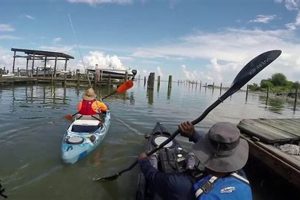
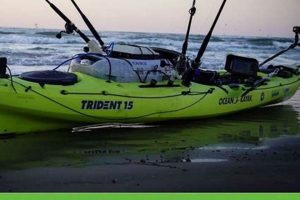
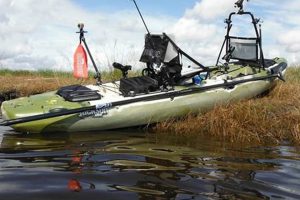
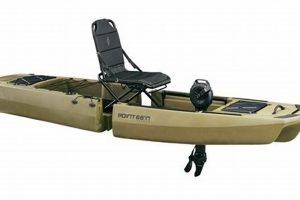
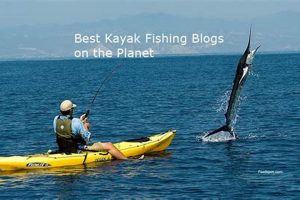
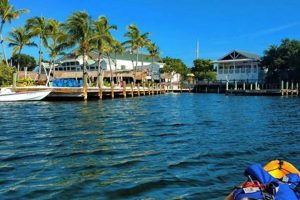
The practice of angling from a small, human-powered watercraft in the waters surrounding Grand Isle, Louisiana, offers a unique blend of sport and connection with nature. This method allows anglers to access shallow-water areas teeming with fish, often unreachable by larger vessels. The protected bays, marshes, and passes around the island provide diverse habitats for various species, making it a desirable location for this activity.
This approach provides several advantages. Its quiet, non-motorized nature allows anglers to approach fish without disturbance, increasing the chances of a successful catch. The maneuverability of these small vessels opens up opportunities to explore secluded fishing spots within the intricate network of waterways. Furthermore, Grand Isle’s rich history as a fishing destination adds another layer of appeal, connecting contemporary practitioners with a long tradition of angling in these waters.
This discussion will further explore the nuances of angling from small boats in the waters around Grand Isle, covering topics such as popular target species, recommended equipment and techniques, and the importance of conservation efforts to maintain the health of this vital ecosystem.
Tips for Angling from Small Craft near Grand Isle
Careful planning and preparation are crucial for a successful and enjoyable fishing experience from a small, human-powered vessel in the waters surrounding Grand Isle. The following tips offer guidance for maximizing angling opportunities while ensuring safety and environmental responsibility.
Tip 1: Check Weather Conditions: Prior to embarking, consult marine forecasts for wind speed, direction, and wave height. Postponing trips during inclement weather is essential for safety.
Tip 2: File a Float Plan: Informing someone on shore of the intended fishing location and estimated return time is a vital safety precaution.
Tip 3: Utilize Appropriate Safety Gear: A personal flotation device (PFD) is mandatory, and carrying a whistle, signaling device, and first-aid kit is highly recommended.
Tip 4: Employ Proper Anchoring Techniques: Understanding how to anchor effectively in various water conditions prevents drifting and maximizes fishing time in desired locations.
Tip 5: Respect Wildlife and Habitat: Practicing catch-and-release whenever possible helps preserve fish populations. Avoiding disturbing nesting birds and other wildlife is essential for maintaining the ecosystem’s health.
Tip 6: Pack Essential Equipment: A well-stocked tackle box, appropriate fishing rods and reels, and tools for handling fish are crucial for a productive trip.
Tip 7: Navigate with Caution: Awareness of tides, currents, and potential hazards such as oyster beds or shallow areas is paramount for safe navigation.
Adhering to these guidelines will contribute significantly to a safe, rewarding, and environmentally conscious angling experience in the unique waters surrounding Grand Isle.
These practical tips provide a foundation for successful outings. The following section will offer additional insights into specific techniques and strategies for optimizing angling opportunities in this dynamic environment.
1. Species Diversity

The rich biodiversity of Grand Isle’s waters is a significant draw for kayak anglers. The variety of species available presents diverse angling opportunities, catering to different skill levels and fishing preferences. Understanding the prevalent species and their habitats is crucial for a successful fishing experience.
- Redfish (Sciaenops ocellatus)
Redfish are a popular target due to their fighting spirit and prevalence in the shallow marshes and bays accessible by kayak. Their copper-red coloration and distinctive black spot near the tail make them easily identifiable. Anglers often employ techniques like sight-fishing and using lures that mimic the redfish’s prey, such as crabs and shrimp.
- Speckled Trout (Cynoscion nebulosus)
Speckled trout, another sought-after species, inhabit similar environments to redfish. They exhibit a distinct speckled pattern and are known for their aggressive strikes. Anglers often target them using soft plastic lures or live bait fished near grass beds or oyster reefs.
- Flounder (Paralichthys lethostigma)
Flounder, with their unique camouflage and bottom-dwelling habits, present a different angling challenge. They are often found lying in wait on the sandy or muddy bottoms of bays and inlets. Anglers typically use live bait or lures that mimic small fish or crustaceans, dragging them slowly along the bottom to entice a strike.
- Black Drum (Pogonias cromis)
Black drum are known for their size and powerful runs, making them a challenging and rewarding catch. They are often found near oyster reefs and other structures. Anglers commonly use crab or shrimp bait to target these bottom-feeding fish.
This diverse range of species contributes significantly to the appeal of kayak fishing around Grand Isle. The ability to navigate shallow waters and quietly approach these fish enhances the angling experience, making it a prime location for both novice and experienced anglers seeking diverse fishing opportunities.
2. Shallow Water Access

Shallow water access represents a defining characteristic of kayak fishing around Grand Isle. The intricate network of bays, marshes, and estuaries surrounding the island creates a complex ecosystem teeming with fish, much of which is inaccessible to larger, motorized boats. Kayaks, with their shallow draft and maneuverability, excel in these environments, granting anglers access to prime fishing grounds often undisturbed by other angling methods. This advantage significantly enhances the probability of encountering target species like redfish, speckled trout, and flounder, which frequently inhabit these shallow, protected areas.
The shallows around Grand Isle offer a wealth of feeding opportunities for fish, attracting them to these nutrient-rich waters. Oyster reefs, submerged vegetation, and the edges of marsh grass provide ideal ambush points for predatory species. Kayaks allow anglers to quietly navigate these shallow areas, minimizing disturbance and maximizing the chances of a successful presentation. For example, silently drifting along a grass bed or paddling through a shallow bay allows anglers to present lures or bait directly to fish in their natural habitat, an approach often impossible with larger vessels. This direct access provides a tactical advantage, particularly during periods of heightened fish activity, such as early morning or late afternoon.
The ability to exploit shallow water access via kayak is a key component of successful angling around Grand Isle. Understanding the interplay between tidal movements, water depth, and fish behavior is essential for maximizing this advantage. While larger boats are often restricted by draft or noise, kayaks allow anglers to capitalize on the richness of these shallow-water ecosystems, providing a unique and productive fishing experience. Careful navigation and respect for the fragile environment are, however, crucial for preserving the integrity of this valuable resource.
3. Equipment Selection

Appropriate equipment selection is paramount for a successful and enjoyable kayak fishing experience in the waters surrounding Grand Isle. The unique demands of this environment necessitate careful consideration of factors such as stability, maneuverability, and the specific target species. Choosing the right gear contributes significantly to both safety and angling effectiveness.
- Kayak Choice
Kayak selection hinges on several factors. Sit-on-top kayaks offer inherent stability and ease of re-entry in case of capsize, making them suitable for the often-calm conditions of bays and estuaries. Longer kayaks provide enhanced tracking for covering distances efficiently, while shorter models excel in maneuverability within tighter confines of mangrove tunnels or shallow creeks. Weight capacity should accommodate the angler, fishing gear, and potential catch.
- Paddle Selection
Paddle selection impacts paddling efficiency and comfort. Lightweight paddles reduce fatigue during long paddling sessions. Paddle length should be appropriate for the angler’s height and kayak width. A paddle leash prevents loss in case of dropping or capsizing.
- Fishing Gear
Fishing gear choices depend on target species. Medium-light to medium-heavy spinning rods and reels are versatile choices for common Grand Isle species like redfish and speckled trout. A selection of lures, hooks, and weights tailored to the target species is essential. A tackle box or bag keeps gear organized and accessible.
- Safety Equipment
Prioritizing safety is non-negotiable. A personal flotation device (PFD) is mandatory and should be worn at all times. A whistle, signaling device, and first-aid kit are crucial in case of emergencies. A dry bag protects essential items like phones and wallets from water damage.
Careful equipment selection directly impacts the effectiveness and safety of kayak fishing around Grand Isle. The right kayak and paddle enhance maneuverability and access to shallow fishing grounds. Appropriate fishing gear maximizes the chances of landing target species. Prioritizing safety equipment ensures a prepared and responsible approach to this rewarding angling experience.
4. Safety Precautions
Safety precautions are paramount for kayak fishing around Grand Isle. The dynamic environment, characterized by changing weather conditions, tidal currents, and potential encounters with marine life, necessitates a proactive approach to risk management. Neglecting safety protocols can jeopardize angler well-being and detract from the overall fishing experience. Understanding and implementing appropriate safety measures are crucial for mitigating potential hazards.
- Personal Flotation Device (PFD)
A PFD is non-negotiable. All anglers must wear a properly fitted and Coast Guard-approved PFD at all times. Even in calm conditions, unforeseen circumstances like capsizing or unexpected weather changes can occur. A PFD significantly increases the chances of survival in such events.
- Weather Monitoring
Checking marine weather forecasts before embarking is essential. Wind speed, direction, and wave height significantly impact kayak stability and navigation. Postponing trips during inclement weather is a prudent decision that prioritizes safety. Sudden weather changes are possible, so continuous monitoring during the fishing trip is advisable.
- Float Plan and Communication
Informing someone on shore of the intended fishing location, estimated return time, and contact information constitutes a vital safety protocol. This float plan provides crucial information for search and rescue operations should an emergency arise. Carrying a waterproof communication device, such as a VHF radio or a cell phone in a waterproof case, allows for contacting emergency services if needed.
- Navigation and Awareness
Navigating the intricate waterways around Grand Isle requires awareness of potential hazards. Shallow areas, oyster reefs, and strong currents can pose risks to kayak stability. Consulting nautical charts and understanding tidal patterns are crucial for safe navigation. Awareness of boat traffic and maintaining a safe distance from larger vessels is also essential.
Prioritizing safety precautions is integral to a positive kayak fishing experience around Grand Isle. Implementing these measures mitigates potential risks associated with the dynamic marine environment and allows anglers to focus on enjoying the diverse fishing opportunities this location offers. A proactive approach to safety ensures a more rewarding and secure angling experience.
5. Tidal Influence

Tidal influence exerts a significant impact on kayak fishing success around Grand Isle. The ebb and flow of tides dictate water depth, current strength, and fish movement within the intricate network of bays, marshes, and channels. Understanding tidal patterns is crucial for optimizing fishing strategies and accessing productive areas. Tidal currents transport baitfish and crustaceans, influencing the feeding patterns of target species such as redfish, speckled trout, and flounder. During incoming tides, these fish often move into shallow flats and marshes to forage, while outgoing tides concentrate them in deeper channels and cuts. For instance, fishing the edges of a marsh during a rising tide can be highly productive as baitfish are swept onto the flooded flats, attracting predatory fish. Conversely, focusing on deeper channels during a falling tide intercepts fish retreating to deeper water.
Practical application of tidal knowledge involves consulting tide charts specific to Grand Isle before planning a fishing trip. These charts provide information on high and low tide times, as well as the strength and direction of tidal currents. Cross-referencing this information with knowledge of preferred fish habitats allows anglers to anticipate fish movement and position themselves strategically. For example, understanding that redfish favor oyster reefs during a falling tide allows anglers to target these specific locations during the optimal tidal phase. Furthermore, recognizing the influence of wind on tidal currents is essential. Strong winds opposing tidal flow can create challenging paddling conditions and alter fish behavior. Adapting fishing strategies based on these combined factors increases the likelihood of success.
In summary, tidal influence represents a critical factor in kayak fishing around Grand Isle. A comprehensive understanding of tidal patterns and their impact on fish behavior is essential for effective angling. Utilizing tide charts, observing current flows, and adapting fishing locations based on tidal stage are key elements of a successful strategy. Integrating this knowledge with an understanding of local fish habitats allows anglers to maximize their chances of encountering target species and enhance the overall fishing experience within this dynamic tidal environment. The careful consideration of tidal influence distinguishes a knowledgeable angler and contributes significantly to a productive and rewarding fishing trip.
Frequently Asked Questions
This section addresses common inquiries regarding angling from small, human-powered watercraft near Grand Isle, Louisiana. The information provided aims to clarify potential uncertainties and enhance understanding of this unique fishing experience.
Question 1: What are the licensing requirements for fishing near Grand Isle?
A valid Louisiana fishing license is required for all anglers, regardless of residency. Specific regulations and license types can be found on the Louisiana Department of Wildlife and Fisheries website.
Question 2: Are there specific launch sites recommended for kayaks near Grand Isle?
Several public boat launches provide convenient access. Bridge Side Marina and the Grand Isle State Park offer kayak launch facilities. Researching launch locations beforehand is recommended to determine suitability based on prevailing conditions and desired fishing areas.
Question 3: What are the primary target species for kayak anglers in this area?
Redfish, speckled trout, flounder, and black drum are among the popular target species. Other species like sheepshead and Spanish mackerel are also encountered. Species presence can vary based on season and location.
Question 4: What safety precautions are essential for kayak fishing in this environment?
Wearing a personal flotation device (PFD) at all times is mandatory. Checking weather forecasts prior to departure is crucial. Informing someone of the planned fishing location and estimated return time is strongly advised. Carrying a communication device and a first-aid kit is also recommended.
Question 5: How does tidal movement affect fishing success around Grand Isle?
Tidal currents influence fish movement and feeding patterns. Incoming tides often bring fish into shallow areas, while outgoing tides concentrate them in deeper channels. Consulting tide charts and understanding local fish behavior is essential for maximizing angling opportunities.
Question 6: Are guided fishing tours available for kayak anglers unfamiliar with the area?
Several local charter services offer guided kayak fishing trips. These guided excursions provide valuable insights into local fishing spots, techniques, and safety considerations, particularly beneficial for those new to the area.
Understanding these commonly asked questions equips anglers with the essential knowledge for a safe, rewarding, and informed kayak fishing experience near Grand Isle. Careful planning and preparation contribute significantly to a successful outing.
This FAQ section provides a foundation for informed decision-making. Further resources and information can be found through local fishing organizations and the Louisiana Department of Wildlife and Fisheries.
Kayak Fishing Grand Isle
Angling from a kayak in the waters surrounding Grand Isle offers a distinctive blend of sport, connection with nature, and access to a thriving ecosystem. This approach provides advantages including maneuverability within shallow waters, quiet propulsion for undisturbed fish approach, and the opportunity to explore diverse habitats teeming with a variety of species. Effective preparation entails careful equipment selection, including appropriate kayak and paddle choices, species-specific fishing gear, and essential safety equipment. Understanding tidal influences, weather patterns, and navigation considerations is paramount for both angling success and personal safety. Respect for the environment, including responsible catch-and-release practices and adherence to local regulations, ensures the preservation of this valuable resource for future generations.
Grand Isle’s unique coastal environment presents an exceptional opportunity for those seeking an immersive angling experience. The combination of accessible shallow-water habitats, diverse fish populations, and the inherent advantages of kayak fishing creates a compelling pursuit. Continued exploration of this dynamic environment promises rewarding angling opportunities, provided careful consideration is given to preparation, safety, and environmental stewardship. The long-term sustainability of this resource relies on responsible practices and a collective commitment to conservation efforts, ensuring the vibrant legacy of angling from small craft near Grand Isle for years to come.