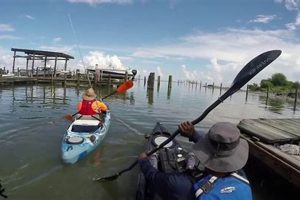
Paddling through the shallow waters surrounding Louisiana’s Grand Isle offers a unique angling experience. This method allows access to areas unreachable by larger vessels, bringing anglers closer to the diverse fish species inhabiting the coastal marshes and bays. Imagine casting lines for redfish in the tranquil morning mist or pursuing speckled trout as the sun sets over the Gulf. This type of fishing provides a blend of recreation, sport, and connection with nature.
The serene environment and abundant marine life make this pursuit a popular activity for both residents and visitors. It contributes to the local economy through tourism and supports conservation efforts by encouraging responsible interactions with the natural ecosystem. Historically, small watercraft have been crucial for navigating these waters, and the modern adaptation continues this tradition, providing a sustainable approach to experiencing the area’s rich bounty. This low-impact approach minimizes disturbance to the fragile ecosystem, contributing to its long-term health and preservation.
This article will further explore topics such as the best locations, necessary equipment, recommended techniques, and relevant regulations for this rewarding activity on Grand Isle. Further sections will cover safety considerations, seasonal variations, and the ecological importance of this area.
Tips for Kayak Fishing on Grand Isle
Successful excursions require preparation and awareness. The following tips enhance safety and maximize angling opportunities in this unique environment.
Tip 1: Check Weather Conditions: Prior to departure, consult marine forecasts for wind speed, direction, and tidal currents. Postponement is advised during inclement weather.
Tip 2: Utilize a Paddle Leash: A leash prevents paddle loss in windy conditions or strong currents, ensuring continued maneuverability.
Tip 3: Wear a Personal Flotation Device (PFD): A PFD is essential safety equipment and should be worn at all times while on the water.
Tip 4: Pack Essential Gear: Necessary items include a first-aid kit, signaling devices (whistle, mirror), sunscreen, a hat, and ample drinking water.
Tip 5: Plan Fishing Locations Strategically: Research productive fishing spots beforehand, considering factors such as tidal movement and species targeted.
Tip 6: Employ Appropriate Fishing Techniques: Light tackle and lures are often effective. Consulting local fishing guides can provide valuable insights.
Tip 7: Respect Wildlife and the Environment: Practice catch-and-release whenever possible. Properly dispose of fishing line and other waste to maintain the pristine environment.
Tip 8: Inform Someone of Your Plans: Share intended fishing locations and estimated return time with a responsible individual before departing.
Adhering to these guidelines promotes a safe and enjoyable fishing experience while contributing to the preservation of this valuable ecosystem.
By incorporating these precautions, anglers can focus on the rewarding aspects of this activity while ensuring a safe and sustainable approach to enjoying Grand Isle’s natural resources. This leads to a more fulfilling and responsible experience overall.
1. Location Scouting
Effective location scouting is paramount for successful kayak fishing around Grand Isle. Pre-fishing reconnaissance significantly influences angling outcomes. Understanding the interplay between location, species, and environmental factors contributes to a productive and enjoyable experience.
- Tidal Influence
Tidal currents dictate fish movement and feeding patterns. Inlets and bayous adjacent to Grand Isle, such as Barataria Bay, experience substantial tidal fluctuations. Scouting these areas during varying tidal stages reveals optimal fishing locations based on water depth and current flow. For instance, targeting speckled trout during an incoming tide near oyster beds can yield favorable results.
- Structure Identification
Identifying underwater structures is crucial. Submerged oyster reefs, grass beds, and drop-offs attract various species. Utilizing online mapping resources or seeking local knowledge helps pinpoint these features. Locating these structures and understanding how fish utilize them enhances the likelihood of successful angling. For example, redfish often congregate near submerged structures offering shelter and ambush points.
- Accessibility Considerations
Launching locations and navigable waterways are key logistical considerations. Public boat launches offer convenient access, while exploring smaller channels and bayous requires careful navigation due to shallow water and potential obstacles. Understanding launch site proximity to target areas and assessing waterway navigability maximizes fishing time and ensures safe passage.
- Species-Specific Habitats
Different species prefer specific habitats. Redfish often inhabit shallow, grassy flats, while speckled trout gravitate toward deeper channels or areas with structure. Tailoring location scouting to target species increases the probability of encountering desired fish. Researching preferred habitats and understanding species distribution patterns enhances scouting effectiveness.
By considering these facets, anglers can strategically select locations that maximize their chances of success. Integrating knowledge of tidal influence, structure identification, accessibility, and species-specific habitats leads to more informed decisions and ultimately contributes to a more rewarding experience on the waters surrounding Grand Isle.
2. Equipment Selection

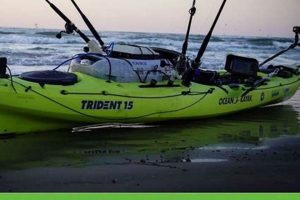
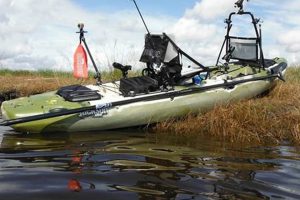
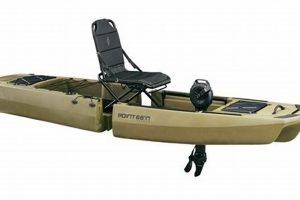
Appropriate equipment selection significantly impacts the success and safety of kayak fishing excursions near Grand Isle. The unique environment, characterized by shallow waters, diverse fish species, and varying weather conditions, necessitates careful consideration of gear choices. A well-equipped angler is better prepared to navigate these waters, target specific species, and respond effectively to changing circumstances. For instance, selecting a stable kayak designed for fishing enhances maneuverability in shallow areas and provides a platform for casting and reeling. Choosing appropriate rods, reels, and lines tailored to target species, like speckled trout or redfish, further maximizes angling effectiveness.
Several key equipment choices warrant particular attention. Paddle selection directly influences propulsion efficiency and fatigue levels. A lightweight, appropriately sized paddle enhances paddling comfort and control. Properly fitted personal flotation devices (PFDs) are non-negotiable safety essentials. Choosing a PFD designed for fishing provides comfort and accessibility while ensuring safety. Rod and reel combinations tailored to target species and fishing techniques optimize performance. For example, a lighter rod and reel setup is suitable for speckled trout, while a heavier setup is better suited for larger species like redfish. Tackle selection, including lures, hooks, and lines, also requires careful consideration based on target species and prevailing conditions.
Effective equipment selection enhances safety, improves fishing success, and contributes to overall enjoyment. Understanding the relationship between equipment choices and the specific demands of Grand Isles fishing environment is crucial for a positive experience. Challenges such as navigating shallow waters, dealing with varying weather conditions, and targeting specific fish species are effectively addressed through informed equipment decisions. By investing time and consideration in selecting appropriate gear, anglers enhance their preparedness and optimize their chances of a successful and enjoyable fishing trip. This preparedness, in turn, contributes to a more sustainable and responsible approach to enjoying the natural resources of Grand Isle.
3. Tidal Awareness

Tidal awareness is paramount for successful kayak fishing around Grand Isle. The intricate network of bays, bayous, and marshes surrounding the island experiences significant tidal fluctuations, directly impacting fish behavior, navigation, and overall safety. Comprehending tidal influences is crucial for optimizing fishing strategies, accessing productive areas, and ensuring a safe and rewarding experience. Ignoring tidal conditions can lead to becoming stranded in shallow water, missing peak fishing opportunities, or encountering hazardous currents.
- Current Effects on Fish Behavior
Tidal currents dictate fish movement and feeding patterns. Incoming tides bring baitfish and nutrients into shallow areas, attracting predatory species like redfish and speckled trout. Outgoing tides concentrate fish in channels and deeper pools as they follow receding waters. Understanding these patterns allows anglers to position themselves strategically for optimal fishing opportunities. For instance, fishing near oyster beds or along marsh edges during an incoming tide increases the likelihood of encountering redfish seeking prey.
- Navigation and Accessibility
Tidal fluctuations dramatically affect water depths, particularly in shallow areas and bayous. Navigating these areas requires careful consideration of tide charts and local knowledge. High tides open access to shallow flats and marshes, while low tides may restrict access or expose submerged hazards. Planning routes based on tidal predictions ensures safe passage and prevents becoming stranded. For example, exploring the interior marshes during a high tide grants access to otherwise inaccessible fishing grounds.
- Safety Considerations
Strong tidal currents, especially during peak flows, can pose safety risks for kayakers. Paddling against strong currents can be physically demanding and may create hazardous situations. Understanding current strength and direction allows for efficient route planning and avoids unnecessary exertion or dangerous conditions. Checking tide charts before embarking on a fishing trip helps assess potential risks and ensures a safe return.
- Impact on Fishing Techniques
Tidal conditions influence the effectiveness of various fishing techniques. Lure retrieval speeds and presentation depths require adjustment based on current strength and direction. For example, slower retrieves and deeper presentations may be necessary during stronger outgoing tides, while faster retrieves and shallower presentations may be more effective during incoming tides. Adapting techniques based on tidal conditions enhances lure presentation and increases the likelihood of attracting fish.
By integrating tidal awareness into fishing strategies, anglers maximize their chances of success and enhance their overall experience. Understanding the interplay between tidal currents, fish behavior, navigation, and safety is fundamental to successful kayak fishing in the dynamic environment surrounding Grand Isle. This knowledge empowers anglers to make informed decisions, anticipate changing conditions, and ultimately connect with the natural rhythms of this unique coastal ecosystem.
4. Safety Procedures
Safety procedures are integral to successful kayak fishing excursions near Grand Isle. The dynamic coastal environment, characterized by shifting weather patterns, strong currents, and diverse marine life, presents inherent risks that necessitate careful planning and adherence to established safety protocols. Neglecting these procedures can lead to serious consequences, ranging from minor injuries to life-threatening situations. A comprehensive understanding of safety guidelines empowers anglers to mitigate risks and ensures a safe and enjoyable experience.
Several key safety procedures warrant specific attention in the context of Grand Isle kayak fishing. Wearing a properly fitted personal flotation device (PFD) is paramount. PFDs provide essential buoyancy in the event of capsizing or unexpected immersion, significantly increasing survival chances. Checking weather forecasts prior to departure is crucial. Sudden storms or strong winds can create hazardous conditions on the water, necessitating postponement or early return. Carrying essential safety gear, including a whistle, signaling mirror, first-aid kit, and communication device, enhances preparedness for emergencies. Informing someone onshore of planned fishing locations and estimated return times allows for timely assistance if needed. For example, a kayaker experiencing equipment failure or encountering unexpected weather can utilize a communication device to alert designated contacts and initiate rescue procedures.
Implementing these safety procedures minimizes risks and fosters a culture of responsible angling. Understanding the potential hazards associated with Grand Isle’s dynamic environment allows anglers to make informed decisions and prioritize safety. Adherence to established protocols ensures a more secure and enjoyable experience, promoting the long-term sustainability of this recreational activity. By prioritizing safety, anglers contribute to a positive and responsible interaction with the natural environment, preserving its value for future generations. This proactive approach not only protects individual anglers but also fosters a collective responsibility towards maintaining a safe and sustainable fishing environment.
5. Species Targeting
Species targeting enhances the effectiveness and enjoyment of kayak fishing excursions near Grand Isle. The diverse fish populations inhabiting these waters present anglers with a range of angling opportunities. Understanding the habits, preferred habitats, and seasonal patterns of target species allows for strategic planning and increases the likelihood of successful catches. This focused approach contributes to a more rewarding and sustainable fishing experience, minimizing bycatch and promoting conservation efforts. For instance, targeting redfish during their fall migration into the shallow marshes requires different techniques and equipment than pursuing speckled trout in deeper channels during the summer months.
- Species-Specific Habitats and Behavior
Different species exhibit distinct habitat preferences and behavioral patterns. Redfish, known for their ambush predation, often inhabit shallow grassy flats and oyster beds. Speckled trout, on the other hand, prefer deeper channels and areas with structure. Understanding these preferences allows anglers to select appropriate fishing locations and tailor techniques accordingly. Knowledge of feeding habits further refines targeting strategies. For example, understanding that redfish often tail in shallow water while foraging for crabs allows anglers to sight-fish effectively.
- Seasonal Variations and Migration Patterns
Fish distribution and behavior fluctuate throughout the year. Seasonal migrations, spawning periods, and temperature changes influence where and when certain species can be found. Targeting specific species requires awareness of these seasonal variations. For example, speckled trout move into deeper waters during colder months, while redfish concentrate in shallow marshes during their fall spawning season. Adapting fishing strategies based on these patterns maximizes angling success.
- Technique and Equipment Selection
Effective species targeting involves selecting appropriate fishing techniques and equipment. Lure choices, line weights, and rod actions should align with the target species and prevailing conditions. For instance, topwater lures are effective for speckled trout in shallow water during warmer months, while heavier jigs are better suited for redfish near oyster reefs. Matching tackle to target species optimizes presentation and increases hookup rates.
- Regulations and Conservation Practices
Adhering to local fishing regulations and practicing ethical conservation measures are essential components of responsible species targeting. Size and catch limits help maintain healthy fish populations. Practicing catch-and-release whenever possible, particularly for larger breeding fish, contributes to long-term sustainability. Staying informed about current regulations and adopting conservation-minded practices ensures the preservation of Grand Isle’s valuable fishery resources.
By integrating these facets of species targeting into their approach, kayak anglers enhance their fishing experience and contribute to the long-term health of Grand Isle’s diverse ecosystem. Understanding species-specific behaviors, seasonal variations, and appropriate techniques leads to more successful catches while promoting responsible angling practices. This informed approach fosters a deeper appreciation for the intricate relationships within this valuable coastal environment.
Frequently Asked Questions
This section addresses common inquiries regarding kayak fishing near Grand Isle, Louisiana. The information provided aims to clarify potential uncertainties and enhance visitor preparedness.
Question 1: What are the primary target species for kayak anglers near Grand Isle?
Redfish, speckled trout, flounder, and black drum are frequently targeted. Seasonal variations influence species availability and distribution.
Question 2: Are fishing licenses required, and where can they be obtained?
Valid Louisiana fishing licenses are mandatory. Licenses can be purchased online through the Louisiana Department of Wildlife and Fisheries or at authorized vendors.
Question 3: What are recommended kayak launch sites near Grand Isle?
Public boat launches provide convenient access. Bridge Side Marina and the Grand Isle State Park launch are popular options. Local regulations regarding launch sites should be consulted.
Question 4: What safety precautions are essential for kayak fishing in this area?
Wearing a personal flotation device (PFD), checking weather forecasts, informing someone of fishing plans, and carrying essential safety gear are crucial safety measures.
Question 5: What tidal considerations are relevant for kayak fishing near Grand Isle?
Tidal currents significantly influence fish behavior and navigation. Consulting tide charts is essential for planning fishing locations and ensuring safe passage through shallow areas.
Question 6: Are guided fishing trips available for those unfamiliar with the area?
Several local charter services offer guided kayak fishing trips. These guided excursions provide valuable insights into local fishing techniques and productive locations.
Careful planning and adherence to safety guidelines contribute to a positive and rewarding experience. Consulting local resources provides further information tailored to specific needs and circumstances.
The subsequent section will detail recommended fishing gear and techniques suitable for the Grand Isle environment.
Grand Isle Kayak Fishing
This exploration of Grand Isle kayak fishing has highlighted the multifaceted nature of this activity. From equipment selection and location scouting to tidal awareness and safety procedures, each aspect contributes significantly to a successful and rewarding experience. The unique ecological characteristics of Grand Isle’s coastal waters, combined with the diverse fish species inhabiting the area, offer anglers a remarkable opportunity to connect with nature while pursuing a challenging and fulfilling sport. An understanding of targeted species’ behaviors and preferred habitats further enhances angling effectiveness and promotes responsible fishing practices. Furthermore, adherence to safety regulations ensures the preservation of this valuable resource for future generations.
Grand Isle kayak fishing represents more than simply a recreational pursuit; it embodies a connection with a dynamic coastal ecosystem. The insights presented within this article serve as a foundation for informed decision-making, promoting both angling success and environmental stewardship. Continued exploration and responsible engagement with this unique environment will ensure the enduring legacy of Grand Isle kayak fishing for years to come.