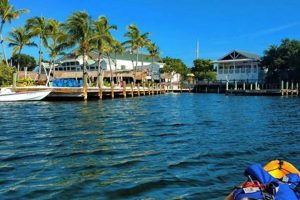
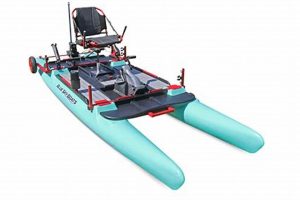
A group of anglers centered around fishing from kayaks, often characterized by a lack of fixed location or meeting place. Such groups leverage technology and online platforms to coordinate outings at various bodies of water, facilitating flexibility and exploration. For example, members might arrange to fish a coastal estuary one weekend and a mountain lake the next.
This organizational structure offers numerous advantages. It reduces the need for dedicated physical infrastructure and expands access for individuals without readily available launch points. Furthermore, this format promotes camaraderie and shared learning across geographical boundaries. Historically, fishing clubs often revolved around specific locales. The advent of mobile communications and portable watercraft has allowed for the emergence of these more dynamic and geographically dispersed communities.
This article will delve into the practical aspects of establishing and participating in such a group, covering topics like communication strategies, logistical planning, safety considerations, and the role of technology.
Tips for Kayak Fishing Groups
The following tips offer guidance for enhancing the experience of anglers in decentralized, kayak-based fishing communities.
Tip 1: Establish Clear Communication Protocols. Utilize a dedicated communication platform, such as a messaging app or online forum, to facilitate trip planning, share safety information, and coordinate logistics. This ensures all members receive timely updates and can readily contribute to discussions.
Tip 2: Prioritize Safety. Encourage members to carry essential safety equipment, including personal flotation devices, whistles, and first-aid kits. Promote the practice of sharing float plans and checking weather conditions before each outing.
Tip 3: Leverage Technology for Navigation and Fish Finding. Mobile apps providing nautical charts, weather forecasts, and sonar data can significantly enhance the fishing experience. Sharing this information within the group can benefit all members.
Tip 4: Embrace Sustainable Fishing Practices. Promote catch-and-release fishing whenever possible and encourage adherence to local regulations. Respect wildlife and leave fishing areas cleaner than they were found.
Tip 5: Foster a Culture of Shared Learning. Encourage members to exchange tips, techniques, and favorite fishing spots. Organizing workshops or guest speaker sessions can further enrich the group’s collective knowledge.
Tip 6: Rotate Organizational Responsibilities. Distributing tasks like trip planning, communication, and event organization ensures shared ownership and prevents burnout among core members.
Tip 7: Document and Share Experiences. Creating a repository for photos, videos, and fishing reports allows members to relive past outings and provides valuable insights for future trips.
By implementing these strategies, kayak fishing groups can cultivate a thriving community that prioritizes safety, camaraderie, and responsible angling practices.
These practical insights aim to empower anglers to establish and maintain successful, mobile kayak fishing communities. The following section will conclude with key considerations for ensuring long-term group cohesion and success.
1. Community

Community forms the bedrock of a successful mobile kayak fishing club. Unlike traditional clubs tied to specific locations, these groups rely on shared interests and digital connectivity to foster a sense of belonging. This sense of community arises from shared experiences, mutual support, and collaborative learning. Members connect through online platforms to arrange fishing trips, exchange advice, and celebrate successes. This digital connection translates into real-world camaraderie during outings, fostering deeper bonds. For example, experienced members might offer guidance to newcomers on kayak handling or effective fishing techniques. Sharing local knowledge about fishing spots, tides, and weather conditions further strengthens the collective expertise of the group.
The strength of the community directly impacts the club’s longevity and vibrancy. Strong communities offer a supportive environment where members feel comfortable sharing information, asking questions, and contributing to the group’s overall success. This shared responsibility distributes the workload, preventing burnout among organizers and fostering a sense of ownership among all participants. Conversely, a weak or fragmented community can lead to decreased participation, logistical challenges, and ultimately, the club’s decline. Practical applications of a strong community include organized group purchases of safety equipment, coordinated conservation efforts, and the establishment of mentoring programs for new members.
Cultivating a thriving community requires ongoing effort. Clear communication channels, regular online interaction, and organized social events (both on and off the water) contribute significantly to strengthening bonds. Addressing conflicts promptly and fostering a culture of respect and inclusivity are crucial for long-term community health. Ultimately, the success of a mobile kayak fishing club hinges on the strength of its community, transforming a shared interest in fishing into a network of support and camaraderie.
2. Accessibility
Accessibility represents a defining characteristic of mobile kayak fishing clubs. Unlike traditional fishing clubs often centered around specific, sometimes privately owned, locations, the mobile nature significantly broadens participation opportunities. Individuals without access to waterfront property, boat ramps, or personal watercraft can readily join. The club’s distributed structure, operating through online platforms and coordinating trips to various public access points, removes significant barriers to entry. This inclusivity expands the potential membership pool, welcoming anglers from diverse backgrounds and socioeconomic circumstances. For example, individuals living in urban areas with limited access to waterways can participate in organized trips to more remote locations. This increased accessibility fosters a more diverse and representative angling community.
Moreover, accessibility extends beyond geographical limitations. The flexible scheduling inherent in mobile clubs accommodates varying work schedules and personal commitments, enabling participation by individuals who might otherwise struggle to attend regular meetings or events at fixed times. This adaptability accommodates those with family obligations, demanding careers, or physical limitations. For instance, a mobile club might organize weekend trips, weekday evening outings, or even specialized events catering to specific skill levels or interests. This flexible approach ensures broader inclusivity, maximizing participation and fostering a sense of community.
Ultimately, accessibility serves as a cornerstone of the mobile kayak fishing club model. By leveraging technology and embracing a decentralized structure, these organizations democratize access to the sport, fostering a more inclusive and dynamic angling community. This broader participation strengthens the collective knowledge base, promotes diverse perspectives, and ensures the long-term viability of these unique and increasingly popular fishing communities.
3. Flexibility

Flexibility stands as a defining advantage of the mobile kayak fishing club model. This adaptability manifests in several key aspects, enhancing the overall experience for members. Unlike traditional clubs bound by fixed schedules and locations, mobile clubs leverage technology and decentralized organization to offer a wider range of fishing opportunities. Trip planning occurs dynamically, responding to weather conditions, member availability, and target species migrations. For example, if unfavorable weather arises at a planned location, the group can quickly adjust and select an alternate site with better conditions. This adaptability minimizes disruptions and maximizes fishing time. Similarly, if a particular species becomes active in a specific area, the club can organize a targeted outing on short notice, capitalizing on peak fishing opportunities.
This flexibility extends beyond trip planning to encompass individual participation. Members are not obligated to attend every outing or adhere to a rigid schedule. This accommodates varying lifestyles, work commitments, and personal obligations. Individuals can choose trips that align with their available time and desired fishing experiences. This adaptable structure reduces the pressure of fixed commitments, making participation more accessible and enjoyable. For instance, a working professional might join a weekend trip to a coastal estuary while a retiree might opt for a mid-week outing on a local lake. This flexibility caters to diverse schedules and preferences, maximizing participation and fostering a more inclusive environment.
Ultimately, flexibility empowers mobile kayak fishing clubs to optimize fishing opportunities and cater to individual member needs. This adaptable approach enhances participation rates, strengthens the sense of community, and ensures the long-term viability of the club. By embracing a dynamic and responsive structure, these clubs provide a more accessible and enjoyable fishing experience compared to traditional, location-bound organizations. This inherent flexibility positions mobile kayak fishing clubs for continued growth and success in the evolving landscape of recreational angling.
4. Technology Integration

Technology integration plays a crucial role in the function and success of mobile kayak fishing clubs. These clubs, characterized by their decentralized structure and lack of a fixed physical location, rely heavily on digital tools for communication, coordination, and enhancing the overall fishing experience. Real-time communication platforms, such as messaging apps and online forums, facilitate trip planning, information sharing, and rapid dissemination of safety updates. Members can quickly coordinate launch points, share real-time observations about fishing conditions, and respond to changing weather patterns. For example, a group planning a trip to a coastal area can utilize a weather app to monitor approaching storms and make informed decisions about launch times or alternate locations.
Beyond communication, technology contributes significantly to navigation and fish finding. GPS-enabled mobile devices, coupled with nautical chart applications, provide precise location data and aid in exploring unfamiliar waters. Sonar technology, integrated with mobile apps, allows anglers to identify underwater structures, locate fish concentrations, and assess water depth and temperature. Sharing this information within the group enhances collective knowledge and improves overall fishing success. Furthermore, online platforms offer a centralized space for storing and sharing valuable data, such as fishing reports, preferred bait and tackle recommendations, and local regulations. This collective knowledge base benefits all members, particularly newcomers, and fosters a culture of shared learning and continuous improvement.
The integration of technology presents distinct advantages for mobile kayak fishing clubs. It facilitates communication, enhances navigation and fish finding capabilities, and fosters a collaborative learning environment. However, reliance on technology also presents challenges. Maintaining digital literacy among members, ensuring reliable access to technology and internet connectivity, and addressing potential privacy concerns require ongoing attention. Successfully navigating these challenges allows clubs to fully leverage the benefits of technology, fostering a safer, more efficient, and ultimately more rewarding fishing experience for all members.
5. Safety Practices

Safety practices constitute a critical aspect of mobile kayak fishing clubs, given the inherent risks associated with on-water activities, often in diverse and sometimes remote locations. The decentralized nature of these clubs necessitates a heightened focus on individual responsibility and proactive safety measures. Effective communication, proper equipment, and comprehensive planning significantly mitigate potential hazards and ensure enjoyable outings for all participants.
- Pre-Trip Planning
Thorough pre-trip planning forms the foundation of safe kayak fishing excursions. This includes checking weather forecasts, familiarizing oneself with the chosen waterway (including potential hazards like currents, tides, and boat traffic), and sharing float plans with a designated contact on shore. Float plans should detail the intended route, launch and return times, and emergency contact information. For example, consulting local tide charts before fishing in a coastal estuary allows anglers to anticipate changing water levels and currents, mitigating the risk of stranding or capsizing.
- Essential Safety Equipment
Carrying essential safety equipment is paramount for all kayak anglers. This includes a properly fitted personal flotation device (PFD), a whistle for signaling in emergencies, a first-aid kit, and a communication device such as a VHF radio or waterproofed cell phone. Additional safety gear might include a bilge pump, paddle leash, and navigation lights for low-light conditions. Regularly inspecting and maintaining this equipment ensures its functionality when needed. For instance, a VHF radio enables direct communication with the Coast Guard and other boaters in case of distress, significantly improving response times in emergencies.
- On-Water Safety Procedures
Adhering to established on-water safety procedures is crucial for mitigating risks during kayak fishing trips. This includes maintaining awareness of surrounding boat traffic, avoiding navigation in hazardous conditions, and practicing self-rescue techniques. Paddling in groups enhances safety through mutual support and assistance. Regularly checking weather conditions throughout the outing allows for proactive adjustments to plans if necessary. For example, if strong winds or lightning develop, seeking sheltered waters or returning to shore promptly minimizes exposure to danger.
- Emergency Preparedness
Developing an emergency preparedness plan is essential for responding effectively to unforeseen situations. This includes knowing how to contact emergency services, practicing self-rescue and assisted rescue techniques, and understanding basic first aid. Sharing this knowledge within the club through workshops or group training sessions enhances collective preparedness and fosters a culture of safety consciousness. For instance, knowing how to perform a T-rescue, where one kayaker assists another in re-entering their capsized kayak, can be crucial in preventing a potentially dangerous situation from escalating.
These facets of safety practices contribute significantly to mitigating risks inherent in kayak fishing, particularly within the context of mobile clubs operating in diverse environments. Prioritizing safety through planning, equipment, procedures, and preparedness enhances not only individual well-being but also the overall enjoyment and sustainability of the club. By fostering a culture of safety consciousness, mobile kayak fishing clubs create a positive and secure environment for members to pursue their shared passion.
6. Environmental Stewardship
Environmental stewardship represents a crucial responsibility for mobile kayak fishing clubs. Operating within natural ecosystems, these clubs possess a unique opportunity to contribute to conservation efforts and promote responsible angling practices. The direct interaction with waterways and wildlife necessitates a deep understanding of the potential impacts of fishing activities and a commitment to minimizing those impacts. This stewardship manifests in several key practices, including adherence to catch-and-release principles, proper disposal of fishing line and tackle, and active participation in habitat restoration projects. For example, a club might organize a shoreline cleanup event to remove debris and pollutants from a frequently fished area, directly contributing to the health of the ecosystem. Promoting awareness of invasive species and encouraging responsible reporting of sightings further contributes to environmental protection.
The mobile nature of these clubs amplifies the importance of environmental stewardship. Fishing in diverse locations exposes members to a wider range of ecosystems, each with its own unique vulnerabilities. Understanding and respecting local regulations, such as fishing seasons and size limits, becomes paramount. Furthermore, promoting Leave No Trace principles during outings minimizes disturbance to natural habitats. For instance, properly disposing of fish carcasses away from fishing areas helps prevent the spread of disease and minimizes negative impacts on scavengers. Educating members about the ecological significance of different fish species and the importance of maintaining healthy fish populations fosters a deeper appreciation for the environment and encourages responsible fishing practices.
Integrating environmental stewardship into the core values of a mobile kayak fishing club fosters a culture of conservation and strengthens the club’s positive impact on the environment. This commitment not only preserves the natural resources essential for the sport but also enhances the overall fishing experience. By actively participating in conservation efforts, mobile kayak fishing clubs contribute to the long-term health of aquatic ecosystems and ensure the sustainability of the sport for future generations. Challenges such as promoting awareness among a geographically dispersed membership and coordinating conservation efforts across different locations require ongoing attention. Successfully addressing these challenges strengthens the club’s role as responsible stewards of the environment and exemplifies the positive impact of recreational angling communities.
Shared knowledge forms a cornerstone of mobile kayak fishing clubs, fostering a collaborative learning environment that benefits all members. Unlike traditional clubs often limited by geographical proximity, these mobile communities leverage technology to connect anglers across wider regions, creating a dynamic network for exchanging information and expertise. This shared knowledge base enhances fishing success, promotes safe practices, and strengthens the overall community.
- Technique Exchange
Sharing fishing techniques constitutes a primary benefit of mobile kayak fishing clubs. Members can exchange tips on lure selection, rigging methods, and effective retrieval techniques tailored to specific species and local conditions. For example, an angler experienced in catching striped bass in tidal currents can share their expertise with others unfamiliar with this type of fishing. This exchange of practical knowledge accelerates the learning curve for all members, increasing overall fishing success and fostering a sense of shared accomplishment.
- Location Insights
Knowledge of productive fishing locations constitutes valuable information often shared within mobile clubs. Members can exchange GPS coordinates, describe underwater structures, and identify areas known for holding specific target species. This shared knowledge expands fishing opportunities beyond individual exploration and allows members to quickly discover new and productive fishing spots. For instance, a local angler familiar with a hidden cove teeming with panfish can share this information with the group, benefiting everyone. This collaborative approach to location scouting maximizes fishing time and enhances the overall experience.
- Safety Information Dissemination
Sharing safety information is paramount within mobile kayak fishing clubs. Members can disseminate critical information regarding local hazards, weather patterns, and best practices for on-water safety. This proactive approach to safety enhances individual preparedness and promotes a culture of risk awareness. For example, a member who recently encountered strong currents in a particular area can share this information with the group, preventing others from encountering similar dangers. This shared vigilance significantly improves overall safety and mitigates potential risks associated with kayak fishing.
- Conservation Practices and Advocacy
Sharing knowledge about conservation practices strengthens the environmental stewardship efforts of mobile kayak fishing clubs. Members can exchange information about local regulations, best practices for catch-and-release fishing, and opportunities to participate in conservation initiatives. This shared commitment to environmental protection ensures the sustainability of the sport and strengthens the club’s positive impact on local ecosystems. For instance, members can share information about local habitat restoration projects or organize group cleanups of fishing areas, demonstrating a collective responsibility for environmental stewardship.
These facets of shared knowledge contribute significantly to the success and longevity of mobile kayak fishing clubs. The free exchange of information fosters a collaborative learning environment, enhances fishing success, promotes safe practices, and strengthens the club’s commitment to conservation. This shared knowledge base becomes a valuable asset for all members, transforming individual experiences into a collective resource that benefits the entire community and ensures the continued enjoyment of the sport.
Frequently Asked Questions
This section addresses common inquiries regarding decentralized, kayak-based fishing organizations.
Question 1: How does one locate or join such a group?
Online search engines, social media platforms, and dedicated fishing forums often serve as effective resources for locating these communities. Local tackle shops and outfitters may also possess relevant information.
Question 2: What equipment is typically required?
A fishing kayak, paddle, personal flotation device (PFD), and basic fishing gear constitute the essential equipment. Specific tackle and accessories vary depending on target species and local conditions. Group members can often offer guidance on appropriate gear selection.
Question 3: Are there membership fees associated with these groups?
Membership structures vary. Some groups operate informally without fees, while others may require nominal dues to cover administrative costs or shared resources. Details regarding any financial obligations are typically available through the group’s online platform or communication channels.
Question 4: What are the typical skill levels of participants?
These groups often encompass a range of skill levels, from novice to experienced anglers. The collaborative nature of these organizations fosters a supportive learning environment where individuals can exchange knowledge and enhance their skills.
Question 5: How is safety ensured in the absence of a formal organizational structure?
Safety remains paramount. Groups typically emphasize individual responsibility and adherence to established safety protocols. Pre-trip planning, communication of float plans, and appropriate safety equipment are strongly encouraged.
Question 6: How are fishing locations determined?
Fishing locations are often determined collaboratively through group discussions, leveraging local knowledge and online resources. Flexibility remains a key advantage, allowing for adjustments based on weather conditions, target species, and member preferences.
Understanding these common aspects of mobile kayak fishing clubs provides valuable insights for prospective members. These flexible and accessible organizations offer a unique opportunity to connect with fellow anglers, explore diverse waterways, and deepen one’s appreciation for the sport.
For further information on specific aspects of joining or establishing a mobile kayak fishing club, please consult the detailed sections provided below.
Conclusion
Mobile kayak fishing clubs represent a significant evolution in recreational angling. Their decentralized structure, facilitated by technology, offers unparalleled accessibility and flexibility. These organizations foster vibrant communities of anglers connected by shared passion and a commitment to responsible fishing practices. Key elements such as safety, environmental stewardship, and shared knowledge contribute significantly to the success and sustainability of these clubs. The ability to adapt to changing conditions, explore diverse waterways, and leverage collective expertise positions mobile kayak fishing clubs for continued growth within the angling community.
The future of recreational fishing increasingly embraces technology and community-driven initiatives. Mobile kayak fishing clubs exemplify this trend, offering a dynamic and inclusive model for anglers of all skill levels. Their focus on accessibility, adaptability, and shared knowledge not only enhances the individual fishing experience but also contributes to the long-term health of aquatic ecosystems. By embracing these principles, mobile kayak fishing clubs ensure the continued enjoyment and sustainability of the sport for generations to come.