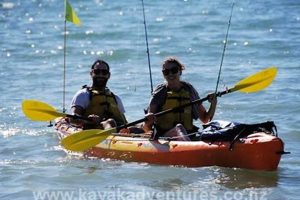
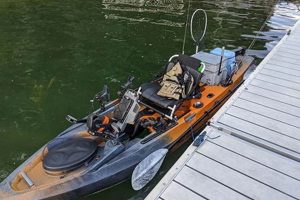
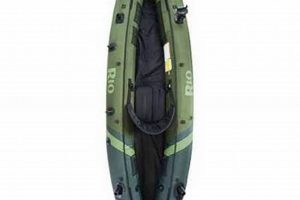
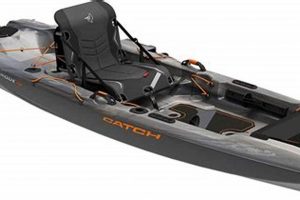
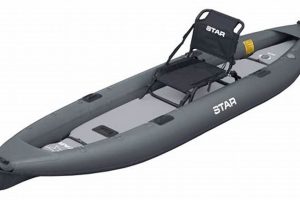
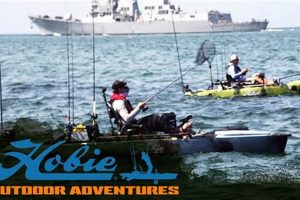
This activity involves using a specific inflatable vessel designed for recreational angling. The vessel is characterized by its portability, affordability, and stability, making it a popular choice for beginners and experienced anglers alike. It offers a unique platform for accessing calm waters like lakes and slow-moving rivers, providing anglers with opportunities to target various fish species.
Affordable and accessible, this type of angling opens up opportunities for individuals to experience the outdoors and connect with nature. It promotes physical activity and provides a relaxing escape from daily routines. The increasing popularity reflects a growing interest in outdoor recreational activities and the desire for accessible, versatile equipment.
The following sections will explore specific aspects of this recreational activity in more detail, including equipment selection, fishing techniques, safety considerations, and popular locations.
Tips for a Successful Outing
Careful planning and preparation contribute significantly to a safe and productive fishing experience from an inflatable kayak. The following tips provide valuable insights for maximizing enjoyment and success on the water.
Tip 1: Check Local Regulations. Research and understand all applicable fishing licenses, permits, and regulations for the intended fishing area. Awareness of size and catch limits ensures responsible and legal angling practices.
Tip 2: Prioritize Safety. Always wear a personal flotation device (PFD). Carry a whistle, signaling device, and a fully charged mobile phone in a waterproof case for emergencies. Inform someone of the fishing plan and expected return time.
Tip 3: Plan for Proper Inflation. Ensure the vessel is inflated to the manufacturer’s recommended pressure for optimal performance and stability. Check for leaks before launching. Carry a repair kit and pump for on-the-water adjustments.
Tip 4: Pack Essential Gear. Bring appropriate fishing rods, reels, tackle, and bait suitable for the target species. Include sunscreen, a hat, sunglasses, and insect repellent for personal comfort. A small anchor can be helpful for maintaining position in desired fishing spots.
Tip 5: Practice Paddling and Maneuvering. Familiarize oneself with the vessel’s handling characteristics before venturing into open water. Practice paddling strokes, turning techniques, and maintaining balance. This improves control and efficiency on the water.
Tip 6: Respect the Environment. Practice Leave No Trace principles. Pack out all trash and fishing line. Avoid disturbing wildlife and sensitive habitats. Responsible stewardship ensures the preservation of natural resources for future generations.
Tip 7: Be Mindful of Weather Conditions. Check the weather forecast before heading out. Avoid fishing in strong winds, storms, or lightning. Be prepared to return to shore quickly if conditions deteriorate.
By adhering to these guidelines, anglers can significantly enhance their safety, enjoyment, and overall success. Responsible and informed practices contribute to a positive experience and promote the conservation of aquatic ecosystems.
These tips offer a starting point for planning a fishing trip. The following section will discuss specific techniques and strategies for targeting different fish species from an inflatable kayak.
1. Kayak Stability

Stability plays a crucial role in successful inflatable kayak fishing. A stable platform allows anglers to cast, reel, and land fish effectively without compromising safety. Understanding the factors influencing stability contributes significantly to a positive and productive on-the-water experience. The following facets delve into the key components impacting kayak stability, specifically regarding the Intex Excursion Pro model.
- Center of Gravity
A lower center of gravity enhances stability. Distributing weight evenly within the kayak and avoiding sudden movements minimizes the risk of tipping. The Intex Excursion Pro’s inflatable design and wide base contribute to a relatively low center of gravity, promoting inherent stability. Proper seating posture and mindful weight distribution further optimize balance.
- Kayak Width and Hull Design
Wider kayaks generally offer greater initial stability, resisting tipping from side to side. The Intex Excursion Pro’s beam (width) provides a stable platform, particularly in calm water conditions. The inflatable hull design, while contributing to portability, also influences stability. Understanding the hull’s characteristics allows anglers to anticipate its behavior in different water conditions.
- Water Conditions
Calm water conditions contribute to kayak stability. Wind, waves, and currents can significantly impact balance. The Intex Excursion Pro is best suited for calm lakes, ponds, and slow-moving rivers. Anglers should avoid venturing into rough waters or challenging conditions that could compromise stability and safety. Careful assessment of water conditions before launching is essential.
- Angler Movement and Balance
Smooth, deliberate movements contribute to kayak stability. Sudden shifts in weight or abrupt actions can destabilize the vessel. Practicing casting and reeling techniques while maintaining balance is crucial. The Intex Excursion Pro’s design allows for some movement, but anglers should remain mindful of their center of gravity and avoid leaning excessively.
By understanding these interconnected factors, anglers can optimize their stability while fishing from an Intex Excursion Pro kayak. Prioritizing balance and practicing safe paddling techniques enhances both fishing success and overall safety on the water. This knowledge empowers anglers to make informed decisions regarding appropriate water conditions and fishing practices.
2. Equipment Choices

Appropriate equipment selection significantly influences success and enjoyment while fishing from an Intex Excursion Pro kayak. The inflatable nature and portability of this vessel necessitate careful consideration of gear choices to maximize efficiency and maintain balance on the water. The following facets explore key equipment categories relevant to this specific fishing style.
- Rods and Reels
Shorter rods, typically between 5.5 and 7 feet, offer better maneuverability within the confined space of a kayak. Spinning or spincast reels paired with light to medium-light power rods prove versatile for various fish species commonly targeted from these vessels. Longer rods can become cumbersome and difficult to manage in a kayak environment. Selecting appropriate rod and reel combinations enhances casting accuracy and retrieval efficiency.
- Tackle and Bait
Tackle selection depends on the target species and fishing location. Artificial lures, such as jigs, soft plastics, and spinners, prove effective for many freshwater species. Live bait, including worms, minnows, and crickets, can also be productive. A tackle box or bag designed for kayak fishing provides organized storage and easy access to essential gear. Maintaining a well-organized tackle system enhances efficiency and minimizes clutter within the limited space.
- PFD and Safety Gear
A properly fitted personal flotation device (PFD) is essential safety equipment for any kayak angler. Additional safety gear, including a whistle, signaling device, and a waterproof case for a mobile phone, enhances preparedness for emergencies. A first-aid kit and basic repair kit for the kayak are also recommended. Prioritizing safety equipment ensures a secure and responsible angling experience.
- Kayak Accessories
Accessories specific to kayak fishing enhance comfort and functionality. A comfortable seat and backrest improve endurance during longer fishing trips. A fish finder or GPS unit can assist in locating fish and navigating waterways. A small anchor and drift chute help control the kayak’s position in current or wind. Rod holders and paddle clips provide convenient storage and access to essential gear.
Careful consideration of these equipment categories contributes significantly to a positive and productive Intex Excursion Pro kayak fishing experience. Selecting appropriate gear tailored to the specific fishing environment and target species enhances efficiency, comfort, and safety on the water. Thoughtful equipment choices empower anglers to maximize their enjoyment and success while minimizing potential challenges associated with the unique constraints of kayak fishing.
3. Location Scouting

Location scouting represents a critical pre-fishing phase for maximizing success when using an Intex Excursion Pro kayak. This inflatable vessel, designed for calm waters, necessitates careful consideration of environmental factors and target species preferences when selecting fishing locations. Effective scouting directly influences catch rates and overall angler satisfaction. Choosing suitable locations within the Intex Excursion Pro’s operational parameters contributes significantly to a productive and enjoyable experience. For instance, sheltered coves within larger lakes provide protection from wind and waves, creating ideal conditions for kayak stability and controlled angling. Similarly, slow-moving sections of rivers, away from strong currents, offer favorable environments for maneuvering the inflatable kayak and presenting bait effectively.
Exploring potential locations prior to launching provides insights into water depth, vegetation, and other structural elements that attract fish. Observing shoreline features, such as overhanging trees or submerged logs, helps identify potential ambush points for predatory species. Accessing online resources, local fishing reports, and consulting with experienced anglers familiar with the area provides valuable intelligence for pinpointing productive fishing zones. Understanding the target species habitat preferences plays a crucial role in location selection. For example, bass often congregate around submerged structures, while panfish may prefer areas with dense aquatic vegetation. Tailoring location choices to the target species increases the likelihood of successful angling.
Successful location scouting, therefore, relies on a combination of environmental assessment, species-specific knowledge, and pre-fishing reconnaissance. Considering the Intex Excursion Pro’s suitability for calm waters and its portability advantages allows anglers to focus scouting efforts on accessible and productive locations. This proactive approach minimizes wasted time on the water and maximizes opportunities for a successful and rewarding fishing experience. By prioritizing location scouting, anglers enhance their chances of encountering target species, contribute to a safer outing, and ultimately optimize the effectiveness of their Intex Excursion Pro kayak fishing endeavors.
4. Fishing Techniques

Fishing techniques employed from an Intex Excursion Pro kayak require adaptation to the vessel’s specific characteristics and the inherent limitations of a smaller, mobile platform. The inflatable nature of the kayak necessitates a focus on balance and controlled movements, influencing casting and retrieval methods. Effective techniques leverage the kayak’s portability and maneuverability to access shallow waters and navigate tight spaces often inaccessible to larger boats. For example, drift fishing becomes a productive approach, allowing anglers to cover a wider area by utilizing natural currents or wind to propel the kayak. Precision casting becomes paramount due to the confined space, requiring anglers to develop accurate casting strokes to target specific areas, such as pockets within weed beds or along submerged structures. Adapting techniques to the kayaks lower profile also proves advantageous, allowing anglers to present lures or bait more discreetly, reducing the likelihood of spooking fish in shallow, clear water.
Furthermore, the selection of appropriate techniques depends significantly on the target species and prevailing conditions. When targeting bass in calm waters, topwater lures retrieved with short, rhythmic twitches can prove highly effective. In contrast, fishing for panfish in deeper areas might necessitate the use of small jigs or live bait presented vertically beneath the kayak. Understanding the target species’ feeding habits and preferred habitats informs technique selection, maximizing the chances of a successful hookup. The lightweight and responsive nature of the Intex Excursion Pro allows for techniques like trolling with smaller lures, presenting a subtle and enticing offering for species such as trout or crappie. Adjusting retrieval speed and lure action becomes crucial, allowing anglers to mimic natural prey movements and trigger strikes.
Ultimately, mastering fishing techniques specific to the Intex Excursion Pro kayak platform requires a nuanced approach, blending traditional angling principles with adaptations tailored to the vessel’s unique characteristics. Recognizing the interplay between kayak stability, maneuverability, and technique selection optimizes fishing success and enhances the overall experience. Adaptability, combined with a deep understanding of the target species and the prevailing conditions, distinguishes successful kayak anglers from those who merely adapt land-based techniques. The specific challenges and opportunities presented by this fishing platform require a refined skillset, emphasizing precision, finesse, and a keen awareness of the surrounding aquatic environment.
5. Safety Procedures
Safety procedures are paramount in intex excursion pro kayak fishing due to the inherent risks associated with on-water activities. The inflatable nature of the vessel, while advantageous for portability, introduces specific safety considerations often overlooked. Negligence in adhering to established safety protocols significantly increases the likelihood of accidents, potentially leading to injury or even fatality. A primary concern revolves around water entry; accidental capsizing or immersion necessitates immediate action. Wearing a properly fitted personal flotation device (PFD) becomes non-negotiable, providing essential buoyancy and increasing survival chances in cold water or challenging conditions. Understanding self-rescue techniques, such as re-entering the kayak after capsizing, is crucial, particularly in remote locations or when fishing alone. Carrying a signaling device, such as a whistle or air horn, enables communication in emergencies, alerting nearby boaters or individuals on shore. A waterproof pouch containing a charged mobile phone provides a vital link to emergency services, facilitating rapid response in critical situations.
Beyond water-related incidents, environmental factors influence safety. Weather conditions, particularly sudden changes in wind speed or direction, can destabilize the kayak, increasing capsize risk. Checking weather forecasts prior to launching and continuously monitoring conditions while on the water proves essential. Strong winds or approaching storms necessitate immediate return to shore, prioritizing personal safety over continued fishing. Navigation hazards, such as submerged rocks or debris, pose additional risks, particularly in unfamiliar waters. Careful observation and slow, controlled paddling minimize collision risks. Carrying a basic repair kit allows for addressing minor punctures or leaks, preventing further compromise of the kayak’s integrity while on the water. Understanding local boating regulations and adhering to designated areas minimizes conflicts with other watercraft, enhancing overall safety in shared aquatic environments.
In conclusion, meticulous adherence to established safety procedures remains non-negotiable in intex excursion pro kayak fishing. The combination of an inflatable vessel, on-water activity, and exposure to environmental factors necessitates a proactive approach to safety. Preparation, including wearing a PFD, carrying signaling and communication devices, and understanding self-rescue techniques, mitigates potential risks. Continuous awareness of weather conditions, navigation hazards, and local regulations reinforces a safety-conscious mindset. Prioritizing safety not only protects individual well-being but also contributes to a more enjoyable and responsible angling experience. A comprehensive understanding and consistent application of safety measures remain fundamental components of successful and sustainable intex excursion pro kayak fishing practices.
Frequently Asked Questions
This section addresses common inquiries regarding Intex Excursion Pro kayak fishing, providing concise and informative responses to facilitate informed decision-making and enhance user understanding.
Question 1: What weight capacity does the Intex Excursion Pro kayak support?
The Intex Excursion Pro kayak typically supports up to 400 pounds. Exceeding this limit compromises stability and risks structural damage.
Question 2: Is the Intex Excursion Pro kayak suitable for ocean use?
The Intex Excursion Pro kayak is designed for calm waters such as lakes, ponds, and slow-moving rivers. Ocean use is not recommended due to potential stability issues in rough conditions and the inflatable vessel’s susceptibility to wind drift.
Question 3: How long does it take to inflate the Intex Excursion Pro kayak?
Inflation time varies depending on the pump used. The included high-output pump typically inflates the kayak within 10-15 minutes.
Question 4: What essential safety gear is recommended for Intex Excursion Pro kayak fishing?
Essential safety gear includes a personal flotation device (PFD), a whistle or signaling device, a waterproof case for a mobile phone, and a basic first-aid kit.
Question 5: How does one transport an Intex Excursion Pro kayak?
The Intex Excursion Pro kayak deflates and folds compactly for easy transport. It can be stored and transported in the included carry bag.
Question 6: What fishing rod length is recommended for use in an Intex Excursion Pro kayak?
Shorter rods, typically between 5.5 and 7 feet, are recommended for kayak fishing due to maneuverability constraints within the vessel.
Addressing these common questions provides clarity regarding Intex Excursion Pro kayak fishing suitability, operational parameters, and essential safety practices. Careful consideration of these factors contributes significantly to a positive and informed user experience.
The following section delves further into specific techniques and strategies for maximizing fishing success from an Intex Excursion Pro kayak.
Conclusion
Intex Excursion Pro kayak fishing offers a unique blend of accessibility, affordability, and specialized angling opportunities. This analysis has explored key facets of this activity, encompassing equipment selection, location scouting, fishing techniques, and paramount safety procedures. Understanding the interplay between these elements contributes significantly to a successful and rewarding on-the-water experience. The inflatable nature of the vessel necessitates careful consideration of stability factors and equipment choices tailored to the platform’s limitations and advantages. Effective location scouting, combined with adapted fishing techniques, maximizes opportunities for encountering target species in suitable environments. Prioritizing safety procedures, including the consistent use of personal flotation devices and adherence to established protocols, remains non-negotiable for mitigating inherent risks associated with on-water activities.
The growing popularity of Intex Excursion Pro kayak fishing reflects a broader trend toward accessible and versatile outdoor recreation. As angling participation expands, continued emphasis on responsible practices, including environmental stewardship and adherence to regulations, becomes increasingly vital for preserving aquatic ecosystems and ensuring the sustainability of this rewarding pursuit. Informed decision-making regarding equipment selection, location choices, and safety practices empowers anglers to maximize enjoyment while minimizing environmental impact. Ultimately, the future of Intex Excursion Pro kayak fishing, and indeed all angling activities, relies on a collective commitment to responsible stewardship and a shared appreciation for the delicate balance within aquatic environments.