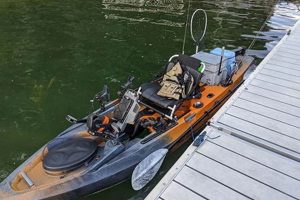
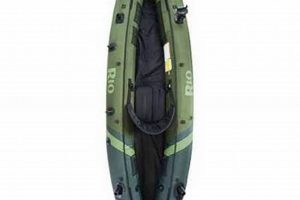
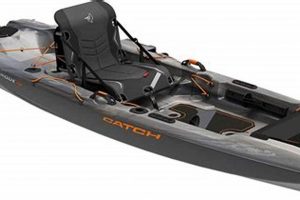
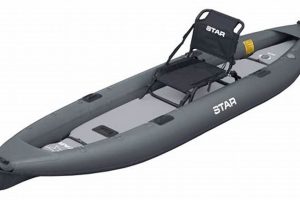
Budget-friendly angling vessels provide an accessible entry point to kayak fishing. These typically smaller, often inflatable or compact hard-shell kayaks, offer basic features for casting lines and enjoying time on the water. An example might be a sit-on-top model with molded-in rod holders and storage compartments.
Affordability expands the possibilities for individuals interested in exploring kayak fishing without a significant financial commitment. This lower price point allows more people to experience the sport’s relaxing and adventurous aspects. Historically, specialized fishing kayaks were a more expensive investment, but advancements in materials and manufacturing have made them more accessible to a broader audience.
The following sections will delve into selecting appropriate low-cost fishing kayaks, essential accessories, and safety considerations for anglers.
Tips for Selecting and Using Budget-Friendly Fishing Kayaks
Careful consideration of several factors is crucial for maximizing value and enjoyment when purchasing a fishing kayak on a limited budget. These tips provide guidance for making informed decisions.
Tip 1: Evaluate Hull Material and Construction. Inflatable kayaks offer portability and lower cost, but may sacrifice durability and tracking compared to hard-shell models. Examine construction quality for both types, looking for robust seams and puncture resistance.
Tip 2: Prioritize Stability over Speed. Focus on stability as a primary concern, especially for beginners. A wider hull generally provides better stability, essential for casting and reeling in fish.
Tip 3: Assess Weight Capacity. Carefully determine the combined weight of the angler, gear, and potential catch to ensure it falls within the kayak’s specified weight limit. Exceeding this limit can compromise stability and safety.
Tip 4: Consider Essential Features. Look for integrated features like rod holders, paddle clips, and storage compartments that enhance the fishing experience. Even budget-friendly options can offer these conveniences.
Tip 5: Research Reviews and Comparisons. Consult online reviews and compare different models to understand their strengths and weaknesses. This research provides valuable insights from other anglers’ experiences.
Tip 6: Factor in Transportation and Storage. Consider how the kayak will be transported and stored. Inflatable kayaks offer advantages in portability and storage, while hard-shell kayaks may require roof racks or trailers.
Selecting a budget-friendly fishing kayak requires thoughtful planning and consideration of individual needs. By prioritizing stability, features, and construction quality, anglers can find suitable options that provide enjoyable experiences on the water.
The following section will cover essential safety precautions and recommended accessories for kayak fishing.
1. Stability

Stability is a critical factor in fishing kayak selection, particularly within a limited budget. A stable platform allows anglers to cast, reel, and land fish effectively, and contributes significantly to overall safety on the water. Compromised stability can lead to capsizing, gear loss, and potentially dangerous situations. Therefore, understanding the factors influencing stability in budget-friendly kayaks is essential.
- Hull Design and Width
Wider hulls generally offer greater initial stability, resisting tipping more effectively than narrower designs. Flat-bottomed hulls provide excellent primary stability, suitable for calm waters, while rounded or V-shaped hulls offer better secondary stability (resistance to tipping at greater angles) but may feel less stable initially. Budget-friendly kayaks often prioritize wider, flatter hulls for enhanced stability, especially beneficial for beginners.
- Center of Gravity
A lower center of gravity contributes to increased stability. Kayak design, angler weight, and gear distribution all influence the center of gravity. Lower seating positions and even weight distribution enhance stability. Budget kayaks might lack adjustable seating, making careful gear placement crucial for maintaining a low center of gravity.
- Kayak Length and Weight
Shorter kayaks tend to be less stable than longer models, although they offer greater maneuverability. Heavier kayaks are generally more stable than lighter ones, providing more resistance to tipping. Budget-friendly options are often shorter for portability, making careful weight distribution even more critical for stability.
- Water Conditions
Calm waters require less stability than rough or choppy conditions. Budget kayaks, particularly shorter or lighter models, may be more susceptible to instability in challenging waters. Anglers should carefully assess water conditions and choose locations appropriate for their kayak’s stability characteristics.
Evaluating these stability-related aspects within the context of budget limitations enables informed decision-making. Prioritizing stability when selecting a fishing kayak under $200 directly impacts on-the-water safety and fishing success. While certain design compromises might be necessary at lower price points, a thorough understanding of these factors empowers anglers to choose a kayak that balances affordability with adequate stability for their intended fishing environment.
2. Durability

Durability represents a critical factor influencing the lifespan and overall value of budget-friendly fishing kayaks. While affordability is a primary concern, compromising excessively on durability can lead to premature wear and tear, requiring costly repairs or replacements. Understanding the factors affecting durability in kayaks under $200 empowers informed purchasing decisions.
- Material Selection
Common materials in this price range include high-density polyethylene (HDPE), inflatable PVC, and occasionally, lower-grade composites. HDPE offers good impact resistance but can be susceptible to UV degradation. Inflatable PVC provides portability and affordability, but requires careful handling to avoid punctures. Material selection directly impacts the kayak’s ability to withstand impacts, abrasion, and environmental exposure. Examining material thickness and construction quality aids in assessing potential durability.
- Construction Quality
Construction methods and attention to detail significantly influence durability. Well-executed seams, reinforced stress points, and robust hardware contribute to a longer-lasting kayak. Inspecting seams for tightness and evenness, checking for loose fittings, and evaluating the quality of hardware (e.g., D-rings, handles) helps determine overall construction quality and potential durability issues.
- UV Resistance
Exposure to sunlight can degrade certain kayak materials, leading to brittleness and cracking. Kayaks stored outdoors require UV protection. Inquiring about UV resistance ratings or seeking kayaks with UV-resistant coatings can help mitigate sun damage and extend lifespan.
- Maintenance and Care
Proper maintenance and care significantly extend a kayak’s lifespan. Regular cleaning, proper storage, and timely repairs of minor damage prevent more extensive problems. Understanding recommended maintenance procedures for the specific kayak material and construction contributes to long-term durability.
Balancing durability with budget constraints requires careful consideration of material, construction, and maintenance. While compromises may be necessary at lower price points, prioritizing key durability factors ensures a more reliable and enjoyable fishing experience over the long term. Understanding these aspects empowers anglers to make informed decisions aligned with their individual needs and intended usage.
3. Portability
Portability significantly influences the practicality and accessibility of fishing kayaks, especially within a budget of $200. Transporting and storing kayaks can present logistical challenges, particularly for individuals with limited storage space or vehicle capacity. Understanding portability considerations within this price range allows for informed decisions aligned with individual circumstances and fishing locations.
- Weight and Dimensions
Kayak weight and dimensions directly impact ease of transport. Lighter, shorter kayaks are easier to handle and require less storage space. Inflatable kayaks often offer superior portability in this price range, deflating to a compact size for easy transport and storage. Hard-shell kayaks under $200 are typically shorter and lighter than premium models, potentially sacrificing some stability and storage capacity for increased portability.
- Transportation Methods
Transportation methods influence portability considerations. Roof racks, trailers, and truck beds are common methods for transporting hard-shell kayaks. Inflatable kayaks, due to their compact deflated size, can often be transported within a vehicle’s interior. Evaluating available transportation methods and the kayak’s corresponding dimensions and weight ensures feasible transport.
- Storage Solutions
Storage space availability necessitates careful consideration of kayak dimensions. Hard-shell kayaks require sufficient space for their length and width, potentially necessitating specialized storage racks or outdoor storage areas. Inflatable kayaks offer significant advantages in storage, deflating to a compact size that can be easily stored in closets, garages, or even smaller apartments.
- Setup and Breakdown Time
Setup and breakdown time impacts the overall convenience and portability of a fishing kayak. Inflatable kayaks require inflation and deflation time, which can add to preparation and packing time. Hard-shell kayaks require no setup or breakdown, offering immediate readiness for use. Considering the time required for setup and breakdown influences the overall practicality of a chosen kayak for different fishing scenarios.
Portability considerations play a crucial role in selecting a fishing kayak under $200. Balancing portability with other factors like stability, durability, and features allows anglers to choose a kayak suited to their individual transportation and storage limitations while meeting their fishing needs. Careful evaluation of weight, dimensions, transportation methods, and storage solutions ensures a practical and enjoyable fishing experience.
4. Storage Capacity
Storage capacity plays a vital role in the functionality of fishing kayaks, especially those priced under $200. Effective storage solutions directly impact an angler’s ability to carry essential gear, including tackle boxes, safety equipment, and personal items. Limited storage can restrict fishing sessions, necessitating frequent trips to shore or compromising on essential gear. Conversely, adequate storage allows for longer, more self-sufficient excursions, enhancing fishing opportunities and overall enjoyment. A small, budget-friendly kayak might feature limited built-in storage, perhaps a small rear tank well and molded-in side compartments suitable for smaller tackle boxes and dry bags. Larger, more expensive models often provide dedicated storage hatches and compartments for larger items like rods and coolers. This necessitates careful consideration of storage needs when selecting a budget-friendly option.
Understanding the relationship between storage capacity and kayak design is essential within this price bracket. Smaller, more portable kayaks often sacrifice storage space for reduced weight and dimensions. Larger, more stable platforms may offer increased storage, but compromise portability. Inflatable kayaks present a unique challenge, often relying on bungee cords and smaller storage compartments. Anglers prioritizing portability might choose an inflatable kayak with limited storage, accepting the need to minimize gear. Those prioritizing longer fishing trips in calm waters might opt for a slightly larger, less portable hard-shell kayak with increased storage for tackle and supplies. An angler focusing on lightweight lure fishing might require less storage than someone targeting larger species with heavier gear. This highlights the importance of aligning storage capacity with individual fishing styles and target species.
Balancing storage needs with budget constraints requires careful consideration of fishing style, target species, and trip duration. While maximizing storage capacity is desirable, budget limitations often necessitate compromises. Prioritizing essential gear and employing space-saving techniques, such as utilizing smaller tackle boxes and dry bags, can mitigate storage limitations in budget-friendly kayaks. Ultimately, understanding the interplay between storage capacity, kayak design, and individual fishing needs allows for informed decisions that maximize functionality and on-the-water enjoyment within a limited budget. This ensures anglers can select a kayak that balances portability, stability, and sufficient storage to meet their specific fishing requirements.
5. Essential Features

Essential features in fishing kayaks under $200 directly impact functionality and on-the-water experience. While budget constraints may limit available options, certain features remain crucial for effective angling. Prioritizing these features ensures a safe and productive fishing experience without exceeding budgetary limitations. Understanding their role and importance facilitates informed decision-making within this price range.
- Rod Holders
Rod holders, whether flush-mounted or adjustable, provide secure rod storage, freeing hands for paddling, maneuvering, and landing fish. Multiple rod holders allow for diverse fishing techniques and carrying spare rods. Even budget-friendly kayaks often include at least two molded-in rod holders. Their presence significantly enhances fishing efficiency and convenience.
- Paddle Holders/Clips
Secure paddle storage is crucial for safe and efficient fishing. Paddle holders or clips keep the paddle within easy reach while preventing loss or interference with fishing lines. This feature, often integrated into even basic kayak designs, enhances safety and convenience on the water.
- Storage Compartments
Storage compartments, whether sealed hatches or open tank wells, provide essential space for tackle boxes, safety gear, and personal items. Adequate storage allows for longer fishing trips and reduces the need for frequent returns to shore. Even budget-friendly options typically offer basic storage solutions, though capacity may be limited.
- Carrying Handles and D-Rings
Carrying handles and strategically placed D-rings facilitate transport and secure gear attachment. Handles aid in carrying the kayak to and from the water, while D-rings provide anchor points for leashes, gear tie-downs, and other accessories. These seemingly simple features significantly enhance portability and practicality.
Prioritizing these essential features when selecting a fishing kayak under $200 maximizes functionality and enjoyment on the water. While advanced features found in higher-priced models may be absent, focusing on these core elements ensures a safe, efficient, and productive fishing experience within a limited budget. Careful consideration of these features alongside other factors like stability and durability empowers informed decisions aligned with individual fishing needs and preferences.
Frequently Asked Questions
This section addresses common inquiries regarding fishing kayaks available within a budget of $200.
Question 1: Are fishing kayaks under $200 suitable for serious anglers?
While budget-friendly kayaks may lack advanced features found in higher-priced models, they can adequately serve anglers with modest needs, especially beginners or those fishing calm, protected waters. Focusing on stability, essential features, and appropriate usage scenarios maximizes their effectiveness.
Question 2: What are the primary limitations of kayaks in this price range?
Kayaks under $200 may compromise on durability, storage capacity, and tracking performance compared to more expensive options. Material selection and construction methods influence these limitations. Careful evaluation and realistic expectations are crucial.
Question 3: How does stability compare in budget-friendly fishing kayaks?
Stability varies significantly based on hull design, width, and length. Budget-friendly kayaks often prioritize stability through wider, flatter hull designs, particularly beneficial for beginners or fishing in calm waters. Understanding the relationship between design and stability is crucial for informed selection.
Question 4: What essential features should one prioritize in a sub-$200 fishing kayak?
Essential features include rod holders, paddle holders/clips, and sufficient storage compartments for tackle and gear. Prioritizing these features enhances functionality and on-the-water enjoyment within budget constraints.
Question 5: How durable are fishing kayaks under $200?
Durability depends on material selection and construction quality. Lower-priced kayaks might utilize less durable materials or simpler construction techniques. Careful inspection and realistic expectations regarding lifespan are important.
Question 6: Are inflatable kayaks a suitable option within this budget?
Inflatable kayaks often represent a significant portion of options under $200. They offer advantages in portability and storage but may sacrifice tracking performance and durability compared to hard-shell alternatives. Material quality and construction significantly influence their suitability for fishing.
Understanding these aspects empowers informed decisions aligned with individual needs and budgetary constraints. Realistic expectations regarding performance and limitations are crucial for maximizing satisfaction with a budget-friendly fishing kayak.
The following section will discuss maintenance and care tips.
Fishing Kayaks Under $200
Exploring the realm of fishing kayaks available for under $200 reveals a balance between affordability and functionality. Considerations encompassing stability, durability, portability, storage capacity, and essential features are paramount. While compromises compared to higher-priced models are inevitable, careful evaluation and prioritization of individual needs enable anglers to acquire suitable vessels for enjoyable fishing experiences. Material selection, construction quality, and feature availability directly influence long-term satisfaction. Understanding limitations and realistic expectations are crucial for maximizing the value proposition offered by budget-conscious angling vessels.
The affordability of these kayaks opens pathways to the rewarding sport of kayak fishing for a broader audience. Continued advancements in manufacturing and materials may further enhance the capabilities and value offered within this price segment. Diligent research and informed decision-making remain essential for prospective buyers seeking to optimize their investment and embrace the unique experience of kayak fishing within a defined budget. Careful consideration of the factors discussed empowers informed purchases and enjoyable experiences on the water.