Competitive angling events held in the state of Alabama specifically for participants using kayaks offer a unique blend of skill, strategy, and sportsmanship. These events typically involve anglers competing to catch the largest or most fish within a set timeframe, adhering to specific rules and regulations regarding eligible species and fishing methods. A typical competition might involve measurements of catches, with photographs serving as verification, often culminating in prizes and recognition for the most successful participants.
These competitions contribute significantly to the local economy through tourism and related industries. They also promote conservation efforts by encouraging responsible fishing practices and raising awareness about aquatic ecosystems. Furthermore, the growth of these specialized events reflects a broader trend toward accessible and environmentally conscious outdoor recreation. Historically, fishing tournaments were often dominated by larger, motorized boats. The rising popularity of kayak-based competitions democratizes the sport, allowing more individuals to participate and fostering a strong sense of community among anglers.
This article will further explore various facets of competitive kayak angling within Alabama, covering topics such as prominent tournament circuits, registration procedures, recommended equipment, and ethical fishing guidelines.
Tips for Competitive Kayak Angling in Alabama
Success in competitive kayak fishing requires preparation, strategic thinking, and respect for the environment. The following tips offer guidance for anglers seeking to improve their performance and overall experience.
Tip 1: Pre-Tournament Scouting: Thoroughly research potential fishing locations prior to the competition. Analyze maps, water depth charts, and historical fishing data to identify promising areas. Consider factors such as water temperature, current flow, and prevalent forage species.
Tip 2: Optimize Kayak Setup: Configure the kayak for efficient movement and easy access to essential gear. Strategically position rod holders, tackle boxes, and fish finders to minimize wasted time and maximize fishing effectiveness. Stability and maneuverability are key considerations.
Tip 3: Master Efficient Paddling Techniques: Proficient paddling conserves energy and allows for stealthy movement through the water. Practice efficient strokes and learn to maneuver effectively in varying wind and current conditions.
Tip 4: Employ Effective Fish-Finding Strategies: Utilize fish finders and other electronic tools to locate fish concentrations. Understand how to interpret sonar readings and identify promising underwater structures. Combine electronic data with knowledge of local fish behavior.
Tip 5: Refine Species-Specific Techniques: Familiarize oneself with the preferred fishing methods and bait choices for targeted species. Adapt techniques based on prevailing conditions and fish activity levels.
Tip 6: Practice Catch and Release Techniques: Prioritize fish health by employing proper catch and release procedures. Minimize handling time and use appropriate tools for hook removal. Support sustainable fishing practices to preserve Alabama’s aquatic ecosystems.
Tip 7: Adhere to Tournament Rules and Regulations: Carefully review all tournament guidelines and ensure compliance. Understand boundaries, permitted fishing methods, and size limits for eligible species. Ethical conduct is paramount.
By integrating these strategies, anglers can enhance their competitive edge while contributing to a positive and sustainable fishing environment. Preparation, adaptability, and respect for the sport are fundamental to success.
These tips provide a solid foundation for competitive kayak angling. The following section will delve into specific equipment recommendations.
1. Competition

The competitive element is fundamental to kayak fishing tournaments in Alabama. It provides the driving force behind angler participation, encouraging skill development, strategic thinking, and adherence to established rules. Competition structures vary, often involving weigh-ins for total catch weight or measurements for individual fish length. These formats incentivize anglers to refine their techniques and knowledge of local waters. For example, in a tournament focused on largemouth bass, competitors might strategically target areas known to hold larger specimens, employing specific lures and retrieval methods to maximize their chances of success. The inherent pressure of competition pushes participants to adapt and innovate.
The competitive landscape also fosters a sense of community and camaraderie among anglers. While individual performance is paramount, the shared experience of navigating challenging conditions and pursuing elusive fish creates bonds within the participant group. Tournaments often incorporate elements of sportsmanship and ethical conduct, further strengthening this sense of community. For instance, assisting a fellow competitor with a minor equipment malfunction, even during the heat of competition, exemplifies the positive values inherent within competitive angling. The exchange of knowledge and strategies, both pre- and post-tournament, contributes to the overall growth and development of the sport.
Understanding the competitive framework of kayak fishing tournaments in Alabama is crucial for prospective participants and spectators alike. Recognizing the various tournament formats, scoring systems, and rules of engagement provides valuable context for appreciating the skill and dedication required for success. This understanding also highlights the importance of conservation practices and ethical angling within the competitive arena. Ultimately, the competitive spirit drives innovation and elevates the overall experience for all involved, contributing to the growth and sustainability of kayak fishing within the state.
2. Kayaks

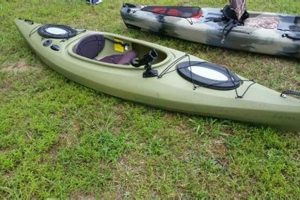
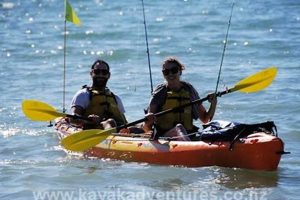
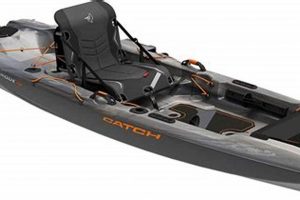
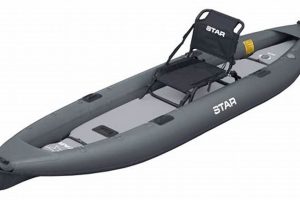
Kayaks form the very foundation of kayak fishing tournaments in Alabama, dictating the nature of the competition and shaping participant strategies. Their specialized design and functionality directly influence angler access, mobility, and overall fishing experience. The choice of kayak, including factors like hull design (sit-on-top versus sit-in), length, and stability, becomes a critical strategic decision. For instance, a longer, sleeker kayak might be advantageous in open water scenarios where speed and efficient paddling are paramount, while a shorter, wider kayak with enhanced stability could prove more suitable for navigating shallow, vegetated areas. The selection process often involves a trade-off between stability, speed, and maneuverability, tailored to individual fishing styles and target species.
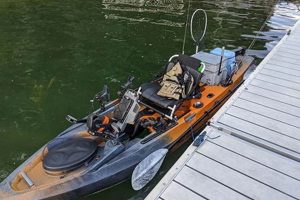
The integration of specialized equipment further enhances the kayak’s role in competitive angling. Features like rod holders, fish finders, and anchor systems optimize fishing efficiency. Mounting a fish finder transducer allows anglers to identify underwater structures and fish concentrations, crucial for strategic decision-making during tournaments. Similarly, strategically placed rod holders facilitate quick access to different rods rigged for specific techniques, minimizing wasted time during critical moments. These adaptations transform the kayak into a mobile fishing platform, maximizing angler effectiveness within the constraints of tournament rules and regulations. For example, in a bass tournament, an angler might utilize a kayak equipped with both baitcasting and spinning rods, allowing for quick transitions between different lure presentations based on changing fish behavior.
The adaptability and accessibility of kayaks contribute significantly to the growing popularity of these tournaments. Unlike larger, motorized boats, kayaks provide access to shallow, protected waters often inaccessible to traditional fishing craft. This expanded access opens up new fishing opportunities and diversifies tournament locations, promoting exploration of Alabama’s diverse aquatic ecosystems. Furthermore, the relatively lower cost and ease of transport associated with kayaks democratize the sport, attracting a wider range of participants and fostering a more inclusive competitive environment. Understanding the integral role of kayaks within these tournaments provides crucial context for appreciating the strategic depth and accessibility that define this specialized angling discipline. This understanding underscores the dynamic interplay between equipment, angler skill, and the unique characteristics of Alabama’s waterways.
3. Alabama Waters

Alabama’s diverse waterways play a pivotal role in shaping the character of kayak fishing tournaments held within the state. The variety of aquatic environments, ranging from expansive reservoirs and river systems to coastal marshes and estuaries, dictates the types of fish targeted, the techniques employed, and the overall tournament experience. This diversity necessitates adaptability among anglers. For instance, tournaments held on the Mobile-Tensaw Delta, a vast network of interconnected rivers and swamps, might focus on species like redfish and speckled trout, requiring specialized tackle and knowledge of tidal patterns. Conversely, competitions on Lake Guntersville, a renowned largemouth bass fishery, demand different strategies, emphasizing techniques like deep-water jigging or shallow-water flipping and pitching. The specific characteristics of each waterway influence tournament structure and angler preparation.
The health and accessibility of Alabama’s waters directly impact the viability and success of kayak fishing tournaments. Factors like water quality, habitat availability, and the presence of invasive species influence fish populations and overall ecosystem health. These factors, in turn, affect tournament outcomes and the long-term sustainability of the sport. Conservation efforts aimed at preserving water quality and restoring natural habitats become crucial for ensuring the continued success of these events. For example, initiatives to control the spread of hydrilla, an invasive aquatic plant, help maintain navigable waterways and support healthy fish populations, crucial for successful tournament angling. Understanding the interconnectedness between healthy ecosystems and thriving fisheries underscores the importance of responsible angling practices and environmental stewardship within the tournament community.
The intrinsic connection between Alabama’s waters and the success of kayak fishing tournaments necessitates a focus on sustainable practices. Tournament organizers and participants share a responsibility to minimize environmental impact and promote responsible angling. Implementing catch-and-release protocols, adhering to size and creel limits, and respecting sensitive habitats contribute to the long-term health of Alabama’s fisheries. This proactive approach ensures the continued viability of kayak fishing tournaments, preserving the sport for future generations. Recognizing the vital role of healthy aquatic ecosystems underscores the importance of aligning competitive angling with conservation principles, fostering a symbiotic relationship between sport and environmental stewardship.
4. Regulations
Regulations form the backbone of kayak fishing tournaments in Alabama, ensuring fair competition, promoting ethical angling practices, and contributing to the long-term health of aquatic ecosystems. These rules govern various aspects of tournament participation, from eligible species and fishing methods to safety protocols and environmental considerations. Understanding and adhering to these regulations is crucial for all participants, ensuring the integrity and sustainability of the sport.
- Species and Size Limits:
Regulations often specify eligible species and impose minimum size limits for catches. For example, a bass tournament might stipulate that only largemouth bass exceeding 15 inches can be counted towards an angler’s total weight. These restrictions protect vulnerable fish populations and promote sustainable harvest practices. Adherence to these rules ensures the long-term health of the fishery and preserves angling opportunities for future generations.
- Permitted Fishing Methods:
Tournaments frequently restrict permissible fishing methods to maintain fair competition and prevent exploitation of fish populations. For instance, some tournaments might allow only artificial lures, prohibiting the use of live bait. Such restrictions encourage skill-based angling and minimize potential stress on fish populations. Understanding these limitations is crucial for tournament preparation and ensures compliance during competition.
- Safety Protocols:
Safety regulations are paramount in kayak fishing tournaments, prioritizing participant well-being and minimizing risks associated with on-water activities. Requirements for personal flotation devices (PFDs) and emergency signaling devices are common. For example, all participants might be required to wear a US Coast Guard-approved PFD throughout the tournament. These measures mitigate potential hazards and ensure a safe and enjoyable experience for all involved.
- Environmental Considerations:
Regulations often incorporate environmental considerations, promoting responsible angling practices and minimizing impact on aquatic ecosystems. Restrictions on discarding fishing line or entering designated protected areas are common examples. These rules aim to minimize pollution and preserve sensitive habitats, contributing to the overall health and sustainability of Alabama’s waterways. Adhering to these guidelines reflects a commitment to environmental stewardship within the angling community.
The comprehensive framework of regulations governing kayak fishing tournaments in Alabama ensures a level playing field for competitors while prioritizing safety and environmental responsibility. Understanding and complying with these rules are essential for participating in these events and contributing to the long-term health and sustainability of Alabama’s valuable aquatic resources. These regulations reflect a broader commitment to ethical angling practices, fostering a culture of respect for both the sport and the environment.
5. Prizes/Recognition

The system of prizes and recognition within kayak fishing tournaments in Alabama serves a multifaceted purpose. It incentivizes competitive participation, acknowledges angler skill and achievement, and promotes the growth and visibility of the sport. This system plays a crucial role in shaping the tournament landscape and influencing angler behavior.
- Cash Prizes
Cash prizes are a common incentive in many tournaments, often tiered based on placement. A first-place finish might yield a substantial monetary reward, while subsequent placements receive progressively smaller amounts. These rewards attract competitive anglers seeking both recognition and financial gain. For example, a major tournament might offer a $5,000 grand prize, incentivizing participation and elevating the stakes of the competition. The potential for financial reward draws skilled anglers and contributes to the overall prestige of the event.
- Sponsor-Provided Gear
Many tournaments collaborate with sponsors within the fishing industry, offering prizes in the form of fishing gear, kayaks, and related equipment. These prizes provide tangible rewards for participants and enhance the visibility of sponsoring brands. An angler winning a new high-end fishing rod or kayak gains valuable equipment while simultaneously promoting the sponsor’s products within the angling community. This symbiotic relationship benefits both anglers and sponsors, contributing to the overall growth of the sport.
- Titles and Rankings
Beyond tangible prizes, many tournaments award titles and contribute to angler rankings within competitive circuits. Achieving a top ranking or winning a prestigious tournament title enhances an angler’s reputation and standing within the competitive fishing community. Recognition as “Angler of the Year” within a specific circuit, for example, elevates an angler’s profile and can lead to sponsorship opportunities or invitations to exclusive events. These accolades contribute to the overall competitive structure and provide motivation for sustained excellence.
- Media Coverage and Publicity
Successful anglers often receive media coverage and publicity, further amplifying their achievements and promoting the sport to a wider audience. Local news outlets, fishing publications, and online platforms often feature tournament winners and highlight notable catches. This exposure benefits both individual anglers and the broader kayak fishing community, raising awareness of the sport and attracting new participants. Increased media attention also attracts potential sponsors and contributes to the overall growth and economic impact of tournament angling in Alabama.
The interplay of these various forms of prizes and recognition creates a dynamic and rewarding environment within kayak fishing tournaments. This system not only incentivizes participation and acknowledges angler skill but also contributes to the overall growth, visibility, and sustainability of competitive kayak fishing in Alabama. The pursuit of both tangible rewards and prestigious accolades elevates the sport and fosters a vibrant community of passionate anglers.
6. Conservation

Conservation plays a critical role in the sustainability of kayak fishing tournaments in Alabama. These events, while offering recreational and economic benefits, also bear a responsibility to minimize environmental impact and promote responsible angling practices. The intersection of competitive fishing and conservation necessitates a proactive approach to ensure the long-term health of Alabama’s aquatic ecosystems.
- Catch and Release Practices
Promoting catch-and-release fishing is paramount for minimizing stress on fish populations during tournaments. Proper handling techniques, including the use of wet hands or de-hooking tools, reduce physical trauma to fish. Minimizing air exposure and reviving fish in the water before release further enhance survival rates. These practices ensure that captured fish can return to the ecosystem with minimal long-term impact, preserving fish populations and maintaining the integrity of the fishery.
- Habitat Preservation and Restoration
Kayak fishing tournaments often utilize diverse aquatic habitats, highlighting the importance of habitat preservation and restoration. Minimizing disturbance to sensitive areas, such as spawning grounds or submerged vegetation, is crucial. Supporting initiatives to restore degraded habitats, including riparian buffer zones and underwater structures, further enhances ecosystem health. These efforts ensure the long-term viability of fish populations and maintain the ecological balance of Alabama’s waterways.
- Water Quality Monitoring and Protection
Maintaining high water quality is essential for healthy fish populations and sustainable angling opportunities. Kayak fishing tournaments can play a role in promoting water quality monitoring and advocating for policies that protect water resources. Educating anglers about the impacts of pollution and encouraging responsible disposal of fishing line and other debris contributes to cleaner waterways. This proactive approach ensures the long-term health of Alabama’s aquatic ecosystems and safeguards the future of kayak fishing.
- Invasive Species Awareness and Control
Invasive species pose a significant threat to native fish populations and overall ecosystem health. Kayak fishing tournaments can raise awareness about invasive species and promote strategies for their control. Educating anglers about identifying and reporting invasive species assists in early detection and rapid response efforts. Encouraging practices that prevent the spread of invasive species, such as cleaning kayaks and fishing gear between different bodies of water, further contributes to protecting Alabama’s aquatic biodiversity.
Integrating conservation principles into kayak fishing tournaments ensures the long-term sustainability of the sport and protects the valuable aquatic resources of Alabama. By promoting responsible angling practices, supporting habitat preservation, and raising awareness about environmental issues, these tournaments contribute to a healthier and more resilient ecosystem. This commitment to conservation benefits not only the angling community but also the broader public who enjoy the ecological and recreational benefits of Alabama’s diverse waterways. It establishes a positive feedback loop, where responsible tournament practices contribute to a healthier environment, further enhancing the quality and sustainability of future kayak fishing events.
Frequently Asked Questions about Kayak Fishing Tournaments in Alabama
This section addresses common inquiries regarding competitive kayak angling in Alabama, providing clarity on tournament procedures, regulations, and participation requirements.
Question 1: How does one locate information on upcoming kayak fishing tournaments in Alabama?
Information on upcoming tournaments can typically be found through online search engines, social media groups dedicated to kayak fishing, local fishing forums, and websites of organizations that host these events. Consulting with local bait and tackle shops can also provide valuable leads.
Question 2: Are there specific license requirements for participating in these tournaments?
A valid Alabama fishing license is generally required for tournament participation. Specific requirements may vary based on tournament rules and location. It is crucial to verify license requirements with tournament organizers prior to registration.
Question 3: What types of kayaks are typically permitted in these competitions?
While specific regulations vary by tournament, most competitions permit a range of kayak types, including sit-on-top and sit-in models. Motorized kayaks are often prohibited or subject to specific restrictions. Checking with tournament organizers is essential for confirming permitted kayak types.
Question 4: What safety equipment is typically mandated for tournament participation?
Personal flotation devices (PFDs) are generally mandatory. Additional safety equipment, such as whistles, visual distress signals, and first-aid kits, might also be required. Adherence to safety regulations is paramount, and participants should consult tournament rules for specific requirements.
Question 5: How are fish typically measured and weighed during competitions?
Methods vary by tournament, but common practices involve measuring fish length using standardized measuring boards and weighing fish using certified scales. Photographic evidence of catches, often submitted through dedicated tournament apps, serves as verification. Specific procedures are outlined in tournament regulations.
Question 6: What conservation practices are commonly implemented in these tournaments?
Catch-and-release practices are often emphasized, with specific guidelines for handling and releasing fish to minimize stress and maximize survival rates. Tournaments may also promote responsible waste disposal and adherence to environmental regulations to minimize impact on aquatic ecosystems.
Careful review of specific tournament guidelines and direct communication with organizers are strongly encouraged to address individual circumstances and ensure full understanding of participation requirements.
The subsequent section will offer practical advice and advanced strategies for enhancing competitive performance in kayak fishing tournaments.
Kayak Fishing Tournaments Alabama
This exploration of competitive kayak angling in Alabama has highlighted the multifaceted nature of these events. From the strategic selection of kayaks and equipment to the intricacies of tournament regulations and the importance of conservation, the sport demands a blend of skill, knowledge, and respect for the environment. The competitive landscape, shaped by Alabama’s diverse waterways and the pursuit of prizes and recognition, fosters both individual achievement and a sense of community among anglers.
The continued growth and success of kayak fishing tournaments in Alabama hinge on a collective commitment to sustainable practices and ethical angling. Preserving the health of aquatic ecosystems, promoting responsible fishing techniques, and fostering a culture of respect for Alabama’s natural resources will ensure the viability of this exciting and accessible sport for generations to come. Active participation and informed engagement within the angling community are crucial for shaping the future of competitive kayak fishing in Alabama.