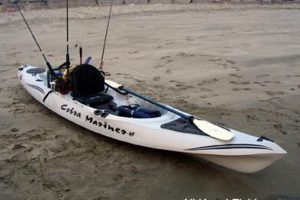
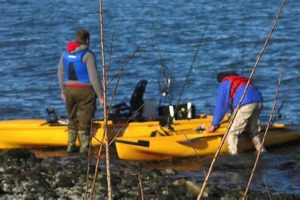
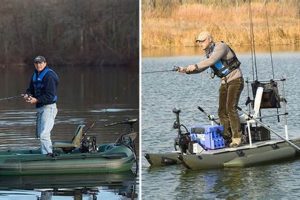
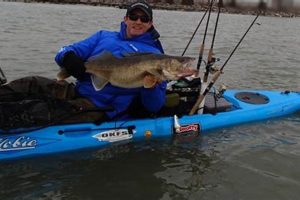
A business described as offering “live bait & tackle/kayak rentals” likely provides a range of services and goods centered around fishing and watersports. Customers can expect to find live bait suitable for attracting various fish species, as well as fishing equipment like rods, reels, lines, hooks, lures, and other terminal tackle. The availability of kayak rentals suggests access to a body of water suitable for paddling and fishing. This combination of offerings caters to anglers of varying experience levels, from those seeking a fully equipped outing to experienced fishers requiring specific bait or tackle. A “fish camp” traditionally implies a rustic, often seasonal, lodging or recreational area near a fishing spot.
Such establishments play a significant role in supporting recreational fishing tourism. They offer convenience to anglers by providing essential supplies and equipment in one location, potentially eliminating the need for extensive pre-trip preparation. Renting kayaks allows visitors to explore waterways and access fishing areas otherwise unreachable from the shore. The economic impact of these businesses can be substantial, contributing to local economies through job creation and revenue generation. Historically, fish camps have served as important community hubs, facilitating social interaction and outdoor recreation.
Further exploration of this topic might delve into the specific types of fish commonly caught in the area, the ecological importance of responsible fishing practices, the regulations governing fishing and watercraft usage, and the history and cultural significance of fish camps within the broader recreational landscape.
Tips for a Successful Fishing Trip
Preparation and knowledge contribute significantly to a positive fishing experience. The following tips offer guidance for maximizing enjoyment and success on the water.
Tip 1: Research local regulations. Fishing license requirements and catch limits vary by location and species. Confirm all applicable regulations before embarking on a fishing trip.
Tip 2: Select appropriate bait and tackle. Target species dictate the most effective bait and tackle choices. Local expertise can prove invaluable when selecting appropriate gear.
Tip 3: Understand water conditions. Water temperature, clarity, and current affect fish behavior. Consider these factors when choosing fishing locations and techniques.
Tip 4: Practice proper kayak safety. Always wear a personal flotation device and be aware of weather conditions. Inform someone of your planned route and estimated return time.
Tip 5: Respect the environment. Practice catch-and-release when appropriate and dispose of fishing line and other waste responsibly. Minimize disturbance to natural habitats.
Tip 6: Learn basic knot-tying. Securely tying knots is crucial for successful angling. Familiarize yourself with essential fishing knots before heading out on the water.
Tip 7: Be patient and persistent. Fishing requires patience and persistence. Don’t be discouraged if success isn’t immediate.
By following these guidelines, anglers can increase their chances of a successful and enjoyable fishing experience while contributing to the preservation of aquatic ecosystems.
These preparatory steps lay the foundation for a rewarding fishing outing. Further considerations include weather forecasting and appropriate clothing choices.
1. Location

Location profoundly influences the viability and success of a business like Genungs Fish Camp, impacting everything from target species availability to customer accessibility. A fish camp situated near a productive and accessible body of water holds inherent advantages. Proximity to diverse aquatic habitats increases the variety of fish species anglers can target, broadening appeal and potentially extending the operational season. Easy access via roadways, and ample parking facilities contribute to customer convenience, encouraging repeat visits. Conversely, a remote or difficult-to-reach location, regardless of fishing quality, presents logistical challenges that may deter potential customers. Consider a hypothetical scenario: two fish camps offer identical services, but one sits beside a popular, easily accessible lake while the other requires a long, arduous drive followed by a hike. The former likely enjoys greater customer traffic due to its convenient location.
Furthermore, location influences the types of bait and tackle required. A coastal saltwater fish camp necessitates different offerings compared to one situated on a freshwater lake or river. Stocking appropriate bait and tackle tailored to the local fish species is crucial for customer satisfaction and business success. For instance, a fish camp near a trout stream should stock lightweight rods, reels, and lures designed for trout fishing, while a coastal location would require heavier tackle suitable for larger saltwater species. The surrounding environment also plays a role. A fish camp located within a scenic natural area may attract customers seeking a wilderness experience, while one situated near other amenities like restaurants and lodging might appeal to a different clientele. Understanding the interplay between location and customer preferences is essential for targeted marketing and business development.
In conclusion, location acts as a cornerstone for a “fish camp live bait & tackle/kayak rentals” business. Careful consideration of accessibility, target species, and surrounding amenities is paramount for long-term success. Analyzing the local ecosystem and understanding customer needs based on location allows for effective resource allocation and maximizes business potential. Overlooking the significance of location can lead to mismatched offerings, limited customer access, and ultimately, business failure.
2. Bait & Tackle
The “bait & tackle” component of “Genungs fish camp live bait & tackle/kayak rentals” represents a crucial element for attracting and catching fish. Providing a diverse and high-quality selection caters to varying fishing styles and target species, directly influencing angler success and overall satisfaction. A well-stocked bait and tackle shop differentiates a basic rental operation from a comprehensive angling resource.
- Live Bait
Live bait, including worms, minnows, and crickets, attracts fish through natural movement and scent. The availability of fresh, lively bait is essential for enticing fish in various habitats. A fish camp offering a diverse selection of live bait suitable for local species caters to a wider range of anglers and increases the likelihood of successful catches. Improper storage or handling of live bait can quickly diminish its effectiveness.
- Terminal Tackle
Terminal tackle encompasses hooks, lines, sinkers, swivels, floats, and other accessories essential for presenting bait or lures. Offering a comprehensive selection of terminal tackle allows anglers to customize their rigs based on target species, fishing conditions, and personal preferences. The quality and variety of terminal tackle directly impact an angler’s ability to effectively present bait or lures and successfully land fish.
- Lures
Lures, including artificial baits like spinners, crankbaits, and jigs, mimic the appearance and movement of prey fish. A diverse selection of lures catering to different species and water conditions is essential. The availability of high-quality lures, in various sizes, colors, and actions, enhances angling versatility and increases the chances of attracting fish, particularly when live bait is less effective or unavailable.
- Rods and Reels
While not strictly “bait & tackle,” offering rods and reels for rent or sale complements the overall fishing experience. Providing a selection of rods and reels suitable for various fishing techniques and target species allows anglers to choose equipment appropriate for their skill level and desired fishing style. This expands the potential customer base and enhances the convenience factor of the fish camp.
The synergy between bait & tackle offerings and other services provided, such as kayak rentals, strengthens the appeal of Genungs Fish Camp. A well-stocked bait and tackle shop combined with readily available watercraft creates a convenient and comprehensive angling destination. This integrated approach enhances customer satisfaction and positions the fish camp as a one-stop resource for all fishing needs.
3. Kayak Rentals
Kayak rentals represent a key component within the broader context of “Genungs fish camp live bait & tackle/kayak rentals,” significantly expanding angling opportunities and enhancing the overall recreational experience. Offering kayak rentals allows anglers to access fishing grounds unreachable from the shore, increasing the potential for successful catches. Kayaks provide maneuverability in shallow waters and around vegetation, ideal for targeting specific species. This expanded access differentiates Genungs Fish Camp from shore-based fishing locations, broadening its appeal to a wider range of anglers. Consider a scenario where a prime fishing spot exists amidst a dense lily pad field. Shore-based anglers face limited access, while those utilizing kayaks can navigate the vegetation and effectively target fish within this productive habitat.
The synergy between kayak rentals and the provision of live bait and tackle creates a comprehensive angling package. Anglers can acquire necessary supplies and equipment on-site, eliminating the need for separate rental arrangements. This convenience factor enhances customer satisfaction and streamlines the fishing experience. For example, an angler seeking to target bass in a secluded cove can rent a kayak, purchase appropriate lures and tackle, and launch directly from the fish camp, maximizing fishing time and minimizing logistical complexities. Furthermore, kayak rentals diversify revenue streams for the fish camp, reducing reliance on bait and tackle sales alone. This diversification contributes to business stability and allows for investment in improved facilities and services. The integration of kayak rentals within the overall business model positions Genungs Fish Camp as a versatile recreational destination, catering to both experienced anglers and newcomers seeking a comprehensive outdoor experience.
In conclusion, kayak rentals represent a strategic asset for Genungs Fish Camp. The ability to access diverse fishing locations, combined with on-site bait and tackle availability, creates a compelling offering for anglers of all skill levels. This integrated approach enhances customer satisfaction, diversifies revenue streams, and strengthens the fish camp’s position within the competitive recreational landscape. Failing to recognize the strategic importance of kayak rentals would limit access to prime fishing locations, reduce customer appeal, and potentially hinder the long-term growth and viability of the business.
4. Target Species

Target species identification is fundamental to the success of a business model like “Genungs fish camp live bait & tackle/kayak rentals.” Understanding the specific fish sought by anglers in a given location dictates the types of bait and tackle stocked, influencing inventory decisions and overall customer satisfaction. A mismatch between available offerings and target species can lead to frustration among anglers and lost revenue opportunities. For example, a fish camp catering primarily to trout anglers should stock lightweight rods, reels, and lures designed for trout fishing. Stocking heavy saltwater tackle in this scenario would represent a misallocation of resources and fail to meet customer needs. Conversely, a coastal fish camp should prioritize saltwater equipment and bait appropriate for species like redfish, snook, or tarpon. Accurately identifying target species allows for efficient resource allocation and maximizes the potential for successful angling experiences.
Furthermore, knowledge of target species informs decisions regarding kayak rentals. Certain kayaks are better suited for specific fishing styles and target species. For instance, a sit-on-top kayak might be preferable for fishing in shallow, vegetated areas targeting bass or panfish, while a sit-inside kayak might offer greater stability and protection in open water when pursuing larger species. Understanding target species also influences marketing and promotional strategies. Highlighting the prevalence of specific sought-after species can attract anglers seeking those particular fish. Promoting the availability of specialized equipment and expertise related to target species strengthens the fish camp’s reputation among serious anglers. For example, advertising the availability of fly-fishing gear and guides specializing in local trout species can attract a niche market segment. This targeted approach maximizes marketing effectiveness and cultivates customer loyalty.
In conclusion, target species identification serves as a cornerstone for optimizing resource allocation, guiding marketing efforts, and enhancing customer satisfaction within the “Genungs fish camp live bait & tackle/kayak rentals” model. A clear understanding of target species allows for informed decisions regarding bait and tackle selection, kayak rental offerings, and targeted marketing strategies. Failing to identify and cater to the specific needs of anglers pursuing particular species can lead to lost revenue opportunities, customer dissatisfaction, and ultimately, diminished business success. This understanding is crucial for the long-term viability and profitability of the fish camp.
5. Local Regulations

Local regulations form an integral framework within which businesses like “Genungs fish camp live bait & tackle/kayak rentals” must operate. Compliance with fishing licenses, catch limits, and watercraft operation rules ensures legal operation and contributes to the sustainable management of aquatic resources. Ignoring these regulations risks penalties, damage to ecosystems, and reputational harm. For instance, exceeding catch limits depletes fish populations, disrupting the ecological balance and potentially impacting future fishing opportunities. Operating kayaks without required safety equipment endangers customers and exposes the business to liability. A fish camp operating within established regulatory boundaries demonstrates responsible business practices and contributes to the long-term health of the local ecosystem. Consider a scenario where a fish camp encourages catch-and-release practices for certain species, aligning with local conservation efforts. This responsible approach reinforces the camp’s commitment to sustainability and fosters positive relationships with regulatory bodies and the angling community.
Furthermore, understanding and communicating local regulations enhances customer service. A fish camp providing clear and accurate information about licensing requirements, catch limits, and permitted fishing areas empowers customers to fish legally and responsibly. This proactive approach fosters trust and strengthens the camp’s reputation as a reliable source of information. Imagine a fish camp displaying current fishing regulations prominently and offering guidance on obtaining licenses. This readily available information simplifies the angler’s experience and demonstrates the camp’s commitment to regulatory compliance. Moreover, knowledge of local regulations allows fish camp operators to adapt their offerings accordingly. For example, restrictions on certain types of bait or fishing gear necessitate adjustments to inventory and rental options. Awareness of seasonal closures or protected areas informs operational decisions and prevents disruptions to customer activities. This adaptability ensures compliance and demonstrates a proactive approach to regulatory changes.
In conclusion, adherence to local regulations is not merely a legal obligation but a crucial element contributing to the ethical and sustainable operation of “Genungs fish camp live bait & tackle/kayak rentals.” Compliance safeguards natural resources, enhances customer service, and strengthens the business’s reputation within the community. Ignoring these regulations risks legal penalties, environmental damage, and reputational harm, ultimately jeopardizing the long-term viability of the business. A proactive approach to regulatory compliance positions the fish camp as a responsible steward of the environment and a valuable resource for anglers seeking a legal and enjoyable fishing experience. This commitment to responsible operation fosters positive relationships with regulatory bodies, builds customer trust, and contributes to the long-term health of the local ecosystem and the angling community.
6. Customer Service

Customer service constitutes a critical component of a successful “Genungs fish camp live bait & tackle/kayak rentals” operation. Positive interactions foster customer loyalty, generate positive word-of-mouth referrals, and contribute to a thriving business. Conversely, negative experiences can deter potential customers and damage reputation. Consider a scenario where a customer receives knowledgeable advice on lure selection, resulting in a successful fishing trip. This positive interaction encourages repeat business and fosters positive recommendations to other anglers. Alternatively, unhelpful or dismissive service can lead to customer frustration and negative reviews, potentially deterring future patronage.
Effective customer service manifests in various forms within this specific business context. Knowledgeable staff capable of offering advice on bait selection, fishing techniques, and local regulations provides significant value to customers. Efficient handling of rental transactions, including clear communication of rental policies and prompt equipment preparation, contributes to a seamless and positive customer experience. Addressing customer inquiries and concerns with patience and professionalism builds trust and reinforces a commitment to customer satisfaction. For example, a staff member proactively informing customers about current fishing conditions or suggesting alternative fishing locations demonstrates a commitment to exceeding customer expectations. This proactive approach fosters loyalty and differentiates the business from competitors offering solely transactional interactions.
In conclusion, prioritizing customer service within the “Genungs fish camp live bait & tackle/kayak rentals” model yields tangible benefits. Positive interactions cultivate customer loyalty, generate positive word-of-mouth referrals, and contribute to sustained business growth. Investing in staff training, emphasizing clear communication, and proactively addressing customer needs strengthens the business’s reputation and positions it for long-term success within the competitive recreational landscape. Failing to prioritize customer service risks alienating customers, damaging reputation, and ultimately hindering business growth. Understanding the direct link between customer satisfaction and business success is paramount for long-term viability and profitability.
Frequently Asked Questions
This FAQ section addresses common inquiries regarding services and operations related to a “fish camp live bait & tackle/kayak rentals” business model. Clear and concise information empowers potential customers to make informed decisions and enhances the overall recreational experience.
Question 1: What types of live bait are available?
Live bait offerings typically include worms, minnows, crickets, and other locally effective options. Availability may vary based on season and local fishing conditions. Inquire directly with the fish camp for current bait selections.
Question 2: What tackle is available for rent or purchase?
Rods, reels, lines, hooks, sinkers, lures, and other essential terminal tackle are typically available for rent or purchase. Specific offerings may vary. Contacting the fish camp directly ensures access to a comprehensive list of available equipment.
Question 3: What types of kayaks are available for rent?
Kayak types vary based on intended use and angler preferences. Sit-on-top kayaks, sit-inside kayaks, and fishing-specific kayaks may be offered. Inquiries regarding specific kayak models, sizes, and features should be directed to the fish camp.
Question 4: What are the local fishing regulations?
Fishing licenses, catch limits, and permitted fishing methods are governed by local regulations. Information regarding current regulations can be obtained from local authorities or by inquiring directly with the fish camp staff.
Question 5: What safety precautions should be taken when kayaking?
Wearing a personal flotation device is paramount. Awareness of weather conditions and informing someone of paddling plans are essential safety measures. Inquire with the fish camp about specific safety guidelines and recommended practices.
Question 6: What are the fish camp’s operating hours?
Operating hours may vary seasonally. Directly contacting the fish camp or visiting its website provides the most accurate and up-to-date information regarding operating hours and potential closures.
Direct communication with the fish camp remains the most reliable method for obtaining specific information tailored to individual needs and circumstances. This direct engagement ensures clarity and facilitates a positive customer experience.
This FAQ section serves as a starting point for gathering information. Additional resources, such as local fishing guides and regulatory websites, provide further insights.
Conclusion
Businesses offering services described by the phrase “genungs fish camp live bait & tackle/kayak rentals” represent a multifaceted intersection of recreation, commerce, and environmental stewardship. Successful operation hinges on a comprehensive understanding of factors ranging from location and target species to regulatory compliance and customer service. Providing convenient access to essential equipment and services, such as live bait, tackle, and kayak rentals, enhances the angling experience and contributes to the local economy. Furthermore, responsible operation, characterized by adherence to regulations and promotion of sustainable fishing practices, ensures the long-term health of aquatic ecosystems.
The continued viability of such businesses relies on adapting to evolving customer needs and environmental conditions. Prioritizing customer satisfaction through knowledgeable service and high-quality offerings fosters loyalty and positive reputation. Balancing commercial success with environmental responsibility ensures the preservation of natural resources for future generations of anglers. Ultimately, the convergence of recreational opportunities, economic activity, and environmental stewardship underscores the significance of these businesses within the broader context of sustainable tourism and outdoor recreation.