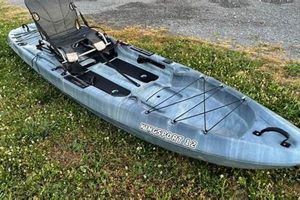
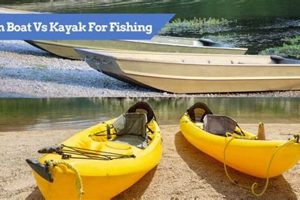
A fishing camp offering kayak rentals provides visitors with the opportunity to explore surrounding waterways independently. This service typically involves a fee-based arrangement where kayaks and related safety equipment are provided for a designated period. Such an amenity can enhance the overall recreational experience at a fishing camp, offering a different perspective on the natural environment and access to prime fishing spots.
Offering watercraft rentals can significantly enhance a fishing camp’s appeal, attracting a broader range of visitors beyond traditional anglers. It provides a low-impact way to experience the natural beauty of the area and can create additional revenue streams for the camp. Historically, fishing camps have evolved from basic lodging for anglers to destinations offering diverse recreational activities. Integrating rentals caters to this trend and contributes to the overall economic viability of such establishments.
Understanding the specific services, pricing, and available equipment is crucial for anyone planning a visit. This information allows potential visitors to make informed decisions and fully enjoy the opportunities available at a fishing camp equipped with watercraft rentals. Further exploration of these topics will provide a comprehensive overview of this aspect of the fishing camp experience.
Tips for a Successful Kayak Fishing Trip
Careful planning enhances the experience of kayak fishing. These tips provide guidance for a safe and productive outing.
Tip 1: Check Weather Conditions: Before embarking on a kayak fishing trip, consult weather forecasts for wind speed, precipitation, and temperature. Adverse weather can create hazardous conditions on the water.
Tip 2: Reserve Equipment in Advance: Kayak and equipment availability may be limited, especially during peak seasons. Advance reservations ensure access to desired equipment.
Tip 3: Dress Appropriately: Comfortable, moisture-wicking attire is recommended. Layering allows for adjustments based on fluctuating weather conditions. Consider bringing rain gear.
Tip 4: Prioritize Safety: Always wear a personal flotation device (PFD). Carry a whistle for signaling in case of emergencies. Inform someone of the planned fishing location and estimated return time.
Tip 5: Pack Essentials: A dry bag can protect valuables from water damage. Essential items include sunscreen, insect repellent, a first-aid kit, and plenty of drinking water.
Tip 6: Familiarize Oneself with Kayak Operation: If unfamiliar with kayak paddling techniques, consider a brief instructional session or practice in calm waters before venturing out.
Tip 7: Respect Wildlife and the Environment: Observe wildlife from a distance and avoid disturbing natural habitats. Pack out any trash and dispose of it properly.
Adhering to these guidelines promotes safety and enjoyment while kayak fishing, allowing for a more rewarding experience.
By following these tips, individuals can maximize their chances of a successful and enjoyable fishing trip while prioritizing safety and environmental responsibility.
1. Availability

Access to kayaks significantly impacts the overall experience at a fishing camp. Understanding rental availability is crucial for planning and ensuring a productive and enjoyable outing. Several factors influence kayak availability and should be considered before a visit.
- Seasonal Variations
Demand for kayaks often fluctuates with the time of year. Peak seasons, typically coinciding with warmer weather and holidays, may experience higher demand and limited availability. Conversely, the off-season often presents greater availability but may coincide with less favorable weather conditions. Planning around these seasonal variations is essential.
- Time of Day
Kayak availability can also vary throughout the day. Mornings are frequently popular launch times, potentially leading to reduced availability during these periods. Checking with the rental facility for real-time availability or reserving kayaks in advance can mitigate this issue.
- Group Size
Larger groups requiring multiple kayaks should inquire about availability well in advance. Securing a sufficient number of kayaks for larger parties requires more planning and coordination with the rental facility to avoid disappointment.
- Pre-booking and Reservations
Many rental facilities offer online or phone reservation systems. Reserving kayaks in advance guarantees availability, especially crucial during peak periods or for larger groups. Pre-booking eliminates the uncertainty of on-site availability checks and streamlines the rental process upon arrival.
Considering these factors related to kayak availability contributes to a smoother, more enjoyable experience. Advanced planning and communication with the rental facility optimize the chances of securing the necessary equipment and maximizing time on the water.
2. Pricing
Rental pricing significantly influences decision-making when selecting a kayak fishing experience. Understanding the various pricing structures, factors influencing cost, and available options at JBS Fish Camp allows for informed choices and budget management. A clear comprehension of pricing ensures a positive customer experience.
- Hourly Rates
Hourly rates provide flexibility for shorter outings. This option caters to individuals seeking a brief fishing excursion or those testing kayak fishing before committing to longer durations. Hourly rates typically involve a base fee per hour, allowing customers to tailor the rental period to their specific needs and budget.
- Half-Day/Full-Day Rates
Half-day and full-day rental rates cater to longer fishing trips. These packages often offer a more economical option compared to hourly rates for extended periods. They allow ample time to explore the waterways and enhance fishing opportunities. Distinguishing between these options allows customers to select the duration best suited to their fishing goals and available time.
- Multi-Day/Weekly Rates
Multi-day and weekly rentals benefit extended stays at the fish camp or individuals planning multiple fishing excursions. These packages generally offer discounted rates compared to shorter rental periods. They provide flexibility for exploring different fishing spots and maximizing time on the water throughout a longer stay. Understanding the cost savings associated with longer-term rentals helps optimize budget allocation for extended trips.
- Factors Influencing Pricing
Several factors can influence rental pricing, including kayak type (single, tandem, fishing kayak), included equipment (paddles, life vests, fishing gear), seasonal demand, and location. Premium kayaks equipped with specialized features often command higher rental fees. Understanding these influencing factors enables informed decision-making and clarifies the rationale behind pricing variations. This awareness empowers customers to select the kayak and equipment combination that aligns with their needs and budget.
Careful consideration of these pricing structures enables visitors to make informed choices aligned with their budget and desired fishing experience at JBS Fish Camp. Evaluating the various options based on duration, included equipment, and prevailing rates ensures cost-effectiveness and contributes to a positive overall experience.
3. Equipment Quality

Equipment quality directly impacts the safety and enjoyment of kayak rentals at any fishing camp. Well-maintained kayaks track properly, maneuver efficiently, and provide a stable platform for fishing. Damaged or poorly maintained kayaks can be difficult to control, potentially leading to capsizing or other safety hazards. Durable, comfortable seating and adjustable footrests contribute to a positive paddling experience, especially during longer outings. High-quality paddles, properly sized and constructed from lightweight materials, minimize fatigue and maximize paddling efficiency. Conversely, worn-out or damaged paddles can hinder performance and create discomfort. For example, a kayak with a cracked hull compromises buoyancy and safety, while a paddle with a splintered shaft can cause blisters and discomfort. The provision of appropriate safety equipment, such as properly fitting personal flotation devices (PFDs) in good condition, is non-negotiable.
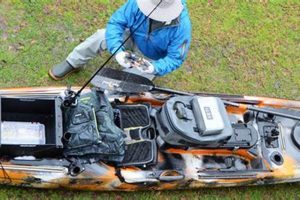
Investing in and maintaining high-quality equipment demonstrates a commitment to customer safety and satisfaction. Positive reviews and repeat business often follow when customers experience safe, enjoyable outings facilitated by reliable equipment. Conversely, negative experiences resulting from faulty equipment can damage a fishing camp’s reputation and deter future rentals. For instance, providing well-maintained fishing kayaks equipped with rod holders, anchor trolleys, and other specialized features enhances the fishing experience and attracts anglers seeking specialized equipment. Regular inspections and timely repairs of kayaks and related gear minimize the risk of equipment failure and contribute to a positive customer experience. Furthermore, offering a variety of kayak sizes and styles caters to diverse needs and preferences, further enhancing customer satisfaction.
Prioritizing equipment quality is essential for fishing camps offering kayak rentals. It directly correlates with customer safety, enjoyment, and overall satisfaction, ultimately influencing the success and reputation of the rental operation. Addressing potential challenges related to equipment maintenance and replacement proactively ensures a positive experience for renters and safeguards their well-being on the water. This commitment to quality builds trust and fosters a positive relationship with customers, contributing to the long-term success of the kayak rental service.
4. Safety Measures

Safety measures are integral to a responsible kayak rental operation, particularly within the context of a fishing camp environment like JBS Fish Camp. These measures directly influence customer well-being and contribute significantly to the overall success and reputation of the rental service. A comprehensive approach to safety encompasses several key components. Providing appropriate safety equipment, such as personal flotation devices (PFDs) and signaling whistles, is paramount. Ensuring PFDs are available in various sizes to fit all renters and are in good condition is essential. Staff training on emergency procedures and water safety protocols contributes to effective responses to potential incidents. Clear communication of safety guidelines to renters, including weather advisories, navigation rules, and emergency contact information, empowers informed decision-making and responsible behavior on the water. For example, providing a map highlighting potential hazards such as shallow areas or strong currents enhances renter awareness. Regular inspections and maintenance of rental kayaks identify and address potential safety issues before they escalate. Addressing a small crack in a kayak hull promptly prevents a more serious incident later. Offering basic paddling instruction or recommending guided tours for inexperienced kayakers mitigates risks associated with unfamiliarity with the equipment and waterways.
Neglecting safety measures can lead to accidents, injuries, and negative publicity, potentially damaging the reputation of the fish camp. A capsizing incident resulting from a faulty PFD can have serious consequences, impacting both the individual involved and the perception of the rental operation. Conversely, a robust safety program fosters customer trust and confidence, contributing to positive reviews and repeat business. When renters feel safe and secure, they are more likely to enjoy their experience and recommend the service to others. Implementing a comprehensive safety program may require initial investment and ongoing effort, but these costs are significantly outweighed by the potential benefits of accident prevention, enhanced customer satisfaction, and a positive brand image. Furthermore, adhering to safety regulations and best practices minimizes legal liabilities and insurance costs, contributing to the long-term sustainability of the business.
In conclusion, prioritizing safety measures is not merely a best practice but a fundamental requirement for a reputable and successful kayak rental operation at JBS Fish Camp. A proactive approach to safety, encompassing equipment provision, staff training, clear communication, and regular maintenance, demonstrates a commitment to customer well-being and fosters a positive rental experience. This commitment not only protects renters but also enhances the reputation of the fishing camp and contributes to its long-term success. Addressing safety concerns comprehensively and proactively is an investment that yields substantial returns in terms of customer satisfaction, positive public perception, and the overall sustainability of the kayak rental service.
5. Rental Policies
Rental policies govern the terms and conditions under which kayaks are hired at JBS Fish Camp. These policies serve to protect both the rental operation and the customer, ensuring a clear understanding of expectations and responsibilities. Well-defined rental policies contribute significantly to a smooth and transparent rental process, minimizing potential disputes and enhancing customer satisfaction. They address crucial aspects such as rental duration, payment methods, cancellation procedures, equipment responsibility, and liability waivers. For example, a rental policy might stipulate that kayaks must be returned by a specific time, outline acceptable forms of payment, and detail the process for cancellations due to inclement weather. Furthermore, policies regarding equipment damage or loss protect the rental operation from undue financial burden, while liability waivers clarify the responsibilities of both parties in case of accidents.
The clarity provided by comprehensive rental policies fosters a positive customer experience. Knowing the terms and conditions beforehand allows customers to make informed decisions and avoid unexpected charges or misunderstandings. For instance, a clear policy outlining fuel charges for motorized kayaks prevents confusion and ensures transparency. Furthermore, well-defined procedures for handling equipment malfunctions or emergencies provide customers with a sense of security and confidence in the rental operation. Conversely, ambiguous or poorly communicated rental policies can lead to customer dissatisfaction, disputes, and negative reviews, potentially impacting the reputation of JBS Fish Camp. A lack of clarity regarding cancellation fees, for example, can create frustration and damage customer relationships. Therefore, accessible and easily understandable rental policies are essential for a positive customer experience and contribute to the overall success of the kayak rental service.
In summary, rental policies play a crucial role in the effective operation of JBS Fish Camp’s kayak rental service. They provide a framework for a transparent and mutually beneficial agreement between the rental operation and the customer. Well-defined policies protect both parties, minimize potential conflicts, and contribute significantly to customer satisfaction. Clear communication of these policies, including addressing potential scenarios such as late returns or equipment damage, builds trust and fosters a positive rental experience. Ultimately, comprehensive and transparent rental policies are essential for the smooth operation and long-term success of the kayak rental service at JBS Fish Camp.
Frequently Asked Questions
This FAQ section addresses common inquiries regarding kayak rentals at a fishing camp, providing clarity for potential visitors.
Question 1: What are typical operating hours for kayak rentals?
Rental hours vary by establishment but generally align with daylight hours, often extending from early morning until dusk. Confirming specific operating hours with the chosen fishing camp is recommended.
Question 2: Are reservations required for kayak rentals?
While not always mandatory, reservations are strongly encouraged, especially during peak seasons, holidays, and weekends. Reserving ensures kayak availability upon arrival.
Question 3: What is the typical rental duration for a kayak?
Rental durations are flexible, often offered on an hourly, half-day, full-day, or multi-day basis. Options vary by establishment; confirming available durations with the specific fishing camp is advised.
Question 4: What safety equipment is provided with kayak rentals?
Standard safety equipment typically includes a personal flotation device (PFD) and a whistle. Some establishments may provide additional safety gear. Confirming provided equipment with the selected fishing camp is recommended.
Question 5: What is the typical cost to rent a kayak?
Rental costs vary based on factors such as kayak type, rental duration, included equipment, and seasonal demand. Contacting the fishing camp directly for specific pricing information is recommended.
Question 6: What are the cancellation policies for kayak rentals?
Cancellation policies vary by establishment and may depend on the timing of the cancellation. Inquiring about specific cancellation policies with the chosen fishing camp is essential.
Reviewing these FAQs provides essential information for planning a kayak fishing trip. Directly contacting the fishing camp for specific details pertinent to individual needs and circumstances is always advisable.
For further details or specific inquiries, please consult the JBS Fish Camp website or contact their staff directly.
JBS Fish Camp Kayak Rental
Exploration of JBS Fish Camp kayak rental services reveals key aspects impacting visitor experiences. Availability, influenced by seasonal variations and pre-booking options, necessitates careful planning. Pricing structures, encompassing hourly, daily, and multi-day rates, accommodate diverse budgets and trip durations. Equipment quality and comprehensive safety measures underscore a commitment to customer well-being. Clearly defined rental policies ensure transparency and facilitate a smooth rental process. Understanding these components allows for informed decision-making and enhances the overall experience.
Successful integration of kayak rentals within a fishing camp environment hinges on meticulous attention to detail. Balancing customer demand with resource availability requires ongoing assessment. Prioritizing equipment maintenance and safety protocols ensures positive experiences and fosters customer trust. Ultimately, a well-managed kayak rental service enhances recreational opportunities and contributes to the overall success of the fishing camp. Careful consideration of these factors positions JBS Fish Camp to provide a rewarding and memorable kayak fishing experience.