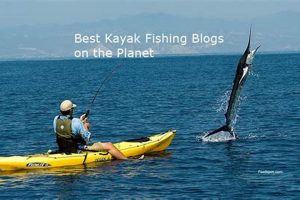
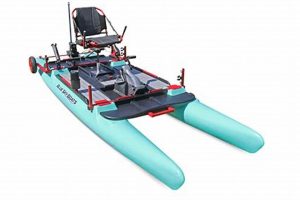
The pursuit of large game species from a kayak presents unique challenges and rewards within the sport of angling. This specialized approach requires specific tackle, techniques, and safety considerations adapted to the smaller, more maneuverable platform of a kayak. For example, landing a large tuna or marlin from a kayak demands specialized equipment like heavy-duty rods, reels, and specialized fighting harnesses.
This approach to angling offers a closer connection to the water and often provides access to shallow, secluded areas unreachable by larger boats. It demands a high degree of skill and planning but delivers a more intimate and exhilarating angling experience. Historically, kayaks were employed for subsistence fishing, but their modern adaptation for sport fishing has become increasingly popular due to the affordability and portability of kayaks, coupled with the thrill of challenging larger fish from a small craft.
The following sections will delve into critical aspects of targeting large fish species from a kayak, including appropriate kayak selection, essential gear and tackle, proven fishing techniques, and vital safety precautions.
Tips for Targeting Large Fish from a Kayak
Successfully landing trophy fish from a kayak requires careful planning and execution. The following tips offer valuable insights into maximizing success and ensuring safety.
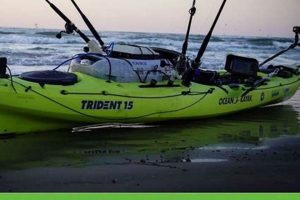
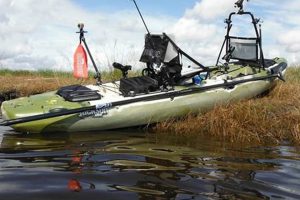
Tip 1: Choose the Right Kayak: Kayak stability and size are paramount. Longer, wider kayaks offer greater stability, especially crucial when battling powerful fish. Consider sit-on-top kayaks for their self-bailing capabilities and ease of re-entry in case of capsize.
Tip 2: Utilize Specialized Equipment: Heavy-duty rods, reels, and lines designed for larger species are essential. A fishing kayak with rod holders, anchor systems, and storage compartments enhances organization and efficiency.
Tip 3: Master Essential Techniques: Proper paddling techniques, efficient casting, and effective fish fighting strategies are crucial for success and conservation. Learning to position the kayak strategically maximizes leverage during a fight.
Tip 4: Prioritize Safety: Always wear a personal flotation device (PFD). Carry a signaling device, such as a whistle or flare, and inform someone of your fishing plans, including location and expected return time.
Tip 5: Understand Fish Behavior: Research target species’ habits, preferred habitats, and feeding patterns. This knowledge improves the chances of locating and hooking larger specimens.
Tip 6: Practice Proper Catch and Release: Employ appropriate handling techniques to minimize stress on the fish. Use circle hooks to reduce the chance of deep hooking and revive exhausted fish before release.
Tip 7: Check Local Regulations: Adhere to all local fishing regulations, including licensing requirements, size limits, and catch restrictions.
By adhering to these guidelines, anglers can significantly enhance their chances of a successful and safe experience targeting large fish from a kayak, while promoting conservation efforts.
The information presented here provides a solid foundation for embarking on this exciting angling pursuit. Remember that continuous learning and adaptation are essential for maximizing success and enjoyment on the water.
1. Stable Kayak Selection

Landing a large fish from a kayak presents unique challenges regarding stability. Choosing a stable kayak platform is paramount for success and safety when targeting powerful species. A stable kayak provides the angler with a secure foundation for casting, fighting, and landing fish, minimizing the risk of capsize. This is especially critical when dealing with larger fish that exert significant force, requiring precise maneuvering and leverage.
- Hull Design and Stability
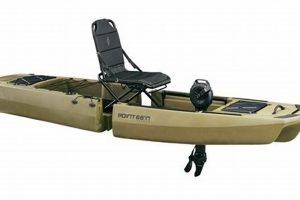
Kayak hull design directly influences stability. Wider, flatter hulls offer primary stability, providing a secure feeling at rest. Longer kayaks generally track better, reducing the tendency to turn. A “pontoon-style” hull, for example, is inherently stable, while a “V-hull” design, optimized for speed, sacrifices some stability. For big game fishing, a wider hull designed for stability is preferable, even at the expense of some speed.
- Kayak Length and Capacity
Longer kayaks tend to handle larger waves and chop better, providing a more stable platform in rough conditions often encountered offshore. Additionally, a kayak’s weight capacity should exceed the combined weight of the angler, gear, and potential catch. This ensures adequate freeboard and prevents the kayak from sitting too low in the water, further enhancing stability. A kayak with a higher weight capacity provides a greater margin of safety when battling large, powerful fish.
- Sit-on-Top vs. Sit-Inside Kayaks
Sit-on-top kayaks offer inherent advantages for stability when fishing for large species. Their open design allows for quick and easy re-entry in case of a capsize, a crucial safety consideration. Sit-inside kayaks, while offering a drier ride, can be more challenging to re-enter after a capsize, especially when battling a large fish. The self-bailing feature of sit-on-tops also contributes to stability by preventing water accumulation from destabilizing the craft.
- Impact of Gear and Movement
The distribution of gear within the kayak influences stability. Keeping weight low and centered improves balance. Sudden movements, such as aggressive casting or shifting body weight, can compromise stability. Practicing casting and maneuvering within the kayak beforehand enhances stability awareness and helps anglers develop a sense of balance specifically relevant to their kayak and gear setup. Understanding the kayaks center of gravity is crucial for maintaining stability, especially when fighting a fish that pulls from various angles.
Choosing a kayak optimized for stability is fundamental to success in targeting large fish. A stable platform provides the angler with the confidence and control necessary to manage powerful fish effectively while minimizing the risk of capsize. Consideration of hull design, length, capacity, kayak type, and gear distribution contribute to a safe and enjoyable angling experience.
2. Heavy-duty Tackle

Targeting large fish species from a kayak necessitates specialized, heavy-duty tackle capable of withstanding the powerful runs and challenging fights these fish present. The selection and application of appropriate tackle directly influence the angler’s ability to successfully hook, control, and land these formidable opponents. A comprehensive understanding of the components and their function is essential for optimizing performance and ensuring angler safety.
- Rods
Heavy-duty rods designed for offshore fishing are typically constructed from high-strength materials like graphite or fiberglass composites. These rods possess greater lifting power and backbone to handle the strain of large fish. Rod length and action are also critical considerations. Longer rods provide increased leverage, while an appropriate action, such as a fast or extra-fast taper, allows for effective hooksets and control during the fight. A 7-foot heavy-action rod paired with a high-capacity reel provides the necessary strength and leverage for battling large pelagic species.
- Reels
High-capacity reels, specifically designed for saltwater fishing, are essential for handling larger fish. These reels feature robust drag systems capable of applying consistent pressure throughout the fight. A high line capacity allows for extended runs, while a smooth drag prevents line breakage. Lever drag reels offer precise drag adjustment during intense fights. Spinning reels with sealed drag systems prevent saltwater intrusion, ensuring smooth operation even in challenging conditions. A reel spooled with 50-pound braided line provides ample capacity and strength for targeting larger fish.
- Line and Leader
Braided lines offer superior strength and sensitivity compared to monofilament, allowing for greater control and detection of subtle bites. Heavy-duty braided lines with breaking strengths exceeding 50 pounds are often necessary for targeting large fish. A fluorocarbon leader provides abrasion resistance and near-invisibility, increasing the chances of a successful hookup. Using a 100-pound fluorocarbon leader provides added security against sharp teeth and abrasive structures.
- Terminal Tackle
Terminal tackle, including hooks, swivels, and crimps, must be equally robust. Heavy-duty hooks designed for larger species are constructed from strong materials and feature wider gaps to ensure secure hooksets. High-strength swivels and crimps prevent line failure under pressure. Using appropriately sized circle hooks minimizes injury to the fish and promotes successful catch and release practices. Heavy-duty snaps and swivels ensure secure connections between the leader and fishing line.
The strategic selection and application of heavy-duty tackle significantly contributes to success and safety when kayak fishing for large species. Matching the tackle to the target species and the fishing environment empowers anglers to effectively manage powerful fish, maximizing the chances of a successful and memorable angling experience. Investing in quality, heavy-duty tackle is an investment in the safety and success of the angler pursuing large game fish from a kayak.
3. Strategic Fishing Locations
Locating productive fishing grounds is paramount to success when targeting large fish species from a kayak. Strategic location selection directly influences the probability of encountering target species. Factors such as water depth, structure, currents, and baitfish presence dictate where larger predatory fish congregate. Understanding these factors and their interplay allows anglers to identify high-potential areas, maximizing fishing time and increasing the likelihood of a successful encounter. For example, offshore reefs, drop-offs, and areas with significant upwelling often attract baitfish, subsequently drawing in larger pelagic species like tuna and marlin. Similarly, nearshore structures like rock formations, submerged wrecks, and areas with converging currents can hold large ambush predators such as grouper and snapper.
Kayaks offer unique advantages in accessing areas often inaccessible to larger vessels. Shallow-water flats, backwater estuaries, and protected bays can hold surprisingly large fish, yet remain beyond the reach of traditional powerboats. Leveraging a kayak’s maneuverability and shallow draft allows anglers to exploit these often-overlooked locations, increasing opportunities for targeting large inshore species. Exploring these less-pressured environments can yield impressive results. For instance, navigating shallow mangrove forests or exploring oyster beds can lead to encounters with large redfish or snook, capitalizing on the kayak’s ability to operate effectively in confined areas.
Strategic fishing location selection, combined with the kayak’s inherent advantages, significantly improves the odds of encountering large fish. Utilizing online resources, local fishing reports, and nautical charts aids in identifying promising locations. Observing bird activity, baitfish schools, and changes in water color further refines location selection while on the water. Integrating these strategies optimizes fishing effort, increasing the likelihood of a successful and rewarding kayak fishing experience focused on targeting large game species. Ultimately, effective location selection minimizes unproductive fishing time and maximizes opportunities for connecting with trophy fish, making it a critical element for success in this specialized angling pursuit.
4. Effective Fighting Techniques
Landing large fish from a kayak demands specialized fighting techniques distinct from those employed on larger vessels. The angler’s limited stability and the kayak’s maneuverability introduce unique challenges and opportunities. Effective fighting techniques maximize angler advantage while minimizing risk, contributing significantly to successful outcomes and ensuring both fish and angler safety.
- Leverage and Positioning
Maintaining proper leverage and kayak position is crucial when battling powerful fish. Anglers must position the kayak strategically, using paddle strokes to maintain an optimal angle to the fish. This maximizes pressure while minimizing the risk of line breakage or capsize. For instance, angling the kayak slightly into the fish’s run allows the rod to absorb shock and maintain pressure without excessive strain on the line. Conversely, allowing the fish to pull the kayak sideways significantly reduces the angler’s leverage and increases the risk of capsize.
- Drag Management
Precise drag management is essential for controlling large fish from a kayak. A properly adjusted drag system allows line to be released under pressure, preventing breakage during powerful runs. Anglers must constantly monitor and adjust the drag throughout the fight, balancing pressure with the need to prevent overstressing the line or tackle. For example, increasing drag slightly during a lull in the fight applies additional pressure, while quickly loosening the drag during a sudden, powerful run prevents line failure. A well-maintained drag system is crucial for success when battling large, energetic fish.
- Rod Handling and Pumping
Effective rod handling techniques, such as proper pumping and reeling, maximize pressure and control during the fight. Lifting the rod smoothly and then lowering it while simultaneously reeling retrieves line efficiently and keeps constant pressure on the fish. Short, controlled pumps are more effective from a kayak than long, sweeping motions that can compromise stability. Maintaining a bent rod throughout the fight maximizes pressure and reduces the chance of the hook pulling loose. Smooth, controlled movements are essential for effective rod handling and maintaining balance within the kayak.
- Fatigue Management
Fighting large fish can be physically demanding, especially from the confined space of a kayak. Anglers must conserve energy and maintain focus throughout potentially long fights. Proper hydration and pacing oneself are crucial for avoiding fatigue and maintaining control. Utilizing a fighting belt or harness distributes pressure and reduces strain on the angler’s back and arms, significantly aiding in fatigue management during prolonged battles. Maintaining physical stamina increases the likelihood of a successful outcome, especially when battling large, stubborn fish.
Mastering effective fighting techniques is essential for success when kayak fishing for large species. These techniques, adapted specifically to the challenges and opportunities presented by the kayak platform, significantly increase the angler’s ability to control and land powerful fish while prioritizing both safety and conservation. Combining strategic kayak positioning, precise drag management, effective rod handling, and fatigue management principles empowers anglers to confidently tackle challenging fights and maximize their chances of success.
5. Comprehensive Safety Measures

Comprehensive safety measures are paramount when kayak fishing for large species. The dynamic nature of this pursuit, combined with the inherent risks of open water and the challenges posed by powerful fish, necessitates a proactive and multifaceted approach to safety. A lapse in safety protocols can quickly escalate into a dangerous situation, particularly when anglers are engaged with large, energetic fish far from shore. For example, a sudden, powerful run from a large fish could easily capsize a kayak if the angler is not properly prepared and equipped. Similarly, an angler hooked to a large fish may be pulled considerable distances offshore, increasing the importance of communication devices and emergency signaling equipment.
Several key safety measures significantly mitigate risks. Wearing a personal flotation device (PFD) is non-negotiable. A PFD provides essential buoyancy in case of capsize, particularly critical when battling a large fish that may restrict movement. Carrying a reliable communication device, such as a VHF radio or a waterproof cell phone in a floating case, allows for communication with shore or other vessels in case of emergency. A signaling device, such as a whistle, air horn, or flares, further enhances the ability to attract attention if assistance is required. Informing someone onshore of fishing plans, including location and expected return time, is another crucial precaution. This ensures that someone is aware of the angler’s whereabouts and can initiate a search if necessary. Checking weather forecasts before embarking on a fishing trip and avoiding conditions unsuitable for kayak fishing are equally important for preventing hazardous situations.
Implementing these comprehensive safety measures transforms kayak fishing for large species from a potentially hazardous activity into a manageable and enjoyable pursuit. Prioritizing safety not only protects the angler but also facilitates a more focused and confident fishing experience. This proactive approach allows anglers to concentrate on the challenge at hand, maximizing the enjoyment and success of their pursuit. Consistent adherence to these safety protocols underscores a responsible and respectful approach to the sport, fostering a sustainable and safe environment for all kayak anglers targeting large game fish.
6. Proper Fish Handling

Proper fish handling techniques are essential for ensuring the survival of released fish, particularly large species targeted in kayak fishing. The physical stress exerted on fish during capture, combined with the challenges of handling them within the confined space of a kayak, necessitates specialized techniques. Minimizing handling time and reducing physical trauma contributes significantly to post-release survival rates. This consideration is especially critical for large fish, which often endure prolonged fights and require careful management during the handling and release process.
- Minimizing Air Exposure
Minimizing the duration a fish spends out of water is crucial for its survival. Air exposure disrupts the delicate gill filaments and impairs respiration. Keeping the fish submerged as much as possible during hook removal and handling significantly reduces stress and promotes recovery. For example, using a lip grip to secure the fish while keeping it in the water allows for efficient hook removal without excessive air exposure. In situations where weighing or photographing the fish is desired, these activities should be executed quickly and efficiently, returning the fish to the water as soon as possible.
- Supporting the Fish
Large fish require adequate support during handling to prevent injury. Their weight, combined with the potential for struggling, can cause internal damage if not handled carefully. Supporting the fish’s body weight with both hands, particularly for larger species, minimizes stress and reduces the risk of spinal or organ damage. Avoiding squeezing or applying pressure to sensitive areas, such as the gills or abdomen, further contributes to the fish’s well-being. Using a landing net or cradle for very large fish provides additional support and minimizes handling stress, especially in a kayak where space is limited.
- Efficient Hook Removal
Swift and efficient hook removal minimizes trauma and reduces handling time. Using appropriate tools, such as long-nosed pliers or dehookers, allows for quick and safe hook extraction. Barbless hooks or hooks with crushed barbs further facilitate easy removal, minimizing damage to the fish’s mouth and surrounding tissues. In cases where the hook is deeply embedded, cutting the line close to the hook may be the best option to minimize further injury. Practicing hook removal techniques on smaller fish beforehand enhances efficiency and preparedness when handling larger, more challenging species.
- Revival and Release
Large fish often require revival after strenuous fights. Holding the fish upright in the water, facing into the current or gently moving it back and forth, facilitates oxygen uptake and recovery. Ensuring the fish is fully revived before release maximizes its chances of survival. Signs of revival include strong fin movements and steady respiration. Releasing the fish in calm, oxygenated water further promotes recovery. Avoid releasing fish in shallow or turbulent water where they may be vulnerable to predators or further stress. Patience and careful observation are crucial for ensuring a successful release and maximizing post-release survival.
Proper fish handling techniques are integral to responsible kayak fishing for large species. Minimizing stress and maximizing post-release survival contribute to the conservation of these valuable resources. By employing these specialized techniques, anglers ensure the long-term health and sustainability of the fishery while enjoying the challenge and excitement of targeting large game fish from a kayak. Respectful handling practices reflect a commitment to ethical angling and a dedication to preserving the sport for future generations.
7. Respectful Catch and Release
Respectful catch and release practices are integral to the sustainability of kayak fishing for large species. These techniques minimize stress and maximize post-release survival, contributing to the long-term health of fish populations and preserving the sport for future generations. The inherent challenges of handling large fish from a kayak necessitate specialized approaches that prioritize fish welfare while ensuring angler safety. For example, a large, powerful fish struggling beside a kayak can easily capsize the vessel if not handled carefully and efficiently. Similarly, prolonged air exposure or improper handling techniques can significantly reduce a fish’s chances of survival after release.
- Minimizing Handling Time
Reducing the duration of fish handling is crucial for minimizing stress and promoting post-release survival. Efficient hook removal, utilizing appropriate tools and techniques, minimizes air exposure and physical trauma. Avoiding unnecessary handling, such as excessive weighing or photographing, further reduces stress on the fish. Prioritizing a quick and efficient release allows the fish to return to its natural environment with minimal disruption and maximizes its chances of recovery. This principle is especially critical for large fish, which are more susceptible to stress and require careful handling to ensure their well-being.
- Using Appropriate Gear
Utilizing appropriate gear plays a crucial role in respectful catch and release. Barbless hooks or hooks with crushed barbs significantly reduce tissue damage and facilitate easier removal, minimizing injury to the fish. Using heavier tackle appropriate for the target species shortens fight times, reducing stress and fatigue on the fish. A landing net or cradle, especially for larger species, provides additional support during handling and minimizes the risk of dropping or injuring the fish. Investing in quality gear specifically designed for catch and release demonstrates a commitment to responsible angling and enhances the overall effectiveness of conservation efforts.
- Handling with Care
Handling fish with care is essential for minimizing physical trauma and promoting survival. Supporting the fish’s body weight with both hands, particularly for larger species, prevents internal injuries and reduces stress. Avoiding contact with sensitive areas, such as the gills or eyes, further minimizes harm. Using wet hands or gloves when handling fish prevents the removal of their protective slime coat, which acts as a barrier against infection and parasites. Gentle handling techniques demonstrate respect for the fish and contribute significantly to their post-release health and survival.
- Reviving Exhausted Fish
Reviving exhausted fish before release is crucial for maximizing their chances of survival, especially after prolonged fights. Holding the fish upright in the water, facing into the current, allows oxygenated water to flow over its gills, aiding in recovery. Gently moving the fish back and forth can further assist in oxygen uptake and stimulate respiration. Patience and careful observation are crucial during the revival process, ensuring the fish is fully recovered before release. Signs of revival include strong fin movements and a steady breathing rate. Releasing the fish in calm, oxygenated water further promotes recovery and minimizes the risk of predation or further stress.
Respectful catch and release practices are fundamental to the ethical and sustainable pursuit of kayak fishing for large species. These techniques, adapted to the specific challenges of handling large fish from a kayak, demonstrate a commitment to conservation and ensure the long-term health of fish populations. By prioritizing fish welfare and employing responsible angling practices, kayak anglers contribute to the preservation of the sport and ensure its enjoyment for future generations. The continued success of kayak fishing for large species relies heavily on the widespread adoption and consistent application of these essential principles.
Frequently Asked Questions
This section addresses common inquiries regarding the pursuit of large fish from a kayak, offering concise and informative responses to clarify potential uncertainties and promote best practices.
Question 1: What type of kayak is best suited for targeting large fish?
Longer, wider, and more stable kayaks, particularly sit-on-top models, are recommended. Enhanced stability is crucial for managing larger fish and mitigating the risk of capsize. Adequate weight capacity ensures sufficient freeboard and prevents the kayak from sitting too low in the water, further enhancing stability.
Question 2: What specialized gear is essential for kayak fishing for large species?
Heavy-duty rods, reels, and lines designed for larger species are essential. High-capacity reels with robust drag systems are crucial for managing powerful runs. Strong braided lines with appropriate leader material offer the necessary strength and abrasion resistance. A fishing kayak equipped with rod holders, anchor systems, and ample storage enhances organization and efficiency.
Question 3: How can anglers locate productive fishing grounds for large fish from a kayak?
Researching target species’ habits, preferred habitats, and feeding patterns is essential. Utilizing online resources, local fishing reports, and nautical charts aids in identifying promising locations. Observing bird activity, baitfish schools, and changes in water color further refines location selection while on the water. Kayaks offer unique access to shallow areas often unreachable by larger boats, expanding potential fishing grounds.
Question 4: What safety precautions are essential when kayak fishing for large fish?
Wearing a personal flotation device (PFD) is paramount. Carrying a reliable communication device, such as a VHF radio or waterproof cell phone, is essential for emergencies. Signaling devices, like whistles or flares, further enhance safety. Informing someone of fishing plans, including location and expected return time, is a crucial precaution. Checking weather forecasts and avoiding unsuitable conditions is paramount.
Question 5: How should large fish be handled to maximize post-release survival?
Minimizing handling time and air exposure are crucial. Supporting the fish’s body weight and avoiding contact with sensitive areas reduce stress and prevent injury. Using appropriate tools for efficient hook removal minimizes trauma. Reviving exhausted fish before release by holding them upright in the water, facing into the current, promotes recovery and maximizes survival rates.
Question 6: Why is catch and release important for the sustainability of large fish populations?
Catch and release helps conserve fish populations by allowing more fish to reproduce and contribute to the overall health of the ecosystem. Selective harvest of smaller fish within legal limits, combined with the release of larger breeding individuals, promotes sustainable population dynamics. This approach ensures the long-term viability of the fishery and preserves angling opportunities for future generations.
Prioritizing safety, employing effective fishing techniques, and adhering to responsible angling practices contribute significantly to a successful and sustainable kayak fishing experience when targeting large species. Continuous learning and adaptation remain crucial for maximizing success and promoting the conservation of these valuable resources.
For further exploration of specific techniques and advanced strategies, consult dedicated resources on kayak fishing and large game species targeting.
Kayak Fishing Big Fish
Targeting large fish species from a kayak presents unique challenges and rewards within the sport of angling. Success requires careful consideration of kayak selection, specialized tackle, strategic fishing locations, effective fighting techniques, and comprehensive safety measures. Proper fish handling and respectful catch-and-release practices are essential for conservation and ensure the long-term sustainability of these valuable resources. The information presented provides a foundational understanding of the key elements contributing to a successful and rewarding experience.
The pursuit of large fish from a kayak offers an intimate connection with the aquatic environment and the thrill of challenging powerful adversaries. Continued learning, adaptation, and adherence to ethical angling practices will ensure the future of this exciting and demanding pursuit, preserving the delicate balance between angler, fish, and environment.