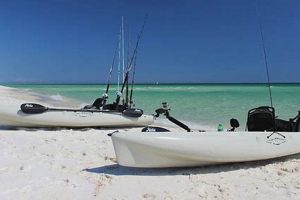
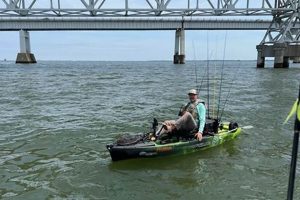
Paddling a kayak and engaging in angling activities presents a unique blend of physical exertion and outdoor recreation. This pursuit often involves repetitive motions like paddling, casting, and reeling, as well as less frequent but more strenuous actions such as launching and landing the kayak, and battling strong fish. For example, maneuvering a kayak in flowing water or against wind resistance demands considerable upper body strength and endurance. Similarly, the act of reeling in a large fish can engage core and leg muscles for stability.
The physical demands inherent in this combination of activities provide numerous health advantages. It offers a low-impact cardiovascular workout, builds strength and endurance in key muscle groups, and enhances balance and coordination. Historically, kayaks have been used for fishing by various cultures, demonstrating a practical application of this method for both sustenance and physical activity. Modern lightweight kayaks and specialized fishing gear have increased the accessibility and popularity of this rewarding pursuit.
This article will further explore relevant topics, including recommended stretches and exercises for anglers, techniques for efficient paddling and casting from a kayak, safety considerations specific to this activity, and the selection of appropriate gear and equipment.
Tips for Effective Paddling and Angling
Maximizing efficiency and enjoyment on the water requires attention to several key aspects of paddling and angling techniques. The following tips offer guidance for improving performance and safety.
Tip 1: Pre-Trip Physical Conditioning: Regular exercise focusing on core strength, back muscles, and shoulder endurance is crucial. Activities like swimming, weight training, and yoga can significantly enhance on-the-water performance and reduce the risk of injury.
Tip 2: Proper Paddling Technique: Utilizing core muscles rather than just arms minimizes fatigue and maximizes power. A high-angle paddle stroke is generally more efficient for shorter distances and maneuvering, while a low-angle stroke is better suited for covering longer distances.
Tip 3: Efficient Casting Techniques: Practicing casting from a seated position on stable ground before venturing onto the water is highly recommended. Short, controlled casts are often more effective and safer than long casts from a kayak.
Tip 4: Balanced Kayak Setup: Weight distribution within the kayak plays a critical role in stability. Evenly distributing gear and maintaining a low center of gravity enhances balance and maneuverability.
Tip 5: Understanding Water Conditions: Wind, currents, and tides can significantly impact paddling effort and safety. Checking weather forecasts and familiarizing oneself with local water conditions before heading out is essential.
Tip 6: Essential Safety Precautions: Wearing a personal flotation device (PFD) is paramount. Carrying a communication device, informing someone of the planned fishing location, and being aware of potential hazards such as boat traffic and changing weather are also critical safety measures.
Tip 7: Respectful Angling Practices: Adhering to catch-and-release guidelines when appropriate helps preserve fish populations. Proper disposal of fishing line and other waste minimizes environmental impact.
By implementing these tips, individuals can enhance their paddling and angling experience, improve safety, and contribute to the preservation of the natural environment.
This information serves as a foundation for a fulfilling and sustainable approach to combining paddling and fishing. Further exploration of specialized techniques and equipment can further refine skills and enjoyment.
1. Paddling Endurance

Paddling endurance forms a cornerstone of the kayak fishing experience. It directly influences the distance achievable, the ability to navigate varying water conditions, and the overall energy expenditure during a fishing trip. Cause and effect are clearly linked: greater paddling endurance translates to a broader range of fishing opportunities and reduced fatigue. For instance, an angler with limited endurance might be confined to calm, sheltered waters and shorter trips, while someone with high endurance can explore more distant locations, handle challenging currents, and fish for longer durations. This underscores the importance of paddling endurance as a fundamental component of successful and enjoyable kayak fishing.
Consider a scenario where an angler hooks a large fish several miles from the launch point. Without sufficient paddling endurance, returning with the catch becomes a strenuous, potentially risky endeavor. Conversely, strong paddling endurance provides the stamina and control necessary to manage the fish, navigate back safely, and conserve energy for the remainder of the trip. Furthermore, paddling against strong headwinds or currents demands considerable endurance. Without it, progress becomes slow and arduous, potentially leading to premature fatigue and a shortened fishing trip. In contrast, developed endurance allows anglers to navigate these conditions effectively, maximizing fishing time and minimizing physical strain. This highlights the practical significance of understanding and developing paddling endurance.
In summary, paddling endurance is not simply a physical attribute but a key enabler in kayak fishing. It expands access to fishing grounds, enhances safety margins, and directly impacts the overall quality of the experience. Addressing this aspect through targeted training and conditioning is crucial for anyone seeking to maximize their enjoyment and success in kayak fishing. This understanding lays the groundwork for further exploration of specific training techniques and strategies for improving paddling endurance, contributing to a more comprehensive understanding of the sport.
2. Casting and Reeling

Casting and reeling, while seemingly simple actions, represent integral components of the kayak fishing experience, contributing significantly to both its physical demands and overall success. The biomechanics of these motions, particularly when performed repeatedly from a seated position, engage specific muscle groups, including those in the shoulders, back, arms, and core. Effective casting requires controlled movements and precise timing, demanding coordination and balance within the confines of the kayak. Similarly, reeling, especially when battling a strong fish, can exert considerable force on these muscles, requiring strength and endurance. The cumulative effect of these repetitive actions over the course of a fishing trip constitutes a notable form of exercise, impacting physical exertion levels and influencing overall performance.
Consider the scenario of an angler targeting fish in a structure-rich environment. Frequent and accurate casts are essential for reaching promising locations, necessitating repeated exertion of the relevant muscle groups. The physical demands increase further when a fish is hooked, as reeling against resistance requires significant strength and endurance. Moreover, the stability and balance of the kayak itself become critical factors influencing casting and reeling effectiveness. A stable platform allows for controlled movements and efficient power transfer, while an unstable kayak hinders casting accuracy and compromises the angler’s ability to manage a hooked fish effectively. These interconnected factors highlight the practical significance of understanding the biomechanics and physical demands associated with casting and reeling in the context of kayak fishing.
In summary, casting and reeling contribute significantly to the physical dimension of kayak fishing. These actions engage specific muscle groups, demand coordination and balance, and can exert considerable force, particularly when battling strong fish. Understanding these demands allows for targeted conditioning, improved technique, and ultimately, a more successful and enjoyable kayak fishing experience. This understanding provides a foundation for further exploration of specific casting and reeling techniques optimized for kayak fishing, as well as strategies for minimizing physical strain and maximizing performance.
3. Kayak Maneuvering
Kayak maneuvering represents a crucial aspect of kayak fishing, directly impacting both the physical demands and overall effectiveness of the activity. Precise boat control is essential for navigating various water conditions, approaching target fishing zones stealthily, and maintaining an optimal position for casting and reeling. This necessitates a combination of paddling techniques, body positioning, and an understanding of how the kayak responds to wind, current, and other environmental factors. The physical effort required for maneuvering varies depending on the specific conditions, ranging from subtle adjustments in calm water to strenuous paddling against strong currents or wind. Cause and effect are clearly linked: proficient maneuvering translates to greater fishing success and reduced physical strain, while poor maneuvering limits access to prime fishing spots and can lead to increased exertion and potential safety risks.
Consider navigating a narrow, winding creek choked with submerged logs and overhanging branches. Precise paddle strokes and body adjustments are essential for avoiding obstacles and maintaining forward momentum. This intricate maneuvering demands core engagement, upper body strength, and focused coordination, contributing significantly to the overall physical workout. Furthermore, approaching a shallow-water flat where fish are actively feeding requires stealth and precision. The ability to quietly and efficiently position the kayak for an optimal casting angle maximizes fishing success while minimizing disturbance to the target species. Conversely, clumsy maneuvering can spook fish, rendering the effort futile and necessitating additional paddling to reposition, thereby increasing physical exertion. These examples illustrate the practical significance of skilled kayak maneuvering in the context of kayak fishing.
In summary, kayak maneuvering is integral to the kayak fishing experience, influencing both physical exertion and fishing success. Proficient maneuvering conserves energy, maximizes fishing opportunities, and enhances safety. Conversely, inadequate maneuvering skills limit access, increase physical strain, and potentially compromise safety. This understanding underscores the importance of developing and refining maneuvering techniques as a fundamental element of effective and enjoyable kayak fishing. This foundation allows for further exploration of specific paddling techniques, strategies for navigating various water conditions, and the selection of appropriate kayak designs to optimize maneuvering performance.
4. Balance and Stability

Balance and stability represent fundamental aspects of kayak fishing, inextricably linked to safety, efficiency, and overall success on the water. Maintaining equilibrium within a kayak, particularly during dynamic actions such as casting, reeling, and landing fish, requires a combination of physical skill, body awareness, and appropriate kayak selection. Understanding the factors influencing balance and stability is crucial for mitigating risks, conserving energy, and maximizing fishing effectiveness.
- Core Engagement and Body Positioning
Core strength plays a vital role in maintaining balance and stability within a kayak. Engaging core muscles provides a stable base for upper body movements, allowing for controlled casting and reeling while minimizing unwanted kayak movement. Proper body positioning, maintaining a low center of gravity and distributing weight evenly, further enhances stability, particularly in challenging conditions such as wind or chop. For example, leaning too far to one side while reaching for a dropped lure can compromise stability and potentially lead to capsizing. Conversely, a strong core and proper posture provide the foundation for maintaining balance during such dynamic movements.
- Kayak Design and Selection
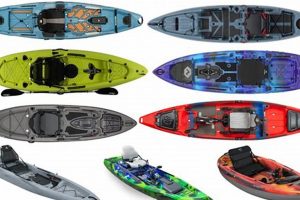
Kayak design significantly influences stability. Wider kayaks generally offer greater initial stability, making them suitable for beginners or anglers prioritizing stability over maneuverability. Longer, narrower kayaks tend to be less stable initially but offer greater speed and tracking ability. Features such as outriggers or pontoons can enhance stability for specific fishing styles or conditions. Selecting a kayak appropriate for the intended fishing environment and personal skill level is paramount for safety and performance. For instance, a wide, stable kayak is well-suited for calm lakes or slow-moving rivers, while a longer, more maneuverable kayak might be preferred for navigating tight creeks or coastal waters.
- Environmental Factors
Wind, current, and waves can significantly impact kayak stability. Strong winds can push a kayak off course or create instability, particularly when casting or fighting a fish. Currents can create challenging paddling conditions, requiring constant adjustments to maintain position and balance. Waves, especially in open water, demand skillful maneuvering and a secure, balanced posture to avoid capsizing. Assessing environmental conditions and adjusting fishing strategies accordingly is essential for safety and success. For example, anchoring in a strong current or seeking sheltered waters during high winds can significantly enhance stability and safety.
- Impact of Gear and Equipment
The distribution of gear and equipment within a kayak influences its center of gravity and overall stability. Unevenly distributed weight can create instability, particularly during dynamic movements. Storing heavier items low and centrally within the kayak enhances stability, while placing heavy objects on the deck or near the gunwales compromises balance. Proper gear organization and weight management are therefore crucial for maintaining stability and maneuverability. For example, placing a heavy tackle box on one side of the kayak can create an imbalance, making the kayak prone to tipping. Distributing weight evenly enhances stability and control.
These interconnected facets of balance and stability collectively contribute to the overall kayak fishing experience. Mastering balance and stability enhances safety, improves casting and reeling efficiency, and allows for greater focus on the fishing itself. Developing core strength, selecting an appropriate kayak, understanding environmental influences, and managing gear effectively are all crucial steps in maximizing both performance and enjoyment on the water. This understanding provides a foundation for further exploration of specific techniques and strategies for enhancing balance and stability in various kayak fishing scenarios.
5. Fish Fighting Exertion

Fish fighting exertion represents a unique and demanding aspect of kayak fishing exercise, distinguishing it from other paddling activities. The physical demands of battling a strong fish from a relatively unstable platform engage a complex interplay of muscle groups, balance, and technique. Understanding the components of this exertion is crucial for anglers seeking to maximize both fishing success and personal safety.
- Muscle Engagement and Fatigue
Fighting a fish from a kayak engages a variety of muscle groups, including those in the back, arms, shoulders, and core. The specific muscles utilized depend on the size and species of fish, the fishing technique employed, and the duration of the fight. Sustained exertion can lead to muscle fatigue, potentially compromising both performance and safety. For example, battling a large, powerful fish might necessitate isometric contractions of back and core muscles to maintain balance and leverage, while simultaneously engaging arm and shoulder muscles for reeling. This complex interplay of muscle groups creates a unique physical demand within the context of kayak fishing exercise.
- Balance and Stability Challenges
The dynamic nature of fish fighting introduces balance and stability challenges not typically encountered in recreational paddling. The movement of the fish, combined with the angler’s own exertions, can destabilize the kayak, requiring constant adjustments and core engagement to maintain equilibrium. This added dimension of balance management increases the complexity of kayak fishing exercise, demanding greater focus and physical control compared to simple paddling. For instance, a sudden surge from a hooked fish can shift the kayak’s center of gravity, requiring immediate postural adjustments and core engagement to prevent capsizing.
- Technique and Equipment Influence
Effective fish fighting techniques and appropriate equipment selection play crucial roles in managing exertion and ensuring safety. Utilizing proper rod angles, drag settings, and reeling techniques can minimize strain and maximize control during the fight. Similarly, specialized kayak fishing rods, reels, and lines are designed to handle the specific demands of battling fish from a kayak, contributing to both efficiency and safety. For example, a rod with sufficient backbone and a reel with a smooth drag system allows for controlled application of pressure, reducing the risk of line breakage or angler fatigue.
- Environmental Factors
Environmental factors such as wind, current, and waves can further amplify the physical demands of fish fighting exertion. Strong currents or winds can create additional drag on the line, requiring greater force to reel in the fish. Waves can destabilize the kayak, demanding increased core engagement and balance adjustments while simultaneously managing the fish. These added environmental challenges contribute significantly to the overall physical demands and complexity of kayak fishing exercise. For instance, fighting a strong fish in a swift current requires not only the strength to reel against the fish but also the core stability and paddling skills to maintain the kayak’s position and prevent it from being swept downstream.
These interconnected aspects of fish fighting exertion collectively highlight its significance within the broader context of kayak fishing exercise. Understanding these factors allows anglers to prepare physically, develop effective techniques, and select appropriate equipment, ultimately enhancing both safety and fishing success. By recognizing fish fighting as a demanding physical activity, anglers can approach it strategically, minimizing strain and maximizing the enjoyment of this unique aspect of kayak fishing.
6. Gear and Equipment Weight
Gear and equipment weight significantly influence the physical demands and overall experience of kayak fishing exercise. The cumulative weight of the kayak itself, fishing gear, safety equipment, and personal items directly impacts paddling effort, maneuverability, and overall fatigue. Cause and effect are clearly linked: heavier loads necessitate greater exertion, potentially limiting range, impacting paddling efficiency, and increasing the risk of strain or injury. The importance of gear and equipment weight as a component of kayak fishing exercise becomes readily apparent during longer trips, challenging water conditions, or when navigating portages or shallow water. Real-life examples illustrate this connection. Consider a fully loaded kayak weighing considerably more than its unloaded counterpart. Paddling this heavier vessel requires greater effort, particularly against wind or current, leading to faster fatigue and potentially limiting the distance achievable. Similarly, launching and landing a heavily loaded kayak can be significantly more strenuous, demanding greater physical strength and increasing the risk of slips or strains. Furthermore, the added weight influences the kayak’s responsiveness and maneuverability, making precise movements and quick adjustments more challenging.
Practical applications of this understanding are crucial for optimizing the kayak fishing experience. Careful consideration of gear selection, prioritizing lightweight options whenever possible, minimizes overall weight and reduces physical strain. Efficient packing techniques, distributing weight evenly within the kayak and securing loose items, further enhance stability and maneuverability. Regular assessment of carried gear, eliminating unnecessary items, contributes to a lighter, more responsive kayak. For instance, opting for a lighter fishing rod, reel, and tackle box, while still meeting performance needs, can significantly reduce overall weight without compromising fishing effectiveness. Similarly, choosing a lightweight paddle crafted from materials such as carbon fiber minimizes swing weight and reduces fatigue during long paddling sessions. These practical considerations highlight the tangible benefits of managing gear and equipment weight effectively.
In summary, gear and equipment weight plays a crucial role in the physical demands and overall experience of kayak fishing exercise. Understanding the direct relationship between weight and exertion allows for informed decisions regarding gear selection, packing strategies, and overall trip planning. By minimizing unnecessary weight and optimizing weight distribution, anglers can enhance efficiency, reduce fatigue, and maximize enjoyment on the water. This awareness promotes a more sustainable and enjoyable approach to kayak fishing, reducing physical strain and enhancing the focus on the fishing experience itself. This knowledge forms a foundation for further exploration of specific lightweight gear options, efficient packing methods, and strategies for balancing performance with weight considerations in kayak fishing.
7. Environmental Factors (Wind, Current)

Environmental factors, particularly wind and current, exert a profound influence on kayak fishing exercise, transforming it from a leisurely activity into a physically demanding endeavor. These natural forces introduce dynamic challenges requiring increased exertion, refined paddling techniques, and heightened awareness of safety considerations. Understanding how wind and current impact kayak fishing is crucial for effective trip planning, efficient energy management, and ensuring a safe and successful experience.
- Wind Resistance and Paddling Effort
Wind resistance significantly impacts paddling effort, demanding increased exertion to maintain speed and direction. Headwinds create drag, requiring more forceful paddle strokes and increased energy expenditure. Crosswinds can push the kayak off course, necessitating corrective strokes and constant adjustments to maintain desired trajectory. Strong winds can even make forward progress difficult, demanding maximal physical effort and potentially limiting fishing range. For example, paddling into a sustained headwind can transform a short trip across a bay into a strenuous workout, demanding significant upper body strength and endurance.
- Current Effects and Maneuvering
Currents introduce complexities to kayak maneuvering, requiring adaptive paddling techniques and strategic navigation. Paddling against a strong current demands increased effort and precise boat control to maintain position or make headway. Crosscurrents can deflect the kayak’s path, necessitating angled paddling strokes and constant course corrections. Understanding current patterns and utilizing eddy lines or sheltered areas can conserve energy and enhance fishing effectiveness. For instance, navigating a swift river current requires constant adjustments to maintain position near promising fishing holes, demanding precise paddle strokes and an understanding of river dynamics.
- Combined Effects and Increased Demands
The combined effects of wind and current amplify the physical demands of kayak fishing exercise. Battling both a headwind and an opposing current requires significant exertion and can quickly deplete energy reserves. Maneuvering in strong crosswinds and currents demands heightened focus and precise paddle control to maintain stability and avoid capsizing. These combined forces necessitate careful assessment of environmental conditions and adaptive paddling strategies to ensure safety and minimize physical strain. For example, encountering strong offshore winds combined with an outgoing tide creates challenging conditions, demanding increased paddling effort and potentially necessitating a change in fishing location for safety.
- Impact on Fishing Techniques and Safety
Wind and current influence fishing techniques and safety considerations. Strong winds can make casting difficult, requiring adjusted techniques and potentially limiting lure choices. Currents affect lure presentation and retrieval, demanding adjustments in speed and depth control. Moreover, wind and current impact kayak positioning and stability, requiring heightened awareness and appropriate safety precautions. For instance, anchoring in a strong current requires specialized techniques and equipment to maintain position and avoid entanglement, adding another layer of complexity to the kayak fishing experience.
These interconnected influences of wind and current underscore the importance of considering environmental factors as integral components of kayak fishing exercise. Understanding how these forces affect paddling effort, maneuvering, fishing techniques, and safety allows anglers to prepare adequately, adapt effectively, and maximize both enjoyment and success on the water. Failing to account for wind and current can lead to increased exertion, compromised fishing effectiveness, and potentially dangerous situations. This understanding provides a framework for making informed decisions regarding trip planning, route selection, and on-the-water strategies, contributing to a safer, more efficient, and ultimately, more rewarding kayak fishing experience.
Frequently Asked Questions
This section addresses common inquiries regarding the physical demands and exercise benefits associated with kayak fishing.
Question 1: How physically demanding is kayak fishing?
The physical demands vary depending on factors such as paddling distance, water conditions, fishing techniques employed, and the size and species of fish targeted. It can range from a moderate workout to a strenuous activity, engaging multiple muscle groups and requiring significant endurance.
Question 2: What specific muscle groups are used in kayak fishing?
Kayak fishing primarily engages muscles in the back, shoulders, arms, and core. Leg muscles are also utilized for stability and leverage. The specific demands on each muscle group vary depending on the activities performed, such as paddling, casting, reeling, and fighting fish.
Question 3: Is kayak fishing a good form of cardiovascular exercise?
Paddling provides a low-impact cardiovascular workout, improving heart health and increasing endurance. The intensity of the cardiovascular workout can be adjusted based on paddling speed, distance, and water conditions.
Question 4: Can kayak fishing help with weight loss?
As a moderately intense physical activity, kayak fishing can contribute to weight loss by burning calories and increasing metabolism. The effectiveness for weight loss depends on factors such as trip duration, intensity level, and overall dietary habits.
Question 5: Are there any specific safety considerations related to the physical demands of kayak fishing?
Understanding personal physical limitations is crucial. Overexertion, dehydration, and inadequate preparation can lead to fatigue, muscle cramps, and potentially dangerous situations on the water. Proper safety precautions, including wearing a PFD and carrying communication devices, are essential.
Question 6: How can one prepare physically for kayak fishing?
Regular exercise focusing on core strength, back muscles, and shoulder endurance is beneficial. Activities such as swimming, weight training, and yoga can improve performance and reduce the risk of injury. Practicing paddling and casting techniques on dry land before venturing onto the water is also recommended.
Understanding the physical demands and potential benefits of kayak fishing allows for a safer and more enjoyable experience. Proper preparation, appropriate gear selection, and adherence to safety guidelines contribute to a positive and rewarding pursuit.
The next section will delve into specific techniques and exercises to improve performance and enhance the overall kayak fishing experience.
Kayak Fishing Exercise
This exploration of kayak fishing exercise has highlighted its multifaceted nature, encompassing paddling endurance, casting and reeling techniques, kayak maneuvering skills, balance and stability considerations, the exertion of fighting fish, the impact of gear and equipment weight, and the influence of environmental factors like wind and current. Each of these elements contributes to the overall physical demand and complexity of this activity, distinguishing it from recreational paddling and underscoring the need for targeted physical conditioning and preparation. Understanding the interconnectedness of these factors empowers anglers to optimize performance, minimize risk, and fully appreciate the rewarding physical engagement inherent in kayak fishing.
Kayak fishing offers a unique blend of physical challenge and outdoor immersion. The physical demands, while variable, offer opportunities for enhancing strength, endurance, and balance. Recognizing and respecting these demands contributes not only to a more successful fishing experience but also to a deeper appreciation for the physical engagement required to navigate and interact with the natural world. This understanding fosters a more sustainable and rewarding approach to the sport, promoting both physical well-being and a greater connection with the aquatic environment. Further exploration and refinement of individual techniques and strategies promise continued enhancement of both performance and enjoyment within the evolving landscape of kayak fishing.