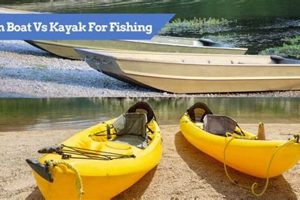
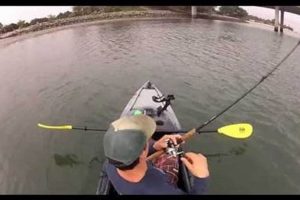
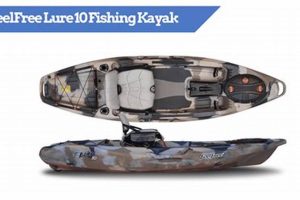
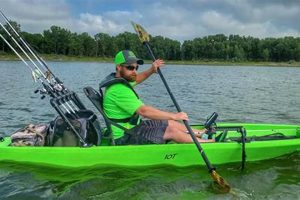
This activity involves angling from a small, human-powered watercraft in the waters surrounding Perdido Key, Florida. It offers a unique blend of outdoor recreation, combining the tranquility of paddling with the excitement of angling. Anglers can explore the diverse estuarine environments, including shallow grass flats, mangrove-lined shores, and deeper channels, targeting a variety of fish species.
The shallow-draft nature of kayaks allows access to areas unreachable by larger vessels, leading to potentially improved fishing opportunities. This approach offers a quiet, non-intrusive method of interacting with the natural environment, minimizing disturbance to fish and their habitats. Historically, small boats have played a crucial role in fishing practices along the Gulf Coast, and the modern kayak angler carries on this tradition with updated equipment and techniques. The area’s rich biodiversity and relatively calm waters make it an ideal location for this activity, contributing significantly to the local tourism and recreation economy.
This discussion will further explore various facets of this pursuit, including popular target species, recommended equipment and techniques, relevant regulations and licensing requirements, and responsible environmental practices.
Tips for Kayak Angling near Perdido Key
Successful angling from a kayak near Perdido Key requires preparation and adherence to best practices. The following tips offer guidance for a safe and productive experience.
Tip 1: Check Weather and Tides: Prior to departure, consult marine weather forecasts and tidal charts. Wind and currents can significantly impact kayak handling and safety. Understanding tidal flow is crucial for predicting fish movement and locating productive fishing areas.
Tip 2: Prioritize Safety Equipment: Always wear a personal flotation device (PFD). Carry a whistle, signaling mirror, and a waterproof communication device. Inform someone of the intended fishing location and estimated return time.
Tip 3: Choose Appropriate Gear: Select a kayak designed for stability and fishing functionality. Rod holders, paddle leashes, and anchor systems are recommended accessories. Fishing gear should be suited to target species and local conditions.
Tip 4: Employ Stealth Techniques: Minimize noise and movement while approaching fishing spots. Avoid sudden or jerky motions that could spook fish. Quiet paddling and careful anchor deployment are essential.
Tip 5: Respect Wildlife and Habitat: Practice catch-and-release whenever possible. Handle fish gently and minimize their time out of the water. Adhere to all local fishing regulations and avoid disturbing sensitive habitats like seagrass beds.
Tip 6: Pack Essential Supplies: Carry ample drinking water, sunscreen, and insect repellent. A first-aid kit, tools for minor repairs, and a dry bag for personal belongings are also advisable.
Tip 7: Learn Basic Kayak Handling Skills: Practice paddling and maneuvering a kayak in calm waters before venturing into open areas. Develop skills in launching, landing, and recovering from a capsize.
By adhering to these guidelines, anglers can enhance their chances of a successful and enjoyable experience while prioritizing safety and environmental responsibility.
These tips provide a foundation for successful kayak angling in the Perdido Key area. The next section will cover recommended locations and target species.
1. Kayak Selection

Appropriate kayak selection is fundamental to a successful and enjoyable fishing experience in the waters surrounding Perdido Key. The chosen vessel directly impacts maneuverability, stability, and the ability to access desired fishing locations. Careful consideration of various kayak types and features is essential for optimizing performance and safety.
- Hull Design:
Hull design significantly influences kayak performance. Sit-on-top kayaks offer inherent stability and self-bailing capabilities, making them suitable for calmer inshore waters and warmer conditions. Sit-inside kayaks provide better protection from the elements and increased storage capacity, beneficial for longer trips or colder temperatures. Given the diverse environments around Perdido Key, ranging from shallow grass flats to open bay waters, understanding the advantages and disadvantages of each hull type is crucial.
- Length and Width:
Kayak dimensions affect tracking, speed, and stability. Longer kayaks generally track straighter and glide more efficiently, suitable for covering longer distances in open water. Wider kayaks offer increased stability, beneficial for fishing in choppy conditions or when standing to cast. The optimal length and width depend on the angler’s experience level and intended fishing locations around Perdido Key.
- Features and Accessories:
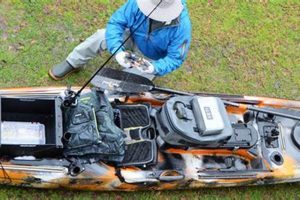
Specialized features enhance fishing functionality. Rod holders, paddle clips, anchor trolleys, and integrated storage compartments improve organization and efficiency on the water. Consideration should be given to the types of fishing pursued and the equipment required. A well-equipped kayak contributes to a more productive and enjoyable fishing experience in Perdido Key’s varied fishing grounds.
- Propulsion Systems:
Traditional paddle kayaks provide a quiet and environmentally friendly mode of propulsion, well-suited to stalking fish in shallow areas. Pedal-powered kayaks offer hands-free operation and increased speed, advantageous for covering larger distances or fishing in stronger currents. Choosing the right propulsion system depends on individual preferences and the specific fishing conditions commonly encountered around Perdido Key.
By carefully evaluating these factors, anglers can select a kayak that optimally balances performance, stability, and comfort, ultimately enhancing their fishing experience in the diverse waters surrounding Perdido Key. A properly chosen kayak allows for efficient exploration of different fishing grounds, from the backcountry estuaries to the nearshore Gulf waters, maximizing the potential for a successful and rewarding outing.
2. Fishing Gear

Fishing gear selection significantly impacts success and enjoyment when kayak fishing near Perdido Key. The unique demands of this activity necessitate specialized equipment choices, balancing performance with the space and weight limitations inherent to kayak angling. Appropriate gear enhances an angler’s ability to target specific species and effectively navigate the diverse environments encountered in this region.
Rods and reels should be chosen based on target species and fishing techniques. Shorter, lighter rods (6-7 feet) are often preferred for maneuverability within a kayak’s confines. Spinning reels generally offer versatility for various fishing styles, from casting artificial lures to presenting live bait. For larger species or offshore excursions, heavier tackle and conventional reels may be appropriate. Line selection should consider water clarity, target species, and fishing environment. Braided line offers strength and sensitivity, while fluorocarbon leader material provides abrasion resistance and low visibility in clear water. Terminal tackle, including hooks, weights, and swivels, must be matched to the chosen bait or lures and the targeted fish species. Artificial lures, such as soft plastics, topwater plugs, and jigs, are effective for enticing a variety of inshore species. Live bait, including shrimp, minnows, and crabs, can also be productive, requiring appropriate storage solutions within the kayak. A landing net and fish grips are essential for safely handling and releasing fish while maintaining balance in the kayak.
Careful consideration of fishing gear tailored to the specific conditions and target species encountered near Perdido Key is paramount for a productive and enjoyable experience. Prioritizing compact and versatile equipment enhances both efficiency and safety on the water. Proper gear selection allows anglers to effectively present baits and lures, increasing the likelihood of successful hookups and ultimately contributing to a more rewarding fishing trip.
3. Target Species
The diverse estuarine and nearshore environments surrounding Perdido Key support a rich variety of fish species, creating ample opportunities for kayak anglers. Understanding the prevalent species, their habitats, and preferred feeding patterns is crucial for a successful fishing experience. Targeting specific species influences equipment choices, bait selection, and fishing location strategies.
- Redfish (Red Drum):
Redfish are a popular target due to their fighting spirit and accessibility. They inhabit shallow grass flats, oyster bars, and mangrove shorelines, often feeding on crustaceans and small baitfish. Kayak anglers can effectively target redfish using a variety of techniques, including sight-fishing with artificial lures or presenting live bait near structure.
- Speckled Trout:
Speckled trout are another prized gamefish found in Perdido Key’s waters. They prefer grassy areas and deeper channels, ambushing prey from cover. Anglers often target speckled trout using topwater lures, soft plastics, or live shrimp under a popping cork. Their elusive nature and aggressive strikes make them a challenging and rewarding target.
- Flounder:
Flounder are bottom-dwelling flatfish that camouflage themselves on sandy or muddy bottoms. They are ambush predators, feeding on small fish and crustaceans. Kayak anglers can target flounder by drifting live bait or slowly retrieving jigs and soft plastics along the bottom. Their subtle takes require patience and attentiveness.
- Spanish Mackerel:
Spanish mackerel are fast-swimming pelagic fish found in nearshore Gulf waters. They readily strike fast-retrieved lures, providing exciting action for kayak anglers. Trolling or casting spoons and other flashy lures are effective techniques for targeting Spanish mackerel. Their strong runs and acrobatic jumps offer a thrilling challenge.
Targeting these and other species from a kayak allows anglers to intimately experience Perdido Key’s diverse marine ecosystem. Understanding the nuances of each species’ behavior and habitat preferences is key to maximizing fishing success and enjoying the unique challenges and rewards of kayak angling in this area. By strategically selecting fishing locations and employing appropriate techniques, kayak anglers can effectively target specific species, enhancing their overall fishing experience.
4. Location Scouting

Effective location scouting is paramount for successful kayak fishing near Perdido Key. Pre-fishing reconnaissance significantly increases the likelihood of encountering target species. Understanding the interplay of tides, currents, and habitat preferences informs strategic location choices, maximizing fishing opportunities and enhancing overall experience. Thorough scouting enables anglers to efficiently navigate the diverse inshore and nearshore environments characteristic of this region.
- Tidal Influence on Fishing Grounds:
Tidal fluctuations dramatically affect fish behavior and feeding patterns. Incoming tides flood shallow flats and marshes, attracting baitfish and subsequently, predatory gamefish. Outgoing tides concentrate fish in channels and deeper holes. Scouting locations at different tidal stages allows anglers to identify productive areas and predict fish movement throughout the tidal cycle. Knowledge of tidal influence is particularly crucial in Perdido Key’s complex estuarine systems.
- Habitat Identification and Species Correlation:
Different fish species exhibit distinct habitat preferences. Redfish often frequent shallow grass flats and oyster bars, while speckled trout favor deeper channels and grassy potholes. Flounder camouflage themselves on sandy or muddy bottoms. Scouting enables identification of these key habitats, increasing the probability of locating target species. Perdido Key’s diverse ecosystem provides a range of habitats, emphasizing the importance of targeted scouting.
- Utilizing Online Resources and Local Knowledge:
Online mapping tools, nautical charts, and satellite imagery offer valuable insights into potential fishing spots. Local fishing reports, forums, and tackle shops provide real-time information on fish activity and productive areas. Combining these resources with local knowledge gleaned from experienced anglers significantly enhances scouting effectiveness. Leveraging available information optimizes time on the water, especially in unfamiliar areas like Perdido Key.
- On-the-Water Observation and Exploration:
Direct observation is crucial for confirming potential fishing spots identified through pre-fishing research. Noting water clarity, current flow, and signs of baitfish activity further refines location selection. Exploring different areas and observing environmental cues allows anglers to adapt their strategies and maximize fishing success. Hands-on exploration is especially valuable in dynamic environments like those found around Perdido Key.
By integrating these scouting techniques, kayak anglers can effectively pinpoint productive fishing locations within Perdido Key’s complex waterways. Strategic location selection, informed by thorough scouting, enhances fishing success and fosters a deeper understanding of the area’s rich marine environment. This proactive approach translates to a more rewarding and efficient kayak fishing experience, maximizing the potential for encountering target species.
5. Safety Precautions
Safe practices are paramount when kayak fishing near Perdido Key. The inherent risks associated with open water activities necessitate careful planning and preparation. Prioritizing safety ensures an enjoyable and incident-free experience, allowing anglers to fully appreciate the region’s natural beauty and abundant fishing opportunities. Neglecting safety precautions can lead to serious consequences, jeopardizing both personal well-being and the enjoyment of the activity.
- Personal Flotation Devices (PFDs):
Wearing a properly fitted PFD is non-negotiable. PFDs provide essential buoyancy in the event of capsizing or accidental immersion, significantly increasing chances of survival. Selecting a comfortable, Coast Guard-approved PFD designed for paddling enhances both safety and mobility while on the water. Even strong swimmers can become incapacitated due to unexpected circumstances, underscoring the critical importance of consistently wearing a PFD.
- Communication and Signaling Devices:
Carrying reliable communication and signaling devices is essential for summoning assistance in emergencies. A waterproof cell phone or VHF radio enables direct contact with rescue services. Visual signals, such as a whistle, signal mirror, or flares, enhance visibility and aid in locating a kayak in distress. Informing someone onshore of the intended fishing location and estimated return time provides an additional safety net. Effective communication can be crucial in mitigating the impact of unforeseen events.
- Weather and Water Condition Awareness:
Checking marine weather forecasts and tide charts prior to departure is fundamental. Wind, waves, and currents can significantly impact kayak handling and safety. Avoiding adverse weather conditions, such as strong winds or thunderstorms, minimizes risks. Understanding tidal flows is crucial for navigating shallow areas and predicting fish movement. Respecting the dynamic nature of the marine environment is essential for safe and responsible kayak fishing.
- Navigation and Trip Planning:
Careful trip planning contributes significantly to safety. Mapping out the intended route, identifying potential hazards, and establishing alternative landing points ensures preparedness for unexpected situations. Carrying navigational aids, such as a compass or GPS device, aids in maintaining orientation, especially in unfamiliar waters or during changing weather conditions. Thorough trip planning minimizes the potential for disorientation and enhances overall safety on the water.
Adhering to these safety precautions allows anglers to fully enjoy the experience of kayak fishing near Perdido Key while mitigating potential risks. Prioritizing safety ensures peace of mind and promotes responsible engagement with the marine environment, allowing individuals to focus on the rewarding aspects of fishing while safeguarding their well-being.
6. Tidal Influences
Tidal fluctuations exert a profound influence on kayak fishing success near Perdido Key. Understanding tidal currents and their impact on fish behavior is crucial for optimizing fishing strategies. Tides dictate water depth, current strength, and the movement of baitfish, thereby affecting the location and feeding activity of target species. Anglers who comprehend tidal influences gain a significant advantage, increasing their likelihood of encountering actively feeding fish.
Incoming tides inundate shallow flats and marshes, creating prime feeding grounds for redfish, speckled trout, and other inshore species. As the tide rises, baitfish are pushed closer to shore, attracting predatory fish seeking an easy meal. Kayak anglers can capitalize on this by positioning themselves near inlets, creek mouths, and grass beds during the flood tide. Conversely, outgoing tides concentrate fish in deeper channels and troughs as water recedes from the flats. This creates opportunities to target species holding in these areas, particularly near bridges, docks, and other structures providing deeper water access. For example, fishing the outgoing tide around the docks near Old River can yield excellent catches of redfish and speckled trout.
Tidal currents also play a significant role in determining optimal lure presentation and retrieval techniques. Strong currents necessitate heavier weights or faster retrieves to maintain bottom contact and prevent lures from washing out too quickly. Conversely, slack tides allow for slower presentations and lighter tackle, enhancing lure action and increasing the likelihood of enticing strikes. Understanding tidal flows enables anglers to adjust their techniques accordingly, maximizing lure effectiveness and improving chances of hooking fish. Failure to account for tidal influences can lead to frustration and diminished fishing success. By incorporating tidal knowledge into fishing strategies, kayak anglers near Perdido Key can significantly enhance their chances of a productive and rewarding experience.
7. Local Regulations
Adherence to local regulations is essential for responsible and sustainable kayak fishing around Perdido Key. These regulations, established by the Florida Fish and Wildlife Conservation Commission (FWC), aim to protect fish populations, preserve habitats, and ensure equitable access to resources. They encompass various aspects of fishing activity, including bag limits, size restrictions, permitted fishing methods, and seasonal closures. Ignoring these regulations can result in fines, legal repercussions, and damage to the local ecosystem. For instance, exceeding the bag limit for redfish, a popular target species in Perdido Key, could negatively impact the local population and disrupt the ecological balance.
Specific regulations relevant to kayak anglers in Perdido Key include licensing requirements, catch-and-release guidelines, and restrictions on fishing in designated protected areas. Anglers are required to possess a valid Florida saltwater fishing license unless exempt. Promoting catch-and-release practices for certain species helps maintain healthy fish stocks and ensures future angling opportunities. Understanding and respecting boundaries for protected areas, such as seagrass beds or nesting sites, safeguards sensitive habitats and contributes to long-term ecological health. For example, fishing within designated no-motor zones is often restricted to non-motorized vessels like kayaks, promoting minimal disturbance to these fragile ecosystems.
Understanding and complying with local regulations ensures the sustainability of kayak fishing in Perdido Key. This responsible approach preserves the area’s natural resources for future generations and contributes to the overall health of the marine environment. Accessing current regulations through the FWC website or contacting local tackle shops provides anglers with the necessary information to fish legally and ethically, fostering a positive and sustainable relationship with the Perdido Key ecosystem. Ignoring regulations undermines conservation efforts and jeopardizes the long-term viability of this popular recreational activity.
Frequently Asked Questions
This section addresses common inquiries regarding kayak fishing near Perdido Key, providing concise and informative responses to facilitate a safe and productive angling experience.
Question 1: What are the most common fish species targeted by kayak anglers in Perdido Key?
Redfish, speckled trout, flounder, and Spanish mackerel are frequently targeted. Other species include sheepshead, black drum, and various inshore reef fish.
Question 2: Is a fishing license required for kayak fishing in Perdido Key?
A valid Florida saltwater fishing license is generally required unless exempt. Checking current regulations with the Florida Fish and Wildlife Conservation Commission (FWC) is recommended.
Question 3: What safety equipment is essential for kayak fishing in this area?
Essential safety equipment includes a personal flotation device (PFD), a whistle, a signaling mirror, and a waterproof communication device (cell phone or VHF radio). Informing someone of fishing plans is also crucial.
Question 4: What are the best times to fish from a kayak near Perdido Key?
Fishing success is often influenced by tidal movements. Incoming and outgoing tides create feeding opportunities. Dawn and dusk are generally productive periods. Consulting local tide charts and fishing reports provides additional guidance.
Question 5: Are there specific areas to avoid when kayak fishing around Perdido Key?
Designated swimming areas, marked channels with heavy boat traffic, and restricted areas within national or state parks should be avoided. Respecting private property and posted signage is essential. Consulting nautical charts and local regulations provides further clarification.
Question 6: What are the recommended kayak features for fishing in Perdido Key?
Kayaks designed for stability and fishing functionality are recommended. Features such as rod holders, paddle clips, anchor trolleys, and ample storage space enhance the fishing experience. Sit-on-top kayaks are generally preferred for their stability and self-bailing capabilities.
Careful consideration of these frequently asked questions enhances preparedness and contributes to a safer and more rewarding kayak fishing experience in Perdido Key. Understanding local regulations, prioritizing safety precautions, and employing effective fishing strategies maximizes the potential for success while ensuring responsible enjoyment of the natural environment.
The next section will delve into advanced techniques for kayak fishing in Perdido Key.
Conclusion
This exploration of kayak angling near Perdido Key has highlighted the multifaceted nature of this activity. From equipment selection and safety considerations to understanding local regulations and tidal influences, various factors contribute to a successful and rewarding experience. The area’s diverse ecosystem, supporting a rich array of fish species, presents unique opportunities for anglers seeking close interaction with the natural environment. Emphasis on responsible fishing practices, including catch-and-release and habitat preservation, underscores the importance of sustainable engagement with this valuable resource.
The potential for enriching experiences through kayak fishing near Perdido Key remains significant. Continued exploration of this activity fosters a deeper appreciation for the delicate balance of the coastal ecosystem. Adherence to ethical angling practices ensures the preservation of this unique environment for future generations, allowing continued enjoyment of the rewarding pursuit of kayak fishing in Perdido Key’s pristine waters.