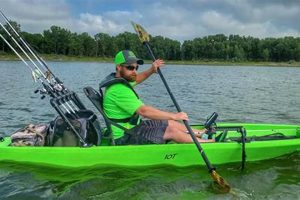
A professional specializing in angling from kayaks within the waters near San Diego offers expertise on local regulations, navigation, suitable equipment, and optimal fishing locations. Such a service typically includes guided tours, instruction on techniques specific to kayak angling, and assistance in locating target fish species. This expertise proves invaluable for both novice and experienced anglers seeking to maximize their fishing success while enjoying the unique perspective and access afforded by kayak fishing.
Engaging such expertise provides significant advantages. Access to prime fishing spots often inaccessible by larger vessels, personalized instruction tailored to individual skill levels, and enhanced safety through guided navigation in unfamiliar waters are key benefits. Historically, fishing from small, maneuverable watercraft has been a common practice in many cultures. The modern iteration, employing specialized kayaks and fishing gear, represents an evolution of this tradition, offering a more focused and effective approach to sport fishing. This approach’s growing popularity within the San Diego area reflects both the regions rich aquatic biodiversity and the increasing desire for sustainable and engaging outdoor recreational activities.
The following sections delve into the specific aspects of selecting appropriate gear, understanding local regulations and licensing requirements, choosing the best time of year for targeting particular species, and identifying reputable providers of guided kayak fishing experiences in the San Diego area.
Tips for Kayak Fishing in San Diego
Successful kayak angling requires careful planning and preparation. The following tips offer valuable insights for maximizing both safety and fishing success in San Diego waters.
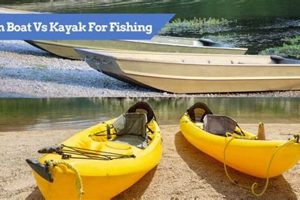
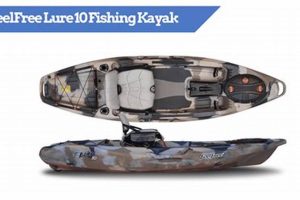
Tip 1: Research and Choose the Right Kayak: Kayak selection depends on individual needs and fishing style. Consider factors such as stability, storage capacity, and maneuverability. Sit-on-top kayaks are generally preferred for fishing due to their self-bailing design and ease of entry and exit.
Tip 2: Prioritize Safety Equipment: A personal flotation device (PFD) is essential. Additional safety gear should include a whistle, visual distress signals, a first-aid kit, and a communication device such as a VHF radio or waterproof cell phone.
Tip 3: Understand Local Regulations: Familiarize oneself with California fishing regulations, including licensing requirements, size and bag limits, and any species-specific restrictions.
Tip 4: Plan Your Trip Carefully: Check weather forecasts, tide charts, and current conditions before heading out. Inform someone of your intended fishing location and estimated return time.
Tip 5: Pack Essential Gear: Appropriate fishing tackle, including rods, reels, lines, lures, and bait, is crucial. Additional items like sunscreen, a hat, polarized sunglasses, and water bottles are also recommended.
Tip 6: Practice Proper Kayak Handling: Learn basic paddling techniques and maneuvering skills. This ensures efficient navigation and minimizes the risk of capsizing.
Tip 7: Respect the Environment: Practice catch-and-release whenever possible. Properly dispose of fishing line and other waste to preserve the marine ecosystem.
Tip 8: Consider a Guided Trip: For those new to kayak fishing or unfamiliar with local waters, a guided trip can provide valuable instruction and enhance safety.
Adhering to these guidelines promotes a safe and enjoyable kayak fishing experience, increasing the likelihood of angling success while minimizing potential risks.
By considering these factors and preparing accordingly, anglers can confidently embark on their kayak fishing adventures in San Diego.
1. Local Expertise

Local expertise represents a critical factor when selecting a kayak fishing guide in San Diego. A guide’s intimate knowledge of the local environment directly impacts the safety and success of fishing expeditions. This expertise encompasses a range of crucial elements, from understanding tidal patterns and navigating complex coastal to identifying productive fishing grounds and adhering to local regulations.
- Navigational Proficiency
Navigational proficiency goes beyond basic paddling skills. It involves understanding local currents, tides, and potential hazards such as submerged rocks or kelp forests. A locally experienced guide possesses intimate knowledge of these factors, allowing for safe and efficient navigation through diverse marine environments. For example, a guide familiar with the La Jolla Ecological Reserve can navigate its intricate kelp beds and rocky reefs, maximizing fishing opportunities while ensuring client safety.
- Fish Species and Habitat Knowledge
Knowledge of local fish species, their habitats, and preferred bait is essential for a productive fishing trip. A guide with local expertise understands seasonal fish migrations, spawning patterns, and optimal fishing locations. This knowledge allows them to target specific species effectively, increasing the likelihood of successful catches. For instance, a guide specializing in calico bass fishing understands their preference for rocky structures and can lead clients to prime locations like the Point Loma kelp beds.
- Regulatory Awareness
Navigating local fishing regulations, including licensing requirements, catch limits, and protected species, can be complex. A locally knowledgeable guide ensures compliance with all applicable regulations, avoiding potential fines and contributing to sustainable fishing practices. They are aware of seasonal closures, gear restrictions, and any specific regulations within marine protected areas. This awareness safeguards both the angler and the local ecosystem.
- Emergency Preparedness
Local expertise plays a vital role in emergency preparedness. Guides familiar with the area know the closest access points for emergency services, understand local weather patterns, and can effectively respond to unforeseen circumstances. They possess the skills and knowledge to handle equipment malfunctions, navigate challenging conditions, and prioritize client safety in any situation.
These facets of local expertise underscore its importance in selecting a kayak fishing guide in San Diego. A guide possessing these attributes provides not only an enhanced fishing experience but also peace of mind, ensuring a safe and rewarding adventure on the water. This targeted knowledge contributes significantly to a successful and enjoyable fishing trip, highlighting the value of local expertise in maximizing the overall experience.
2. Safety Practices

Safety practices constitute a critical component of guided kayak fishing excursions in San Diego. The inherent risks associated with on-water activities necessitate a comprehensive approach to safety, ensuring client well-being and a positive overall experience. A qualified kayak fishing guide prioritizes safety through meticulous planning, proper equipment maintenance, and adherence to established protocols.
A direct correlation exists between guide experience and client safety. Guides familiar with local waters understand potential hazards, including unpredictable currents, changing weather conditions, and navigational challenges. This knowledge allows for proactive risk mitigation, minimizing potential incidents. For instance, a guide aware of the strong currents around Point Loma will adjust the trip itinerary accordingly, prioritizing client safety over reaching a specific fishing spot. Similarly, a guide recognizing approaching inclement weather will initiate appropriate safety procedures, ensuring client well-being in potentially hazardous conditions. Regular equipment inspections, including kayak integrity checks and PFD maintenance, further demonstrate a commitment to client safety. Proper safety briefings before each excursion, covering emergency procedures and equipment usage, equip clients with the knowledge and skills to respond effectively to unforeseen circumstances. Carrying essential safety gear, such as communication devices, first-aid kits, and signaling devices, adds another layer of preparedness.
Prioritizing safety practices builds client confidence and contributes to a more enjoyable fishing experience. Anglers can focus on the sport, knowing their well-being is a primary concern. This emphasis on safety reinforces the professionalism of a kayak fishing guide and distinguishes reputable providers from less experienced operators. Ultimately, a commitment to safety practices forms the foundation of a responsible and successful kayak fishing operation in San Diego.
3. Equipment Quality

Equipment quality significantly impacts the safety and success of kayak fishing excursions in San Diego. A reputable kayak fishing guide understands this connection, providing clients with reliable and appropriate gear. High-quality equipment contributes to angler comfort, enhances fishing performance, and ensures a positive overall experience. Substandard equipment, conversely, can compromise safety, hinder fishing success, and detract from the overall enjoyment of the trip.
- Kayak Selection and Maintenance
Kayak selection depends on factors such as water conditions, target species, and angler experience. A reputable guide provides kayaks appropriate for the intended fishing environment, prioritizing stability, maneuverability, and storage capacity. Regular maintenance, including inspections for damage and wear, ensures kayak performance and client safety. For example, a guide operating in the calmer waters of Mission Bay might offer shorter, more agile kayaks suited for navigating shallows and tight spaces, while a guide targeting pelagic species offshore would provide longer, more stable kayaks designed for open-ocean conditions. Proper maintenance ensures these vessels remain seaworthy and perform optimally.
- Fishing Gear Appropriateness
Appropriate fishing gear selection depends on target species and fishing techniques. A knowledgeable guide provides rods, reels, lines, and tackle suited to the intended quarry, maximizing the chances of successful catches. This includes considering factors like line weight, hook size, and lure type. For instance, a guide targeting yellowtail would provide heavier tackle capable of handling these powerful fish, while a guide focusing on halibut might offer lighter gear suitable for bottom fishing. Providing appropriate gear demonstrates a guide’s understanding of local fish species and fishing techniques.
- Safety Equipment Standards
Safety equipment is paramount in kayak fishing. A responsible guide provides and maintains essential safety gear, including personal flotation devices (PFDs), signaling devices, communication equipment, and first-aid kits. Ensuring this equipment meets regulatory standards and is in good working order prioritizes client safety. For example, providing Coast Guard-approved PFDs in the correct sizes and ensuring communication devices are functional demonstrates a commitment to client well-being.
- Comfort and Performance Enhancements
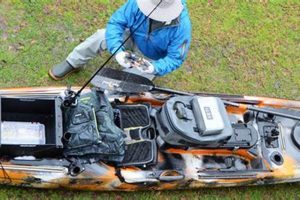
Beyond essential gear, comfort and performance enhancements contribute significantly to client satisfaction. Providing features like adjustable seating, rod holders, and dry storage compartments improves the overall fishing experience. These additions demonstrate a guide’s attention to detail and commitment to client comfort. For instance, offering kayaks equipped with fish finders or GPS units enhances the fishing experience, while providing comfortable seating allows clients to enjoy longer hours on the water.
By providing and maintaining high-quality equipment, a kayak fishing guide in San Diego demonstrates professionalism, enhances client safety, and increases the likelihood of a successful and enjoyable fishing trip. This attention to detail distinguishes reputable guides and reinforces their commitment to providing a positive and memorable experience. Investing in and maintaining top-tier equipment ultimately contributes to a safer, more productive, and more enjoyable experience for clients, solidifying the guide’s reputation for quality service.
4. Target Species Knowledge

Target species knowledge forms a cornerstone of effective kayak fishing guidance in San Diego. A guide’s understanding of local fish species, their behaviors, and preferred habitats directly influences angling success. This knowledge encompasses various factors, including seasonal migratory patterns, feeding habits, preferred baits and lures, and specific habitat preferences. Such expertise allows guides to tailor fishing strategies, maximizing client catch rates and providing a more rewarding experience. Understanding the nuances of target species behavior is crucial for selecting appropriate fishing locations, optimizing tackle and techniques, and ultimately increasing the likelihood of successful catches. For example, a guide targeting yellowtail during their summer migration would position clients near kelp forests and utilize live bait or surface lures to mimic their natural prey. Conversely, targeting halibut requires a different approach, focusing on sandy bottom areas and employing bottom-dwelling bait or lures.
This targeted approach extends beyond simply knowing where to find fish. It involves understanding the intricacies of fish behavior, such as tidal influences on feeding patterns and the impact of water temperature on activity levels. A guide possessing this in-depth knowledge can anticipate fish movements, adapt to changing conditions, and adjust fishing strategies accordingly. For instance, a guide aware of the influence of tidal currents on calico bass feeding behavior would position clients near rocky reefs during periods of optimal current flow, increasing the likelihood of successful catches. Similarly, understanding the preferred depth and water temperature for specific species allows guides to target them effectively, utilizing appropriate techniques and tackle.
Possessing comprehensive target species knowledge distinguishes skilled kayak fishing guides in San Diego. This expertise translates directly into enhanced client experiences, characterized by increased catch rates and a deeper understanding of the local marine environment. Guides equipped with this knowledge can educate clients on fish behavior, conservation practices, and the importance of responsible angling. This holistic approach enhances the overall fishing experience, transforming a simple fishing trip into an educational and rewarding adventure. The ability to adapt strategies based on target species behavior ensures clients have optimal chances of success, solidifying the guide’s value and expertise.
5. Trip Customization
Trip customization represents a significant advantage offered by professional kayak fishing guides in San Diego. It allows tailoring excursions to individual skill levels, preferences, and desired outcomes, enhancing client satisfaction and maximizing the overall experience. Customization considers factors such as target species, fishing techniques, trip duration, and specific location preferences. This flexibility distinguishes guided trips from standardized fishing charters, catering to diverse needs and fostering a more personalized experience. For example, a novice angler might prefer a shorter trip focused on basic techniques and sheltered waters, while a seasoned angler might opt for a longer excursion targeting specific pelagic species in more challenging offshore locations. A family with young children might prioritize a calmer bay experience focusing on catching smaller fish, while a group of experienced anglers could request a challenging trip targeting larger game fish. A guide specializing in fly fishing techniques can tailor a trip specifically for clients interested in honing this specialized skill.
The ability to customize trips based on individual preferences enhances the overall value of guided kayak fishing experiences. It allows clients to focus on specific interests, whether mastering a new technique, targeting a particular species, or simply enjoying the scenic beauty of San Diego’s coastline. This personalized approach fosters a deeper connection with the sport and the surrounding environment. For instance, a client interested in underwater photography could request a trip focused on exploring shallow reefs and kelp forests, while a client passionate about conservation might prefer a catch-and-release focused trip emphasizing minimal environmental impact. A guide specializing in night fishing can offer a unique experience for anglers seeking a different perspective on the sport. This tailored approach caters to diverse interests, maximizing client satisfaction and ensuring a memorable experience.
Trip customization reflects a guide’s commitment to providing exceptional service and maximizing client enjoyment. It demonstrates an understanding of individual needs and a willingness to adapt to diverse preferences. This flexibility distinguishes reputable guides who prioritize client satisfaction, fostering positive relationships and building a loyal clientele. The ability to customize trips based on individual preferences enhances the overall value of guided kayak fishing experiences and solidifies the guide’s commitment to client satisfaction.
6. Clear Communication
Clear communication forms the bedrock of a successful and safe kayak fishing experience in San Diego. Effective communication between the guide and clients fosters trust, manages expectations, and facilitates a smooth and enjoyable outing. From pre-trip planning to on-the-water instruction, clear and concise communication enhances safety, improves fishing success, and contributes to a positive overall experience. A lack of clear communication, conversely, can lead to confusion, frustration, and potentially compromise safety.
- Pre-Trip Coordination
Pre-trip communication establishes a foundation for a successful excursion. This includes clarifying trip details such as meeting location, departure time, expected duration, target species, and necessary gear. Clear communication regarding experience levels, physical limitations, and any special needs allows the guide to tailor the trip accordingly. For example, discussing target species beforehand allows the guide to prepare appropriate tackle and select suitable fishing locations. Clarifying experience levels ensures the guide can provide appropriate instruction and support throughout the trip.
- On-the-Water Instruction
Clear and concise on-the-water instruction enhances fishing success and promotes safety. Guides must effectively communicate techniques such as paddling, casting, retrieving lures, and handling fish. Clear explanations of safety procedures, including emergency protocols and equipment usage, are essential. For instance, demonstrating proper paddling techniques minimizes fatigue and improves efficiency. Explaining how to handle fishing gear safely prevents injuries and ensures proper equipment usage.
- Environmental Interpretation
Effective communication extends beyond technical instruction. Guides can enhance the overall experience by sharing knowledge of the local ecosystem, including information about marine life, local conservation efforts, and responsible fishing practices. Interpreting the surrounding environment fosters appreciation for the natural world and promotes responsible stewardship. For example, explaining the importance of kelp forests as a habitat for various species enhances understanding of the local ecosystem. Discussing catch-and-release practices promotes conservation and responsible angling.
- Addressing Concerns and Questions
Open and responsive communication throughout the trip allows clients to address concerns and ask questions. A guide’s willingness to listen and provide clear explanations builds trust and ensures client comfort. Addressing concerns promptly and effectively contributes to a positive and reassuring experience. For instance, addressing client concerns about weather conditions or navigation reassures them and reinforces the guide’s professionalism. Answering questions about local fish species or fishing techniques enhances client understanding and engagement.
Clear communication between a kayak fishing guide and clients in San Diego is essential for a safe, productive, and enjoyable experience. It facilitates effective pre-trip planning, enhances on-the-water instruction, fosters environmental awareness, and builds trust throughout the excursion. Prioritizing clear communication reflects a guide’s professionalism and commitment to providing a high-quality experience, distinguishing reputable providers and contributing to client satisfaction. By fostering open and effective communication, guides create a positive and enriching experience that extends beyond simply catching fish, fostering a deeper appreciation for the sport and the surrounding environment.
7. Client Testimonials

Client testimonials play a crucial role in the landscape of kayak fishing guides in San Diego. These firsthand accounts offer prospective clients valuable insights into the quality of service, professionalism, and overall experience provided by a guide. Testimonials serve as a form of social proof, building trust and credibility within a competitive market. They provide a window into the actual experiences of past clients, offering a more authentic and nuanced perspective than marketing materials alone. The impact of testimonials stems from their capacity to connect with potential clients on a personal level, addressing concerns and highlighting the benefits of choosing a specific guide. For example, a testimonial describing a guide’s patience and instructional skill can resonate strongly with novice anglers seeking a supportive learning environment. Similarly, a testimonial praising a guide’s knowledge of local fishing spots can attract experienced anglers looking to maximize their catch rates. A testimonial detailing a guide’s commitment to safety can reassure clients concerned about potential risks associated with on-water activities. These real-life examples demonstrate the persuasive power of testimonials in influencing decision-making.
Further analysis reveals a direct correlation between positive testimonials and a guide’s reputation. A consistent stream of positive feedback reinforces a guide’s credibility, attracting new clients and solidifying their standing within the local community. Conversely, negative testimonials can damage a guide’s reputation and deter potential clients. This underscores the importance of consistently providing high-quality service and prioritizing client satisfaction. The public nature of online review platforms amplifies the impact of both positive and negative feedback, making reputation management a critical aspect of a successful kayak fishing guide business in San Diego. Guides can leverage positive testimonials by showcasing them on their websites, social media profiles, and marketing materials. Addressing negative feedback constructively demonstrates professionalism and a commitment to continuous improvement.
In summary, client testimonials function as a powerful tool for evaluating kayak fishing guides in San Diego. They offer prospective clients authentic insights into the quality of service, safety practices, and overall experience provided by a guide. Positive testimonials contribute significantly to a guide’s reputation, attracting new clients and establishing credibility. Therefore, understanding the significance of client testimonials provides valuable context for making informed decisions when selecting a kayak fishing guide in San Diego. This understanding empowers clients to choose guides who align with their needs and expectations, ultimately contributing to a more positive and rewarding experience on the water.
Frequently Asked Questions
This section addresses common inquiries regarding guided kayak fishing experiences in San Diego. Clarity on these points assists in informed decision-making and ensures realistic expectations.
Question 1: What experience level is required for kayak fishing?
No prior kayak fishing experience is typically required. Guides provide instruction tailored to individual skill levels, accommodating both novice and experienced anglers. Physical fitness sufficient for paddling and maneuvering a kayak is recommended.
Question 2: What equipment is provided by the guide?
Guides typically provide kayaks, paddles, fishing rods, reels, tackle, and essential safety equipment. Personal items such as sunscreen, hats, and polarized sunglasses are typically the angler’s responsibility. Clarifying inclusions with the specific guide service is recommended.
Question 3: What are typical trip durations and costs?
Trip durations and costs vary depending on factors such as trip length, target species, and included services. Half-day and full-day trips are common. Inquiries regarding specific pricing and trip options should be directed to individual guide services.
Question 4: What are the typical target species in San Diego waters?
Target species vary seasonally. Common catches include calico bass, halibut, yellowtail, barracuda, and various rockfish species. Guides possess knowledge of local fish behavior and can tailor trips to target specific species based on client preferences and seasonal availability.
Question 5: What safety measures are employed during guided trips?
Reputable guides prioritize client safety. Safety measures include providing appropriate safety equipment, conducting pre-trip briefings on emergency procedures, monitoring weather conditions, and maintaining kayaks in good working order. Adherence to established safety protocols is paramount.
Question 6: What licensing requirements exist for kayak fishing in San Diego?
A valid California fishing license is typically required for anglers 16 years and older. Guides can provide information on obtaining licenses or clients can obtain them through the California Department of Fish and Wildlife.
Understanding these common aspects of guided kayak fishing contributes significantly to informed decision-making and promotes a positive experience on the water. Further inquiries regarding specific aspects of guided trips should be directed to individual guide services.
The following section provides a directory of reputable kayak fishing guide services operating in the San Diego area.
Conclusion
Engaging the services of a knowledgeable professional specializing in kayak angling within the San Diego region offers numerous advantages. Access to productive fishing grounds, enhanced safety through guided navigation, and personalized instruction contribute significantly to a successful and rewarding experience. Careful consideration of factors such as local expertise, safety practices, equipment quality, target species knowledge, trip customization options, and clear communication practices ensures selection of a reputable and qualified guide. Client testimonials provide valuable insights into the quality of service and overall experience offered by different providers.
The growing popularity of kayak fishing within the San Diego area reflects an increasing appreciation for sustainable and engaging outdoor pursuits. Careful planning, appropriate gear selection, and adherence to safety guidelines contribute to rewarding experiences on the water. Continued exploration of this unique angling approach promises exciting opportunities for both novice and seasoned anglers seeking a closer connection with the marine environment.