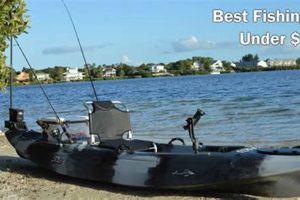
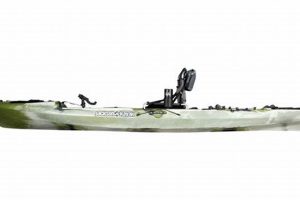
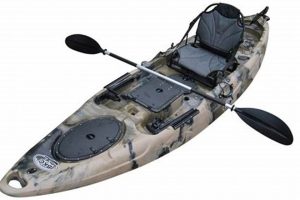
High-quality kayaks designed for both fishing and recreational paddling offer stability, comfort, and specialized features. These features may include rod holders, storage compartments for tackle and gear, and potentially a higher weight capacity to accommodate anglers and their equipment. A well-designed hull provides efficient tracking for leisurely paddling while also offering stability for casting and reeling in fish. Such kayaks often incorporate comfortable seating systems for extended periods on the water.
The growing popularity of kayak fishing and the desire for versatile watercraft have driven the demand for kayaks capable of serving both purposes. This dual functionality eliminates the need for separate kayaks, saving space and cost. The ability to transition seamlessly from a leisurely paddle to a focused fishing experience enhances the overall enjoyment of water-based activities. Furthermore, kayaks designed for these combined purposes often prioritize stability and safety, making them suitable for various skill levels and water conditions.
The following sections will delve deeper into specific features, leading models, selection criteria, and essential accessories for choosing a suitable multi-purpose kayak.
Tips for Choosing a Kayak for Fishing and Recreation
Selecting a kayak suitable for both fishing and recreational paddling requires careful consideration of various factors. The following tips offer guidance for making an informed decision.
Tip 1: Prioritize Stability: Hull design significantly impacts stability. Wider, flatter hulls offer greater initial stability, beneficial for fishing activities, while slightly narrower hulls enhance tracking for recreational paddling. Consider the primary intended use and desired balance between stability and maneuverability.
Tip 2: Evaluate Storage Capacity: Adequate storage is crucial for both fishing gear and recreational essentials. Evaluate the size, placement, and accessibility of storage compartments, including dedicated tackle storage and dry hatches for personal items.
Tip 3: Consider Weight Capacity: The kayak’s weight capacity should accommodate the combined weight of the paddler, fishing gear, and any additional equipment. Exceeding the weight capacity can compromise stability and performance.
Tip 4: Assess Seating Comfort: Long hours on the water necessitate a comfortable seating system. Look for adjustable seating with adequate back support and padding. Consider the seat’s breathability and durability.
Tip 5: Examine Rod Holders and Accessories: Dedicated rod holders, preferably flush-mounted or adjustable, are essential for fishing. Evaluate the placement and number of rod holders based on fishing style and preferences. Consider additional accessories like paddle clips and anchor trolleys.
Tip 6: Choose the Right Length and Width: Longer kayaks generally track better, while shorter kayaks offer greater maneuverability. Wider kayaks provide enhanced stability, while narrower kayaks are faster and more efficient for covering distance.
Tip 7: Test Before Buying (If Possible): Testing different kayak models allows for firsthand experience with stability, comfort, and maneuverability. A test paddle can help determine the best fit for individual needs and preferences.
By considering these factors, individuals can select a kayak that effectively balances fishing functionality with recreational paddling performance, ensuring an enjoyable and versatile on-water experience.
The concluding section will summarize key selection criteria and offer final recommendations for choosing the ideal dual-purpose kayak.
1. Stability

Stability is a paramount consideration when selecting a kayak intended for both fishing and recreational paddling. A stable platform is essential for casting lines, reeling in fish, and maintaining balance in various water conditions. Compromised stability can detract significantly from the enjoyment and safety of both activities.
- Hull Design and Stability
Hull design plays a crucial role in determining a kayak’s stability. Wider, flatter hulls generally offer greater initial stability, making them suitable for fishing activities where frequent movements and shifting weight are common. However, this stability often comes at the expense of maneuverability and speed. Narrower hulls provide better tracking and glide but may feel less stable, particularly for beginners. Specialized hull designs, such as pontoon hulls or those with pronounced chines, offer enhanced stability while maintaining reasonable performance characteristics.
- Center of Gravity and Balance
The center of gravity significantly impacts stability. A lower center of gravity contributes to a more stable feel. Factors such as seat height and the distribution of weight within the kayak influence the center of gravity. Keeping heavier items lower in the kayak improves stability. Understanding weight distribution and its impact on balance is crucial for safe and enjoyable kayaking, particularly when fishing.
- Water Conditions and Stability
Calm, flat water conditions are generally forgiving in terms of stability. However, kayaks intended for both fishing and recreational use may encounter more challenging conditions, such as wind, waves, or currents. Kayak stability in these conditions is crucial for safety. Wider kayaks with higher initial stability tend to perform better in rougher waters. Experience and paddling technique also play a significant role in maintaining stability in challenging environments.
- Stability and Angling Performance
Stability directly impacts angling performance. A stable platform enables anglers to cast accurately, fight fish effectively, and maintain balance during critical moments. Features like outriggers or stabilizers can further enhance stability, particularly for stand-up fishing. The ability to remain stable while performing fishing-related tasks significantly contributes to a successful and enjoyable angling experience.
Ultimately, the optimal level of stability depends on individual needs and preferences, as well as the intended usage and expected water conditions. Prioritizing stability, particularly when combining fishing and recreational paddling, enhances safety and enjoyment on the water. Careful consideration of hull design, weight distribution, and the anticipated environment contributes to selecting the most suitable kayak for a versatile and rewarding experience.
2. Storage Capacity

Storage capacity is a critical factor influencing the suitability of a kayak for combined fishing and recreational purposes. Adequate storage facilitates carrying essential gear, enhancing both convenience and enjoyment on the water. Insufficient storage can limit the duration and scope of outings, necessitating careful consideration of individual needs and anticipated activities.
- Types of Storage
Kayaks offer various storage options, including open rear wells, enclosed hatches, and dedicated compartments for specific gear. Open wells accommodate larger items but offer less protection from water. Hatches provide waterproof storage for sensitive equipment. Specialized compartments, such as tackle boxes integrated into the kayak’s design, enhance organization and accessibility. The choice of storage type depends on the intended use and the types of items typically carried.
- Capacity and Accessibility
The overall storage capacity of a kayak determines the volume of gear that can be transported. Larger kayaks generally offer more storage space. However, accessibility is equally important. Conveniently located hatches and compartments allow easy access to frequently used items without disrupting paddling or fishing activities. Awkwardly placed or difficult-to-access storage can detract from the overall experience.
- Weight Distribution and Storage
Proper weight distribution is crucial for kayak stability and performance. Distributing weight evenly within the storage compartments helps maintain balance and prevents the kayak from tipping. Concentrating heavier items lower in the kayak improves stability. Consideration of weight distribution during packing enhances both safety and paddling efficiency.
- Storage and Kayak Type
Different kayak types offer varying storage configurations. Sit-on-top kayaks often feature open storage wells suitable for larger items and coolers. Sit-inside kayaks typically incorporate enclosed hatches for dry storage. Fishing kayaks frequently include specialized compartments designed for tackle and rods. The choice of kayak type influences the available storage options and their suitability for specific activities.
Selecting a kayak with appropriate storage capacity is fundamental for a positive experience, particularly when combining fishing and recreational paddling. Balancing storage volume, accessibility, and weight distribution contributes to a comfortable and efficient outing on the water. Careful evaluation of these factors ensures the chosen kayak adequately supports the intended activities and enhances overall enjoyment.
3. Comfort

Comfort is a critical factor influencing the overall enjoyment and duration of kayak fishing and recreational paddling excursions. Discomfort can curtail outings, limiting exploration and diminishing the pleasurable experience. A comfortable kayak promotes extended time on the water, maximizing opportunities for fishing, sightseeing, and relaxation.
Several factors contribute to kayak comfort. Seat design plays a pivotal role. Adjustable seating systems with ample padding and back support accommodate individual preferences and body types. Breathable fabrics enhance comfort in warm weather. Sufficient legroom and a comfortable seating position contribute to reduced fatigue during long paddling sessions. A well-designed cockpit provides adequate space and minimizes pressure points. Ergonomic considerations, such as adjustable footrests and thigh braces, further enhance comfort and control.
The impact of comfort extends beyond mere enjoyment. Proper posture and support contribute to physical well-being, reducing strain on the back, neck, and shoulders. Enhanced comfort allows for greater focus on fishing or recreational activities, rather than on physical discomfort. This heightened focus can lead to improved fishing success and a more immersive experience with the surrounding environment. Investing in a comfortable kayak translates to more productive and enjoyable time spent on the water, making comfort a crucial component of the best fishing and recreational kayaks.
4. Fishing Features
Specialized features distinguish fishing kayaks from recreational models, enhancing angling effectiveness and overall experience. These features contribute significantly to a kayak’s suitability for fishing, impacting convenience, organization, and success on the water. Careful consideration of these features is essential when selecting a kayak intended for serious angling.
- Rod Holders
Rod holders secure fishing rods, allowing anglers to manage multiple lines or keep rods readily accessible while paddling or attending to other tasks. Flush-mounted rod holders minimize interference with paddling strokes. Adjustable rod holders offer flexibility in positioning rods at optimal angles. The number and placement of rod holders depend on individual fishing styles and preferences.
- Tackle Storage
Dedicated tackle storage compartments keep lures, hooks, and other essential fishing gear organized and readily accessible. Waterproof compartments protect sensitive equipment from moisture. Well-designed tackle storage systems streamline fishing operations, minimizing time spent searching for gear and maximizing time spent fishing. Features like integrated tackle trays and removable storage containers enhance organization and convenience.
- Fish Finders and Electronics Mounts
Many fishing kayaks accommodate fish finders and other electronic devices. Integrated mounting systems provide secure and convenient placement of these electronics. Transducer scuppers allow for easy installation of transducers without drilling holes in the hull. Power supply options, such as battery compartments or pre-wired connections, further enhance the integration of electronics into the kayak’s design.
- Anchor Trolleys and Stake-Out Systems
Anchor trolleys and stake-out systems enable anglers to position their kayaks precisely in desired locations, maintaining position in current or wind. These systems contribute to fishing effectiveness by allowing anglers to focus on fishing rather than on maintaining position. Anchor trolleys allow for controlled drifting, while stake-out systems provide secure anchoring in shallow water.
The presence and quality of these fishing-specific features significantly influence a kayak’s suitability for angling. Prioritizing these features, along with other essential considerations like stability and comfort, contributes to selecting the optimal kayak for a successful and enjoyable fishing experience. Well-designed fishing features enhance convenience, organization, and overall effectiveness on the water, making them crucial components of the best fishing and recreational kayaks.
5. Maneuverability
Maneuverability plays a crucial role in determining a kayak’s suitability for both fishing and recreational paddling. A highly maneuverable kayak allows for precise navigation in tight spaces, swift turns, and efficient adjustments to changing water conditions or fishing opportunities. This characteristic is essential for navigating complex shorelines, narrow creeks, and areas with obstacles like fallen trees or rocks. In a fishing context, maneuverability enables anglers to position themselves optimally for casting, follow fish movements, and access hard-to-reach fishing spots. For recreational paddling, enhanced maneuverability contributes to a more dynamic and engaging experience, allowing paddlers to explore diverse waterways and react quickly to changing conditions. A less maneuverable kayak can be cumbersome and frustrating in these situations, limiting access and enjoyment.
Several factors influence kayak maneuverability. Shorter kayaks generally turn more quickly than longer kayaks, offering greater agility in confined spaces. Hull design also plays a significant role; kayaks with a more pronounced rocker (upward curve of the hull) tend to be more maneuverable. The use of a rudder or skeg can enhance tracking and directional control, particularly in windy conditions, but may slightly reduce turning agility. Paddle type and technique also influence maneuverability. Shorter, wider paddles provide more powerful strokes for quick turns, while longer, narrower paddles are better suited for efficient forward paddling. Skilled paddlers can utilize various paddling techniques to enhance maneuverability, regardless of kayak design.
The optimal level of maneuverability depends on the intended use and the types of waterways frequently encountered. Anglers fishing in confined spaces or maneuvering around obstacles prioritize high maneuverability. Recreational paddlers exploring winding rivers or navigating close to shore also benefit from a kayak that responds quickly to paddle input. Conversely, kayakers prioritizing speed and efficiency on open water might favor a less maneuverable kayak that tracks well and maintains momentum. Balancing maneuverability with other performance characteristics, such as stability and tracking, is crucial for selecting the best kayak for individual needs and preferences. Understanding the interplay of these factors ensures a kayak performs optimally in the intended environment, enhancing both fishing success and recreational enjoyment.
Frequently Asked Questions
This section addresses common inquiries regarding kayaks suitable for both fishing and recreational use, offering concise and informative responses to aid in the selection process.
Question 1: What key features distinguish a fishing kayak from a recreational kayak?
Fishing kayaks typically incorporate specialized features such as rod holders, tackle storage compartments, and often anchor trolleys or stake-out systems. They may also offer a higher weight capacity and enhanced stability compared to recreational kayaks.
Question 2: Are sit-on-top kayaks better for fishing or sit-inside kayaks?
Sit-on-top kayaks generally offer greater stability and ease of entry and exit, making them popular for fishing. Sit-inside kayaks provide better protection from the elements and are often preferred for colder water or longer paddling trips.
Question 3: How important is stability in a fishing and recreational kayak?
Stability is paramount, particularly for fishing activities. A stable platform enables anglers to cast, reel, and land fish safely and effectively. It also contributes to a more comfortable and confident experience for recreational paddling.
Question 4: What is the ideal length for a kayak intended for both fishing and recreation?
The optimal length depends on individual needs and preferences. Shorter kayaks offer greater maneuverability, while longer kayaks provide better tracking and speed. A length between 10 and 14 feet is often suitable for combined use.
Question 5: How does weight capacity affect kayak performance and safety?
Exceeding the weight capacity compromises stability and performance, potentially leading to unsafe conditions. The combined weight of the paddler, gear, and any potential catch should always be within the specified weight limit.
Question 6: What are the essential accessories for a fishing and recreational kayak?
Essential accessories may include a paddle, personal flotation device (PFD), dry bag for personal items, anchor, and appropriate fishing gear based on individual preferences.
Careful consideration of these frequently asked questions provides valuable insights for informed decision-making when selecting a kayak best suited for combined fishing and recreational pursuits. Prioritizing individual needs and intended usage ensures a kayak meets specific requirements and enhances the overall experience on the water.
For further information and specific product recommendations, please consult our comprehensive guide to the best fishing and recreational kayaks.
Conclusion
Optimal kayak selection for combined fishing and recreational use necessitates careful evaluation of key features. Stability, storage capacity, comfort, specialized fishing features, and maneuverability all contribute significantly to on-water performance and enjoyment. Balancing these elements based on individual needs and intended usage ensures a versatile and rewarding experience. Prioritizing stability enhances safety and fishing effectiveness, while ample storage accommodates essential gear. Comfort promotes extended outings, and dedicated fishing features streamline angling activities. Maneuverability facilitates exploration and access to diverse waterways. A thorough understanding of these factors empowers informed decision-making and ensures the chosen kayak aligns perfectly with specific requirements.
The pursuit of the ideal kayak represents an investment in enriching outdoor experiences. Careful consideration of design elements and performance characteristics ensures a vessel capable of meeting diverse needs and enhancing enjoyment on the water for years to come. Embracing the versatility offered by a well-chosen kayak opens doors to a world of exploration, relaxation, and successful angling adventures.