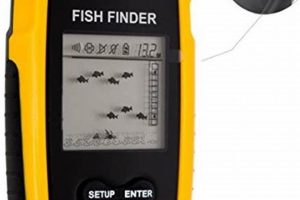
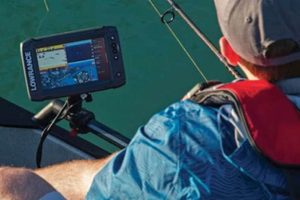
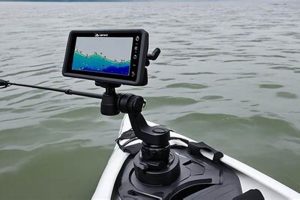
High-quality sonar devices designed for kayak use allow anglers to locate fish, underwater structures, and bottom contours with precision. These compact, portable units typically feature GPS capabilities, chartplotting options, and various sonar frequencies for adapting to different water conditions and target species. A typical setup might include a transducer mounted on the kayak’s hull or deployed on a trolling motor, connected to a display unit conveniently placed for the angler’s viewing.
Locating fish efficiently is paramount to a successful fishing trip. These specialized electronic devices dramatically increase angling success by providing real-time underwater insights. Knowledge of depth, bottom composition, and fish location empowers anglers to make informed decisions about lure choice, presentation, and fishing strategy. This technology has evolved significantly, moving from basic flashing lights indicating depth to sophisticated systems offering photo-realistic images of the underwater environment. This advancement has made kayaking a more productive and enjoyable experience for anglers of all skill levels.
Several factors influence the selection of an appropriate sonar unit for kayak fishing, including display size and resolution, transducer type, power output, and additional features like GPS and mapping capabilities. Exploring these factors in detail will help anglers choose the ideal device for their specific needs and budget.
Tips for Choosing and Using Kayak Fish Finders
Selecting and utilizing a suitable sonar device significantly enhances angling success from a kayak. Consider these essential tips for optimizing the experience.
Tip 1: Transducer Selection: Choosing the correct transducer is crucial. Consider the target fishing environment. In shallower waters, a higher frequency transducer (e.g., 200 kHz) provides better detail and clarity. Deeper waters require lower frequencies (e.g., 50 kHz) for better penetration.
Tip 2: Display Size and Resolution: Opt for a display size and resolution easily visible in varying light conditions. Larger, higher-resolution displays offer enhanced detail and clarity, particularly in bright sunlight.
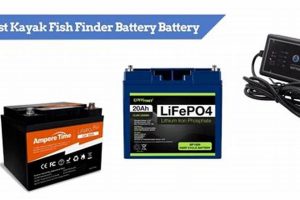
Tip 3: Power Consumption: Kayak fish finders operate on battery power. Consider the unit’s power consumption to ensure sufficient battery life for the duration of fishing trips.
Tip 4: GPS and Mapping: GPS functionality and mapping capabilities offer significant navigational advantages. These features allow anglers to mark waypoints, track routes, and identify productive fishing areas.
Tip 5: Mounting Location: Proper transducer mounting is essential for accurate readings. Ensure the transducer is securely mounted and free from obstructions that might interfere with sonar signals. Consider a through-hull mount for optimal performance or a transom mount for easier installation.
Tip 6: Sonar Interpretation: Learn to interpret sonar readings effectively. Understanding how to identify fish, bottom structure, and vegetation will enhance fishing success. Practice interpreting the display in different environments to gain proficiency.
Tip 7: Battery Management: Carry a spare battery or a portable power source to ensure continuous operation during longer fishing trips. Monitor battery levels regularly and adjust display brightness to conserve power.
Adhering to these guidelines significantly improves the chances of a successful fishing experience. Strategic sonar use empowers anglers to locate fish efficiently and understand the underwater environment more effectively.
By understanding the nuances of sonar technology and applying these tips, anglers can elevate their kayak fishing to new levels of success and enjoyment.
1. Target Species

Target species significantly influence the selection of optimal sonar equipment for kayak fishing. Different fish species inhabit varying depths and exhibit distinct behavioral patterns. These factors necessitate specific sonar features to effectively locate and target desired species. For instance, anglers pursuing pelagic species like tuna or mackerel, which often suspend in open water, benefit from high-frequency transducers (e.g., 200 kHz) capable of precisely marking individual fish or bait balls. These transducers excel in shallower depths and provide detailed images of the water column. Conversely, anglers targeting bottom-dwelling species like grouper or snapper require lower-frequency transducers (e.g., 50 kHz) that offer greater depth penetration and the ability to distinguish fish from complex bottom structures. Understanding the target species’ typical habitat and behavior dictates the necessary transducer characteristics and informs the selection of an appropriate fish finder.
Consider the practical application. An angler seeking largemouth bass in a shallow, vegetated lake requires a fish finder capable of penetrating weeds and identifying fish hiding within cover. A higher-frequency transducer with Down Imaging or Side Imaging capabilities would be beneficial in this scenario, allowing the angler to visualize the underwater environment and pinpoint bass lurking amidst the vegetation. Conversely, an angler targeting deep-sea species like swordfish needs a fish finder with a powerful, low-frequency transducer capable of reaching substantial depths and marking fish in the open ocean. This example further illustrates the direct relationship between target species and fish finder selection.
Matching sonar technology to the specific target species increases angling efficiency and success. Choosing a fish finder without considering the target species can lead to ineffective sonar performance and a diminished ability to locate and catch desired fish. Therefore, careful consideration of target species, their habitat, and their behavior is paramount when selecting the best fish finder for kayak fishing. This understanding allows anglers to invest in technology optimized for their specific needs and maximizes their chances of a successful fishing experience.
2. Kayak Compatibility
Kayak compatibility represents a critical factor when selecting a fish finder. Compatibility encompasses several key aspects, including the ease of installation, secure mounting options, and the fish finder’s overall suitability for the kayak’s design and intended use. A compatible fish finder integrates seamlessly with the kayak, minimizing interference with paddling and maximizing angling efficiency.
Several factors influence compatibility. Kayak size and layout dictate available mounting space and transducer placement options. Sit-on-top kayaks offer more mounting flexibility compared to sit-inside kayaks. Transducer compatibility also plays a crucial role. Different transducer types require specific mounting methods, impacting installation complexity and overall performance. Power supply considerations are essential. Battery capacity and wiring must align with the fish finder’s power requirements and the kayak’s electrical system, if any. Ignoring compatibility can lead to unstable mounting, interference with paddling, and compromised sonar performance.
Consider a practical scenario. A compact, lightweight fish finder with a portable battery and a transom-mount transducer is ideal for a small, inflatable kayak. This setup minimizes weight and complexity, crucial for maintaining kayak stability and maneuverability. Conversely, a larger, more feature-rich fish finder with a through-hull transducer and integrated GPS might be better suited for a larger, rigid-hulled kayak designed for offshore fishing. This scenario demonstrates the practical significance of compatibility. Choosing a compatible fish finder ensures seamless integration, optimized performance, and an enhanced kayak fishing experience.
3. Transducer Type

Transducer selection significantly impacts the performance of fish finders, especially in kayak fishing. Choosing the appropriate transducer type hinges on factors such as target species, fishing environment, and desired functionality. Different transducer types offer varying strengths and weaknesses, influencing the quality of sonar readings and the overall effectiveness of the fish finder.
- Transducer Frequency
Transducer frequency directly affects sonar cone angle and signal penetration. Higher frequencies (e.g., 200 kHz) offer narrower cones and detailed images in shallower water, ideal for pinpointing structure and fish in clear conditions. Lower frequencies (e.g., 50 kHz) provide wider cones and greater depth penetration, suitable for deeper water and challenging environments. Kayak anglers often benefit from dual-frequency transducers, offering versatility for various fishing scenarios.
- Mounting Style
Transducer mounting styles impact installation and sonar performance. Common options include transom mount, through-hull mount, and trolling motor mount. Transom mounts are easy to install but may suffer from turbulence. Through-hull mounts offer optimal performance but require more complex installation. Trolling motor mounts provide flexibility for positioning the transducer. Kayak anglers often prefer transom or trolling motor mounts due to ease of installation and portability.
- CHIRP Technology
CHIRP (Compressed High-Intensity Radar Pulse) technology utilizes a range of frequencies within a single pulse, providing superior target separation and clarity compared to traditional single-frequency transducers. CHIRP transducers excel at distinguishing fish from structure and bottom, particularly in deeper water or areas with heavy vegetation. While typically more expensive, CHIRP transducers offer significant performance advantages for discerning anglers.
- Side/Down Imaging
Side Imaging and Down Imaging transducers provide detailed, photo-like images of the underwater environment. Side Imaging scans to the sides of the kayak, revealing structure, vegetation, and fish beyond the traditional sonar cone. Down Imaging provides a detailed view of the bottom directly beneath the kayak. These technologies enhance situational awareness and allow anglers to identify promising fishing spots.
Understanding the nuances of transducer types empowers kayak anglers to make informed decisions. Selecting the right transducer enhances fish finder performance, improves target identification, and ultimately increases the chances of a successful fishing trip. Matching transducer characteristics to the specific fishing environment and target species ensures optimal sonar performance and maximizes the benefits of a kayak fish finder.
4. Display Clarity

Display clarity is a paramount consideration when selecting a fish finder for kayak use. A clear, easily readable display significantly impacts the angler’s ability to interpret sonar data effectively, leading to improved fish identification, enhanced understanding of underwater terrain, and ultimately, increased fishing success. Given the often challenging viewing conditions experienced in kayak fishing, such as direct sunlight and water glare, display quality is a crucial factor differentiating high-performing units from less effective options.
- Screen Resolution and Size
Screen resolution, measured in pixels, directly influences the sharpness and detail of the displayed sonar information. Higher resolutions depict finer details, allowing for better distinction between fish, structure, and bottom composition. Screen size also plays a crucial role; larger displays present information more clearly, reducing eye strain and facilitating quicker interpretation, especially in dynamic kayaking environments. A compact kayak requires a balance between screen size and portability.
- Color Palette and Contrast
The display’s color palette and contrast significantly affect visibility and data interpretation. A vibrant color palette with high contrast allows for clear differentiation between various sonar returns, making it easier to identify fish, vegetation, and bottom features. Adjustable color schemes and contrast settings further enhance visibility in varying light conditions, ensuring optimal performance throughout the day.
- Screen Brightness and Backlighting
Screen brightness and backlighting are essential for maintaining visibility in bright sunlight or low-light conditions. Powerful backlighting ensures the display remains readable even in direct sunlight, while adjustable brightness settings allow for comfortable viewing in darker environments or at night. Effective brightness and backlighting contribute significantly to a positive user experience.
- Viewing Angle Stability
Viewing angle stability refers to the display’s ability to maintain clarity and readability from various angles. This is crucial in a kayak, where the angler’s viewing position might shift frequently. A display with wide viewing angle stability ensures consistent data interpretation regardless of the angler’s position, contributing to efficient and effective sonar use.
These factors collectively contribute to display clarity, a critical aspect of fish finder performance in kayak fishing. Prioritizing display clarity ensures anglers can effectively interpret sonar data, maximize their understanding of the underwater environment, and ultimately enhance their fishing success. Investing in a fish finder with a high-quality display significantly improves the overall kayaking fishing experience.
5. GPS/Chartplotting
GPS and chartplotting capabilities significantly enhance the functionality of fish finders designed for kayaks. Integration of these technologies provides anglers with advanced navigational tools and detailed mapping data, directly impacting fishing efficiency and overall situational awareness. GPS functionality allows for precise location tracking, enabling anglers to mark waypoints, navigate to specific locations, and retrace productive routes. Chartplotting overlays this location data onto detailed maps, providing a visual representation of the underwater terrain, including depth contours, structure, and potential hazards. This combined functionality empowers anglers to systematically explore promising areas, identify key fishing spots, and optimize their time on the water.
Consider the practical application: an angler locates a submerged reef teeming with fish. Using the GPS/chartplotting functionality, the angler marks the reef’s location as a waypoint. This allows for easy return to the productive spot on subsequent trips, regardless of changing weather conditions or visibility. Furthermore, chartplotting enables the angler to visualize the reef’s structure and surrounding depths, informing lure selection and presentation techniques. This example illustrates the practical significance of GPS/chartplotting integration within kayak fishing electronics. Another illustrative example involves navigating through complex waterways. GPS/chartplotting provides crucial navigational assistance, allowing kayak anglers to safely maneuver through unfamiliar areas, avoid hazards, and maintain a sense of direction, particularly in challenging conditions like fog or low light.
The synergistic relationship between GPS, chartplotting, and fish finder technology optimizes the kayak fishing experience. This integration empowers anglers with enhanced navigational capabilities, detailed mapping information, and precise location tracking. These tools contribute directly to increased fishing efficiency, improved situational awareness, and a safer, more productive time on the water. Selecting a kayak fish finder with robust GPS/chartplotting features represents a strategic investment for anglers seeking to maximize their on-the-water success.
6. Battery Life

Battery life is a critical consideration when selecting a fish finder for kayak use. Extended trips, limited recharging opportunities, and the power demands of sonar technology necessitate careful evaluation of battery capacity and power management features. A fish finder with insufficient battery life can curtail fishing trips and compromise angling success. Therefore, understanding the factors influencing battery consumption and selecting a unit with adequate power reserves is essential for maximizing on-the-water efficiency and enjoyment.
- Power Consumption and Display Settings
Fish finder power consumption varies based on several factors, including screen brightness, sonar frequency, and utilization of additional features like GPS and chartplotting. Higher brightness settings and continuous use of power-intensive features drain the battery more quickly. Judicious use of these features and adjusting screen brightness as needed can significantly extend battery life. For example, reducing screen brightness in low-light conditions or disabling GPS when navigating familiar waters conserves valuable battery power.
- Battery Capacity and Type
Battery capacity, typically measured in ampere-hours (Ah), directly determines the potential operational duration of a fish finder. Larger capacity batteries provide longer runtimes, allowing for extended fishing trips without recharging. Battery type also influences performance. Lithium-ion batteries generally offer higher energy density and longer lifespans compared to traditional lead-acid batteries, making them a preferred choice for kayak fish finders. However, lithium-ion batteries are typically more expensive.
- External Power Sources and Charging Options
Utilizing external power sources or incorporating charging options extends fish finder operational time. Portable power banks or dedicated kayak battery systems provide supplemental power, ensuring continuous operation during longer trips. Solar panels offer a sustainable charging solution, particularly for multi-day excursions. Integrating these options enhances flexibility and reduces the risk of power depletion during critical fishing moments.
- Power-Saving Modes and Features
Many fish finders incorporate power-saving modes and features designed to extend battery life. These features automatically adjust display brightness, reduce sonar output, or disable non-essential functions when the battery reaches a critical level. Utilizing these power-saving options can prolong battery life and ensure the fish finder remains operational throughout the fishing trip.
Careful consideration of battery life, power consumption, and available power management options is essential when selecting a fish finder for kayak use. Optimizing battery performance ensures uninterrupted operation, maximizing fishing time and enhancing the overall on-the-water experience. Prioritizing battery life ensures anglers can rely on their electronics throughout their fishing trip, contributing to a more successful and enjoyable outing.
7. Budget Considerations

Budget considerations play a significant role in selecting the best fish finder for kayak fishing. Balancing desired features, performance capabilities, and overall cost requires careful evaluation of available options. Understanding the relationship between price and functionality empowers anglers to make informed decisions, ensuring the chosen fish finder aligns with both angling needs and budgetary constraints. A well-defined budget guides the selection process and helps narrow the field of potential candidates, preventing overspending while ensuring essential features are not compromised.
- Entry-Level vs. High-End Models
Entry-level fish finders offer basic sonar functionality at affordable prices, suitable for anglers seeking fundamental depth and fish identification capabilities. High-end models incorporate advanced features like CHIRP sonar, GPS/chartplotting, and larger, higher-resolution displays, catering to anglers demanding enhanced performance and detailed underwater mapping. The price difference between these categories reflects the level of technology and functionality offered. For example, an entry-level model might provide basic 2D sonar, while a high-end model could offer CHIRP sonar, Down/Side Imaging, and built-in GPS.
- Feature Set and Functionality
The desired feature set directly influences the price of a fish finder. Basic models focus on depth readings and fish identification, while more advanced units incorporate GPS, chartplotting, multiple sonar frequencies, and advanced signal processing. Carefully evaluating required features helps anglers select a model that meets their specific needs without incurring unnecessary costs. An angler primarily fishing in shallow, familiar waters might prioritize a basic model with clear sonar readings, while an angler exploring unfamiliar offshore areas might require GPS and chartplotting capabilities, justifying a higher price point.
- Transducer Quality and Type
Transducer quality and type impact both performance and price. Basic transducers provide adequate performance for general fish finding, while advanced transducers, such as CHIRP or Down/Side Imaging models, offer enhanced clarity, target separation, and detailed underwater visualization. The cost of the transducer contributes significantly to the overall price of the fish finder system. A basic single-frequency transducer will be less expensive than a CHIRP transducer with Down/Side Imaging capabilities, but the latter offers superior performance for discerning anglers.
- Brand Reputation and Warranty
Brand reputation and warranty coverage often correlate with price. Established brands with a history of producing reliable electronics typically command higher prices. Comprehensive warranty coverage provides peace of mind and protection against potential defects, justifying the investment. While less-known brands might offer budget-friendly options, researching their reliability and warranty terms is essential before making a purchase. A longer warranty period and positive customer reviews often indicate a higher-quality product, even if it comes at a slightly higher initial cost.
By carefully evaluating these budget considerations, anglers can effectively navigate the market and select a fish finder that balances essential features, desired performance, and affordability. Aligning budget constraints with angling needs ensures a satisfying purchase and contributes to a more productive and enjoyable kayak fishing experience. The ultimate goal is to maximize the value of the investment by choosing a fish finder that delivers the necessary capabilities within a pre-determined budget, enhancing angling success without financial strain.
Frequently Asked Questions
Addressing common inquiries regarding sonar devices designed for kayak fishing clarifies key aspects of selection, installation, and operation. Understanding these frequently asked questions empowers anglers to make informed decisions and maximize the benefits of this technology.
Question 1: What is the ideal transducer mounting location on a kayak?
Optimal transducer placement depends on kayak design and transducer type. Inside-hull mounting provides excellent protection but may slightly reduce sonar performance. Transom mounting offers convenient installation and good performance in calm waters. Trolling motor mounting allows for flexible transducer positioning.
Question 2: How does CHIRP sonar differ from traditional sonar?
CHIRP (Compressed High-Intensity Radar Pulse) sonar transmits a continuous sweep of frequencies, unlike traditional sonar, which uses single frequencies. This results in superior target separation, improved clarity, and better performance in various water conditions, particularly in deeper water or around heavy vegetation.
Question 3: What size fish finder display is suitable for kayak fishing?
Display size selection involves balancing visibility and kayak space constraints. While larger displays offer enhanced clarity and data presentation, smaller displays conserve valuable space. Generally, displays ranging from 5 to 7 inches provide a suitable balance for most kayak fishing applications. Consider display resolution as well; higher resolution enhances image clarity.
Question 4: How is battery life maximized when using a fish finder on a kayak?
Optimizing battery life involves managing power consumption. Reducing screen brightness, disabling unused features like GPS when not needed, and utilizing power-saving modes extend operational duration. Carrying a spare battery or using a portable power source further ensures uninterrupted operation.
Question 5: Can a fish finder be used in both freshwater and saltwater environments?
Many fish finders function in both freshwater and saltwater. However, the transducer must be compatible with the intended environment. Some transducers are designed specifically for saltwater use due to the corrosive nature of saltwater. Verify transducer compatibility before use in saltwater.
Question 6: What maintenance is required for a kayak fish finder?
Regular maintenance ensures optimal performance. Keeping the transducer clean and free of debris improves sonar signal quality. Protecting the display from direct sunlight and extreme temperatures prolongs its lifespan. Checking electrical connections and ensuring software updates are current contribute to reliable operation.
Careful consideration of these frequently asked questions provides valuable insights into the selection, installation, and operation of kayak fish finders. Addressing these common concerns empowers anglers to make informed decisions and maximize the benefits of sonar technology, enhancing their kayak fishing experience.
Further exploration of specific fish finder models and features will further refine the selection process.
Best Fish Finders for Kayaks
Optimal selection of sonar devices designed specifically for kayak fishing necessitates careful consideration of several key factors. These include transducer type and mounting location, display clarity and size, GPS and chartplotting capabilities, battery life and power management strategies, and budgetary constraints. Balancing these considerations ensures the chosen unit aligns with specific angling needs and the unique demands of kayak fishing. Understanding transducer frequencies and their suitability for different depths and target species is crucial. Display clarity and size significantly impact data interpretation, especially in challenging lighting conditions often encountered on the water. GPS and chartplotting functionalities enhance navigational efficiency and allow for precise marking of productive fishing locations. Battery life considerations are paramount due to the limitations of kayak power systems. Finally, establishing a realistic budget helps narrow the field of potential options and ensures a cost-effective investment.
Strategic selection of high-quality sonar equipment elevates kayak fishing experiences. Informed decision-making, guided by the factors outlined herein, empowers anglers to leverage technology effectively, increasing fishing success and maximizing enjoyment on the water. The integration of advanced electronics enhances situational awareness, improves fish-finding capabilities, and ultimately contributes to a more rewarding and productive angling experience. Further research into specific models and features, tailored to individual angling preferences and fishing environments, will further refine the selection process and ensure optimal equipment choices.