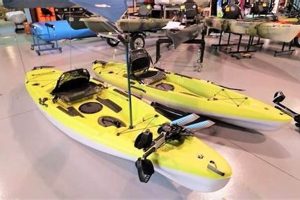
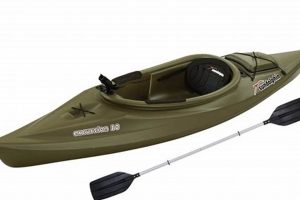
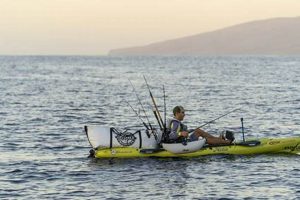
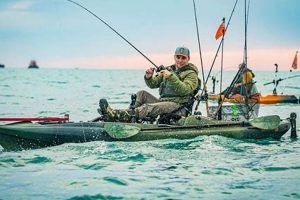
A retail giant offers a popular brand of recreational fishing kayaks designed for affordability and ease of use. These vessels are typically constructed from durable, lightweight materials suitable for calm waters and offer features like rod holders, storage compartments, and adjustable seating. They represent an accessible entry point into the sport of kayak fishing.
The combination of a readily available retail channel and a recognized brand providing economical options has significantly broadened access to kayak fishing. This has contributed to the sport’s growth by lowering the barrier to entry for newcomers. Historically, specialized retailers were the primary source for such equipment, often at a higher price point. The wider availability through large retailers has democratized the activity, allowing more individuals to experience the enjoyment and relaxation of fishing from a kayak.
This increased accessibility raises important considerations related to safety, responsible use, and environmental impact, topics explored in the following sections. Understanding proper paddling techniques, essential safety gear, and Leave No Trace principles are crucial for ensuring a positive experience for anglers and the preservation of natural waterways.
Tips for Kayak Fishing
Safe and enjoyable kayak fishing requires preparation and adherence to best practices. The following tips offer guidance for a successful outing.
Tip 1: Check Local Regulations. Fishing licenses and permits may be required depending on the location. Regulations regarding catch limits, permitted fishing methods, and protected species should be reviewed before embarking on any fishing trip.
Tip 2: Prioritize Safety. Always wear a personal flotation device (PFD). Inform someone of the planned fishing location and estimated return time. Carry a whistle or other signaling device in case of emergencies.
Tip 3: Choose Appropriate Waters. Opt for calm, sheltered waters, especially for beginners. Be mindful of weather conditions and avoid venturing out in strong winds or currents.
Tip 4: Practice Basic Paddling Techniques. Familiarization with fundamental paddling strokes allows for efficient maneuvering and conserves energy. Practice in a controlled environment before heading to open water.
Tip 5: Equip the Kayak Properly. Secure fishing rods and other gear using appropriate mounts and tethers. Carry essential safety equipment, including a first-aid kit, bilge pump, and paddle leash.
Tip 6: Respect the Environment. Adhere to Leave No Trace principles. Dispose of waste properly and avoid disturbing wildlife or sensitive habitats.
Tip 7: Plan for Changing Conditions. Weather can change rapidly. Pack extra layers of clothing and be prepared to adjust plans if necessary. Monitor weather forecasts before and during the trip.
By following these guidelines, anglers can contribute to a safe and rewarding experience while minimizing environmental impact. Responsible practices ensure the continued enjoyment of this popular pastime.
These preparatory steps contribute to a positive experience on the water. The concluding section offers additional resources for enhancing fishing techniques and expanding knowledge of local waterways.
1. Affordability

Cost is a significant factor influencing purchasing decisions, particularly within recreational activities. The affordability of a fishing kayak directly impacts its accessibility to a broader audience. Examining the affordability of these products requires consideration of several key facets.
- Price Point Compared to Competitors
These kayaks typically occupy a lower price point compared to higher-end fishing kayaks constructed with more advanced materials or featuring specialized designs. This competitive pricing makes them an attractive option for budget-conscious individuals or those new to the sport who may be hesitant to invest heavily initially.
- Materials and Manufacturing
Utilizing readily available, durable plastics in construction contributes to cost-effectiveness. While these materials might not offer the same performance characteristics as premium composites, they provide sufficient durability for recreational use in calm waters. This strategic material selection allows for a balance between cost and functionality.
- Retail Strategy and Distribution
Availability through a large retail chain with established distribution networks further contributes to affordability. The economies of scale achieved through mass production and distribution reduce costs associated with specialized retail, allowing for a lower consumer price point.
- Target User and Intended Use Case
These kayaks are explicitly designed for recreational use in calm water environments. This targeted design focus avoids the inclusion of expensive features geared toward more demanding conditions, thus maintaining affordability while catering effectively to the intended user’s needs.
The confluence of competitive pricing, material selection, distribution strategy, and targeted design establishes these kayaks as an affordable entry point into kayak fishing. This affordability contributes significantly to the accessibility of the sport, encouraging broader participation and enjoyment. However, potential purchasers should also carefully consider the limitations inherent in budget-friendly equipment to ensure their expectations align with the product’s intended use and performance capabilities.
2. Accessibility

Accessibility, in the context of recreational equipment, encompasses more than just price. While affordability plays a crucial role, the availability of products through widespread retail channels significantly impacts accessibility. The distribution of these kayaks through a major retailer creates a crucial link between product and consumer. This retail strategy expands the potential user base considerably, reaching individuals who might not otherwise have access to specialized outdoor sporting goods stores. For example, individuals in rural areas or those without convenient access to specialty retailers benefit from the widespread availability offered by a national chain. This ease of access removes a significant barrier to entry for prospective kayak anglers.
Furthermore, the availability of these kayaks both online and in physical stores enhances accessibility. Online purchasing offers convenience and home delivery, catering to busy lifestyles and remote locations. Physical store availability allows potential buyers to inspect the product firsthand, ask questions, and make informed decisions. This combination of online and physical retail presence maximizes accessibility, catering to diverse consumer preferences and needs. Moreover, the retailer’s return policy and potential financing options can further reduce barriers to purchase, ensuring that the product is attainable for a broader range of individuals.
Ultimately, the accessibility afforded by widespread retail distribution democratizes the sport of kayak fishing. This wider accessibility fosters growth within the sport, diversifies the angling community, and encourages more individuals to experience the enjoyment of on-the-water recreation. Understanding the interplay between product availability and consumer access underscores the importance of strategic retail partnerships in promoting outdoor activities and expanding participation within recreational pursuits. However, this increased accessibility also necessitates heightened awareness of responsible use and environmental stewardship to ensure the sustainability of these activities.
3. Stability
Stability is a critical performance characteristic for fishing kayaks, directly influencing angler safety, comfort, and fishing effectiveness. For recreational kayaks sold through major retailers, stability is a paramount design consideration, catering to users of varying skill levels and experience. Understanding the factors contributing to kayak stability is crucial for informed purchasing decisions and safe on-the-water practices.
- Hull Design and Stability
Hull design significantly impacts stability. Wider, flatter hulls generally offer greater primary stability, resisting initial tipping. These kayaks often feature a pontoon-style hull, providing a stable platform, particularly beneficial for beginners or anglers fishing in calm waters. This design prioritizes initial stability over maneuverability, making it suitable for stationary fishing activities. However, wider hulls can be less responsive and efficient for paddling longer distances.
- Center of Gravity and Weight Distribution
A lower center of gravity contributes to enhanced stability. The design of these kayaks, coupled with proper weight distribution by the angler, plays a crucial role in maintaining balance. Positioning heavier items lower in the kayak and distributing weight evenly enhances stability. Anglers should avoid sudden movements or leaning excessively, which can compromise stability and increase the risk of capsizing. Proper loading and weight management are crucial for maintaining a low center of gravity.
- Water Conditions and Stability
Calm water conditions are ideal for maintaining stability, especially in recreational kayaks designed for beginners. Wind, waves, and currents can significantly impact stability, requiring increased vigilance and paddling skill. These kayaks are best suited for sheltered waters such as lakes, ponds, and slow-moving rivers. Venturing into rougher conditions can compromise stability and potentially lead to hazardous situations.
- Stability and Fishing Activities
Stability directly impacts the angler’s ability to perform fishing-related tasks comfortably and safely. Casting, reeling, and landing fish require a stable platform. The inherent stability offered by these kayaks allows anglers to focus on fishing rather than constantly managing balance. However, more dynamic fishing activities, like sight casting while standing, might be less feasible due to design limitations prioritizing stability over maneuverability.
The stability characteristics of these kayaks are tailored to their intended use: recreational fishing in calm water environments. The design choices prioritize initial stability to enhance user confidence and safety, especially for novice anglers. While these design choices may limit performance in more challenging conditions or for advanced fishing techniques, they provide a secure and stable platform for beginner and recreational anglers in their target environment. Recognizing the interplay between hull design, weight distribution, water conditions, and fishing activities underscores the importance of stability in selecting and utilizing a fishing kayak effectively.
4. Durability

Durability is a critical factor in the value proposition of a fishing kayak, directly impacting its lifespan and overall cost-effectiveness. These kayaks, positioned for recreational use and affordability, often utilize high-density polyethylene (HDPE) in their construction. HDPE offers a balance between durability, weight, and cost-effectiveness, making it a suitable material for recreational kayaks intended for calm water environments. While HDPE provides adequate resistance to impacts, abrasion, and UV degradation, understanding its limitations is crucial. For example, dragging the kayak across rough surfaces, exposure to extreme temperatures, or improper storage can compromise the material’s integrity over time.
The durability of these kayaks aligns with their intended use case: recreational fishing in relatively calm waters. While they may not withstand the rigors of extreme whitewater or rocky coastal environments, they offer sufficient durability for their target environment. Regular maintenance, such as cleaning and proper storage, can significantly extend the lifespan of these kayaks. Avoiding excessive exposure to sunlight and extreme temperatures, as well as promptly addressing any scratches or damage, can help preserve the integrity of the HDPE material. Further, understanding the weight capacity and avoiding overloading the kayak contributes to maintaining its structural integrity and long-term durability.
The practical significance of understanding durability in this context lies in informed purchasing decisions and realistic expectations. Consumers should align their expectations of durability with the kayak’s intended use and material properties. While these kayaks offer a durable option for recreational fishing in calm waters, they are not designed for extreme conditions. Recognizing the limitations of HDPE, practicing proper maintenance, and adhering to usage guidelines ensures the kayak provides reliable service within its intended parameters. This understanding ultimately contributes to a satisfying ownership experience and maximizes the value proposition of the product.
5. Features

Features distinguish fishing kayaks from recreational paddling kayaks, enhancing angler convenience, efficiency, and overall fishing experience. Features directly influence functionality and contribute to the overall value proposition of fishing kayaks available through major retailers. Examining key features provides insights into how these kayaks cater to the needs of recreational anglers.
- Rod Holders
Rod holders are essential for securing fishing rods while paddling, changing lures, or landing fish. These kayaks typically include flush-mounted or adjustable rod holders, allowing anglers to keep rods readily accessible and prevent loss or damage. The number and placement of rod holders influence fishing versatility and efficiency. For example, multiple rod holders enable trolling with various lines or techniques.
- Storage Compartments
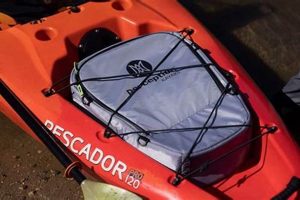
Storage compartments provide dedicated space for tackle boxes, gear, and personal items. These compartments, often located in the bow, stern, or within reach of the seated angler, contribute to organization and accessibility. Dry storage compartments protect sensitive items from water damage. Adequate storage capacity enhances convenience and allows anglers to carry necessary equipment for a successful fishing trip. The size, location, and type of storage impact practicality and user experience.
- Seating and Comfort
Comfortable seating enhances the fishing experience, particularly during longer outings. Adjustable seating systems allow anglers to customize the seat position for optimal comfort and paddling efficiency. Features like padded seats and adjustable backrests contribute to reduced fatigue and improved overall comfort. Seat design and adjustability directly impact long-term comfort and enjoyment on the water.
- Paddle Holders and Other Accessories
Paddle holders secure the paddle when not in use, preventing loss and freeing the angler’s hands for fishing activities. Other accessories, such as anchor trolleys, mounting tracks, and transducer mounts, further enhance functionality and customization options. These additions cater to specific fishing needs and preferences, expanding the versatility of the kayak. The availability and compatibility of accessories influence customization options and overall utility for specific fishing styles.
These features, while often simple in design, collectively contribute to a more convenient, efficient, and enjoyable fishing experience. The inclusion of these features in affordably priced kayaks makes them attractive to a broader audience, facilitating entry into the sport and enhancing the on-the-water experience. Careful consideration of these features, alongside other factors like stability and durability, empowers informed purchasing decisions and contributes to a more satisfying and successful kayak fishing experience. The balance of features, affordability, and accessibility reinforces the value proposition of these kayaks within the recreational fishing market.
6. Target User

Defining the target user is crucial for understanding the design, features, and marketing of recreational fishing kayaks sold through major retailers. The target user profile influences product development decisions and shapes the overall user experience. A clear understanding of the target user for these kayaks is essential for both manufacturers and consumers.
- Recreational Anglers and Beginners
The primary target user is the recreational angler, particularly beginners or those seeking an affordable entry point into kayak fishing. These individuals may have limited prior experience with kayaking or fishing and prioritize ease of use, stability, and affordability. Experienced anglers seeking specialized features or high-performance capabilities are less likely to be the target demographic. For example, a novice angler seeking a stable platform for fishing in calm waters would find this type of kayak suitable, while a seasoned angler navigating challenging currents might require a more specialized vessel.
- Budget-Conscious Consumers
The affordability of these kayaks appeals to budget-conscious consumers. This demographic may include families, students, or individuals seeking cost-effective recreational options. The emphasis on value and accessibility expands the potential user base beyond those with significant disposable income. For instance, families seeking affordable weekend activities might find these kayaks a suitable option, while individuals prioritizing premium materials or advanced features would likely explore higher-priced alternatives.
- Calm Water Environments
The design and stability characteristics of these kayaks cater to calm water environments such as lakes, ponds, and slow-moving rivers. Users intending to navigate challenging currents, open ocean conditions, or whitewater rapids would require a different type of kayak with specialized features and enhanced performance capabilities. Individuals fishing in protected bays or small lakes represent the intended user, while those seeking adventures in rougher waters necessitate more specialized equipment. Understanding the limitations of these kayaks regarding water conditions is crucial for user safety and satisfaction.
- Ease of Use and Transportation
The target user often prioritizes ease of use and transportation. The relatively lightweight and compact design of these kayaks simplifies transport and storage. Users without specialized roof racks or trailers benefit from the manageable size and weight. The ease of setup and maneuverability further contribute to a user-friendly experience, appealing to individuals seeking convenient and accessible recreational options. For example, users with limited storage space or those transporting the kayak on smaller vehicles would appreciate the compact design.
The convergence of these factors defines the target user profile for these kayaks: recreational anglers, particularly beginners, seeking an affordable and accessible entry point into kayak fishing in calm water environments. Understanding this target user profile informs design choices, marketing strategies, and ultimately contributes to a satisfying user experience. Recognizing the intended user profile allows for realistic expectations regarding performance capabilities and limitations, promoting responsible use and enhancing enjoyment of the sport.
7. Limitations
Understanding the limitations of recreational fishing kayaks sold through major retailers is crucial for informed purchasing decisions and safe on-the-water practices. These kayaks, while offering an accessible entry point into the sport, possess inherent limitations stemming from their design, materials, and intended use case. Recognizing these limitations manages expectations and promotes responsible usage.
One key limitation relates to performance in challenging water conditions. These kayaks are designed for calm waters such as lakes, ponds, and slow-moving rivers. Their hull design prioritizes stability over maneuverability and tracking, making them unsuitable for rough waters, strong currents, or open ocean environments. Attempting to use these kayaks in conditions beyond their intended scope increases the risk of capsizing or encountering difficulty maneuvering. For example, paddling against strong headwinds in a large lake or navigating choppy water near a river mouth could prove challenging and potentially dangerous. Similarly, these kayaks are not designed for whitewater or navigating rocky coastal areas.
Weight capacity presents another limitation. These kayaks have a specified weight limit, encompassing the combined weight of the angler, gear, and any additional cargo. Exceeding this weight capacity compromises stability, reduces freeboard (the distance between the waterline and the top of the kayak’s side), and increases the risk of capsizing. Overloading also affects maneuverability and paddling efficiency. For instance, attempting to carry excessive fishing gear or exceeding the recommended passenger weight limit can negatively impact performance and safety. Understanding and adhering to the manufacturer’s specified weight capacity is essential for a safe and enjoyable experience.
Finally, while durable for their intended purpose, these kayaks are not indestructible. The materials used in their construction, while offering a balance of cost-effectiveness and durability, are susceptible to damage from impacts, abrasion, or prolonged exposure to extreme temperatures. Dragging the kayak across rough surfaces, improper storage, or impact with submerged obstacles can compromise the hull’s integrity. For example, repeatedly dragging the kayak over sharp rocks or leaving it exposed to direct sunlight for extended periods can degrade the material over time. Proper care, maintenance, and adherence to usage guidelines are essential for maximizing the lifespan of these kayaks.
Recognizing these limitationsperformance in challenging conditions, weight capacity, and material durabilityallows for informed decision-making and realistic expectations. Choosing the right kayak for the intended environment and usage pattern is crucial for both safety and enjoyment. Understanding these limitations also underscores the importance of responsible kayaking practices, contributing to a positive and sustainable recreational experience.
Frequently Asked Questions
This section addresses common inquiries regarding recreational fishing kayaks available through major retailers. Clear and concise answers provide practical information for prospective buyers and current owners.
Question 1: What is the typical weight capacity of these kayaks?
Weight capacity varies by model but generally ranges from 250 to 350 pounds. Confirming the specific weight capacity for the chosen model before purchase is crucial.
Question 2: Are these kayaks suitable for ocean use?
These kayaks are designed for calm waters like lakes and slow-moving rivers. Ocean use, especially in areas with strong currents, waves, or significant wind, is not recommended due to stability and safety concerns.
Question 3: What maintenance is required for these kayaks?
Regular cleaning with mild soap and water helps prevent the buildup of dirt and grime. Proper storage out of direct sunlight and extreme temperatures prolongs the lifespan of the kayak. Periodically inspecting and addressing any scratches or damage is also recommended.
Question 4: Can these kayaks be transported on a car without a roof rack?
Transporting kayaks without a roof rack requires careful consideration of vehicle type, kayak size, and appropriate tie-down methods. Consulting the vehicle owner’s manual and adhering to safe loading practices are essential. Utilizing foam blocks and high-quality tie-down straps can provide additional security during transport.
Question 5: What essential safety gear should be used with these kayaks?
Essential safety gear includes a personal flotation device (PFD), a whistle or other signaling device, and a paddle leash. Carrying a first-aid kit, a bilge pump, and a communication device is also recommended, especially for longer trips. Adhering to local boating regulations and informing someone of planned paddling routes and estimated return times are crucial safety practices.
Question 6: What are the key differences between various models available?
Models often differ in features, such as the number and type of rod holders, storage capacity, seating design, and included accessories. Comparing model specifications and features helps determine the best fit for individual angler needs and preferences. Key differences may include length, width, weight capacity, and color options. Consider specific fishing styles and desired comfort levels when comparing models.
Addressing these common questions provides a foundation for informed purchasing decisions and promotes safe kayaking practices. Understanding the capabilities and limitations of these kayaks ensures a positive and enjoyable experience on the water.
The following section provides valuable resources for enhancing fishing techniques and exploring local waterways.
Conclusion
Recreational fishing kayaks offered through major retailers represent an accessible entry point into the sport of kayak fishing. Affordability, combined with readily available retail channels, expands access to a wider audience. Understanding key aspects such as stability, durability, features, target user, and limitations empowers informed purchasing decisions. While these kayaks offer a practical and cost-effective option for calm water fishing, recognizing their limitations regarding performance in challenging conditions and weight capacity is crucial for safe and responsible use.
The increasing popularity of kayak fishing underscores the importance of responsible practices and environmental stewardship. Respect for natural waterways, adherence to Leave No Trace principles, and a commitment to safe boating practices ensure the continued enjoyment of this recreational activity for future generations. Continued growth and development within the kayak fishing community rely on informed participation and a collective commitment to preserving the natural resources that sustain this rewarding pastime.