Angling from small, human-powered vessels designed for stability and maneuverability offers a unique way to experience the diverse aquatic environments of Northern Ireland. This approach provides access to otherwise difficult-to-reach fishing grounds, from secluded loughs and rivers to coastal areas.
This specialized form of angling contributes to the local economy through tourism and related industries. It also provides a sustainable recreational activity promoting engagement with the natural environment. The growing popularity of this pursuit reflects increased interest in outdoor activities and the unique perspective it offers anglers. Historically, small boats have played a role in fishing practices, but modern designs optimized for stability and specialized features cater specifically to the needs of anglers.
This article will explore relevant topics including suitable locations, essential equipment, safety considerations, and the environmental impact of this activity within Northern Ireland.
Tips for Kayak Angling in Northern Ireland
Careful planning and preparation are essential for a safe and successful kayak fishing experience. The following tips provide guidance for anglers of all experience levels.
Tip 1: Check Weather Forecasts and Water Conditions: Prior to any outing, consult marine weather forecasts, paying close attention to wind speed, direction, and wave height. Be aware of tidal currents and potential hazards like submerged rocks or strong currents.
Tip 2: Choose Appropriate Safety Equipment: Always wear a personal flotation device (PFD). Carry a whistle, flares, and a waterproof communication device. Inform someone of your planned route and estimated return time.
Tip 3: Select Suitable Locations: Research potential fishing spots considering accessibility, fish species, and potential hazards. Sheltered bays, estuaries, and slow-moving rivers are often good starting points.
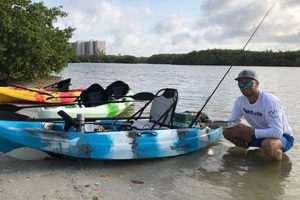
Tip 4: Equip the Kayak Properly: Secure all fishing gear, including rods, reels, and tackle boxes. Utilize rod holders and anchor systems designed specifically for kayaks. Ensure proper weight distribution for stability.
Tip 5: Practice Basic Kayak Handling Skills: Before venturing into open water, become proficient in paddling, maneuvering, and self-rescue techniques. Consider taking a kayaking course specifically designed for anglers.
Tip 6: Respect the Environment: Adhere to local fishing regulations and licensing requirements. Practice catch-and-release whenever possible. Dispose of waste responsibly and minimize disturbance to wildlife.
Tip 7: Pack Essential Supplies: Bring sufficient food and water, sunscreen, appropriate clothing, and a first-aid kit. Consider packing a dry bag for electronic devices and other valuables.
By following these guidelines, anglers can enhance their safety, maximize their chances of success, and contribute to the preservation of Northern Ireland’s aquatic environment.
These considerations form the foundation for a rewarding kayak angling experience. The following sections will delve into specific locations, equipment recommendations, and further safety protocols.
1. Suitable Kayak Selection

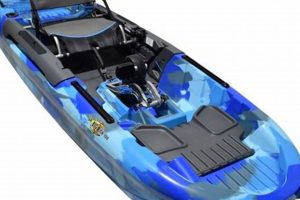
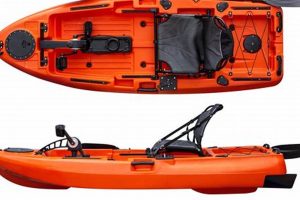
Suitable kayak selection significantly impacts the overall angling experience in Northern Ireland. Kayak design influences stability, maneuverability, and storage capacity, all crucial factors for a successful fishing trip. The diverse water bodies, ranging from calm loughs to exposed coastal areas, necessitate careful consideration of kayak characteristics. For example, a sit-on-top kayak offers enhanced stability and self-bailing capabilities, advantageous in rougher conditions along the North Coast. Conversely, a sit-inside kayak provides better protection from the elements and increased storage for longer expeditions on inland waterways like Lough Neagh. The chosen kayak must also accommodate essential fishing accessories like rod holders, fish finders, and anchor systems.
Matching kayak features to specific fishing styles further enhances performance. Anglers targeting larger species like pike in Upper Lough Erne might prioritize stability and tracking offered by longer, wider kayaks. Those pursuing trout in smaller rivers, however, would benefit from shorter, more agile kayaks capable of navigating shallow, winding waterways. Weight capacity also plays a crucial role, factoring in the combined weight of the angler, equipment, and potential catch. Overloading a kayak compromises stability and increases the risk of capsizing.
Ultimately, the optimal kayak choice directly contributes to both safety and fishing success in Northern Ireland’s diverse aquatic environments. Thorough consideration of individual needs, fishing style, and target locations ensures a rewarding and secure angling experience. Understanding the interplay between kayak selection and the specific conditions encountered in Northern Ireland is paramount for maximizing enjoyment and minimizing potential risks.
2. Essential Fishing Gear

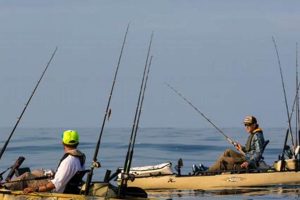
Specialized fishing gear enhances angling success and safety when kayak fishing in Northern Ireland. The compact nature of kayaks necessitates careful equipment selection, prioritizing portability and functionality. Rods and reels suited for the target species and environment are crucial. Shorter rods, typically between six and seven feet, offer better maneuverability within the confined space of a kayak. Spinning reels or baitcasting reels, spooled with appropriate line strength, provide versatility for various fishing techniques. A selection of lures and bait appropriate for the target species and local conditions maximizes catch potential. For example, anglers targeting sea bass along the coast might opt for saltwater lures and heavier lines, while those fishing for trout in inland loughs would choose lighter lines and smaller lures or flies. A well-stocked tackle box, including hooks, weights, swivels, and other essential terminal tackle, ensures preparedness for various fishing scenarios.
Safety equipment remains paramount. A personal flotation device (PFD) designed for kayaking allows freedom of movement while providing essential buoyancy. A waterproof VHF radio facilitates communication in emergencies. A first-aid kit equipped to address common fishing-related injuries, such as hook removals and minor cuts, proves invaluable. Navigation tools, including a chart, compass, and GPS device, contribute to safe navigation, especially in unfamiliar waters or challenging conditions. Securing gear to the kayak using appropriate leashes and storage solutions prevents equipment loss in the event of a capsize. A dry bag safeguards essential items like phones and wallets from water damage. Carrying a knife or multi-tool provides a versatile tool for cutting lines or addressing other unforeseen needs.
Effective gear selection, combined with proper kayak handling skills and adherence to safety protocols, optimizes the kayak angling experience in Northern Ireland. Understanding the specific demands of this activity allows anglers to prepare accordingly, maximizing both safety and enjoyment while minimizing potential risks and environmental impact. Appropriate equipment enables anglers to fully appreciate the diverse fishing opportunities offered by Northern Ireland’s unique aquatic environments.
3. Prime Fishing Locations

Northern Ireland’s diverse waterways offer numerous prime fishing locations uniquely accessible by kayak. The sheltered nature of many loughs, such as Lough Erne and Lough Neagh, provides ideal conditions for kayak angling, minimizing exposure to strong winds and waves. These loughs support diverse fish populations, including pike, trout, and perch, attracting anglers seeking a variety of species. Kayaks allow access to shallow, secluded areas often inaccessible to larger boats, maximizing fishing opportunities in these productive waters. The coastline, characterized by rocky shores and hidden coves, presents exciting opportunities for sea fishing. Kayaks allow anglers to navigate close to the shoreline, targeting species like pollack, mackerel, and sea bass. Rivers, such as the River Bann and River Bush, offer further opportunities for kayak anglers. These flowing waters support populations of salmon and trout, and kayaks provide a stealthy approach, minimizing disturbance to fish in these often clear, shallow environments.
Selecting a prime fishing location requires consideration of target species, water conditions, and accessibility. Online resources, local fishing clubs, and tackle shops provide valuable information on fishing regulations, seasonal patterns, and recommended locations. Understanding the influence of tides and currents on fish behavior further enhances angling success in coastal areas. Accessibility considerations include launch points, parking facilities, and potential hazards like submerged rocks or strong currents. Exploring less-pressured areas often yields better results, as fish in these locations may be less wary. Combining local knowledge with careful planning ensures a productive and enjoyable fishing experience. For instance, anglers seeking pike in Lower Lough Erne might focus their efforts around weed beds and drop-offs, known habitats for this predatory species. Similarly, targeting trout in the River Mourne requires knowledge of suitable fly patterns and the river’s deeper pools.
Strategic location selection optimizes kayak fishing success in Northern Ireland. By combining knowledge of fish behavior, environmental factors, and accessibility considerations, anglers can maximize their chances of a rewarding experience. Understanding the nuances of specific locations and their respective fish populations contributes significantly to successful angling outcomes. This knowledge, combined with appropriate kayak selection and fishing gear, ensures that anglers can effectively target their desired species while enjoying the beauty and tranquility of Northern Ireland’s diverse aquatic environments.
4. Safety Precautions
Safety precautions are paramount for kayak angling in Northern Ireland due to the inherent risks associated with open water activities. Cold water temperatures, unpredictable weather patterns, and changing tidal conditions necessitate meticulous planning and preparation. A thorough understanding of these environmental factors, combined with appropriate safety measures, significantly mitigates potential hazards. For example, wearing a personal flotation device (PFD) is crucial, even in calm conditions, as sudden changes in weather can create unexpected challenges. Carrying a waterproof communication device allows contact with emergency services should an incident occur, especially in remote locations with limited cellular coverage. Understanding local weather forecasts and tidal charts is essential for anticipating potential hazards and adjusting plans accordingly. Ignoring these precautions can lead to serious consequences, highlighting the direct link between safety awareness and a positive angling experience.
Proper kayak handling skills further contribute to angler safety. Capsizing, though a potential risk, can be managed effectively with appropriate training and practice. Self-rescue techniques, including re-entering the kayak after a capsize, are essential skills for any kayak angler. Understanding the kayak’s stability limitations and avoiding overloading contributes to safe operation. Regularly checking weather conditions during an outing allows for proactive responses to changing circumstances. Carrying essential safety equipment, such as a whistle, flares, and a first-aid kit, prepares anglers for potential emergencies. For example, knowledge of basic first aid can prove invaluable in addressing minor injuries sustained while fishing, while a whistle can attract attention in case of disorientation or distress. Practical application of these skills and equipment ensures preparedness for unforeseen events, minimizing potential risks and promoting a safe angling experience.
Prioritizing safety precautions while kayak angling in Northern Ireland ensures an enjoyable and secure experience. The combination of environmental awareness, appropriate equipment, and practical skills significantly mitigates inherent risks. Understanding and implementing these safety measures contributes directly to positive outcomes, promoting responsible angling practices and preserving the natural beauty of Northern Ireland’s waterways for all users. Neglecting these precautions not only jeopardizes individual safety but also potentially impacts search and rescue resources. Therefore, a commitment to safety benefits both individual anglers and the wider community.
5. Environmental Awareness

Environmental awareness is crucial for sustainable kayak angling practices in Northern Ireland. Minimizing the impact on the delicate aquatic ecosystems ensures the preservation of these natural resources for future generations. Responsible angling practices contribute directly to the long-term health and viability of these environments, benefiting both the natural world and the angling community.
- Leave No Trace Principles
Adhering to Leave No Trace principles minimizes environmental impact. Packing out all trash, including fishing line and discarded tackle, prevents pollution and protects wildlife. Avoiding disturbing vegetation and minimizing shoreline erosion preserves habitat integrity. For instance, properly disposing of fishing line prevents entanglement of birds and aquatic animals, while respecting nesting areas protects vulnerable species during breeding seasons. These practices contribute to the overall health and resilience of the ecosystem.
- Respect for Wildlife
Respecting wildlife is essential for maintaining balanced ecosystems. Practicing catch-and-release fishing, particularly for vulnerable species, ensures population sustainability. Handling fish with care minimizes stress and injury, increasing their chances of survival upon release. Avoiding disturbance to nesting birds and other wildlife preserves their natural behaviors and breeding patterns. For example, keeping a safe distance from seals basking on rocks minimizes stress and allows them to exhibit natural behaviors, contributing to their overall well-being and the health of the local seal population.
- Invasive Species Awareness
Awareness of invasive species and preventing their spread protects native biodiversity. Cleaning kayaks and fishing gear thoroughly after each outing removes potentially harmful organisms, preventing their introduction to new waterways. Disposing of unused bait and live wells properly avoids introducing non-native species that could disrupt the local ecological balance. For example, carefully inspecting and cleaning kayaks after fishing in a known infested area prevents the spread of invasive zebra mussels, protecting native mussel populations and the overall health of the aquatic ecosystem.
- Water Quality Protection
Protecting water quality safeguards the health of aquatic ecosystems. Avoiding the use of harmful chemicals and pollutants, such as lead sinkers and non-biodegradable fishing line, minimizes contamination. Properly disposing of waste prevents the introduction of pollutants into waterways, protecting water quality and aquatic life. For instance, choosing biodegradable fishing line minimizes long-term environmental impact, reducing the risk of entanglement for wildlife and preventing the accumulation of plastic debris in the aquatic environment. This conscious choice directly contributes to the overall health and sustainability of the ecosystem.
These facets of environmental awareness are integral to responsible kayak angling in Northern Ireland. By integrating these practices into their angling routines, individuals actively contribute to the preservation of these valuable natural resources, ensuring their continued enjoyment for future generations. The long-term health and sustainability of these aquatic environments rely on the collective commitment of anglers to prioritize environmental stewardship. This commitment fosters a reciprocal relationship between anglers and the natural world, ensuring the continued viability of this cherished recreational activity while protecting the integrity of Northern Ireland’s unique aquatic ecosystems.
Frequently Asked Questions
This section addresses common inquiries regarding kayak angling in Northern Ireland. Clarity on these points promotes safe and responsible participation.
Question 1: What are the licensing requirements for fishing in Northern Ireland?
Angling licenses are generally required for fishing in Northern Ireland, both in freshwater and saltwater environments. Specific requirements vary depending on the location and species targeted. Consultation with the Department of Agriculture, Environment and Rural Affairs (DAERA) or local angling clubs provides definitive information.
Question 2: Are there specific regulations regarding kayak fishing in designated areas?
Certain areas may have specific regulations regarding kayak usage or fishing practices. Checking with local authorities or harbormasters ensures compliance with any restrictions, promoting safe and legal angling activities.
Question 3: What safety equipment is mandatory for kayak anglers in Northern Ireland?
While not always legally mandated, wearing a personal flotation device (PFD) is strongly advised for all kayak anglers. Carrying a whistle, flares, and a waterproof communication device enhances safety in case of emergencies.
Question 4: Where can suitable kayak launch points be found in Northern Ireland?
Numerous launch points exist throughout Northern Ireland, catering to various skill levels and environmental conditions. Online resources, local angling clubs, and guidebooks often provide information on suitable launch sites, considering factors such as accessibility, parking availability, and prevailing water conditions.
Question 5: What environmental considerations are important for kayak anglers?
Minimizing environmental impact is crucial. Adhering to Leave No Trace principles, practicing catch-and-release when appropriate, and avoiding disturbance to wildlife preserves these sensitive ecosystems.
Question 6: How can one find information on local fishing regulations and best practices?
Local angling clubs, tackle shops, and online resources provide valuable information on fishing regulations, best practices, and local conditions. Engaging with these resources promotes responsible and informed angling activities.
Understanding these frequently asked questions ensures a safer and more informed approach to kayak angling in Northern Ireland. Thorough preparation contributes significantly to a positive experience while respecting local regulations and environmental considerations.
Further information on specific locations, species, and techniques can be found in the following sections.
Conclusion
This exploration of kayak angling within Northern Ireland has highlighted the unique opportunities and responsibilities inherent in this activity. From suitable kayak selection and essential gear to prime fishing locations and paramount safety precautions, the multifaceted nature of this pursuit necessitates careful consideration. Environmental awareness emerges as a cornerstone of sustainable practice, ensuring the preservation of these valuable aquatic ecosystems. Understanding local regulations, respecting wildlife, and minimizing environmental impact contribute directly to the long-term viability of this rewarding recreational activity.
The future of kayak angling in Northern Ireland rests on the continued commitment to responsible practices and environmental stewardship. Through informed decision-making and a shared dedication to preservation, these unique angling experiences can be enjoyed for generations to come. The combination of skilled preparation, mindful execution, and unwavering respect for the natural world ensures the enduring legacy of this distinctive pursuit within Northern Ireland’s remarkable aquatic landscapes.