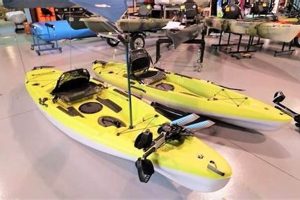
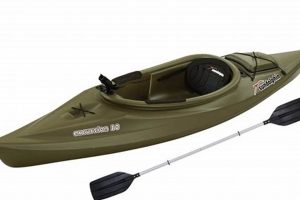
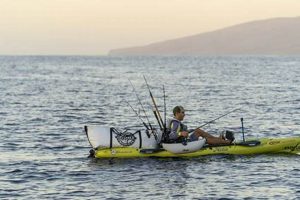
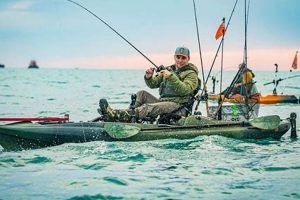
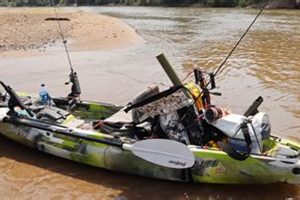
The Outer Banks of North Carolina offer a unique and rewarding experience for anglers using small, human-powered vessels. This shallow-water sport combines the quiet maneuverability of these specialized boats with access to diverse estuarine environments, from sound-side marshes to inlets and nearshore ocean waters, teeming with a variety of fish species. This method provides a close-to-nature experience, allowing exploration of otherwise inaccessible areas while minimizing environmental impact.
The region’s extensive network of sounds, inlets, and marshes creates an ideal habitat for numerous game fish, making it a popular destination for anglers. This pursuit offers not only recreational value but also contributes to the local economy through tourism and related industries. Historically, small boats have played a significant role in the Outer Banks’ maritime heritage, reflecting a long-standing tradition of utilizing the area’s abundant aquatic resources. This continues today with the modern adaptation of this traditional fishing method.
This article will further explore specific aspects of this activity in the Outer Banks, covering topics such as popular fishing locations, targeted species, necessary equipment and safety considerations, and the importance of conservation efforts. It will also delve into the unique challenges and rewards presented by the dynamic coastal environment.
Tips for Kayak Fishing the Outer Banks
Careful planning and preparation are essential for a safe and successful fishing excursion in the Outer Banks by kayak. The following tips offer valuable insights for anglers of all skill levels.
Tip 1: Check Weather Conditions: Prior to embarking on any trip, consult marine weather forecasts and be aware of potential changes. Wind, tides, and currents can significantly impact navigation and safety.
Tip 2: Choose Appropriate Gear: Select a kayak designed for stability and suitable for the intended fishing environment. Essential equipment includes a paddle, personal flotation device (PFD), and appropriate fishing tackle.
Tip 3: Plan Your Route: Familiarize oneself with local waterways and choose a route appropriate for skill level and prevailing conditions. Consider factors such as launch points, water depth, and potential hazards.
Tip 4: Practice Safety Procedures: Always wear a PFD, carry a whistle or other signaling device, and inform someone of the intended route and return time. Carry a first-aid kit and be prepared for potential emergencies.
Tip 5: Respect Wildlife and the Environment: Observe local regulations regarding fishing limits and protected species. Practice catch-and-release whenever possible and minimize disturbance to the natural environment.
Tip 6: Navigate Tides and Currents: Understanding tidal flows and currents is crucial for efficient paddling and fishing. Plan your trip around these factors to maximize fishing opportunities and conserve energy.
Tip 7: Be Aware of Other Vessels: Kayaks have limited visibility to larger vessels. Maintain awareness of surrounding boat traffic and adhere to navigational rules.
Adhering to these guidelines will enhance safety, improve fishing success, and contribute to a more enjoyable experience on the waters of the Outer Banks.
By following these tips and prioritizing safety, anglers can enjoy a rewarding and memorable fishing experience while preserving the natural beauty of the Outer Banks for future generations.
1. Location Selection

Optimal location selection is paramount for successful kayak fishing in the Outer Banks. The diverse ecosystem offers a range of habitats, each attracting specific fish species and requiring different approaches. Choosing a location aligned with target species and angler skill level significantly influences fishing outcomes. For example, sheltered sound waters offer calmer conditions suitable for beginners targeting speckled trout and redfish, while experienced anglers seeking larger game fish like cobia or king mackerel might venture into the more challenging inlets or nearshore ocean waters. Matching location to skill and target species maximizes catch potential while ensuring safety.
The Outer Banks’ dynamic environment, characterized by shifting sands, fluctuating tides, and variable currents, necessitates careful consideration of access points, water depth, and potential hazards. Launching from a public boat ramp provides easy access to the sound, while navigating shallow creeks and marshes requires careful route planning and awareness of tidal changes. Alligator River National Wildlife Refuge offers protected waters ideal for observing wildlife while fishing, whereas the Oregon Inlet presents a more challenging environment with stronger currents and larger game fish. Understanding these nuances enables anglers to choose locations maximizing fishing success while minimizing risks.
Strategic location selection contributes significantly to a productive and enjoyable kayak fishing experience in the Outer Banks. Considering factors such as target species, angler skill, tidal conditions, and access points allows anglers to leverage the region’s diverse fishing opportunities effectively. Careful planning and informed decision-making are crucial for maximizing success and ensuring a safe and rewarding experience on the water.
2. Tidal Influences

Tidal fluctuations exert a profound influence on kayak fishing within the Outer Banks. Currents generated by rising and falling tides dictate fish movement and feeding patterns. Understanding tidal cycles is crucial for optimizing fishing success. Incoming tides often bring baitfish and larger predatory species closer to shore, creating prime feeding opportunities in shallow-water areas. Conversely, outgoing tides can concentrate fish in channels and deeper holes as water recedes. For example, fishing the marshes during a flood tide allows anglers to access shallow areas where redfish and speckled trout ambush prey. Conversely, fishing near inlets during an ebb tide can yield catches of flounder and other species seeking deeper water.
Beyond fish behavior, tidal influences also affect kayak navigation and safety. Strong currents associated with peak tidal flows can present challenges for paddling and maneuvering, particularly in narrow channels or inlets. Planning kayak routes according to tidal predictions is essential for efficient navigation and energy conservation. Launching against an outgoing tide can make returning to the launch point significantly more difficult. Conversely, launching with an incoming tide may lead to unexpected grounding as water levels recede. Consulting tide charts and understanding local current patterns is crucial for safe and effective kayak fishing.
In summary, tidal influences are an integral component of kayak fishing within the Outer Banks ecosystem. Tidal currents impact both fish behavior and kayak navigation, requiring anglers to possess a solid understanding of tidal cycles and local current patterns. This knowledge allows for strategic planning of fishing locations and routes, maximizing both safety and the potential for a successful catch. Failure to account for tidal influences can lead to challenging paddling conditions, missed fishing opportunities, and potential safety hazards.
3. Species Targeted

The diverse fish populations of the Outer Banks directly influence species-specific angling approaches in kayak fishing. The targeted species dictates equipment choices, including rod type, line weight, and lure selection. For example, pursuing smaller inshore species like speckled trout or flounder often involves light tackle and artificial lures or live bait, while targeting larger pelagic fish such as Spanish mackerel or cobia necessitates heavier gear and specialized techniques like trolling or sight casting. Understanding the habits and preferred habitats of target species is crucial for successful kayak angling in this region.
Matching fishing location to target species significantly increases the likelihood of a successful catch. Red drum, for instance, are commonly found in shallow sound waters and grassy marshes, while flounder prefer sandy or muddy bottoms. Cobia and king mackerel, on the other hand, are often found near nearshore reefs and wrecks. This understanding informs location choices for kayak anglers. Furthermore, seasonal variations in fish distribution also play a role. For instance, speckled trout are more prevalent in the sound during warmer months, while striped bass migrate through the inlets during the fall and winter.
Effective kayak fishing in the Outer Banks requires a strategic approach to species targeting. Anglers must consider factors such as fish behavior, preferred habitats, seasonal variations, and appropriate equipment choices. This knowledge not only increases the likelihood of a successful catch but also contributes to responsible fishing practices by minimizing wasted effort and potential harm to non-target species. Matching fishing approach to target species optimizes the angling experience and ensures the sustainability of the Outer Banks’ diverse fish populations.
4. Safety Precautions
Safety precautions are paramount for kayak fishing in the Outer Banks due to the dynamic and often unpredictable nature of the coastal environment. The combination of wind, waves, currents, and varying weather conditions necessitates a proactive approach to safety, minimizing potential risks and ensuring an enjoyable experience. Neglecting safety protocols can lead to serious consequences, including injuries, capsizing, or even fatalities. For instance, strong offshore winds can quickly carry a kayak far from shore, while sudden storms can create hazardous paddling conditions. A thorough understanding of potential hazards and adherence to safety guidelines are crucial for mitigating these risks.
Several key safety precautions should be observed. Wearing a personal flotation device (PFD) at all times is non-negotiable. Carrying a waterproof VHF radio enables communication in case of emergencies or changing weather conditions. Informing someone onshore of the intended fishing location and estimated return time provides an additional layer of security. Checking weather forecasts before embarking on a trip allows anglers to anticipate potentially hazardous conditions and make informed decisions. Carrying essential safety gear, such as a whistle, signaling mirror, first-aid kit, and bilge pump, further enhances preparedness for unforeseen circumstances. Regularly checking kayak integrity for leaks or damage before launching is also essential.
Implementing these safety precautions transforms kayak fishing in the Outer Banks from a potentially risky activity into a safe and rewarding experience. Prioritizing safety not only protects individual anglers but also contributes to the overall well-being of the kayaking community. Consistent adherence to safety protocols reinforces a culture of responsibility and preparedness, fostering a safer environment for all who enjoy this popular pastime. Ultimately, a proactive approach to safety ensures the long-term enjoyment and sustainability of kayak fishing within the Outer Banks’ dynamic coastal ecosystem.
5. Equipment Choices

Equipment selection significantly impacts the success and enjoyment of kayak fishing in the Outer Banks. The chosen kayak, fishing gear, and safety equipment must be suited to the specific conditions of the region, including the targeted species, the fishing environment (calm sounds versus open ocean), and the prevalent weather patterns. A stable, sit-on-top kayak designed for fishing, for example, offers greater maneuverability and stability in the sometimes choppy waters of the inlets compared to a recreational sit-inside kayak. Similarly, rod and reel choices depend on the target species. Lighter tackle suits smaller inshore fish like speckled trout, while heavier gear is necessary for larger offshore species like king mackerel. Specialized equipment like drift socks or anchors can also enhance fishing effectiveness depending on the chosen technique and location.
Appropriate equipment choices directly influence fishing success. A kayak with ample storage allows for carrying sufficient tackle and supplies for a full day of fishing. Rod holders and paddle leashes free hands for fishing and enhance safety. A fish finder can significantly improve the odds of locating fish, particularly in deeper waters or around structure. The use of appropriate lures or bait, matched to the target species and water conditions, further maximizes catch potential. For example, using live shrimp under a popping cork is a common and effective technique for speckled trout in the shallows, while trolling with spoons or plugs is more suitable for Spanish mackerel in open water. Neglecting essential safety equipment, such as a PFD, whistle, and VHF radio, can have serious consequences in the event of an emergency.
Careful consideration of equipment choices is therefore essential for a safe and productive kayak fishing experience in the Outer Banks. Matching the equipment to the specific conditions and target species not only enhances fishing success but also ensures angler safety and comfort. Investing in appropriate, high-quality gear ultimately contributes to a more rewarding and enjoyable experience on the water, allowing anglers to fully appreciate the unique fishing opportunities this region offers.
Frequently Asked Questions
This section addresses common inquiries regarding kayak fishing in the Outer Banks of North Carolina. The information provided aims to offer clarity and promote safe and responsible angling practices.
Question 1: What are the most common fish species targeted by kayak anglers in the Outer Banks?
Common targets include red drum (redfish), speckled trout, flounder, striped bass, bluefish, Spanish mackerel, and cobia. Specific species availability varies seasonally.
Question 2: Are fishing licenses required for kayak fishing in the Outer Banks?
Yes, a valid North Carolina Coastal Recreational Fishing License is required for anglers age 16 and older. Licenses can be obtained online or from authorized vendors.
Question 3: What are the recommended safety precautions for kayak fishing in this area?
Essential safety measures include wearing a personal flotation device (PFD), carrying a VHF radio, informing someone of fishing plans, checking weather forecasts, and carrying a first-aid kit. Understanding local regulations and navigational markers is also crucial.
Question 4: What type of kayak is best suited for fishing in the Outer Banks?
Sit-on-top kayaks designed for fishing are generally recommended due to their stability, storage capacity, and ease of access. Kayak choice should also consider the intended fishing environment (calm sounds versus open ocean).
Question 5: What are the primary fishing regulations that anglers should be aware of?
Regulations include catch limits, size restrictions, and seasonal closures for certain species. Information on current regulations can be found on the North Carolina Division of Marine Fisheries website.
Question 6: Where can one find reliable information on local tides, currents, and weather conditions?
Resources such as the National Oceanic and Atmospheric Administration (NOAA) website, local marinas, and tackle shops provide up-to-date information crucial for planning fishing trips.
Careful consideration of these frequently asked questions promotes safe and responsible angling practices within the Outer Banks. Adherence to regulations and prioritization of safety contribute to a positive experience for all.
For further information on specific aspects of kayak fishing in the Outer Banks, please consult local resources and experienced anglers.
Kayak Fishing Outer Banks NC
This exploration of kayak fishing in the Outer Banks of North Carolina has highlighted the unique opportunities and challenges this activity presents. From the diverse fish species inhabiting these waters to the dynamic interplay of tides, currents, and weather patterns, the Outer Banks offers a rewarding yet demanding environment for kayak anglers. Successful angling in this region necessitates careful planning, appropriate equipment selection, and a thorough understanding of local conditions. Furthermore, prioritizing safety precautions and adhering to fishing regulations are crucial for ensuring both personal well-being and the sustainability of the local ecosystem.
The Outer Banks holds a rich history intertwined with the sea, and kayak fishing represents a modern expression of this enduring connection. This pursuit offers not only the thrill of the catch but also a profound connection with the natural world. As increasing numbers of individuals discover the allure of kayak fishing, responsible practices and environmental stewardship become paramount. The future of this activity relies on a collective commitment to preserving the delicate balance of the Outer Banks ecosystem, ensuring its continued vitality for generations to come.