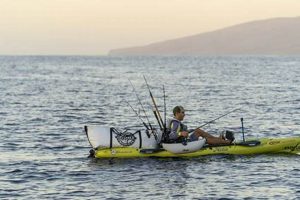
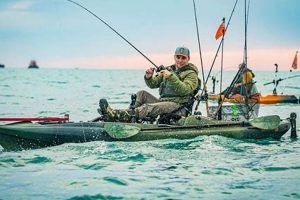
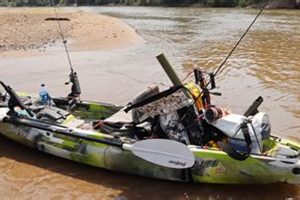
This pursuit involves angling from a small, human-powered watercraft on flowing waterways. It offers access to diverse freshwater species in various river environments. An angler might target trout in a clear, fast-moving mountain stream or catfish in a slow, murky river, showcasing the adaptability this method provides.
Angling from this type of vessel presents unique advantages. Its maneuverability allows access to shallows, tight corners, and areas unreachable by larger boats. This quieter approach often disturbs fish less, potentially increasing catch rates. Historically, small boats have been used for fishing on rivers, but the modern specialized equipment significantly enhances the experience and effectiveness of this method.
The following sections will delve deeper into essential equipment, suitable river types, effective techniques, and important safety considerations for anglers.
Tips for Successful River Angling
Preparation and knowledge contribute significantly to a productive and enjoyable river fishing experience from a kayak. The following tips offer guidance for anglers of all skill levels.
Tip 1: Understand River Dynamics: Current speed, depth, and obstacles like rocks and submerged logs significantly impact kayak control and fish behavior. Researching the specific river beforehand is crucial.
Tip 2: Choose Appropriate Tackle: Shorter rods and reels spooled with heavier line are generally preferred for the close-quarters fishing often encountered. Lure selection should reflect target species and river conditions.
Tip 3: Prioritize Safety Equipment: A personal flotation device (PFD) is essential. Carrying a whistle, first-aid kit, and communication device enhances safety in remote locations. Checking weather forecasts before embarking is also vital.
Tip 4: Master Kayak Control: Practicing basic paddling strokes and maneuvering techniques in calm water before tackling moving water builds confidence and essential skills. Learning to position the kayak effectively in the current improves fishing presentation.
Tip 5: Employ Effective Anchoring Techniques: A well-placed anchor keeps the kayak stable in the desired location, allowing anglers to focus on fishing. Understanding different anchoring systems suitable for river environments is beneficial.
Tip 6: Respect Wildlife and the Environment: Practicing catch-and-release whenever possible helps conserve fish populations. Properly disposing of fishing line and other waste minimizes environmental impact.
Tip 7: Pack Light and Efficiently: Space is limited on a kayak. Bringing only essential gear maximizes comfort and maneuverability. Waterproof bags protect valuable items from splashes and potential submersion.
By incorporating these tips, anglers can significantly improve their chances of success and overall enjoyment on the water. A well-planned and executed outing maximizes opportunities and fosters a deeper appreciation for the river environment.
Equipped with these insights, anglers can confidently approach their next river fishing excursion. The following section offers concluding thoughts and resources for further exploration.
1. River Selection
River selection represents a foundational element of successful kayak angling. The chosen waterway significantly influences the overall experience, impacting accessibility, target species, and required techniques. Careful consideration of river characteristics is crucial for both safety and fishing success.
- Current Speed and Flow Rate:
Current speed dictates kayak control and fishing techniques. Slow-moving rivers allow for leisurely drifting and precise lure presentations, while faster currents demand greater paddling skill and specialized anchoring methods. Understanding flow rate helps anglers choose appropriate stretches of river and anticipate potential hazards.
- Water Depth and Clarity:
Water depth influences fish habitat and the types of lures that can be effectively used. Shallow areas may hold different species than deeper pools. Water clarity affects visibility, impacting both fish behavior and angler’s ability to spot structure and potential fishing locations. Clear water often requires stealthier approaches.
- River Access Points and Logistics:
Accessibility considerations include launch points, parking availability, and potential portages around obstacles. Researching access points beforehand simplifies logistics and ensures a smooth start and end to the fishing trip. Understanding local regulations regarding access permits is also crucial.
- Fish Species and Habitat:
Different rivers support diverse fish populations. Researching the prevalent species in a target river informs tackle choices and fishing strategies. Understanding the preferred habitat of those species whether it be deep pools, riffles, or undercut banks further refines location selection within the river system.
By carefully evaluating these factors, anglers can select rivers suited to their skill level, target species, and desired fishing experience. Appropriate river selection significantly contributes to a safe, productive, and enjoyable outing on the water, setting the stage for a successful kayak fishing adventure.
2. Kayak Choice
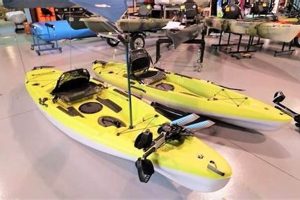
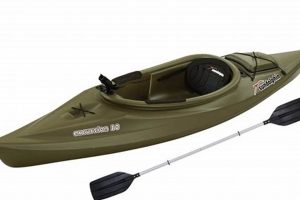
Kayak selection significantly impacts maneuverability, stability, and overall fishing effectiveness in river environments. Choosing the appropriate vessel requires careful consideration of hull design, length, and features specific to river fishing. The following facets outline key elements influencing kayak choice for this specialized pursuit.
- Hull Design:
Hull design directly affects stability and tracking in moving water. Flat-bottomed hulls offer excellent stability and maneuverability in shallows, making them suitable for slower rivers and close-quarters fishing. Rounded hulls, conversely, track better in faster currents but sacrifice some stability. Specialized designs, such as pontoon hulls, provide enhanced stability for stand-up fishing but can be less maneuverable. Understanding the nuances of each design is essential for effective kayak selection.
- Length and Width:
Shorter kayaks (under 12 feet) offer enhanced maneuverability in tight spaces and technical rapids, while longer kayaks (over 12 feet) track better in open water and cover distance more efficiently. Width contributes to stability; wider kayaks are generally more stable but slower, while narrower kayaks offer greater speed but reduced stability. Balancing these factors based on anticipated river conditions and fishing style optimizes kayak performance.
- Features and Accessories:
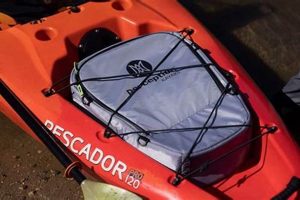
Features such as rod holders, anchor trolleys, and storage compartments enhance fishing functionality and organization. Rod holders provide convenient rod storage and access, while anchor trolleys facilitate controlled drifting in current. Ample storage space allows for carrying essential gear and tackle. Considering these features streamlines the fishing experience and maximizes efficiency on the water.
- Material and Weight Capacity:
Kayak construction materials influence durability, weight, and cost. Polyethylene kayaks are durable and affordable, while composite materials offer lighter weight and improved performance but often come at a higher price. Weight capacity dictates the total load a kayak can safely carry, including angler weight, gear, and potential catch. Choosing a kayak with adequate weight capacity ensures stability and safe operation.
A well-chosen kayak enhances angler performance and enjoyment in river environments. Balancing stability and maneuverability based on the specific characteristics of the target river and the angler’s fishing style leads to a more productive and enjoyable experience. Careful consideration of these factors ensures a safe and efficient platform for pursuing fish in dynamic river systems.
3. Essential Gear

Effective kayak river fishing necessitates specialized equipment tailored to the dynamic nature of flowing water. Appropriate gear enhances angler safety, improves fishing effectiveness, and contributes to a more comfortable and enjoyable experience. The following facets outline essential equipment categories and their respective roles in successful river angling from a kayak.
- Paddles and Personal Flotation Device (PFD):
A high-quality paddle, appropriately sized for the angler and kayak, ensures efficient propulsion and maneuverability in currents. A PFD is a non-negotiable safety essential, providing buoyancy and protection in case of capsizing or accidental immersion. Choosing a comfortable, well-fitting PFD encourages consistent wear, maximizing its life-saving potential.
- Rods, Reels, and Tackle:
Shorter fishing rods (typically under 7 feet) are better suited to the confined spaces of a kayak and facilitate accurate casting in close proximity to riverbanks and structure. Reels spooled with heavier line offer increased strength and control when battling strong currents and larger fish. Tackle selection, including lures, hooks, and weights, should reflect the target species and river conditions.
- Anchoring System:
A reliable anchoring system is crucial for maintaining position in flowing water, allowing anglers to focus on fishing specific locations. A combination of anchor, rope, and an appropriate anchor trolley system enables controlled drifting and precise positioning in the current. Choosing an anchor type and weight suitable for the riverbed and current strength ensures effective anchoring.
- Safety and Navigation Tools:
Essential safety equipment includes a whistle for signaling in emergencies, a first-aid kit for treating minor injuries, and a waterproof communication device for contacting help if needed. A river map or GPS device aids navigation, particularly in unfamiliar waters. A dry bag protects essential items like phones and wallets from moisture.
Careful selection and proper utilization of these essential gear categories contribute significantly to angler safety, fishing success, and overall enjoyment on the river. Prioritizing quality and functionality in gear choices equips anglers to effectively navigate and fish dynamic river environments, maximizing the potential for a rewarding kayak fishing experience.
4. Fishing Techniques
Effective fishing techniques in a river environment from a kayak require adaptation to the dynamic nature of flowing water. These specialized approaches maximize angling opportunities while addressing the unique challenges presented by currents, obstacles, and the limited space within a kayak. Understanding these specialized methods is crucial for successful river fishing.
- Drift Fishing:
Drift fishing involves allowing the current to carry the kayak downstream while presenting bait or lures to holding areas where fish are likely to congregate. This technique allows for covering a large area of water and presenting offerings naturally within the current. Controlling the drift speed with paddle strokes or an anchor allows for precise presentations near submerged structures or along riverbanks. Weighting the line appropriately ensures the bait or lure remains at the desired depth throughout the drift.
- Eddy Fishing:
Eddies, areas of relatively calm water created behind rocks, bends, or other obstructions, provide refuge for fish seeking respite from the current. Positioning the kayak upstream of an eddy and casting lures or bait into the calmer water allows for targeted fishing in these productive zones. Lighter lines and smaller lures often prove effective in the slower water of an eddy. This technique requires precise kayak control to maintain position relative to the eddy.
- Anchor Fishing:
Anchoring the kayak in a promising location, such as near a drop-off or a confluence of currents, provides stability and allows for focused fishing. This technique excels when targeting specific structures or when fish are concentrated in a particular area. Understanding how to effectively deploy and retrieve an anchor in river currents is crucial. Using an anchor trolley system allows for adjusting the anchor position and fishing different angles within the chosen spot.
- Trolling:
Trolling involves dragging lures behind a moving kayak. This technique covers water efficiently and can be effective for locating active fish throughout a stretch of river. Varying trolling speed and lure depth allows for targeting different species and depths. Using planer boards or downriggers further expands the range of depths and presentations achievable while trolling. This technique often works well in larger rivers and open water areas.
Mastery of these techniques significantly enhances fishing success from a kayak in river environments. Adapting these methods to the specific conditions of the river, including current speed, water depth, and target species, further optimizes fishing effectiveness and contributes to a more rewarding experience on the water.
5. Safety Precautions

Safety precautions are paramount in kayak river fishing due to the dynamic and potentially hazardous nature of river environments. Currents, obstacles, fluctuating water levels, and remote locations present inherent risks that necessitate careful planning and proactive safety measures. Neglecting safety protocols can lead to serious consequences, ranging from equipment damage and minor injuries to life-threatening situations. For example, an angler failing to wear a personal flotation device (PFD) risks drowning if capsized in strong currents. Similarly, ignoring weather forecasts could expose an angler to dangerous storms or rapidly rising water levels.
Several key safety precautions contribute to mitigating risks inherent in kayak river fishing. Wearing a properly fitted PFD is fundamental; it provides essential buoyancy in case of capsizing or accidental immersion. Carrying a communication device, such as a waterproof cell phone or VHF radio, enables summoning assistance in emergencies. Checking weather forecasts before embarking and continuously monitoring conditions during the outing helps avoid unexpected storms or hazardous river conditions. Informing someone of the planned fishing location and estimated return time provides an additional layer of security. Finally, carrying a first-aid kit equips anglers to address minor injuries that may occur on the water. These precautions, while seemingly simple, are crucial components of responsible kayak river fishing.
Understanding and implementing these safety precautions transforms kayak river fishing from a potentially risky activity into a safe and enjoyable pursuit. While inherent risks exist in any outdoor activity, particularly in dynamic environments like rivers, proactive safety measures significantly mitigate those risks. A thorough understanding of river dynamics, coupled with consistent adherence to established safety protocols, allows anglers to fully appreciate the sport while minimizing potential dangers. This emphasis on safety ensures a sustainable and rewarding experience for all participants.
6. Environmental Awareness

Maintaining the health and integrity of river ecosystems is paramount for the sustainability of kayak river fishing. Environmental awareness among anglers ensures responsible use of these natural resources, preserving their value for future generations. Understanding the interconnectedness of aquatic life, water quality, and riparian habitats fosters a deeper appreciation for the environment and promotes responsible fishing practices.
- Leave No Trace Principles:
Adhering to Leave No Trace principles minimizes human impact on the environment. Packing out all trash, including fishing line and tackle remnants, prevents pollution and protects wildlife. Avoiding disturbing vegetation and minimizing campfire impacts preserves riparian habitats. For instance, discarded fishing line can entangle birds and other animals, while improper waste disposal contaminates water sources. Practicing Leave No Trace ethics ensures that river environments remain pristine for both wildlife and future anglers.
- Respecting Aquatic Life:
Handling fish with care and employing proper catch-and-release techniques minimizes stress on fish populations and promotes their long-term health. Using barbless hooks reduces injury to fish during catch and release. Minimizing handling time and keeping fish wet during release further reduces stress. These practices ensure the sustainability of fish populations, preserving the resource for future fishing opportunities.
- Water Quality Conservation:
Avoiding the use of harmful chemicals and properly disposing of waste materials protects water quality and aquatic ecosystems. Using biodegradable soaps and avoiding fuel spills prevents contamination of rivers. Reporting pollution incidents to relevant authorities contributes to prompt remediation efforts. Maintaining water quality is crucial for the health of fish populations and the overall integrity of the river environment.
- Invasive Species Awareness:
Preventing the spread of invasive species, both plant and animal, protects native ecosystems and biodiversity. Cleaning kayaks and gear thoroughly after each fishing trip removes any attached invasive plants or organisms. Disposing of unused bait properly prevents the introduction of non-native species. Educating oneself about common invasive species in the area promotes early detection and reporting, mitigating their potential impact.
Integrating environmental awareness into kayak river fishing practices ensures the long-term health and viability of these valuable ecosystems. Responsible angling practices, informed by an understanding of ecological principles, minimize human impact and contribute to the preservation of river environments for future generations of anglers and the diverse array of life that depends on them. This commitment to environmental stewardship ultimately safeguards the future of the sport itself.
Frequently Asked Questions
This section addresses common inquiries regarding kayak river fishing, providing concise and informative responses to enhance understanding and promote safe and responsible angling practices.
Question 1: What type of kayak is best suited for river fishing?
Kayak choice depends on river characteristics and angler preferences. Shorter, wider kayaks offer greater stability in slower currents, while longer, narrower kayaks are better suited to faster water and covering longer distances. Sit-on-top kayaks are generally preferred for their self-bailing capabilities and ease of re-entry after a capsize.
Question 2: What essential safety gear is required?
A personal flotation device (PFD) is paramount. Additional safety equipment includes a whistle, first-aid kit, communication device (waterproof cell phone or VHF radio), and a throw rope. Checking weather forecasts before embarking is also essential.
Question 3: How does current affect fishing techniques?
Current significantly influences lure presentation and kayak control. Drift fishing, eddy fishing, and anchoring are common techniques adapted to river currents. Understanding how to position the kayak effectively in the current is crucial for successful fishing.
Question 4: What are the legal requirements for kayak fishing in rivers?
Regulations vary by jurisdiction. Obtaining necessary fishing licenses and permits is essential. Familiarizing oneself with specific rules regarding catch limits, size restrictions, and allowed fishing methods ensures legal compliance.
Question 5: What environmental considerations are important for kayak anglers?
Minimizing environmental impact is crucial. Practicing Leave No Trace principles, properly disposing of waste, and respecting aquatic life through careful catch-and-release practices are vital for preserving river ecosystems.
Question 6: How can anglers improve their kayak handling skills in rivers?
Practicing basic paddling and maneuvering techniques in calm water builds a foundation for river paddling. Taking a kayaking course or joining a local paddling club provides opportunities for skill development and learning from experienced paddlers.
Addressing these common questions enhances angler preparedness, promotes safe practices, and encourages responsible environmental stewardship. Thorough preparation contributes to a more enjoyable and sustainable kayak river fishing experience.
The next section offers a concluding summary and resources for further exploration of kayak river fishing.
Kayak River Fishing
This exploration of kayak river fishing has highlighted the multifaceted nature of this pursuit. From equipment selection and specialized techniques to essential safety precautions and environmental considerations, successful river angling from a kayak demands a comprehensive understanding of various interconnected elements. Maneuverability, access to shallow waters, and a stealthy approach offer distinct advantages, yet navigating currents and understanding river dynamics present unique challenges. Appropriate kayak selection, coupled with mastery of specialized fishing techniques like drift fishing and eddy fishing, significantly enhances angling success in river environments.
Kayak river fishing presents a rewarding opportunity to connect with nature while pursuing a challenging and engaging sport. A commitment to safety and environmental stewardship ensures the sustainability of this pursuit, preserving the integrity of river ecosystems and the enjoyment of future generations. Continued learning and refinement of skills through practice and engagement with experienced anglers further enhance the experience, fostering a deeper appreciation for the dynamic interplay between angler, equipment, and the river environment.