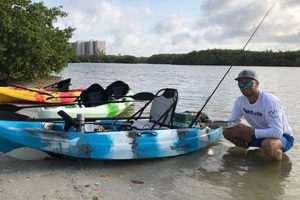
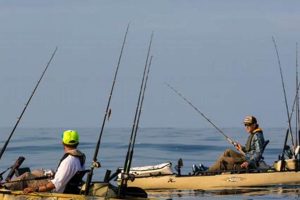
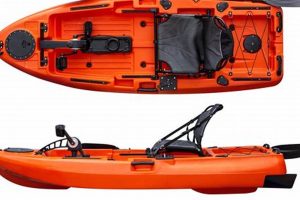
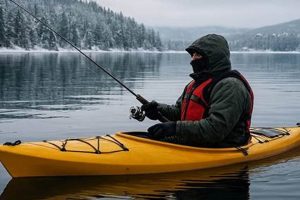
This specific model is a fishing kayak known for its stability and capacity. A large, sit-on-top vessel, it is designed to accommodate anglers and their gear comfortably, allowing for extended fishing trips. Typically, this type of kayak features specialized components such as rod holders, tackle storage, and potentially even livewells or other fishing-specific accessories.
A stable and spacious platform is essential for successful angling, especially when targeting larger fish. The enhanced stability offered by wider kayak hulls like this one reduces the likelihood of capsizing, particularly important when battling strong fish or navigating challenging waters. The increased storage capacity allows anglers to bring a wider array of tackle and equipment, maximizing their chances of success. The history of fishing kayaks has evolved significantly, with designs progressing to offer enhanced features and increased stability for a more productive and enjoyable fishing experience.
Further exploration will delve into the specific features, advantages, and disadvantages of this particular model, offering a complete understanding of its capabilities and suitability for various fishing environments and styles.
Tips for Fishing Kayak Use
Effective utilization of a fishing kayak requires consideration of various factors, from pre-trip planning to on-the-water techniques. These tips offer guidance for maximizing fishing success and overall safety.
Tip 1: Plan and Prepare: Research potential fishing locations thoroughly. Consider water conditions, weather forecasts, and local regulations. Packing essential safety gear, including a personal flotation device (PFD), a whistle, and a first-aid kit, is paramount.
Tip 2: Balance and Stability: Maintaining a low center of gravity is crucial for stability. Distribute weight evenly within the kayak and avoid sudden movements. Practice entering and exiting the kayak in shallow water before venturing into deeper areas.
Tip 3: Paddle Technique: Efficient paddling conserves energy and allows for greater range. Use a proper paddling technique to minimize fatigue and maximize speed. Consider using a rudder or skeg for enhanced tracking and maneuverability in challenging conditions.
Tip 4: Fishing Gear Organization: Organize fishing rods, tackle boxes, and other equipment strategically within the kayak for easy access. Utilize designated storage compartments and ensure all gear is securely fastened to prevent loss in case of capsize.
Tip 5: Respect the Environment: Practice Leave No Trace principles. Pack out all trash and avoid disturbing wildlife. Adhere to local fishing regulations and respect other anglers on the water.
Tip 6: Safety First: Always wear a PFD. Inform someone of your fishing plans, including your intended location and estimated return time. Check weather conditions regularly and be prepared to adjust plans accordingly. Carry a communication device in case of emergencies.
Tip 7: Learn Basic Kayak Handling: Practice essential maneuvers like turning, stopping, and reversing in a controlled environment before heading to open water. Understanding how the kayak responds to different paddle strokes and water conditions is key to safe and efficient navigation.
Careful preparation and adherence to safety guidelines contribute significantly to a successful and enjoyable fishing kayak experience. These practices promote both angler safety and environmental stewardship.
By following these recommendations, anglers can maximize their time on the water and enhance their fishing experience.
1. Stability

Stability forms a cornerstone of the Big Fish 3 kayak’s design, directly influencing its suitability for angling. A stable platform is paramount for casting lines, fighting fish, and landing catches, especially in challenging conditions. The kayak’s wide hull and flat bottom contribute significantly to its stability. This design minimizes rocking and tipping, providing a secure base even when contending with larger fish or navigating choppy water. For instance, an angler battling a strong fish benefits significantly from the enhanced stability, reducing the risk of capsize and ensuring a safer and more controlled fishing experience. This stability translates into enhanced angler confidence and allows for more effective fishing techniques.
The practical significance of this stability extends beyond simply preventing capsizes. It allows anglers to stand up and fish, offering a wider casting range and improved visibility. This standing capability is particularly advantageous in shallow waters or when sight fishing. Furthermore, the stable platform provides a comfortable and secure base for extended fishing trips, reducing fatigue and promoting enjoyment. Consider an angler spending hours on the water; a stable platform minimizes discomfort and maximizes focus on the fishing activity itself.
In summary, the Big Fish 3 kayak’s emphasis on stability directly contributes to its efficacy as a fishing platform. This stability enhances angler safety, improves casting and fighting capabilities, and promotes overall comfort. The careful consideration of stability within the design underscores its importance for diverse fishing scenarios and reinforces its value as a key feature for anglers.
2. Capacity

Capacity plays a pivotal role in the Big Fish 3 kayak’s utility as a fishing platform. Sufficient storage space is essential for carrying necessary equipment, including tackle boxes, rods, and safety gear. Furthermore, the kayak’s capacity to accommodate larger individuals comfortably contributes significantly to its suitability for extended fishing trips. The relationship between capacity and functionality is directly proportional; increased capacity translates to enhanced utility for diverse fishing scenarios. For example, an angler targeting large game fish requires ample space for specialized gear and potential catches. The Big Fish 3’s capacity addresses this specific need, enabling anglers to pursue larger species without compromising stability or comfort.
Consider a scenario where an angler embarks on a multi-day fishing expedition. The kayak’s capacity to hold camping gear, food supplies, and fishing equipment becomes crucial. This capacity extends beyond mere storage space; it encompasses the ability to distribute weight effectively, maintaining balance and stability even with a heavy load. This directly impacts safety and performance, particularly in challenging water conditions. The practical significance of this capacity lies in its ability to facilitate extended trips and diverse fishing styles, from short excursions to overnight adventures. This adaptability broadens the kayak’s appeal and strengthens its position as a versatile fishing platform. The design prioritizes the angler’s need to carry all necessary equipment comfortably and safely.
In conclusion, the Big Fish 3 kayak’s focus on capacity directly enhances its practicality and versatility. The ability to transport ample gear, accommodate larger anglers, and maintain stability under load contributes significantly to its performance. This consideration of capacity underscores the kayak’s design objective: to provide a comfortable and functional platform for diverse fishing pursuits. The ample storage space enables anglers to carry essential equipment and personal belongings without compromising stability or maneuverability. This contributes to a more efficient and enjoyable experience on the water.
3. Fishing Features
Specialized fishing features distinguish the Big Fish 3 kayak from recreational models, optimizing it for angling. These integrated features enhance efficiency, convenience, and overall fishing success. Understanding these features provides insight into the kayak’s design focus and its suitability for serious anglers.
- Rod Holders
Multiple rod holders, strategically positioned for easy access, allow anglers to carry several rods rigged for different techniques or target species. This eliminates the need to constantly re-rig, saving valuable fishing time. For example, an angler can have one rod set up for trolling, another for bottom fishing, and a third for casting lures. This versatility enhances adaptability to changing conditions and increases the likelihood of success. The placement and type of rod holders (flush-mounted, adjustable, etc.) directly impact the kayak’s fishing functionality.
- Tackle Storage
Dedicated tackle storage compartments keep essential gear organized and readily available. This organized storage system streamlines the fishing process, preventing wasted time searching for lures or tools. Dry storage compartments protect sensitive electronics and gear from water damage, crucial for maintaining functionality. Ample storage space accommodates a wide range of tackle, catering to diverse fishing styles. For example, a dedicated tackle box storage area allows quick access to lures and hooks, while smaller compartments can hold leader line, pliers, and other essential tools.
- Gear Tracks and Mounts
Integrated gear tracks and mounting points provide flexibility for customizing the kayak with additional accessories like fish finders, GPS units, cameras, and extra rod holders. This modularity allows anglers to tailor the kayak to their specific needs and preferences. For instance, an angler targeting specific species might mount a fish finder to locate schools of fish, while another might add a camera mount to document catches. This customization potential enhances the kayak’s adaptability to different fishing styles and environments.
- Other Specialized Features
Other potential features might include a built-in livewell for keeping bait or caught fish alive, an anchor trolley system for controlled positioning, or specialized seating designed for comfort during long fishing trips. These additions further enhance the kayak’s fishing-specific functionality and cater to the needs of serious anglers. A comfortable seat, for example, minimizes fatigue during extended fishing sessions, allowing anglers to focus on the task at hand. The presence and design of these features contribute to the kayak’s overall value and utility.
These integrated fishing features contribute significantly to the Big Fish 3 kayak’s effectiveness as a dedicated fishing platform. They enhance efficiency, organization, and adaptability, ultimately optimizing the angling experience. The thoughtful incorporation of these features demonstrates the kayak’s design focus on practicality and performance in a fishing context. This specialization distinguishes it from recreational kayaks and reinforces its appeal to serious anglers.
4. Durability

Durability represents a critical factor in the Big Fish 3 kayak’s overall value, particularly given its intended use in demanding fishing environments. The kayak’s construction must withstand exposure to various elements, including UV radiation, saltwater, and potential impacts with rocks, submerged debris, or aggressive fish. Robust construction directly translates to a longer lifespan, reducing the need for frequent repairs or replacements. This durability contributes significantly to the kayak’s long-term cost-effectiveness. For example, a hull constructed from high-density polyethylene (HDPE) offers superior impact resistance and UV protection compared to less durable materials. This resilience translates into a kayak that can withstand the rigors of regular use in challenging environments, ultimately providing a greater return on investment.
The practical implications of durability extend beyond mere longevity. A robust kayak instills confidence in anglers, allowing them to navigate challenging waters and target larger fish without concern for structural damage. Consider a scenario involving navigating through rocky shallows or landing a large, powerful fish; a durable kayak provides the necessary structural integrity to handle these situations safely and effectively. This resilience contributes to a more secure and enjoyable fishing experience. Furthermore, the ability to withstand impacts and abrasion minimizes the risk of leaks or other damage that could compromise the kayak’s stability and buoyancy, further enhancing safety on the water. Durable construction, therefore, plays a crucial role in maintaining the kayak’s structural integrity and ensuring angler safety in diverse fishing environments.
In summary, the Big Fish 3 kayak’s durability represents a significant advantage for anglers. This resilience translates to a longer lifespan, reduced maintenance costs, and increased confidence on the water. The ability to withstand harsh conditions and potential impacts ensures the kayak remains a reliable fishing platform for years to come. This durability directly contributes to the kayak’s overall value proposition and reinforces its suitability for serious anglers seeking a dependable and long-lasting fishing craft. By prioritizing durability, the Big Fish 3 kayak offers a robust and reliable platform that can withstand the demands of regular fishing excursions, ensuring a consistent and enjoyable experience for anglers.
5. Maneuverability

Maneuverability significantly impacts the Big Fish 3 kayak’s effectiveness as a fishing platform. The ability to navigate efficiently through various water conditions, position the kayak precisely for casting, and respond quickly to changing currents or fish movements directly influences fishing success. A kayak’s maneuverability depends on factors like hull design, length, and the presence of features like a rudder or skeg. The Big Fish 3 kayak’s design considerations balance stability with maneuverability to optimize performance in diverse fishing environments. For example, a shorter kayak generally offers greater maneuverability in tight spaces, while a longer kayak tracks better in open water. The Big Fish 3’s design balances these characteristics to provide suitable performance across a range of conditions. A rudder or skeg can further enhance tracking and directional control, particularly in windy conditions or strong currents, allowing for precise positioning and efficient navigation.
Consider a scenario where an angler needs to navigate through a narrow channel lined with vegetation or maneuver quickly to follow a school of fish. In these situations, the kayak’s maneuverability becomes paramount. Precise control allows the angler to position the kayak effectively for casting and avoid snags or collisions. Furthermore, the ability to adjust quickly to changing currents or fish movements maximizes fishing opportunities. For example, a kayak with responsive handling allows an angler to capitalize on fleeting opportunities by quickly repositioning for an optimal cast or following a moving target. This responsiveness contributes directly to angling success and enhances the overall fishing experience. The practical significance of maneuverability becomes evident when navigating complex waterways or pursuing agile fish species. The ability to turn quickly, maintain a desired course, and adjust to changing conditions enhances fishing efficiency and overall success. This responsiveness allows anglers to exploit favorable conditions, avoid obstacles, and react effectively to fish behavior.
In conclusion, the Big Fish 3 kayak’s maneuverability plays a vital role in its functionality as a fishing platform. Its design balances stability with responsiveness, allowing anglers to navigate diverse water conditions and position themselves effectively for optimal fishing. The kayak’s ability to handle various environments and respond efficiently to changing circumstances contributes significantly to its versatility and overall effectiveness as a dedicated fishing craft. Understanding the factors influencing maneuverability, such as hull design and the presence of control features like rudders, allows anglers to appreciate the kayak’s performance characteristics and make informed decisions based on their specific fishing needs and preferences. This understanding enhances the overall fishing experience and reinforces the Big Fish 3’s suitability for a range of angling pursuits.
6. Comfort
Comfort represents a crucial factor influencing the overall fishing experience, particularly during extended trips on the water. The Big Fish 3 kayak addresses comfort through several key design elements. A well-designed seat, ample legroom, and strategically placed footrests contribute significantly to angler comfort and reduce fatigue. This allows for longer fishing sessions without compromising performance or enjoyment. Cause and effect relationships are evident: a comfortable seating position reduces strain on the back and legs, allowing for sustained focus on fishing. An uncomfortable seating arrangement, conversely, can lead to fatigue, discomfort, and a diminished fishing experience. Consider an angler spending hours on the water; a comfortable and supportive seat directly impacts their ability to remain focused and engaged in the activity.
The importance of comfort as a component of the Big Fish 3 kayak’s design cannot be overstated. It directly influences an angler’s ability to remain on the water for extended periods, maximizing fishing opportunities. For example, an angler targeting elusive species might need to spend hours patiently waiting for a bite. A comfortable seating position allows them to remain alert and responsive without experiencing undue discomfort. Furthermore, comfort contributes to a more enjoyable and relaxing experience, enhancing the overall appeal of kayak fishing. Practical applications include improved casting accuracy and reduced fatigue, leading to enhanced fishing performance. A comfortable angler is a more effective angler. This translates into greater success on the water and a more rewarding overall experience.
In conclusion, comfort constitutes a key design consideration in the Big Fish 3 kayak. The incorporation of features like a comfortable seat, ample legroom, and adjustable footrests directly contributes to angler comfort, reducing fatigue and enhancing the overall fishing experience. This understanding of the importance of comfort reinforces the kayak’s suitability for extended fishing trips and underscores its focus on providing a user-friendly and enjoyable platform for anglers of all skill levels. Addressing the challenge of angler fatigue through design enhancements directly contributes to a more positive and productive fishing experience, ultimately reinforcing the Big Fish 3 kayak’s value as a dedicated fishing platform.
Frequently Asked Questions
This section addresses common inquiries regarding the Big Fish 108 and 120 models, providing clarity on key features and specifications.
Question 1: What are the key differences between the Big Fish 108 and 120?
The primary difference lies in length and capacity. The 120 offers additional storage space and a higher weight capacity compared to the 108, making it suitable for larger individuals or those carrying more gear. The 108, being shorter, offers enhanced maneuverability, particularly in tighter spaces.
Question 2: What is the maximum weight capacity of each model?
The Big Fish 108 typically supports up to 400 lbs, while the 120 can accommodate up to 500 lbs. This includes the weight of the angler, gear, and any potential catch.
Question 3: What materials are used in the construction of these kayaks?
These kayaks are commonly constructed from high-density polyethylene (HDPE), a durable and UV-resistant material known for its impact resistance and longevity.
Question 4: Are these kayaks suitable for use in saltwater environments?
Yes, the HDPE construction makes them suitable for both freshwater and saltwater environments. However, regular rinsing with fresh water after saltwater use is recommended to prevent corrosion of metal components.
Question 5: What features are included specifically for fishing?
Standard fishing features often include multiple rod holders, tackle storage compartments, and gear tracks for mounting additional accessories. Specific features can vary depending on the model year and optional configurations.
Question 6: How do these kayaks perform in windy conditions?
While stable, their wider profile can make them susceptible to wind drift. Use of a rudder or skeg, often available as an accessory, significantly improves tracking and control in windy conditions.
Understanding these key aspects facilitates informed decision-making when selecting the appropriate model for individual needs and preferences.
The subsequent section will delve into user reviews and experiences, providing valuable insights from those who have firsthand knowledge of these kayaks.
Big Fish 3 Kayak
This exploration of the Big Fish 3 kayak has provided a detailed analysis of its key features, including stability, capacity, specialized fishing features, durability, maneuverability, and comfort. Each aspect contributes significantly to its overall performance and suitability for diverse fishing scenarios. The emphasis on stability and capacity ensures a secure and comfortable platform for anglers, while integrated fishing features enhance efficiency and organization on the water. Durability and maneuverability further contribute to its practicality and versatility, allowing anglers to navigate various environments and target different species with confidence. The consideration of comfort demonstrates a focus on user experience, promoting extended fishing trips without compromising enjoyment.
The Big Fish 3 kayak presents a compelling option for anglers seeking a dedicated fishing platform. Its thoughtful design, incorporating key features and prioritizing functionality, positions it as a valuable tool for enhancing fishing success. Further research and consideration of individual needs and preferences will ultimately guide the selection process, ensuring anglers choose the appropriate kayak to maximize their on-the-water experience. Ultimately, the Big Fish 3 kayak offers a compelling blend of stability, capacity, and specialized features, establishing its place within the fishing kayak market.