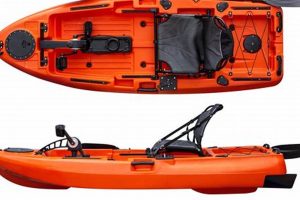
This activity involves using a kayak or similar small, human-powered watercraft to access and fish in ice-covered bodies of water. A specialized kayak, often sit-on-top style for stability and ease of entry/exit in cold conditions, is typically employed. Anglers drill holes through the ice from their watercraft, much like traditional ice fishing, and utilize standard ice fishing techniques and equipment.
This approach offers several advantages over traditional ice fishing. Mobility is significantly enhanced, allowing anglers to cover larger areas and locate fish more effectively. The reduced weight and compact nature of kayaks often provide access to locations unreachable by larger vehicles or ice shanties. This method can also be a less expensive entry point into ice fishing than investing in motorized equipment or a permanent structure. While relatively modern in widespread practice, its roots lie in the ingenuity of anglers seeking innovative ways to pursue their passion in frozen environments.
Further exploration will encompass essential equipment, safety considerations, recommended locations, and techniques for a successful and enjoyable experience on the ice.
Tips for Kayak Ice Fishing
Safe and productive kayak ice fishing requires careful planning and execution. The following tips offer guidance for a successful experience.
Tip 1: Check Ice Thickness and Quality: Verify ice conditions thoroughly before venturing onto any frozen body of water. Four inches of clear, solid ice is generally considered the minimum safe thickness for foot traffic, but more is recommended for supporting the weight of a kayak and angler. Avoid areas with slush, cracks, or pressure ridges.
Tip 2: Dress for Immersion: Wear a dry suit or other specialized cold-water immersion gear. Regular winter clothing is insufficient and can become life-threatening if submerged. Layering under the dry suit provides additional insulation.
Tip 3: Carry Essential Safety Equipment: Ice picks, a throwable personal flotation device (PFD), and a whistle are crucial safety items. A signaling device, such as a flare or mirror, is also recommended. Inform someone of your plans and expected return time.
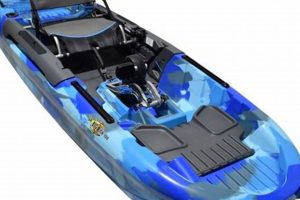
Tip 4: Choose a Stable Kayak: A wide, stable sit-on-top kayak is ideal for ice fishing. This style offers better stability and easier entry and exit than sit-inside kayaks, especially in cold conditions.
Tip 5: Use Appropriate Paddles and Gear: Shorter paddles designed for cold-water use are recommended. Ensure all fishing gear, including rods, reels, and tackle, is appropriate for ice fishing techniques.
Tip 6: Monitor Weather Conditions Continuously: Changing weather patterns can rapidly impact ice stability and safety. Check forecasts before heading out and remain vigilant throughout the excursion. Be prepared to return to shore quickly if conditions deteriorate.
Tip 7: Distribute Weight Evenly: Carefully distribute weight within the kayak to maintain balance and stability. Avoid sudden movements or shifting weight abruptly, which could lead to capsizing.
Adhering to these guidelines enhances safety and increases the likelihood of a positive experience. Preparation and awareness are paramount when venturing onto frozen waterways.
By following these tips and prioritizing safety, anglers can confidently enjoy the unique challenges and rewards this specialized fishing method presents.
1. Ice Safety

Ice safety is paramount in kayak ice fishing. The inherent risks of navigating frozen waterways necessitate a comprehensive understanding of ice dynamics and unwavering adherence to safety protocols. Neglecting these precautions can lead to serious consequences, including immersion in freezing water, hypothermia, and potentially fatality. A tragic example involves anglers venturing onto thawing ice, resulting in kayak instability and submersion. Such incidents underscore the critical nature of thorough ice assessment.
Careful evaluation of ice thickness and quality is crucial before commencing any kayak ice fishing activity. Four inches of clear, solid ice is generally considered the minimum safe thickness for foot traffic; however, significantly thicker ice is required to support the combined weight of a kayak and angler. Furthermore, ice quality varies considerably depending on factors like water currents, temperature fluctuations, and snow cover. Checking ice thickness at regular intervals throughout an outing is essential, as conditions can change rapidly. Visually inspecting the ice for cracks, pressure ridges, and slush pockets is another vital safety measure. These indicators often signify weakened ice and should be avoided entirely. Using a spud bar to test the ice ahead of each step while entering and exiting the kayak adds an extra layer of precaution.
Carrying essential safety equipment further mitigates risks. Ice picks, worn around the neck and readily accessible, provide a means of self-rescue should an angler fall through the ice. A throwable personal flotation device (PFD) can be deployed to assist others in distress. A whistle can attract attention in emergency situations. Informing someone of planned fishing locations and estimated return times provides an additional safety net. Ultimately, prioritizing ice safety through diligent preparation and continuous awareness allows anglers to enjoy this specialized activity while minimizing potential hazards.
2. Specialized Kayaks

Specialized kayaks play a crucial role in safe and effective ice fishing. Standard recreational kayaks often lack the stability, durability, and features necessary for navigating icy waters and supporting the unique demands of this activity. Selecting an appropriate kayak significantly impacts maneuverability, safety, and overall fishing success. For instance, a longer, narrower kayak designed for touring might be less stable on icy surfaces compared to a wider, shorter kayak built for recreational paddling or fishing. Choosing the wrong type of kayak increases the risk of capsizing, particularly when drilling holes or battling fish. Specific design features become especially critical in the demanding environment of ice fishing.
Several key attributes distinguish specialized kayaks suitable for ice fishing. A wider hull provides enhanced stability, reducing the likelihood of tipping, especially during activities that shift the center of gravity, such as drilling fishing holes. Sit-on-top kayaks are generally preferred due to their self-bailing capabilities and ease of entry and exit in cold conditions. Should a capsize occur, a sit-on-top design allows for easier re-entry compared to a sit-inside kayak. Moreover, these kayaks often feature reinforced hulls designed to withstand the abrasive nature of ice and potential impacts. Some models incorporate specialized features like integrated rod holders, fish finders, and storage compartments for ice fishing gear. These features contribute to a more organized and efficient fishing experience, allowing anglers to focus on the task at hand. A real-world example highlighting the importance of specialized kayaks involves anglers using standard recreational kayaks for ice fishing, resulting in instability and difficulty maneuvering in icy conditions. The enhanced stability and specialized features of purpose-built ice fishing kayaks directly contribute to a safer and more productive outing.
Investing in a specialized kayak designed for ice fishing ultimately enhances safety and performance on the ice. The increased stability, specialized features, and durability provided by these craft directly translate to a more secure and enjoyable experience. While standard recreational kayaks might suffice in calm, open water, the demanding conditions of ice fishing necessitate a specialized approach to equipment selection. Understanding the nuances of kayak design and their impact on ice fishing performance empowers anglers to make informed decisions, maximizing both safety and the potential for a successful catch.
3. Cold-Water Gear
Specialized cold-water gear is paramount for safe kayak ice fishing. Immersion in freezing water presents a life-threatening risk; therefore, appropriate clothing is not merely recommended but essential for survival. Standard winter clothing, even layered, offers inadequate protection in such scenarios. This section explores critical aspects of cold-water gear crucial for safe and effective kayak ice fishing.
- Dry Suits:
Dry suits form the cornerstone of cold-water immersion protection. Unlike wetsuits, which allow a thin layer of water to enter and warm against the body, dry suits create a waterproof barrier, preventing water entry altogether. This barrier is crucial in frigid environments, as even brief exposure to icy water can lead to rapid heat loss and hypothermia. Dry suits are typically constructed from durable, waterproof, and breathable materials, ensuring comfort and mobility while maintaining a dry internal environment. Real-world scenarios highlight their efficacy in preventing cold shock and hypothermia during accidental immersions, demonstrating their vital role in kayak ice fishing safety.
- Base and Insulating Layers:
Layering beneath the dry suit provides essential insulation and regulates body temperature. Moisture-wicking base layers draw perspiration away from the skin, preventing chilling and maintaining dryness. Insulating mid-layers, such as fleece or down jackets, trap warm air and provide crucial thermal protection. The combination of these layers allows anglers to adjust clothing based on activity levels and weather conditions, maximizing comfort and minimizing the risk of overheating or excessive perspiration, which can contribute to chilling.
- Extremities Protection:
Protecting extremities, particularly hands and feet, is crucial in cold-water environments. Neoprene gloves or waterproof insulated gloves provide dexterity while maintaining warmth. Insulated and waterproof boots protect feet from the cold and enhance traction on icy surfaces. These specialized garments minimize the risk of frostbite and ensure continued functionality in challenging conditions. Neglecting extremity protection can lead to impaired dexterity and increased risk of accidents, highlighting the importance of these specialized items.
- Headwear:
A significant portion of body heat is lost through the head, making appropriate headwear essential. Insulated hats or hoods trap warm air and minimize heat loss. These items should fit comfortably under a helmet or PFD without restricting movement or vision. Proper headwear contributes significantly to overall warmth and comfort, enhancing safety and focus during kayak ice fishing excursions.
Choosing the right cold-water gear can be the difference between a safe and enjoyable outing and a life-threatening situation. While specialized equipment and techniques contribute to a successful experience, prioritizing proper cold-water protection remains the cornerstone of kayak ice fishing safety. This comprehensive approach to cold-water gear ensures preparedness for the inherent risks of icy environments, maximizing both safety and enjoyment on the water.
4. Mobility & Access

Enhanced mobility and access represent defining advantages of kayak ice fishing compared to traditional methods. Conventional ice fishing often restricts anglers to locations accessible by vehicle or within walking distance of shore. Kayaks, being lightweight and easily maneuverable, significantly expand the reachable fishing grounds. This increased mobility allows anglers to explore a wider range of areas, including shallow coves, backwaters, and secluded spots often inaccessible to those limited by traditional means. For instance, a remote, ice-covered pond, inaccessible by vehicle, becomes readily accessible with a kayak, opening up new fishing opportunities. This advantage becomes particularly significant when targeting specific fish species known to inhabit such areas.
The portability of kayaks further amplifies access. Transporting kayaks often requires only a vehicle roof rack or small trailer, eliminating the need for larger, specialized trailers used for transporting ice shanties or snowmobiles. This ease of transport expands fishing options to include smaller, less accessible bodies of water, such as secluded ponds or upstream sections of rivers. Consider the scenario of an angler seeking early-season ice fishing opportunities. A small, secluded pond might freeze over sufficiently for kayak fishing before larger lakes become safe, providing an advantage impossible to achieve with traditional ice fishing methods. This exemplifies the practical significance of enhanced access afforded by kayaks.
The advantages of mobility and access inherent in kayak ice fishing translate directly to increased fishing opportunities and potential success. By overcoming the limitations of traditional access points, anglers can explore a wider range of environments, target specific locations, and ultimately increase their chances of finding and catching fish. This enhanced mobility, coupled with the relatively low environmental impact of human-powered watercraft, positions kayak ice fishing as a versatile and effective approach to this winter sport.
5. Fishing Techniques

Effective fishing techniques are crucial for successful kayak ice fishing. Adapting traditional ice fishing methods to the unique platform of a kayak requires specific considerations and adjustments. Understanding these specialized techniques maximizes catch rates and enhances the overall fishing experience. This section explores essential fishing techniques relevant to kayak ice fishing, emphasizing their practical application and implications.
- Jigging:
Jigging remains a cornerstone technique in kayak ice fishing. Small, brightly colored jigs, tipped with live bait or artificial lures, attract fish in the clear, cold water beneath the ice. The subtle up-and-down movements of a jig mimic the movements of aquatic insects or small fish, enticing fish to strike. Anglers often utilize specialized ice fishing rods and reels designed for sensitivity, allowing for precise jigging motions and detection of subtle bites. Varying jigging cadences and depths is often key to triggering strikes, adapting to fish activity levels and preferences. For example, a slow, subtle jigging motion might prove effective when fish are less active, while a more aggressive jigging presentation might be necessary during peak feeding periods.
- Tip-Ups:
Tip-ups, a passive fishing technique, remain effective in kayak ice fishing. These devices suspend live bait at a desired depth, signaling a bite when a fish takes the bait and triggers a flag. Multiple tip-ups can be deployed around the kayak, increasing the chances of a catch while allowing anglers to focus on jigging or other active techniques. Adapting tip-up placement to the kayak’s position requires careful consideration of water depth and potential obstructions. For instance, positioning tip-ups too close to the kayak might interfere with paddling and maneuvering.
- Electronics:
Fish finders and sonar units play a significant role in locating fish and understanding underwater structure. These devices provide real-time information on water depth, bottom contours, and fish presence, aiding anglers in identifying promising fishing spots. Mounting a portable fish finder on the kayak provides immediate feedback on fish activity beneath the ice, allowing for precise bait placement and technique adjustments. This technology can be especially valuable when fishing unfamiliar waters or searching for specific fish species known to inhabit particular depths or structures. For example, locating a drop-off or submerged vegetation bed can significantly increase the chances of encountering fish.
- Hole Hopping:
The inherent mobility of kayak ice fishing enables a technique known as “hole hopping.” This involves drilling multiple holes in various locations and periodically moving between them, maximizing coverage and increasing the likelihood of encountering active fish. This strategy proves particularly effective when fish are scattered or less active, allowing anglers to actively search for productive areas. Efficient hole hopping requires careful planning and awareness of ice conditions to ensure safe navigation between fishing spots. An example involves an angler drilling a series of holes along a weed line or near a drop-off, systematically fishing each hole before moving to the next, thereby covering a wider area and increasing the odds of locating active fish.
Mastering these techniques enhances fishing success in the specialized context of kayak ice fishing. By adapting traditional methods and utilizing the unique advantages of kayak-based mobility, anglers can effectively target fish, explore diverse locations, and ultimately enjoy a more productive and rewarding experience on the ice.
6. Location Scouting
Effective location scouting is a cornerstone of successful kayak ice fishing. Unlike traditional ice fishing, where access points often dictate fishing locations, the enhanced mobility of kayaks allows for strategic exploration and targeted selection of productive fishing spots. Understanding how to identify promising locations significantly influences catch rates and overall fishing success.
- Mapping and Research:
Thorough research, including studying maps, bathymetric charts, and online resources, provides valuable insights into underwater terrain, vegetation, and potential fish-holding structures. Identifying drop-offs, weed beds, points, and other underwater features known to attract fish allows anglers to prioritize specific areas during on-ice exploration. For example, researching historical fishing data for a particular lake might reveal areas known for winter concentrations of specific target species.
- On-Ice Observation:
Observing ice conditions and other environmental cues provides further clues. Areas with consistent ice thickness, minimal snow cover, and signs of previous angler activity might indicate productive fishing spots. Noting the presence of baitfish or other aquatic life can also signify promising locations. For instance, observing schools of baitfish near a particular area suggests the presence of predator fish, making it a prime location for targeting.
- Technology Integration:
Utilizing technology, such as portable fish finders and GPS units, enhances location scouting efficiency. Fish finders provide real-time data on water depth, bottom structure, and fish presence beneath the ice. GPS units aid in marking productive locations and navigating safely, especially in unfamiliar waters or during low-visibility conditions. Combining these technologies allows anglers to create a detailed map of underwater features and fish activity, maximizing the effectiveness of subsequent fishing trips.
- Local Knowledge & Networking:
Leveraging local knowledge through conversations with bait shop owners, experienced ice anglers, and online forums can provide invaluable insights into productive fishing spots. Local experts often possess detailed knowledge of fish behavior, seasonal patterns, and specific locations known for consistent catches. This information can significantly shorten the learning curve and increase the chances of success, especially when fishing new or unfamiliar bodies of water.
Effective location scouting transforms kayak ice fishing from a passive pursuit into a strategic endeavor. By combining pre-trip research with on-ice observation and technology integration, anglers gain a significant advantage in locating and targeting fish. This proactive approach maximizes fishing time, increases catch rates, and enhances the overall experience on the ice.
Frequently Asked Questions
This section addresses common inquiries regarding kayak ice fishing, providing concise and informative responses to clarify potential uncertainties and promote safe practices.
Question 1: What are the essential safety precautions for kayak ice fishing?
Checking ice thickness frequently, wearing a dry suit or other specialized immersion gear, carrying ice picks and a throwable PFD, and informing someone of planned fishing locations and return times are crucial safety measures. Monitoring weather conditions continuously and avoiding areas with unstable ice are also essential.
Question 2: What type of kayak is best suited for ice fishing?
Wide, stable sit-on-top kayaks are generally recommended due to their stability, self-bailing capabilities, and ease of entry/exit in cold conditions. Reinforced hulls designed for ice contact are beneficial.
Question 3: What specialized gear is needed for kayak ice fishing beyond a kayak and paddle?
Essential gear includes a dry suit or immersion suit, ice picks, a throwable PFD, a whistle, appropriate ice fishing rods and reels, tackle, and a means of checking ice thickness (spud bar or auger). Navigation and communication devices are also recommended.
Question 4: How does one locate productive fishing spots through the ice from a kayak?
Utilizing a fish finder to identify underwater structures and fish concentrations is highly effective. Researching maps and bathymetric charts beforehand can identify potential hotspots. Observing ice conditions and seeking local knowledge can also provide valuable insights.
Question 5: What are the legal requirements for kayak ice fishing?
Regulations vary by location. Checking with local authorities regarding fishing licenses, permitted species, catch limits, and specific regulations pertaining to ice fishing from kayaks is crucial before venturing out.
Question 6: What are the primary differences between kayak ice fishing and traditional ice fishing?
Kayak ice fishing offers significantly enhanced mobility and access to remote locations compared to traditional methods. It typically involves less equipment and setup, providing a more dynamic and adaptable approach to ice fishing.
Prioritizing safety and thorough preparation ensures a rewarding and secure experience. Adhering to recommended practices and regulations contributes to the sustainability of this specialized fishing method.
Further resources and information can be found through local angling clubs, governing bodies, and reputable online platforms dedicated to ice fishing safety and best practices.
Kayak Ice Fishing
Kayak ice fishing presents a unique blend of challenges and rewards. This specialized pursuit demands careful consideration of safety protocols, equipment selection, and specialized techniques. From understanding ice dynamics and utilizing appropriate cold-water gear to mastering kayak maneuvering and employing effective fishing strategies, success hinges on informed preparation and execution. The enhanced mobility and access offered by this approach unlock new fishing opportunities, expanding the reachable fishing grounds and increasing the potential for rewarding catches. However, these advantages come with heightened responsibility regarding safety and environmental awareness.
The future of kayak ice fishing rests upon the continued prioritization of safety, responsible angling practices, and respect for the delicate balance of winter ecosystems. Anglers engaging in this activity bear the responsibility of minimizing environmental impact and preserving the pristine nature of frozen waterways for future generations. Continued exploration and refinement of techniques, coupled with a steadfast commitment to safety consciousness, will shape the evolution of kayak ice fishing, ensuring its enduring appeal for those seeking adventure and connection with nature in frozen landscapes.