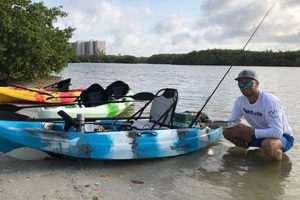
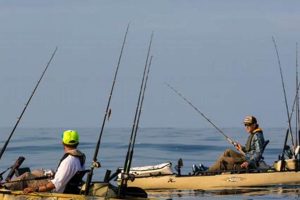
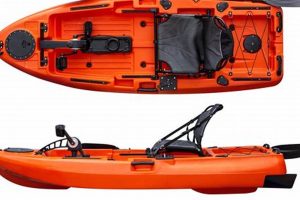
A specialized mounting system designed for angler kayaks provides a centralized platform for electronics, rod holders, and other fishing accessories. This platform often integrates seamlessly with the kayak’s hull and can be customized to suit individual angling needs. An example would be a molded-in area near the cockpit outfitted with pre-drilled holes for mounting fish finders, GPS units, and rod holders.
Such systems offer several advantages to kayak anglers. They streamline access to essential equipment, reducing clutter and improving efficiency on the water. Centralized mounting points protect valuable electronics from splashes and damage. Furthermore, a well-designed platform can enhance the kayak’s stability, a critical factor in fishing situations. Historically, anglers improvised mounting solutions, but purpose-built systems have become increasingly popular as kayak fishing has evolved.
The following sections will explore various types of mounting platforms, materials used in their construction, installation methods, and popular accessories commonly integrated into these systems. Additional topics will cover customization options, maintenance best practices, and factors to consider when choosing a suitable platform for specific fishing styles.
Tips for Optimizing Angler Kayak Setups
Careful planning and organization are essential for a successful kayak fishing experience. The following tips offer guidance on maximizing efficiency and enjoyment on the water.
Tip 1: Prioritize Stability: Begin by assessing the kayak’s inherent stability and the intended fishing environment. A stable platform is crucial, especially when handling fish or navigating challenging waters. Consider adding outriggers or stabilizers if needed.
Tip 2: Streamline Electronics Placement: Position electronics within easy reach and clear sightlines. Ensure transducers are correctly mounted for optimal sonar performance. Use cable management systems to prevent tangles and maintain a clean cockpit.
Tip 3: Optimize Rod Holder Placement: Consider the types of fishing techniques employed when positioning rod holders. Anglers targeting larger fish may require heavier-duty holders capable of securing larger rods. Easy access and secure storage during transit are paramount.
Tip 4: Maximize Storage Efficiency: Utilize available storage compartments effectively. Dry bags and waterproof containers protect essential gear from moisture. Distribute weight evenly within the kayak to maintain balance and prevent tipping.
Tip 5: Regularly Inspect and Maintain Equipment: Saltwater environments can be particularly corrosive. Rinse equipment thoroughly after each use and inspect for signs of wear or damage. Regular maintenance ensures longevity and reliable performance.
Tip 6: Practice Safety First: Always wear a personal flotation device (PFD). Carry a whistle or other signaling device in case of emergencies. Inform someone of your fishing plans, including location and expected return time.
By implementing these strategies, anglers can enhance their kayak fishing experience. A well-organized and efficient setup allows for greater focus on the sport and increases the chances of a successful outing.
This article has explored various facets of outfitting angler kayaks, highlighting the importance of a well-planned and organized approach. The concluding section will reiterate key takeaways and offer final recommendations.
1. Organization

Effective organization is paramount for a successful kayak fishing experience. A well-organized console transforms a kayak into an efficient fishing platform, maximizing both enjoyment and success on the water. Disorganization, conversely, can lead to frustration, lost time, and potentially hazardous situations.
- Tackle Management
Efficient tackle storage is crucial. A dedicated tackle box or system within the console keeps lures, hooks, and other small items readily accessible and prevents tangles. Examples include modular tackle trays, waterproof boxes, and specialized lure holders. Proper tackle management minimizes time spent searching for specific items, allowing anglers to focus on fishing.
- Rod Storage
Secure and accessible rod storage is essential. Rod holders integrated into the console keep rods organized and prevent them from interfering with paddling or other activities. Examples include adjustable rod holders, horizontal rod racks, and flush-mounted rod tubes. Well-placed rod holders minimize the risk of rod damage and facilitate quick deployment when fish are spotted.
- Electronics Placement
Strategic placement of electronics enhances efficiency. Fish finders, GPS units, and other electronics should be mounted within easy reach and clear sightlines. Examples include adjustable mounts, RAM ball systems, and integrated electronics compartments. Proper placement minimizes distractions and allows anglers to monitor critical information without compromising safety.
- Gear Stowage
Effective stowage of essential gear maximizes space and efficiency. PFDs, safety equipment, and other necessary items should be stored securely and accessibly. Examples include dry bags, waterproof hatches, and under-seat storage compartments. Proper gear stowage ensures that essential items are readily available while maintaining a clutter-free cockpit.
These organizational elements contribute significantly to an optimized kayak fishing console. A well-organized console enhances angler efficiency, safety, and overall enjoyment on the water. By prioritizing organization, anglers can focus on the sport of fishing rather than managing a cluttered and inefficient workspace.
2. Accessibility

Accessibility in the context of a kayak fishing console refers to the ease and speed with which anglers can reach essential equipment. This factor significantly impacts fishing efficiency and safety. A well-designed console places frequently used items within comfortable reach, minimizing awkward movements and maximizing time spent fishing. Conversely, poor accessibility can lead to frustration, wasted time, and potentially dangerous situations, especially in challenging conditions. Consider a scenario where an angler hooks a large fish; readily accessible pliers or a net become critical for a successful landing. If these tools are buried deep within a storage compartment, the angler risks losing the fish or compromising their balance while searching.
Several factors influence console accessibility. The console’s layout and the placement of specific items play a crucial role. Adjustable components, such as rod holders and electronics mounts, allow customization based on individual needs and preferences. The angler’s physical characteristics, such as height and reach, also influence optimal console design. For example, a taller angler might benefit from a higher console placement compared to someone of shorter stature. Properly positioned gear tracks and mounting systems further enhance accessibility by providing designated locations for essential tools and accessories. These systems eliminate the need to rummage through storage compartments, keeping essential items within easy reach.
Optimizing accessibility contributes significantly to an efficient and enjoyable kayak fishing experience. It allows anglers to focus on fishing rather than struggling to reach essential equipment. Furthermore, improved accessibility enhances safety by minimizing awkward movements and maintaining stability. Challenges in achieving optimal accessibility can arise from limited space and the need to balance storage capacity with ease of access. However, careful planning and prioritization of frequently used items can mitigate these challenges. The next section will explore the importance of customization options in maximizing the functionality of kayak fishing consoles.
3. Customization

Customization plays a crucial role in optimizing kayak fishing consoles for individual needs and preferences. Anglers employ diverse fishing techniques, target different species, and operate in varied environments. A customizable console allows adaptation to these specific requirements, enhancing efficiency, comfort, and overall fishing success. A standardized, non-customizable console would force anglers to adapt their fishing styles to the limitations of the platform, potentially compromising effectiveness.
- Modular Components
Modular components, such as interchangeable rod holders, electronics mounts, and tackle storage systems, form the foundation of console customization. These components allow anglers to configure the console to precisely match their fishing styles. For example, a bass angler might prioritize multiple rod holders and easy access to lures, while a fly fisherman might prefer a minimalist setup with fewer rod holders and specialized fly storage. This modularity allows for adaptation over time as fishing styles evolve or new equipment is acquired.
- Adjustable Positioning
Adjustable positioning of console components further enhances customization. Rod holders that can be angled or repositioned accommodate different rod lengths and fishing techniques. Similarly, adjustable electronics mounts ensure optimal viewing angles and accessibility. This flexibility is crucial for maintaining comfort and efficiency throughout a fishing trip. A fixed-position console would restrict anglers to a single configuration, potentially leading to discomfort or inefficient equipment placement.
- Integration with Accessories
Customizable consoles facilitate seamless integration with various accessories, expanding functionality and enhancing the fishing experience. Examples include mounting platforms for cameras, lights, and fish finders, as well as integrated storage solutions for tackle, safety gear, and personal items. This integration streamlines the kayak setup and maximizes space utilization. A console lacking integration options would limit the angler’s ability to incorporate essential accessories, potentially hindering their fishing effectiveness.
- Material and Color Choices
Customization often extends to material and color choices, allowing anglers to personalize their kayak and enhance its aesthetics. Consoles constructed from different materials, such as aluminum, composite, or rotomolded plastic, offer varying levels of durability, weight, and cost. Color options allow anglers to personalize their kayak and match it to their preferences or fishing environment. These choices, while less directly related to functionality, contribute to the overall satisfaction and ownership experience.
The ability to customize a kayak fishing console significantly enhances its utility and adaptability. By tailoring the console to their specific requirements, anglers can optimize their fishing experience, maximizing efficiency, comfort, and overall success on the water. This customization transforms the kayak from a generic platform into a personalized fishing machine, tailored to the unique needs and preferences of each angler.
4. Stability Enhancement
Stability is a critical factor in kayak fishing, influencing both safety and effectiveness. A stable platform allows anglers to focus on fishing rather than maintaining balance, particularly in challenging conditions such as rough water or when fighting a fish. The kayak fishing console, while primarily designed for equipment organization and access, can also contribute significantly to stability enhancement through careful design and integration with other stability-enhancing features.
- Lower Center of Gravity
Mounting heavier items lower on the console contributes to a lower center of gravity for the entire kayak. This enhances stability by reducing the likelihood of tipping. Positioning batteries, tackle boxes, and other weighty items closer to the hull improves overall balance. Conversely, placing heavy items high on the console raises the center of gravity, increasing instability.
- Weight Distribution
Even weight distribution across the console and within the kayak is essential for maintaining stability. Asymmetrical loading can create imbalances, leading to instability and difficulty maneuvering. Distributing weight evenly, both side-to-side and front-to-back, optimizes balance and control. For example, balancing a heavy fish finder mounted on one side of the console with a similarly weighted tackle box on the opposite side promotes even weight distribution.
- Integration with Outriggers/Stabilizers
Some kayak fishing consoles are designed for integration with outriggers or stabilizers. These additions provide additional support and significantly enhance stability, particularly in rough water or when standing to fish. The console serves as a mounting point for these systems, creating a unified and stable platform. Outriggers extend outward from the kayak, providing lateral stability, while stabilizers typically attach beneath the hull, increasing overall buoyancy and resistance to tipping.
- Console Design and Material
The console’s design and construction material can also influence stability. A wider console base generally provides greater stability compared to a narrower design. Heavier, denser materials, such as aluminum or composite, can contribute to a lower center of gravity, further enhancing stability. Lightweight materials, while beneficial for portability, may not contribute as significantly to stability enhancement.
By considering these factors, anglers can leverage the kayak fishing console to enhance stability, contributing to a safer and more effective fishing experience. A stable platform enables anglers to confidently navigate various water conditions, handle fish more effectively, and ultimately enjoy more time focused on fishing rather than maintaining balance. While the console itself plays a role, its integration with other stability-enhancing features, such as outriggers and careful weight distribution, maximizes overall stability and control.
5. Equipment Mounting
Equipment mounting is integral to the functionality of a kayak fishing console. The console serves as a centralized platform for securely attaching various fishing accessories, electronics, and other essential gear. Effective mounting solutions maximize space utilization, enhance accessibility, and contribute to a safer, more organized fishing experience. Without a robust mounting system, equipment becomes susceptible to damage, loss, and interference with paddling or fishing activities. Consider a fish finder loosely placed on the deck of a kayak; it risks damage from splashes, impacts, or even being swept overboard. Securely mounting the fish finder to the console mitigates these risks.
Several factors influence the effectiveness of equipment mounting on a kayak fishing console. The type and quality of mounting hardware, such as rails, tracks, and specialized mounts, directly impact the security and stability of attached equipment. Compatibility between mounting hardware and specific accessories is crucial for proper fit and function. The console’s structural integrity also plays a role; it must be robust enough to support the weight and stresses imposed by mounted equipment. For instance, a console constructed from lightweight plastic might not be suitable for mounting heavier items like downriggers or large battery packs. Additionally, the placement of mounting points influences accessibility and ergonomics. Positioning rod holders within easy reach and angling electronics mounts for optimal visibility enhance efficiency and comfort.
Understanding the relationship between equipment mounting and the kayak fishing console is crucial for optimizing the kayak fishing experience. Secure and accessible mounting solutions contribute significantly to efficiency, safety, and overall enjoyment on the water. Challenges can arise from limited space, compatibility issues between equipment and mounting hardware, and the need to balance weight distribution for stability. Addressing these challenges requires careful planning, selection of appropriate mounting solutions, and consideration of the specific needs and preferences of the angler. Effective equipment mounting transforms the kayak fishing console into a personalized and highly functional fishing platform.
6. Material Durability

Material durability is paramount for kayak fishing consoles given the harsh marine environment. Consoles regularly endure exposure to saltwater, UV radiation, and physical impacts. Material selection directly impacts the console’s longevity, maintenance requirements, and overall performance. A durable console withstands these rigors, maintaining structural integrity and functionality over extended periods. Conversely, a console constructed from less durable materials may deteriorate rapidly, requiring frequent repairs or replacement. For example, a console fabricated from marine-grade aluminum or high-impact plastic exhibits superior durability compared to one made from untreated wood or low-grade plastic. The former resists corrosion and impact damage, while the latter quickly succumbs to environmental factors.
The choice of materials influences not only the console’s lifespan but also its performance. Durable materials often exhibit greater resistance to stress cracking, deformation, and fading. This robustness ensures the console remains functional and aesthetically pleasing despite prolonged exposure to the elements. Furthermore, durable materials typically require less maintenance, reducing the time and expense associated with upkeep. For instance, a powder-coated aluminum console resists corrosion and requires minimal cleaning, while a wooden console necessitates regular sealing and refinishing to prevent deterioration. Selecting appropriate materials minimizes maintenance demands and ensures long-term reliability.
In conclusion, material durability is a crucial consideration in kayak fishing console design. Selecting robust, marine-grade materials ensures the console withstands the rigors of the marine environment, minimizing maintenance, maximizing lifespan, and ensuring reliable performance. While initial costs for durable materials may be higher, the long-term benefits of reduced maintenance, enhanced longevity, and consistent performance outweigh the initial investment. This understanding underscores the significance of material selection in optimizing the kayak fishing experience.
Frequently Asked Questions
This section addresses common inquiries regarding kayak fishing consoles, providing concise and informative responses.
Question 1: What materials are commonly used in kayak fishing console construction?
Common materials include marine-grade aluminum, high-impact plastics such as polyethylene and ABS, and composites like fiberglass or carbon fiber. Material choice influences durability, weight, and cost.
Question 2: How does console design impact kayak stability?
Console design influences stability through weight distribution and center of gravity. A lower center of gravity enhances stability. Even weight distribution across the console minimizes imbalances. Integration with outriggers or stabilizers further enhances stability.
Question 3: What are the key benefits of a customizable console?
Customization allows anglers to tailor the console to individual fishing styles and preferences. Modular components, adjustable positioning, and accessory integration options enhance versatility and functionality.
Question 4: What mounting options are available for electronics and accessories?
Common mounting options include rails, tracks, and specialized mounts designed for specific accessories. Compatibility between mounting hardware and accessories is crucial for secure attachment.
Question 5: How does one maintain a kayak fishing console?
Regular cleaning with fresh water and mild soap removes salt and grime. Inspection for damage and timely repairs prevent further deterioration. Specific maintenance requirements vary depending on console materials.
Question 6: What factors should be considered when choosing a console?
Consider fishing style, kayak compatibility, desired features, budget, and material durability. Prioritize stability, accessibility, and customization options for optimal performance.
Understanding these key aspects of kayak fishing consoles facilitates informed decisions, enhancing the overall fishing experience. Choosing the right console and utilizing it effectively contributes significantly to on-the-water success and enjoyment.
The subsequent section delves into advanced techniques for customizing kayak fishing consoles, offering insights into maximizing functionality and personalization.
Kayak Fishing Console
This exploration has highlighted the multifaceted nature of kayak fishing consoles, emphasizing their significance in optimizing the angling experience. From material durability and equipment mounting to stability enhancement and customization options, the console’s impact on fishing effectiveness and overall enjoyment is substantial. Careful consideration of these aspects empowers anglers to select and configure consoles tailored to individual needs and preferences. Key considerations include material selection for longevity, strategic equipment placement for accessibility, and customization options for adaptability to diverse fishing styles. Effective organization and integration with other kayak features further enhance the console’s utility.
The evolution of kayak fishing consoles reflects the growing sophistication of the sport. As technology advances and angling techniques evolve, further innovation in console design and functionality is anticipated. Anglers seeking to maximize their on-the-water experience are encouraged to research available options, prioritize key features, and consider the long-term implications of console selection. A well-chosen and properly configured kayak fishing console serves as a cornerstone of efficient, enjoyable, and successful angling pursuits.