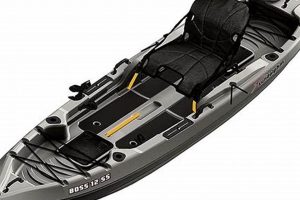
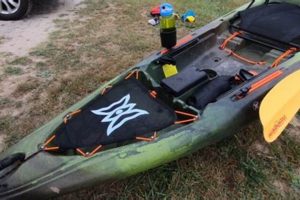
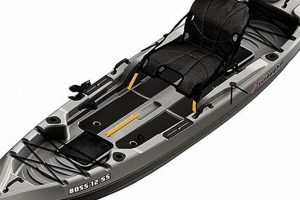
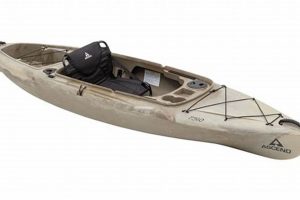
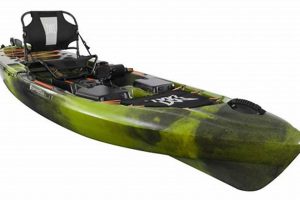
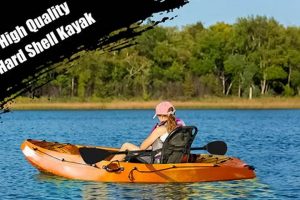
High-quality, angler-focused vessels designed for stability and open-water angling represent a significant advancement in personal fishing craft. These watercraft typically feature specialized storage, rod holders, and other design elements optimized for angling activities. They provide an elevated vantage point compared to traditional kayaks, facilitating sight fishing and casting.
The stability and accessibility of these specialized kayaks contribute significantly to their growing popularity among fishing enthusiasts. Offering a hands-free fishing experience coupled with maneuverability in diverse water conditions, these boats provide anglers increased access to fishing locations. This evolution in kayak design signifies a shift towards enhanced comfort and practicality for anglers, ultimately enriching the fishing experience. Their development aligns with a broader trend towards specialized recreational equipment catering to specific outdoor pursuits.
The subsequent sections will delve deeper into specific features, leading models, selection criteria, and essential accessories for optimizing the angling experience. Further exploration of stability, storage capacity, and propulsion systems will provide readers with a comprehensive understanding of this evolving segment of the fishing industry.
Tips for Selecting and Using High-Performance Fishing Kayaks
Choosing and utilizing a specialized fishing kayak effectively requires careful consideration of several factors. These tips offer guidance for maximizing performance and safety on the water.
Tip 1: Prioritize Stability: Hull design significantly influences stability. Wider, flatter hulls offer enhanced stability, particularly beneficial for stand-up fishing. Consider anticipated water conditions and fishing styles when evaluating hull characteristics.
Tip 2: Evaluate Storage Capacity: Ample storage is crucial for carrying tackle, safety gear, and personal items. Consider dedicated compartments, tank wells, and bungee systems when assessing storage options.
Tip 3: Choose Appropriate Propulsion: Paddle propulsion offers maneuverability and affordability. Pedal drives provide hands-free fishing and increased speed. Motorized kayaks offer extended range but require additional maintenance.
Tip 4: Consider Comfort and Ergonomics: Adjustable seating, footrests, and backrests enhance comfort during long fishing trips. Evaluate these features for optimal ergonomic support.
Tip 5: Invest in Essential Accessories: Rod holders, fish finders, and anchors enhance fishing functionality. Safety gear, including a personal flotation device (PFD) and a whistle, are paramount.
Tip 6: Practice Proper Paddling Techniques: Efficient paddling conserves energy and maximizes maneuverability. Instructional resources can improve paddling proficiency.
Tip 7: Research Fishing Regulations and Safety Guidelines: Adhering to local regulations and practicing safe boating practices ensures responsible and enjoyable angling experiences.
By considering these factors, anglers can select and utilize high-performance fishing kayaks effectively, maximizing on-the-water success and safety.
This information provides a foundation for informed decision-making. The concluding section will summarize key takeaways and offer final recommendations.
1. Stability

Stability forms a cornerstone of performance in high-quality fishing kayaks designed for open water. A stable platform allows anglers to cast, reel, and land fish effectively, even in challenging conditions. This attribute becomes particularly crucial when standing to sight fish or cast, offering enhanced visibility and leverage. Compromised stability can lead to difficulties in maintaining balance and controlling the kayak, potentially jeopardizing safety and hindering fishing success. A stable hull design contributes significantly to angler confidence and overall fishing experience. For example, a wider, flatter hull provides inherent stability, while a narrower, V-shaped hull may offer greater speed but compromise stability.
The connection between stability and high ratings becomes evident when examining user reviews and expert evaluations. Kayaks consistently lauded for stability tend to receive higher ratings from anglers, reflecting the importance of this feature. Stability influences not only fishing efficacy but also overall comfort and safety. A stable kayak reduces fatigue associated with constant balance adjustments, allowing anglers to focus on fishing. Furthermore, enhanced stability mitigates the risk of capsizing, particularly in rough waters or when dealing with larger fish. This is particularly relevant in sit-on-top kayaks, where anglers are more exposed to the elements and water contact is more frequent.
In summary, stability plays a critical role in the performance and overall rating of top-tier fishing kayaks. Understanding the nuances of stability, considering hull design and personal fishing styles, allows anglers to make informed decisions. Prioritizing stability contributes significantly to a safer, more comfortable, and ultimately more successful fishing experience. Subsequent discussions will address other critical factors contributing to high performance in fishing kayaks.
2. Storage Capacity

Storage capacity directly influences the utility and overall rating of high-performing fishing kayaks. Adequate storage facilitates organized transport of essential fishing gear, safety equipment, and personal items. The ability to stow gear securely contributes to an uncluttered deck, promoting efficient movement and reducing the risk of entanglement. Conversely, limited storage capacity restricts the amount of gear carried, potentially compromising preparedness and fishing effectiveness. This factor becomes particularly critical during longer excursions or in diverse fishing environments requiring specialized equipment.
High-capacity storage solutions, such as integrated rod holders, tackle compartments, and dry storage hatches, distinguish top-rated models. These features allow anglers to organize and access gear efficiently, optimizing fishing time and minimizing disruptions. For example, dedicated rod holders secure rods during transit and allow quick access when targeting specific fish. Similarly, waterproof compartments protect sensitive electronics and personal items from water damage, while strategically placed tackle storage facilitates lure changes and adjustments. The lack of these features can lead to frustration, decreased efficiency, and a compromised fishing experience. Real-world scenarios, such as navigating challenging waters or encountering unexpected weather changes, highlight the practical significance of ample, well-designed storage.
In summary, storage capacity serves as a key differentiator between average and top-rated fishing kayaks. Prioritizing storage solutions aligned with individual fishing styles and anticipated needs significantly enhances on-the-water efficiency and enjoyment. The correlation between generous, well-organized storage and positive user reviews underscores the importance of this attribute. Ultimately, ample storage capacity contributes to a more prepared, organized, and successful fishing experience, aligning directly with the goals of discerning anglers.
3. Propulsion System

Propulsion systems represent a defining characteristic of high-performance fishing kayaks, directly impacting speed, maneuverability, and overall fishing effectiveness. The choice of propulsion significantly influences an angler’s ability to navigate diverse water conditions, cover larger areas, and position effectively for optimal fishing. Understanding the nuances of various propulsion methods is crucial for selecting a kayak aligned with individual fishing styles and target environments.
- Paddle Propulsion
Traditional paddle propulsion offers affordability and versatility, requiring minimal maintenance and providing excellent maneuverability in tight spaces. Paddle-powered kayaks excel in shallow water and areas with dense vegetation, allowing anglers to navigate complex environments effectively. However, paddling requires physical exertion, potentially leading to fatigue during long trips or challenging conditions. This method also occupies both hands, limiting simultaneous fishing activities. While suitable for shorter trips or calm waters, paddle propulsion may present limitations for anglers seeking extended range or hands-free fishing.
- Pedal Propulsion
Pedal-powered kayaks employ foot-operated propellers or flippers, enabling hands-free fishing and increased speed compared to paddling. This propulsion method conserves energy, reduces fatigue, and allows anglers to focus on fishing techniques rather than paddling. Pedal drives excel in open water or moderate currents, providing efficient and sustained propulsion. However, pedal kayaks generally carry a higher price tag and may be less maneuverable in shallow water or tight spaces compared to paddle-powered options. The added complexity of the pedal system may also require occasional maintenance.
- Motorized Propulsion
Motorized kayaks offer the greatest speed and range, enabling anglers to cover vast distances with minimal physical effort. Electric motors provide quiet operation and environmental friendliness, while gasoline-powered motors offer greater range and power. Motorized kayaks excel in larger bodies of water or strong currents, expanding access to distant fishing locations. However, motorized kayaks often represent the highest investment, requiring battery charging or fuel and periodic engine maintenance. Regulations regarding motorized watercraft vary by location and should be considered before opting for a motorized kayak.
- Considerations for Selection
Selecting the appropriate propulsion system requires careful consideration of fishing style, target environment, and budget. Anglers prioritizing maneuverability in shallow water might favor paddle propulsion, while those seeking hands-free fishing and increased speed in open water might prefer pedal drives. Motorized kayaks cater to anglers requiring extended range and minimal physical exertion. Evaluating these factors alongside budget constraints and local regulations enables informed decision-making, ensuring the chosen propulsion system aligns perfectly with individual angling needs.
The propulsion system directly impacts the overall performance and rating of top-tier fishing kayaks. The choice of propulsion influences speed, range, maneuverability, and fishing efficiency, ultimately contributing to angler satisfaction and on-the-water success. By carefully evaluating the advantages and limitations of each propulsion method, anglers can select the optimal system aligned with their specific needs and preferences. This understanding is crucial for maximizing the potential of a high-performance fishing kayak and achieving an enhanced angling experience.
4. Comfort Features
Comfort features directly influence the overall enjoyment and effectiveness of extended fishing trips in sit-on-top kayaks. Ergonomic design elements, including adjustable seating systems, footrests, and backrests, play a crucial role in mitigating fatigue and enhancing angler comfort. High-ranking kayaks frequently incorporate these features, recognizing the importance of sustained comfort during long hours on the water. Discomfort can detract from the fishing experience, leading to premature fatigue, decreased focus, and a reduced ability to react effectively to fishing opportunities. Conversely, well-designed comfort features enable anglers to maintain focus and energy, maximizing fishing time and enjoyment. For example, an adjustable seat allows anglers to customize back support and leg positioning, reducing strain and promoting better posture. Similarly, adjustable footrests accommodate varying leg lengths, contributing to overall stability and balance.
The connection between comfort features and top ratings becomes evident when examining user reviews and expert evaluations. Kayaks consistently praised for comfort tend to receive higher ratings, reflecting the practical significance of ergonomic design. This connection stems from the direct impact comfort has on the overall fishing experience. A comfortable angler is more likely to remain focused, alert, and responsive to fishing opportunities. Moreover, enhanced comfort reduces the likelihood of physical strain and discomfort, allowing anglers to enjoy longer fishing trips without compromise. Real-world scenarios, such as enduring rough water conditions or engaging in strenuous fishing activities, highlight the critical role comfort plays in overall performance. For instance, a well-designed backrest provides crucial support during long paddling sessions or when fighting larger fish, preventing backaches and enhancing stability.
In summary, comfort features represent a key differentiator between average and top-rated sit-on-top fishing kayaks. Prioritizing ergonomic design elements, such as adjustable seating, footrests, and backrests, significantly enhances angler comfort and overall fishing performance. The correlation between comfort and high ratings underscores the practical importance of these features. Investing in a kayak with well-designed comfort features contributes directly to a more enjoyable, productive, and less physically demanding fishing experience, aligning with the goals of discerning anglers seeking optimal performance on the water.
5. Fishing Amenities
Specialized fishing amenities distinguish top-rated sit-on-top kayaks from general recreational models. These purpose-built features directly enhance angling effectiveness and overall user experience. Integrated rod holders, strategically positioned tackle storage compartments, and mounting platforms for fish finders exemplify such amenities. These features contribute significantly to efficient tackle management, optimized rod placement, and enhanced fish-finding capabilities. Cause-and-effect relationships exist between the presence of these amenities and positive user experiences. For example, readily accessible rod holders minimize disruptions during casting and retrieving, directly impacting fishing success. Similarly, organized tackle storage facilitates quick lure changes and adjustments, maximizing fishing time. Real-world scenarios, such as encountering a sudden school of fish or needing to adjust to changing water conditions, underscore the practical value of these specialized features. A lack of dedicated fishing amenities can lead to frustration, decreased efficiency, and a compromised fishing experience, especially during demanding fishing trips. Consider an angler needing to switch lures quickly in response to changing fish behavior; integrated tackle storage facilitates a swift change, while a lack of such storage would require rummaging through a less organized area, potentially losing valuable fishing time.
Further enhancing the fishing experience, top-rated kayaks often incorporate features like anchor trolleys, livewells, and paddle parks. Anchor trolleys allow precise positioning in currents, maximizing fishing effectiveness in specific locations. Livewells provide a convenient solution for keeping caught fish fresh, extending fishing sessions without compromising fish quality. Paddle parks secure paddles safely, preventing loss or interference during fishing activities. These specialized amenities streamline fishing processes, reducing distractions and enhancing overall enjoyment. Practical applications become evident in specific scenarios. Imagine needing to maintain a precise position in a flowing river; an anchor trolley allows controlled anchoring and drift fishing, maximizing exposure to target areas. Similarly, a livewell preserves the freshness of caught fish throughout the day, ensuring a high-quality catch at the end of a multi-hour fishing trip. The absence of these features can introduce inefficiencies and compromise the overall quality of the fishing experience.
In summary, the presence and quality of fishing amenities directly contribute to the elevated ratings of top-tier sit-on-top fishing kayaks. These purpose-built features optimize angling functionality, enhance efficiency, and contribute to a more rewarding experience on the water. Understanding the practical significance of these amenities provides valuable insights for discerning anglers seeking high-performance kayaks. The correlation between well-designed fishing amenities and angler satisfaction underscores their importance in the overall evaluation of top-rated fishing kayaks. While other factors, like stability and propulsion, contribute to a kayak’s performance, fishing amenities specifically cater to the unique needs of anglers, solidifying their crucial role in determining overall quality and user satisfaction.
Frequently Asked Questions
This section addresses common inquiries regarding high-performance fishing kayaks, providing concise and informative responses.
Question 1: What key features distinguish top-rated fishing kayaks?
Key differentiators include superior stability, ample storage capacity, efficient propulsion systems, ergonomic design for comfort, and specialized fishing amenities like rod holders and tackle storage.
Question 2: How does hull design influence stability and performance?
Wider, flatter hulls generally offer greater stability, particularly beneficial for stand-up fishing, while narrower hulls may prioritize speed over stability. Hull design should align with intended fishing styles and water conditions.
Question 3: What propulsion options are available, and how do they compare?
Propulsion options include paddles, pedal drives, and motors. Paddles offer affordability and maneuverability, pedal drives provide hands-free fishing, and motors maximize speed and range. Selection depends on individual needs and preferences.
Question 4: Why is storage capacity a crucial consideration for fishing kayaks?
Ample storage facilitates organized transport of essential fishing gear, safety equipment, and personal items. Sufficient storage contributes to an uncluttered deck and efficient access to equipment, optimizing fishing time and effectiveness.
Question 5: What role do comfort features play in overall fishing experience?
Ergonomic design elements, including adjustable seating, footrests, and backrests, enhance comfort during long fishing trips, reducing fatigue and promoting sustained focus and enjoyment.
Question 6: How do specialized fishing amenities enhance angling performance?
Integrated rod holders, tackle storage, fish finder mounts, anchor trolleys, and livewells optimize fishing functionality, improve efficiency, and contribute to a more successful and rewarding angling experience.
Careful consideration of these factors contributes to informed decision-making when selecting a high-performance fishing kayak.
Further information regarding specific models and manufacturers can be found in the subsequent section.
Conclusion
High-performance fishing kayaks represent a significant advancement in angling technology. Careful consideration of stability, storage, propulsion, comfort, and specialized fishing features is essential for selecting a model aligned with individual needs and maximizing on-the-water success. Understanding the interplay of these factors empowers anglers to make informed decisions, optimizing performance, comfort, and overall fishing experience.
Investing in a well-equipped, appropriately chosen vessel unlocks new possibilities in angling pursuits. Continued advancements in kayak design and technology promise further enhancements in performance and functionality, enriching the fishing experience for enthusiasts of all skill levels. The pursuit of the ideal fishing kayak ultimately rests on a thorough understanding of individual needs and a commitment to informed decision-making.