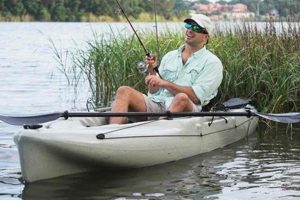
Angling from a small, human-powered vessel on Big Bear Lake offers a unique blend of recreation and sport. This method allows close-to-water access, enabling exploration of diverse habitats and targeted pursuit of various fish species. For example, anglers can navigate shallow coves teeming with panfish or venture into deeper waters seeking larger trout and bass.
This approach presents several advantages, including maneuverability in tight spaces, quiet operation for minimal disturbance of aquatic life, and a physical connection to the natural environment. The lake’s history of recreational fishing, coupled with the growing popularity of this specific technique, has fostered a community of enthusiasts and contributed to the local economy through tourism and related businesses.
The following sections will delve into specific aspects, such as recommended equipment, ideal fishing locations within the lake, prevalent species and effective angling techniques, necessary permits and regulations, and safety considerations for a successful and enjoyable experience.
Tips for Angling Success on Big Bear Lake
Preparation and adherence to best practices contribute significantly to a productive and enjoyable fishing experience. The following tips provide valuable insights for maximizing success and ensuring safety.
Tip 1: Check Weather Conditions: Prior to embarking, consult reliable weather forecasts to avoid unexpected changes in wind speed and precipitation, which can create hazardous conditions on the water.
Tip 2: Obtain Necessary Permits: Ensure compliance with local regulations by acquiring appropriate fishing licenses and permits before commencing any fishing activity.
Tip 3: Utilize Appropriate Gear: Select fishing rods, reels, and tackle suitable for targeted species and the lake’s environment. Consider using lighter equipment for panfish and heavier gear for larger game fish.
Tip 4: Employ Effective Techniques: Research and implement proven fishing techniques such as trolling, still-fishing, or casting to increase the chances of attracting and hooking fish.
Tip 5: Prioritize Safety: Wear a personal flotation device (PFD) at all times while on the water. Carry a whistle for signaling in case of emergencies and inform someone of your fishing plans, including expected return time.
Tip 6: Respect the Environment: Practice catch-and-release whenever possible to preserve fish populations. Properly dispose of fishing line and other waste to minimize environmental impact.
Tip 7: Research Ideal Locations: Study maps and consult local resources to identify productive fishing spots known for specific species or favorable conditions.
Adherence to these guidelines will enhance angler safety and success, promoting a responsible and rewarding experience on Big Bear Lake.
By following these tips, anglers can maximize their chances of a successful outing while prioritizing safety and environmental responsibility. This foundation sets the stage for a more in-depth exploration of specific techniques and locations within Big Bear Lake.
1. Kayak Selection

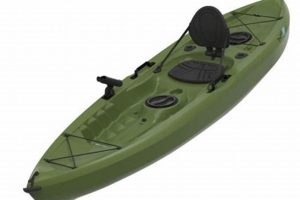
Appropriate kayak selection significantly impacts the overall experience of angling on Big Bear Lake. Stability, maneuverability, and storage capacity are key considerations. A stable platform is crucial for casting, reeling, and landing fish, particularly in variable wind conditions. Maneuverability influences access to shallow coves and navigating around obstacles like fallen trees or emergent vegetation. Adequate storage accommodates essential fishing gear, tackle boxes, and personal items, enhancing efficiency and comfort. For example, a sit-on-top kayak offers superior stability and ease of re-entry after an accidental capsize, while a longer, narrower kayak provides better tracking across open water. Choosing a kayak tailored to individual needs and fishing style is essential for a successful outing.
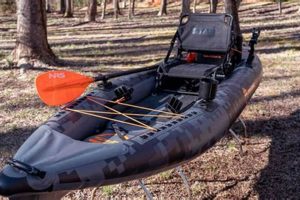
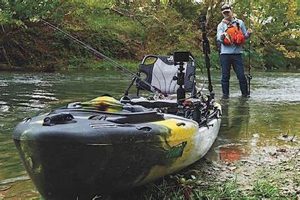
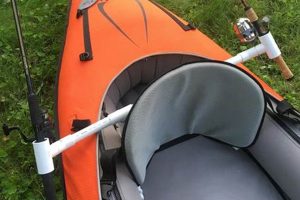
Several kayak types are suitable for Big Bear Lake, each offering specific advantages. Inflatable kayaks provide portability and ease of storage, making them ideal for anglers with limited transport space. Hard-shell kayaks offer greater durability and tracking performance, suited for longer trips and more challenging conditions. Pedal-driven kayaks allow hands-free fishing, maximizing casting opportunities, while traditional paddle kayaks provide a quieter, more immersive experience. Evaluating these factors based on personal preference and anticipated fishing style optimizes comfort, efficiency, and enjoyment on the water.
Careful consideration of kayak selection is integral to a positive fishing experience on Big Bear Lake. Matching kayak type to individual needs and intended fishing style maximizes stability, maneuverability, and storage capacity, contributing significantly to safety, comfort, and overall success. Prioritizing these factors ensures a well-equipped and enjoyable angling adventure.
2. Fishing Gear

Specialized fishing gear enhances angling success on Big Bear Lake from a kayak. Given the limited space and mobility inherent in kayak fishing, equipment choices become crucial. Rods and reels should be compact yet robust enough to handle targeted species. Shorter rods, typically 6-7 feet, facilitate casting and maneuverability within the confined space of a kayak. Spinning reels or baitcasting reels paired with appropriate line weight offer versatility for different fishing techniques. Lightweight, durable tackle boxes organized with essential lures, hooks, weights, and other accessories maximize efficiency. For instance, targeting trout may necessitate lighter lines and smaller lures, while pursuing larger bass requires heavier tackle. Selecting gear appropriate to the target species and the lake environment directly impacts angling success.
Beyond rods and reels, specialized tools further enhance kayak angling. A fish finder, mounted on the kayak, provides real-time underwater insights, assisting in locating fish and identifying suitable habitats. A landing net with a telescopic handle aids in securing catches efficiently and safely from the kayak’s lower position. Essential safety gear, including a sharp knife for cutting lines and pliers for hook removal, should be readily accessible. These tools contribute to a safer, more efficient, and ultimately more successful fishing experience. Practical application of this understanding allows anglers to optimize their gear selection based on specific needs and target species, increasing the likelihood of a rewarding outing.
Appropriate fishing gear, tailored to the constraints and opportunities of kayak angling on Big Bear Lake, is essential for a successful and enjoyable experience. Careful selection of rods, reels, tackle, and specialized tools, combined with an understanding of target species and lake conditions, contributes significantly to maximizing catch potential and angler safety. Effectively integrating these elements empowers anglers to confidently pursue their chosen quarry and fully appreciate the unique angling opportunities Big Bear Lake offers.

Effective navigation is essential for a successful and safe kayak fishing experience on Big Bear Lake. Understanding wind patterns, water currents, and potential hazards allows anglers to efficiently target productive fishing areas while minimizing risks. Skillful navigation enhances access to diverse habitats and optimizes fishing time, contributing significantly to a positive and rewarding outing.
- Wind and Current Awareness
Wind and currents significantly influence kayak movement on Big Bear Lake. Prevailing wind patterns often create choppy conditions in exposed areas, making paddling more challenging and potentially hazardous. Understanding these patterns and planning routes accordingly conserves energy and enhances safety. Similarly, recognizing and accounting for water currents, particularly near inlets and outlets, allows for more precise navigation and efficient movement between fishing locations. For example, paddling against a strong headwind can significantly impede progress and increase fatigue, while utilizing a tailwind can aid in reaching distant locations more quickly.
- Navigational Aids and Technology
Utilizing navigational aids and technology improves efficiency and safety. GPS devices and smartphone apps provide real-time location information, aiding in route planning and ensuring accurate navigation, especially in unfamiliar areas or low-visibility conditions. Carrying a physical map of the lake and compass serves as a backup in case of electronic device failure. Marking productive fishing spots on a GPS or map allows for easy return on subsequent trips. These tools empower anglers to confidently explore the lake while minimizing the risk of disorientation.
- Hazard Recognition and Avoidance
Recognizing and avoiding potential hazards is crucial for safe kayak navigation. Shallow areas, submerged rocks, and fallen trees present risks of grounding or capsizing. Navigating with caution in these areas, particularly during periods of low water levels, is essential. Awareness of boating traffic and maintaining a safe distance from larger vessels reduces the risk of collisions. Respecting designated swimming areas and avoiding close proximity to shorelines where swimmers may be present enhances overall safety on the lake. For example, understanding the locations of marked shallow areas on a navigational chart helps kayakers avoid potential grounding or damage to their vessels.
- Trip Planning and Communication
Thorough trip planning and clear communication enhance safety and preparedness. Establishing a float plan, including intended route, estimated return time, and contact information, informs others of planned activities in case of emergencies. Checking weather forecasts prior to departure ensures awareness of potential changes in wind or precipitation, allowing for adjustments to the plan as needed. Carrying a fully charged cell phone or VHF radio enables communication in case of unforeseen circumstances, while packing essential safety gear like a whistle, first-aid kit, and extra paddle prepares for potential contingencies. These proactive measures contribute to a safer and more enjoyable fishing experience.
Proficient lake navigation significantly enhances kayak fishing success on Big Bear Lake. Understanding and applying these principles allows anglers to safely and efficiently explore the lake, maximizing fishing time and increasing the likelihood of a rewarding experience. By integrating these navigational strategies, anglers can confidently focus on their fishing objectives while enjoying the natural beauty and tranquility of Big Bear Lake.
4. Target Species

Understanding the target species inhabiting Big Bear Lake is crucial for successful kayak angling. Different species exhibit distinct behaviors, habitat preferences, and feeding patterns. This knowledge informs angler choices regarding fishing locations, techniques, and tackle selection. For example, rainbow trout, a popular target species, often congregate in cooler, deeper waters, necessitating the use of downriggers or weighted lines to reach their preferred depths. Conversely, largemouth bass, another sought-after species, tend to inhabit shallower, vegetated areas, making them more susceptible to topwater lures or shallow-diving crankbaits. Matching fishing strategies to target species’ ecological characteristics maximizes angling success.
The lake’s diverse fish population offers anglers a variety of angling opportunities. Rainbow trout, brown trout, largemouth bass, smallmouth bass, catfish, crappie, and bluegill represent some of the prevalent species. Each species presents unique challenges and rewards. Trout fishing often requires finesse and precise presentations, while bass fishing may involve more aggressive techniques and heavier tackle. Understanding the nuances of each species’ behavior, preferred habitats, and seasonal feeding patterns allows anglers to refine their approach and enhance their chances of a successful catch. This understanding translates directly into practical application, enabling anglers to select appropriate gear, identify productive fishing locations, and employ effective techniques tailored to the specific target species.
Effective target species identification significantly enhances angling success on Big Bear Lake. By understanding the distinct characteristics and behaviors of each species, anglers can tailor their approach, optimizing fishing techniques and maximizing catch potential. This knowledge, coupled with careful observation of the lake environment, empowers anglers to make informed decisions, leading to a more rewarding and enriching kayak fishing experience.
5. Safety Precautions
Prioritizing safety is paramount when kayak fishing on Big Bear Lake. The inherent risks associated with open water activities necessitate careful planning and adherence to established safety guidelines. Understanding and implementing these precautions significantly mitigates potential hazards, ensuring a more enjoyable and secure fishing experience.
- Personal Flotation Devices (PFDs)
Wearing a properly fitted PFD is non-negotiable. PFDs provide essential buoyancy in the event of capsizing or accidental immersion, significantly increasing the chances of survival. Selecting a PFD specifically designed for kayaking enhances comfort and mobility while fishing. Regularly inspecting PFDs for wear and tear ensures their effectiveness in emergency situations. For example, a Type III PFD, designed for calm, inland waters where rapid rescue is likely, provides appropriate flotation and freedom of movement for kayak angling.
- Weather Awareness
Checking weather forecasts before embarking on a kayak fishing trip is crucial. Sudden changes in weather conditions, such as strong winds or thunderstorms, can create hazardous situations on the water. Being aware of potential weather changes allows anglers to make informed decisions about whether to proceed with a trip or seek safe harbor. Monitoring weather conditions throughout the outing allows for proactive responses to changing circumstances. For example, unexpectedly strong winds can create large waves, making kayak control difficult and increasing the risk of capsizing. Having a weather radio or smartphone app providing real-time updates enhances situational awareness and safety.
- Communication Devices
Carrying a reliable communication device is essential for safety. A fully charged cell phone in a waterproof case or a VHF radio enables communication with emergency services or shore contacts in case of distress. Informing someone on shore of the planned fishing route and estimated return time provides an additional layer of safety. Regularly checking communication devices ensures their functionality and readiness in emergencies. For instance, in the event of a capsize or injury, a communication device can be used to summon assistance quickly.
- Navigation and Lighting
Carrying essential navigation tools and appropriate lighting enhances safety, especially in low-light conditions or unfamiliar areas. A GPS device or compass, along with a map of the lake, aids in maintaining orientation and avoiding disorientation. Navigating with caution in unfamiliar areas or during periods of reduced visibility minimizes the risk of grounding or collisions. Carrying a headlamp or attaching a light to the kayak improves visibility to other boaters, especially during early morning or evening fishing excursions. This proactive approach to navigation and lighting reduces the risk of accidents and enhances overall safety.
Adhering to these safety precautions significantly reduces risks associated with kayak fishing on Big Bear Lake. By prioritizing safety and integrating these practices into every fishing outing, anglers can confidently enjoy the sport while minimizing potential hazards. This proactive approach ensures a more secure and ultimately more rewarding experience on the water.
6. Regulations/Permits
Compliance with existing regulations and obtaining necessary permits are essential prerequisites for kayak fishing on Big Bear Lake. These legal frameworks ensure the sustainability of fish populations, protect the lake’s ecosystem, and promote safe recreational activities. Understanding and adhering to these requirements contribute to a responsible and enjoyable angling experience.
- Fishing Licenses
A valid California fishing license is mandatory for all anglers over the age of 16. Licenses can be obtained online through the California Department of Fish and Wildlife (CDFW) website, at authorized license agents, or by phone. Different license types exist, including annual, short-term, and lifetime options. Anglers must carry their license while fishing and present it to law enforcement officials upon request. Failure to possess a valid license may result in fines or other penalties. For example, a one-day sport fishing license permits fishing for a single calendar day, while an annual license provides fishing privileges for a full year from the date of purchase.
- Big Bear Lake Specific Regulations
In addition to statewide fishing regulations, Big Bear Lake may have specific rules regarding fishing seasons, catch limits, permitted fishing methods, and designated fishing areas. Consulting the CDFW website or local bait and tackle shops provides access to current regulations specific to Big Bear Lake. For instance, certain areas of the lake may be designated as “no-fishing” zones to protect sensitive habitats or spawning grounds. Awareness of these specific regulations is crucial for compliance and responsible angling.
- Quagga Mussel Inspections
To prevent the spread of invasive quagga mussels, all vessels, including kayaks, entering Big Bear Lake must undergo inspection. Inspection stations are located at various access points around the lake. Decontamination procedures may be required if a vessel is deemed to pose a risk of introducing quagga mussels. Compliance with these inspection procedures is mandatory and protects the lake’s ecosystem from the harmful impacts of invasive species. These inspections help maintain the ecological balance of the lake and preserve its recreational value.
- Permit Requirements for Special Activities
Certain fishing activities, such as using live bait or fishing at night, may require additional permits or adherence to specific regulations. Anglers should consult the CDFW regulations or local authorities to determine whether special permits are necessary for their intended fishing activities. For example, using live baitfish may be restricted to certain times of the year or specific areas of the lake. Understanding and complying with these requirements ensures legal and responsible angling practices.
Adhering to these regulatory frameworks and obtaining the necessary permits ensures legal compliance, promotes conservation efforts, and contributes to the overall enjoyment of kayak fishing on Big Bear Lake. Responsible angling practices, grounded in an understanding of these regulations, protect the lake’s resources and enhance the recreational experience for all. By respecting these guidelines, anglers participate in preserving the ecological health and recreational value of Big Bear Lake for future generations.
7. Location Scouting
Effective location scouting is a critical factor in successful kayak fishing on Big Bear Lake. Pre-trip planning and identification of promising fishing spots significantly enhance angling opportunities. Understanding the lake’s topography, prevalent fish species, and seasonal influences allows anglers to strategically select locations that maximize their chances of a productive and enjoyable outing.
- Map Analysis
Topographic maps and bathymetric charts provide valuable insights into the lake’s underwater terrain. Identifying features such as drop-offs, points, submerged humps, and creek channels helps anglers pinpoint areas likely to hold fish. These maps often reveal hidden structures that attract specific species, such as rocky outcrops favored by smallmouth bass or deeper channels frequented by trout. Integrating map analysis with knowledge of target species’ habitat preferences allows anglers to narrow down potential fishing locations efficiently. For example, studying a bathymetric chart can reveal a submerged hump rising from the lakebed, creating a prime location for ambush predators.
- Seasonal Influences
Fish behavior and distribution patterns change throughout the year in response to seasonal variations in water temperature, oxygen levels, and food availability. Understanding these seasonal influences allows anglers to adapt their location scouting strategies. During warmer months, fish may seek cooler, deeper water or congregate near inlets and outlets where oxygen levels are higher. In cooler months, fish may move shallower to capitalize on seasonal food sources. Considering these seasonal factors refines location selection and increases the probability of encountering actively feeding fish. For instance, during spring, fish often move into shallower areas to spawn, presenting opportunities for anglers targeting spawning beds.
- Observational Scouting
On-the-water observation provides real-time insights into fish activity and environmental conditions. Scanning the water surface for signs of baitfish, insect activity, or bird behavior can reveal potential fishing hotspots. Observing the shoreline for changes in vegetation, water clarity, and current flow provides additional clues about potential fish-holding areas. Integrating these observations with pre-trip planning enhances location selection and allows anglers to adapt their strategies based on current conditions. For example, noticing a concentration of gulls diving in a particular area suggests the presence of baitfish and potentially larger predatory fish feeding on them.
- Local Resources and Information
Leveraging local resources and information enhances location scouting efforts. Consulting with local bait and tackle shops, fishing guides, or experienced anglers provides valuable insights into current fishing conditions, productive areas, and effective techniques. Online forums and fishing reports offer additional information about recent catches and successful fishing locations. Integrating this local knowledge with personal research and on-the-water observations significantly increases the likelihood of finding productive fishing spots. For example, local bait shops can often provide information about recent catches and effective lure choices for specific areas of the lake.
Effective location scouting is integral to successful kayak fishing on Big Bear Lake. By combining map analysis, seasonal considerations, on-the-water observation, and local knowledge, anglers can strategically identify and target productive fishing areas. This proactive approach maximizes fishing opportunities and contributes significantly to a rewarding and enjoyable angling experience. By prioritizing location scouting, anglers increase their chances of encountering actively feeding fish and experiencing the full potential of Big Bear Lake’s diverse fishery.
Frequently Asked Questions
This section addresses common inquiries regarding angling from a kayak on Big Bear Lake, providing concise and informative responses to facilitate a safe and productive fishing experience.
Question 1: What types of kayaks are most suitable for fishing on Big Bear Lake?
Sit-on-top kayaks are generally preferred for their stability and ease of re-entry after a capsize. Longer kayaks offer better tracking in open water, while shorter kayaks enhance maneuverability in tighter spaces. Inflatable kayaks offer portability and storage convenience. Choosing the right kayak depends on individual angler preferences and anticipated fishing conditions.
Question 2: Are there specific regulations regarding fishing from a kayak on Big Bear Lake?
All California fishing regulations apply, including licensing requirements. Big Bear Lake may have additional specific regulations, such as catch limits or designated fishing zones. Checking with local authorities or the California Department of Fish and Wildlife (CDFW) website for current regulations is recommended.
Question 3: What safety precautions should be taken when kayak fishing on Big Bear Lake?
Wearing a personal flotation device (PFD) is essential. Checking weather forecasts prior to departure, carrying a communication device (cell phone or VHF radio), and informing someone of fishing plans are crucial safety measures. Carrying essential safety gear, such as a whistle, first-aid kit, and extra paddle, is also recommended.
Question 4: What are the most effective fishing techniques for kayak angling on Big Bear Lake?
Effective techniques vary depending on target species and prevailing conditions. Trolling, still-fishing, and casting are common approaches. Understanding fish behavior and preferred habitats informs technique selection. Consulting local anglers or fishing guides can provide valuable insights into successful techniques.
Question 5: Where are the best locations for kayak fishing on Big Bear Lake?
Productive locations vary seasonally and depend on target species. Shallow coves, rocky points, drop-offs, and submerged structures often hold fish. Consulting maps, utilizing fish finders, and observing environmental cues, such as bird activity or baitfish concentrations, can help identify promising fishing spots.
Question 6: What essential gear is recommended for kayak fishing on Big Bear Lake?
Essential gear includes a properly fitted PFD, appropriate fishing rods and reels, tackle suited to target species, a landing net, a fish finder, basic safety equipment (whistle, knife, pliers), and navigation tools (GPS, map, compass). Additional accessories, such as rod holders and anchor systems, can enhance the fishing experience.
Careful preparation and adherence to safety guidelines are essential for a rewarding and safe kayak fishing experience. Consulting local resources and understanding specific regulations further contributes to successful angling on Big Bear Lake.
The subsequent section delves into specific techniques for various target species on Big Bear Lake, building upon the foundational knowledge presented in this FAQ.
Conclusion
Exploration of angling from a kayak on Big Bear Lake reveals a multifaceted recreational pursuit requiring careful preparation and informed decision-making. Key elements contributing to a successful and enjoyable experience include appropriate kayak selection, targeted fishing gear, effective lake navigation, understanding of target species’ behavior, adherence to safety protocols, compliance with regulations, and strategic location scouting. Integrating these components empowers anglers to maximize their potential while minimizing risks.
Big Bear Lake offers a unique and rewarding angling environment. Responsible and informed participation ensures the preservation of this valuable resource for future generations. Continued exploration of refined techniques and deeper understanding of the lake’s ecosystem will undoubtedly enhance angling opportunities and foster a greater appreciation for the sport.