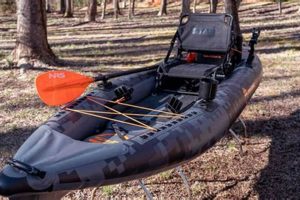
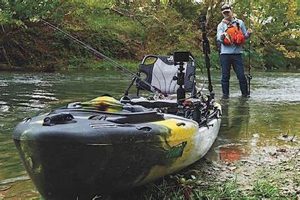
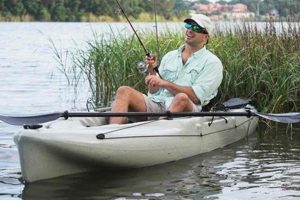
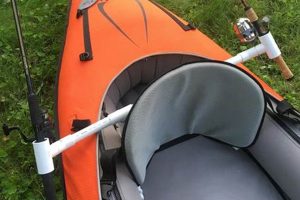
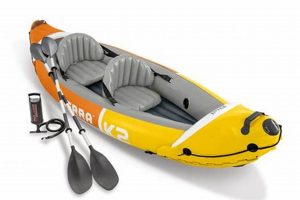
This specific vessel represents a type of personal watercraft designed for angling. Constructed from durable, inflatable materials, it offers portability and convenience for anglers seeking access to various waterways. Typically equipped with features like rod holders, storage compartments, and adjustable seating, these crafts are purpose-built for a comfortable and efficient fishing experience.
Portable watercraft of this type provide significant advantages to fishing enthusiasts. Their lightweight and compact nature allows for easy transport and storage, making them ideal for those with limited space or who frequently travel to different fishing locations. The inflatable design often provides surprising stability and maneuverability on the water, facilitating access to shallow or hard-to-reach areas. This evolving technology offers a practical and versatile solution for modern anglers.
This exploration of inflatable fishing vessels will further delve into specific aspects of design, performance, and usage. Subsequent sections will cover topics including material construction, inflation and deflation processes, essential accessories, safety considerations, and recommended fishing techniques for optimal utilization on the water.
Tips for Inflatable Fishing Kayak Usage
Proper preparation and technique enhance the inflatable fishing kayak experience, ensuring safety and maximizing effectiveness on the water.
Tip 1: Pre-Trip Inspection: Thoroughly inspect the vessel for any signs of wear, tear, or leakage before each outing. Pay close attention to seams, valves, and floor integrity.
Tip 2: Proper Inflation: Inflate the kayak to the manufacturer’s recommended pressure. Overinflation can damage the vessel, while underinflation compromises stability and performance.
Tip 3: Weight Distribution: Distribute gear and weight evenly within the kayak to maintain balance and prevent tipping. Secure loose items to prevent shifting during movement.
Tip 4: Paddle Selection: Choose a paddle appropriate for the kayak’s size and the user’s height and paddling style. A properly sized paddle improves efficiency and reduces fatigue.
Tip 5: Safety Gear: Always wear a personal flotation device (PFD) and carry essential safety equipment, including a whistle, signaling device, and first-aid kit.
Tip 6: Water Conditions Awareness: Be mindful of weather conditions and water currents before embarking. Avoid paddling in strong winds, rough waters, or hazardous areas.
Tip 7: Proper Anchoring: Utilize appropriate anchoring techniques for the specific water conditions. Ensure the anchor is securely set to prevent drifting.
Adhering to these guidelines ensures a safe and productive fishing experience, allowing anglers to fully utilize the capabilities of their inflatable watercraft.
These tips contribute to a more informed and prepared approach, enabling anglers to focus on the enjoyment and success of their fishing excursions.
1. Portability

Portability represents a defining characteristic of inflatable fishing kayaks, significantly impacting their usability and appeal. Ease of transport and storage differentiates these vessels from traditional rigid kayaks, expanding access to a wider range of fishing environments.
- Compact Storage:
Deflated, these kayaks occupy minimal storage space. This compact form allows for convenient storage in vehicles, closets, or even under beds, unlike rigid kayaks which require dedicated storage racks or ample space. This characteristic makes inflatable kayaks ideal for individuals with limited storage capacity or those residing in apartments or smaller homes.
- Simplified Transportation:
The lightweight and packable nature simplifies transportation. Many models come with carrying bags, facilitating transport to remote fishing spots inaccessible to larger, heavier vessels. This ease of transport expands fishing opportunities, enabling anglers to explore diverse waterways, including those reachable only by foot or public transport.
- Rapid Deployment:
The inflation process is typically quick and straightforward, allowing for rapid deployment at the water’s edge. This contrasts with the cumbersome process of loading and unloading rigid kayaks from roof racks or trailers, streamlining the transition from transport to on-water activity. Quick setup maximizes fishing time and minimizes pre-fishing logistical challenges.
- Versatile Transport Options:
Transport options extend beyond personal vehicles. Inflatable kayaks can be checked as luggage on airlines, carried on public transport, or even backpacked into remote wilderness areas. This versatility opens up a wide array of fishing destinations, from local ponds to international waters, providing anglers with unprecedented freedom and flexibility.
The inherent portability of inflatable fishing kayaks, exemplified by these facets, significantly enhances their appeal to anglers seeking convenience and access to diverse fishing locations. This feature distinguishes them within the broader kayak market, solidifying their position as a practical and versatile option for modern fishing enthusiasts.
2. Stability

Stability forms a critical performance attribute for inflatable fishing kayaks, directly influencing angling effectiveness and overall user experience. A stable platform provides a secure foundation for casting, reeling, and landing fish, while also contributing to angler comfort and confidence on the water. This characteristic is particularly crucial in fishing scenarios, where anglers often make sudden movements or lean to one side, potentially compromising balance.
Several design elements contribute to the stability of inflatable fishing kayaks like the NRS Pike. Wide beam construction provides a broader base, enhancing primary stability (resistance to initial tipping). Drop-stitch construction, often employed in higher-end models, creates a rigid, high-pressure floor that further improves stability and responsiveness. Additionally, strategically positioned fins enhance tracking and minimize lateral movement, especially in windy conditions. Consider, for example, the ability to stand and cast in an inflatable kayak with a stable platform. This enhanced stability empowers anglers to sight fish effectively and access techniques typically associated with larger, more stable vessels. Conversely, a lack of stability can restrict casting range and create an unsteady platform, hindering fishing performance and potentially leading to capsizing.
Understanding the factors influencing stability empowers informed purchasing decisions and promotes safer on-water practices. Anglers should consider factors like intended fishing environment (calm lakes versus flowing rivers), expected load capacity, and personal balance preferences when evaluating stability requirements. Prioritizing stability contributes significantly to a positive and productive fishing experience, ensuring both safety and efficient angling performance. This understanding facilitates informed equipment selection and promotes confident on-water maneuverability within a variety of fishing environments.
3. Durability
Durability represents a critical factor in the overall value and longevity of inflatable fishing kayaks, particularly in demanding environments. The ability to withstand abrasion, impacts, and UV exposure directly influences the lifespan of the vessel and its sustained performance over time. Materials science plays a crucial role in determining this resilience, impacting the kayak’s ability to resist punctures, tears, and general wear from regular use, transport, and exposure to various environmental factors. Specifically regarding the NRS Pike, its construction incorporates advanced materials and reinforced seams designed to endure the rigors of on-water fishing excursions.
The practical significance of durability becomes evident during real-world usage. Consider, for instance, navigating shallow, rocky rivers or encountering submerged debris. A durable inflatable kayak constructed from robust materials, such as reinforced PVC or heavy-duty Pennel Orca material, significantly reduces the risk of punctures or damage in such scenarios. This inherent toughness translates to fewer repairs, extended lifespan, and ultimately, greater value for the investment. Conversely, a less durable vessel might succumb to damage more readily, potentially curtailing fishing trips and necessitating costly repairs or replacements. The long-term cost savings associated with a durable kayak contribute significantly to its overall appeal.
Ultimately, prioritizing durability ensures a reliable and resilient fishing platform, enabling anglers to confidently explore diverse waterways without excessive concern for damage. This focus on rugged construction, as exemplified in the NRS Pike, directly contributes to enhanced user experience and long-term value. Understanding the critical role of durability empowers informed purchasing decisions, promoting investment in equipment built to withstand the inherent challenges of on-water adventures. This emphasis on resilient construction becomes a defining factor in long-term satisfaction and sustained performance within the dynamic environment of fishing excursions.
4. Fishing Features

Specialized features distinguish fishing kayaks from recreational models, enhancing angling efficiency and overall on-water experience. These purpose-built design elements cater specifically to the needs of anglers, optimizing functionality and performance in fishing scenarios. In the context of the NRS Pike inflatable fishing kayak, these features contribute significantly to its suitability for serious angling pursuits.
- Rod Holders:
Integrated rod holders provide secure storage and convenient access to fishing rods. Multiple rod holders, often positioned strategically throughout the kayak, allow anglers to carry various rod setups rigged for different target species or fishing techniques. For example, a dedicated fly rod holder might be positioned for easy access, while additional holders accommodate spinning or baitcasting setups. This eliminates the need to hold rods constantly, reducing fatigue and allowing for quick reactions to strikes.
- Gear Tracks & Mounts:
Gear tracks and mounting points provide versatile platforms for attaching accessories like fish finders, GPS units, cameras, and other essential fishing equipment. These customizable systems enable anglers to tailor their kayak setup to specific fishing styles and preferences. For example, a fish finder mounted on a gear track provides real-time depth and fish location data, while a camera mount allows for capturing memorable catches. This adaptability enhances angling effectiveness and provides a personalized on-water experience.
- Storage Options:
Ample storage compartments, including dry storage hatches and bungee cord systems, accommodate tackle boxes, gear bags, and other essential fishing supplies. Dedicated storage keeps equipment organized and readily accessible, maximizing fishing efficiency and minimizing clutter. For instance, a dry hatch protects sensitive electronics and personal items from water damage, while bungee cords secure additional gear on the deck. This organized storage system contributes to a streamlined and productive fishing environment.
- Adjustable Seating:
Adjustable seating systems allow anglers to customize their seating position for optimal comfort and support during extended fishing sessions. Features like adjustable backrests and footrests contribute to ergonomic posture, reducing fatigue and enhancing overall comfort. The ability to adjust the seat height and angle can significantly impact casting and paddling efficiency, particularly in varying water conditions. This customizable seating configuration contributes to a more comfortable and enjoyable fishing experience, even during long hours on the water.
These integrated fishing features, exemplified in the NRS Pike, contribute significantly to its effectiveness as a dedicated fishing platform. By optimizing functionality and providing specialized tools for anglers, these design elements elevate the on-water experience, maximizing both enjoyment and success. This focus on angling-specific features sets the NRS Pike apart from standard recreational kayaks, solidifying its position as a purpose-built vessel for serious fishing enthusiasts.
5. Inflatable Design

The inflatable design of the NRS Pike fishing kayak represents a significant departure from traditional rigid-hulled kayaks, offering distinct advantages and disadvantages that influence its suitability for various angling scenarios. Understanding the implications of this design choice is crucial for informed evaluation and effective utilization.
- Portability and Storage:
The inflatable design facilitates compact storage and easy transport. Deflated, the NRS Pike packs down significantly smaller than a comparable rigid kayak, allowing for convenient storage in vehicles, closets, or even overhead compartments on airplanes. This portability expands access to remote fishing locations, particularly those inaccessible to larger, less portable vessels. Consider, for example, backpacking the deflated kayak into a remote mountain lake or checking it as luggage for a fishing trip abroad. This inherent portability significantly broadens angling horizons.
- Durability and Maintenance:
While modern inflatable kayaks utilize durable materials like reinforced PVC and advanced seam construction, they remain inherently more susceptible to punctures and abrasion compared to rigid hulls. Careful handling and diligent maintenance, including proper inflation, deflation, and storage practices, are crucial for maximizing lifespan and minimizing the risk of damage. For instance, avoiding dragging the inflated kayak across rough surfaces or over sharp objects can significantly reduce the likelihood of punctures. Diligent maintenance practices contribute to the long-term viability of the inflatable design.
- Performance on the Water:
Inflatable kayaks generally exhibit slightly lower performance in terms of speed and tracking compared to rigid kayaks. However, advancements in design, including drop-stitch construction and high-pressure inflation, have significantly narrowed this performance gap. The NRS Pike, specifically designed for fishing, incorporates features that enhance stability and tracking, making it suitable for a variety of fishing environments. While not as efficient as a rigid kayak for long-distance paddling, the NRS Pike provides adequate performance for most fishing scenarios.
- Setup and Inflation:
While generally straightforward, the inflation process requires dedicated pumps and can add time to pre-fishing preparations compared to simply launching a rigid kayak. High-quality pumps, often included with the NRS Pike, minimize inflation time and effort. Furthermore, practicing the setup and inflation process ensures efficient deployment upon reaching the fishing destination. Familiarization with the inflation procedure streamlines the transition from transport to on-water activity.
The inflatable design of the NRS Pike presents a trade-off between portability and performance. While not ideal for all fishing scenarios, its compact nature, combined with advancements in materials and construction, makes it a compelling option for anglers prioritizing access and convenience. Careful consideration of the inherent advantages and limitations of inflatable design, alongside an understanding of the NRS Pike’s specific features, empowers informed purchasing decisions and promotes effective utilization on the water. This balanced perspective enables anglers to assess the suitability of the NRS Pike for their individual fishing needs and preferences.
Frequently Asked Questions
This section addresses common inquiries regarding inflatable fishing kayaks, specifically focusing on aspects relevant to the NRS Pike. The information provided aims to clarify potential uncertainties and facilitate informed decision-making.
Question 1: How durable is an inflatable fishing kayak compared to a traditional hard-shell kayak?
While advancements in materials and construction have significantly enhanced the durability of inflatable kayaks, they generally remain more susceptible to punctures and abrasion than rigid hulls. However, models like the NRS Pike utilize robust materials and reinforced seams, providing substantial durability suitable for most fishing environments. Diligent care and adherence to manufacturer recommendations regarding usage and maintenance further enhance longevity.
Question 2: How stable is an inflatable fishing kayak, especially when standing to cast?
Stability varies among inflatable kayak models. The NRS Pike, with its wide beam and drop-stitch floor construction, offers excellent stability, even permitting standing for casting in calm conditions. However, caution and proper weight distribution remain essential for maintaining balance and preventing capsizing. Individual balance and comfort levels should be considered when evaluating stability.
Question 3: How long does it take to inflate and deflate the NRS Pike?
Inflation time depends on the pump used and user experience. With a high-quality pump, the NRS Pike can typically be inflated within 5-10 minutes. Deflation is generally faster, taking approximately 5 minutes. Practice significantly reduces setup and takedown time.
Question 4: Can the NRS Pike be used in saltwater environments?
Yes, the NRS Pike is designed for use in both freshwater and saltwater environments. Thorough rinsing with fresh water after saltwater use is crucial for preventing corrosion and extending the lifespan of the kayak. Proper maintenance practices are essential for ensuring long-term performance in saltwater conditions.
Question 5: What is the weight capacity of the NRS Pike?
The weight capacity of the NRS Pike varies depending on the specific model. Consulting the manufacturer’s specifications provides precise weight limits for individual models. Exceeding the recommended weight capacity compromises stability and performance and may void warranties.
Question 6: What type of warranty does the NRS Pike come with?
Warranty terms vary depending on the specific model and the retailer. Consulting the manufacturer’s website or contacting the retailer directly provides detailed warranty information. Understanding warranty coverage is essential for addressing potential manufacturing defects or issues arising from normal usage.
These responses provide a foundational understanding of key aspects related to inflatable fishing kayaks like the NRS Pike. Further research and consultation with experienced anglers or specialized retailers can provide additional insights tailored to individual needs and preferences.
The next section will delve into practical tips and techniques for maximizing on-water performance and safety when using an inflatable fishing kayak.
Conclusion
Exploration of this specialized vessel reveals a compelling blend of portability, stability, and fishing-specific features. Its inflatable design facilitates access to diverse waterways, while integrated rod holders, gear tracks, and ample storage optimize angling functionality. Durability considerations underscore the importance of proper maintenance and material selection in ensuring long-term performance. Understanding the nuanced interplay of these attributes empowers informed evaluation and effective utilization within various fishing contexts.
The evolution of inflatable fishing kayak technology continues to refine the balance between portability and performance. As materials science advances and design innovations emerge, these vessels promise enhanced durability, stability, and specialized functionality. Careful consideration of individual angling needs and environmental conditions remains paramount in selecting the optimal inflatable fishing kayak for a successful and rewarding on-water experience. The future of inflatable fishing kayaks suggests continued advancement and refinement, further solidifying their role in the dynamic landscape of modern angling.