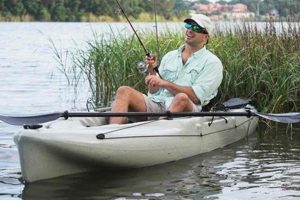
The lakes, rivers, and streams of Georgia’s northeastern region offer diverse freshwater environments well-suited for kayak angling. These waterways provide access to a variety of fish species, including bass, trout, catfish, and bream. The relatively calm waters and numerous access points make this area an attractive location for anglers using small, human-powered watercraft.
Kayak fishing in this region provides significant advantages. The small size and maneuverability of kayaks allow anglers to reach shallow, secluded areas often inaccessible to larger boats. This quieter mode of fishing can also be less disruptive to fish, potentially increasing catch rates. Furthermore, this activity promotes a close connection with nature and offers a low-impact way to enjoy the scenic beauty of the region’s waterways. Historically, smaller vessels have played a role in fishing traditions, and modern kayak angling continues this legacy, offering a contemporary approach to this time-honored pursuit.
This article will further explore topics relevant to anglers in this region, including recommended locations, suitable equipment, best practices for various species, and responsible fishing guidelines. Information on local regulations, licensing requirements, and safety considerations will also be provided.
Tips for Kayak Fishing in Northeast Georgia
Successful kayak angling in Northeast Georgia requires preparation and adherence to best practices. The following tips are designed to enhance angler safety and promote responsible fishing.
Tip 1: Check Water Conditions: Before embarking on any fishing trip, consult local resources for up-to-date information on water levels, flow rates, and potential hazards. Weather conditions can change rapidly, so real-time awareness is crucial.
Tip 2: Choose Appropriate Gear: Select a kayak and paddle suitable for the intended waterway and fishing style. Essential safety equipment includes a personal flotation device (PFD), a whistle, and a first-aid kit.
Tip 3: Plan and Share Trip Details: Inform someone about the planned fishing location, estimated return time, and emergency contacts. This ensures assistance can be rendered if needed.
Tip 4: Respect Wildlife and the Environment: Practice catch-and-release whenever possible, handle fish with care, and minimize disturbance to natural habitats. Pack out all trash and fishing line to preserve the pristine environment.
Tip 5: Be Mindful of Other Water Users: Maintain a safe distance from other boats and paddlers. Be aware of designated swimming areas and avoid fishing in these zones.
Tip 6: Understand Local Regulations: Familiarize oneself with licensing requirements, catch limits, and any specific regulations pertaining to the chosen fishing location. This ensures compliance and contributes to sustainable fisheries management.
Tip 7: Dress Appropriately for Conditions: Wear clothing suited to the weather and water temperature. Layering is recommended for adapting to changing conditions. Sun protection, including sunscreen, a hat, and polarized sunglasses, is also essential.
By adhering to these guidelines, anglers can contribute to a safe and enjoyable fishing experience in Northeast Georgia while promoting the conservation of these valuable natural resources.
Following these essential tips helps ensure responsible angling practices and fosters a sustainable approach to enjoying the diverse fishing opportunities of Northeast Georgia. These considerations play a crucial role in preserving the region’s waterways for future generations.
1. Lakes

Lakes represent a significant component of the northeast Georgia kayak fishing experience. These bodies of water offer unique opportunities and challenges for anglers. Their size, depth, and diverse habitats contribute to a rich and varied fishing environment.
- Lake Size and Structure
The surface area and depth contours of a lake influence fish distribution and behavior. Larger lakes, such as Lake Lanier and Lake Hartwell, provide expansive areas to explore, while smaller lakes offer a more intimate fishing experience. Understanding the underwater topography, including drop-offs, points, and submerged structures, is essential for locating fish.
- Accessibility and Launch Points
Public access points and designated kayak launch areas are crucial for anglers. The availability of boat ramps, shoreline access, and designated fishing piers influences the ease and convenience of kayak fishing. Researching access points in advance streamlines the fishing trip.
- Fish Species and Habitats
Lakes in northeast Georgia support diverse fish populations. Understanding the preferred habitats of target species, such as bass, crappie, and bream, is crucial for successful angling. Factors like water temperature, vegetation, and the presence of cover influence fish distribution.
- Regulations and Considerations
Specific regulations often apply to individual lakes. These may include licensing requirements, catch limits, and restrictions on motor sizes. Awareness of these regulations is essential for responsible and legal fishing. Consulting local resources or the Georgia Department of Natural Resources website provides up-to-date information.
By considering these factors, anglers can effectively utilize lakes within northeast Georgia for kayak fishing. Choosing the right location, understanding fish behavior, and adhering to regulations contribute to a successful and enjoyable angling experience. The diversity of lakes in the region provides ample opportunities to explore and appreciate the natural resources of northeast Georgia.
2. Rivers

Rivers provide a dynamic environment for kayak angling in Northeast Georgia. Their flowing waters, diverse habitats, and unique challenges distinguish them from lake fishing. Understanding the characteristics of rivers in this region is crucial for a successful and enjoyable experience.
- Current and Flow Rate
River currents significantly influence fishing strategies and kayak maneuverability. Faster currents require specialized paddling techniques and anchoring strategies. Slower sections of rivers, or areas with natural eddies, often provide productive fishing spots. Knowledge of how current affects fish behavior and feeding patterns is essential.
- Access Points and River Navigation
Access points along rivers may include boat ramps, designated put-in areas, or public land adjacent to the riverbank. Understanding river navigation, including reading water features and avoiding hazards like rapids or strainers, is crucial for safety. Maps, river guides, and local knowledge can provide valuable navigational information.
- Fish Species and River Habitats
Rivers in Northeast Georgia support a variety of fish species adapted to flowing water environments. Trout, smallmouth bass, and catfish are common targets. Understanding the specific habitat preferences of these species, such as riffles, pools, and undercut banks, enhances angling success.
- River Etiquette and Safety Considerations
Sharing the river with other users, including anglers, paddlers, and wildlife, requires respectful etiquette. Maintaining a safe distance, avoiding disruptive behavior, and packing out all trash are essential considerations. Wearing a personal flotation device (PFD) and being aware of potential river hazards are paramount safety practices.
The rivers of Northeast Georgia offer a rewarding kayak fishing experience. By understanding the dynamics of flowing water, respecting the environment, and prioritizing safety, anglers can fully appreciate the unique challenges and opportunities presented by these waterways.
3. Streams

Streams represent a vital component of the northeast Georgia kayak fishing landscape. These smaller waterways offer unique opportunities for anglers seeking a more intimate and challenging experience. The connection between streams and the broader concept of kayak fishing in the region is multifaceted. Streams often serve as tributaries to larger rivers and lakes, influencing the overall health and connectivity of the aquatic ecosystem. The characteristics of streams, including their size, gradient, and flow rate, dictate the types of fish species present and the appropriate angling techniques. For example, the smaller size and clearer waters of many streams in the region make them ideal for targeting species like trout, which require cold, oxygenated water. The maneuverability of kayaks allows anglers to navigate the often shallow and winding stretches of these streams, accessing areas inaccessible to larger boats.
The ecological role of streams extends beyond providing habitat for fish. They contribute to the overall biodiversity of the region, supporting a range of aquatic and terrestrial life. The riparian zones bordering streams act as buffers, filtering pollutants and stabilizing banks, thus impacting water quality in larger downstream bodies. Understanding the interconnectedness of streams and the wider aquatic network underscores the importance of responsible fishing practices. Catch-and-release methods, proper handling techniques, and minimizing disturbance to streambeds contribute to the long-term health and sustainability of these valuable resources. Stream access for kayak anglers is often facilitated by public land designations, easements, or access points provided by local authorities. Utilizing these designated areas helps minimize environmental impact and ensures respectful coexistence with other stream users.
Effective stream fishing requires specialized techniques and equipment. Lighter tackle, smaller lures, and precise casting are often necessary to present bait effectively in the confined spaces of streams. Knowledge of stream hydrology, including reading current seams, identifying likely holding spots, and understanding the influence of weather patterns on fish behavior, enhances angling success. The intimate nature of stream fishing offers a unique connection with the natural environment, allowing anglers to appreciate the subtle nuances of these dynamic ecosystems. Maintaining the integrity of these streams is crucial not only for the continuation of recreational fishing opportunities but also for the overall ecological balance of the region. Continued focus on conservation efforts, responsible angling practices, and public awareness contributes to the preservation of these valuable waterways for future generations.
4. Kayaks

Kayaks play a central role in the northeast Georgia fishing experience, offering a specialized platform for anglers to access and interact with the region’s diverse waterways. Their unique characteristics influence fishing strategies, accessibility, and the overall angling experience. Understanding the various aspects of kayaks relevant to fishing in this region is crucial for maximizing success and enjoyment.
- Hull Design and Stability
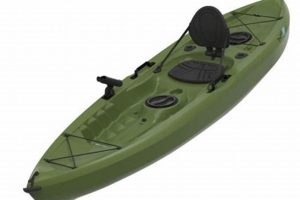
Kayak hull design directly impacts stability, maneuverability, and tracking in the water. Sit-on-top kayaks, favored for their self-bailing capabilities and ease of entry and exit, are popular for fishing. Sit-inside kayaks offer increased protection from the elements and greater storage capacity. Hull shapes, including flat-bottomed, pontoon-style, and V-shaped designs, influence speed, stability, and suitability for different water conditions. Choosing a hull design suited to the target fishing environmentcalm lakes versus flowing riversis critical for safety and efficiency.
- Propulsion Systems
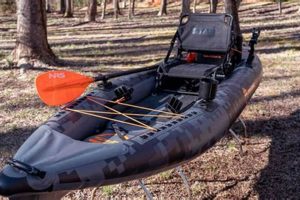
Kayaks employ various propulsion systems, each with advantages and disadvantages. Paddle kayaks offer a traditional and versatile approach, relying on human power for movement. Pedal-powered kayaks, utilizing either propeller or fin systems, provide hands-free operation, allowing anglers to focus on fishing. Electric motor-powered kayaks offer increased speed and range, particularly useful for covering larger bodies of water or navigating against currents. Selecting a propulsion system aligned with individual preferences, fishing style, and the physical characteristics of the intended waterway enhances efficiency and enjoyment.
- Fishing-Specific Features
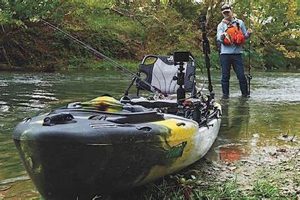
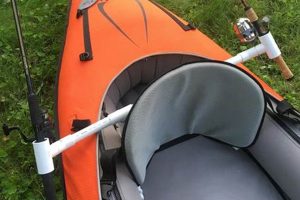
Modern fishing kayaks often incorporate specialized features designed to enhance angling functionality. These may include rod holders, tackle storage compartments, anchor systems, and mounting points for fish finders or other electronic devices. Integrated livewells or coolers provide options for keeping catches fresh. The availability of these features streamlines the fishing process and allows anglers to customize their kayak setup based on target species and fishing techniques. Careful consideration of these features when selecting a kayak ensures it aligns with the angler’s specific needs and preferences.
- Transportation and Portability
The transportation and portability of kayaks are important factors to consider. Kayak weight, length, and the availability of roof racks, trailers, or other transport systems influence ease of access to fishing locations. Some kayaks are designed for easy disassembly or folding, enhancing portability for anglers with limited storage space or transportation options. Evaluating the logistics of transporting and launching a kayak ensures accessibility to desired fishing spots and contributes to a seamless and enjoyable angling experience.
The choice of kayak significantly influences fishing success and enjoyment on the waters of northeast Georgia. Selecting a kayak appropriate for the intended environment, fishing style, and individual needs ensures a comfortable, efficient, and productive experience. Understanding the various aspects of kayak design, propulsion, and specialized features allows anglers to optimize their approach and fully appreciate the diverse fishing opportunities available in this region.
5. Anglers
Anglers represent the human element within the northeast Georgia kayak fishing ecosystem. Their interaction with the region’s waterways, utilizing kayaks as a platform, forms a crucial connection. An angler’s understanding of the environment, fishing techniques, and responsible practices directly impacts the overall experience and the sustainability of this recreational activity. The following facets explore the multifaceted role of anglers in this context.
- Knowledge and Skill
Effective angling requires knowledge of fish species, their behavior, and preferred habitats. Understanding local waterway characteristics, including currents, depths, and seasonal variations, informs strategic decisions. Skill in various fishing techniques, such as casting, retrieving lures, and setting hooks, directly influences success. Anglers who continually refine their understanding of these elements contribute to a more rewarding and ethical fishing experience.
- Equipment and Techniques
Anglers employ a range of equipment tailored to target specific species and waterway conditions. Rod and reel combinations, fishing line, lures, and terminal tackle are selected based on the target fish and the fishing environment. Techniques such as fly fishing, spin casting, and bait fishing require specialized skills and equipment. The appropriate selection and application of these tools contribute to efficient and responsible angling practices.
- Conservation and Ethics
Responsible anglers prioritize conservation and adhere to ethical fishing practices. Catch-and-release principles, proper fish handling techniques, and adherence to local regulations contribute to the long-term health of fish populations and the preservation of aquatic ecosystems. Minimizing environmental impact by packing out trash and avoiding disturbance to natural habitats demonstrates respect for the waterways and ensures their continued enjoyment for future generations.
- Safety and Preparedness
Angler safety is paramount. Wearing personal flotation devices (PFDs), carrying essential safety gear, and being aware of weather conditions and potential hazards mitigate risks. Planning fishing trips, informing others of intended locations and return times, and possessing basic first-aid knowledge enhance safety and preparedness on the water. Prioritizing safety ensures a positive and responsible angling experience.
The interaction between anglers and the northeast Georgia kayak fishing environment is a dynamic one. A comprehensive understanding of fish behavior, waterway characteristics, appropriate techniques, and ethical practices enhances the angler’s experience and contributes to the long-term sustainability of this valuable recreational activity. The informed and responsible angler plays a crucial role in preserving the ecological integrity and continued enjoyment of northeast Georgia’s waterways.
Frequently Asked Questions
This section addresses common inquiries regarding kayak fishing in Northeast Georgia. The information provided aims to clarify regulations, best practices, and relevant considerations for anglers.
Question 1: What are the licensing requirements for kayak fishing in Northeast Georgia?
A valid Georgia fishing license is required for residents and non-residents. Specific license types and exemptions can be found on the Georgia Department of Natural Resources website. Additional permits may be required for certain areas or species.
Question 2: Where can suitable kayaks for fishing be purchased or rented in the region?
Numerous outfitters and sporting goods retailers throughout Northeast Georgia offer kayak sales and rentals. Researching local businesses is recommended to compare options and find suitable equipment.
Question 3: Are there specific regulations regarding the use of motorized kayaks on these waterways?
Regulations concerning motorized kayaks vary depending on the specific body of water. Checking local ordinances and consulting with the Georgia Department of Natural Resources is advisable before operating a motorized kayak.
Question 4: What safety precautions are recommended for kayak fishing in Northeast Georgia?
Wearing a personal flotation device (PFD) is paramount. Checking weather conditions before embarking, informing someone of trip plans, and carrying essential safety gear, such as a whistle and first-aid kit, are highly recommended.
Question 5: What are the primary fish species targeted by kayak anglers in this area?
Popular target species include largemouth bass, smallmouth bass, spotted bass, trout, crappie, bream, and catfish. The specific species present vary depending on the waterway and time of year.
Question 6: Are there guided kayak fishing tours available in Northeast Georgia?
Several guide services offer kayak fishing tours in the region. These guided experiences provide valuable insights into local waterways, fishing techniques, and regional regulations.
This FAQ section provides a foundational understanding of key aspects related to kayak fishing in Northeast Georgia. Consulting official resources and local experts is always recommended for the most current and comprehensive information.
The following section will delve further into specific locations and techniques suitable for kayak angling in the region. Detailed information regarding optimal times, preferred bait, and access points will be provided for key waterways.
Conclusion
Exploration of the diverse waterways encompassed within the northeast Georgia kayak fishing landscape reveals significant opportunities for anglers. From the expansive waters of Lake Lanier and Lake Hartwell to the flowing currents of the Chattahoochee and Tugaloo Rivers, and the intricate networks of smaller streams, the region offers a rich tapestry of aquatic environments. The adaptability of kayaks to these varied settings, combined with an understanding of fish behavior, appropriate techniques, and responsible practices, equips anglers for successful and rewarding experiences. Careful consideration of kayak selection, including hull design, propulsion systems, and fishing-specific features, further optimizes angling potential.
The future of kayak fishing in northeast Georgia hinges upon the continued stewardship of its valuable natural resources. Prioritizing conservation, adhering to ethical angling practices, and fostering respect for the delicate balance of aquatic ecosystems are essential for preserving these opportunities for generations to come. Through informed decision-making, responsible actions, and ongoing engagement in conservation efforts, the vibrant kayak fishing community can contribute to the long-term health and sustainability of this unique regional asset.