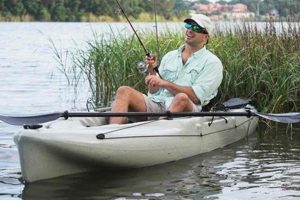
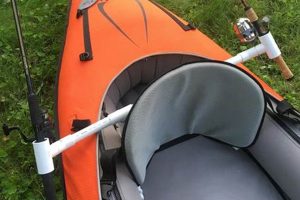
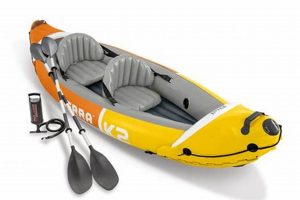
This activity involves angling from a small, human-powered watercraft within the diverse marine ecosystem of Monterey Bay, California. It offers a unique blend of recreation, sport, and connection with nature, allowing anglers to access shallow waters and secluded areas often unreachable by larger vessels. For example, one might paddle near kelp forests seeking rockfish or venture slightly offshore in pursuit of salmon.
The relatively calm waters and rich biodiversity of Monterey Bay make it an ideal location for this pursuit. The bay supports a thriving population of fish species, attracting anglers of all skill levels. Historically, Native American tribes utilized small boats for fishing in these waters. Today, it provides a sustainable and accessible way to enjoy the bay’s natural resources, promoting physical activity and environmental awareness. This style of angling contributes to the local economy through tourism and related industries.
The following sections will explore key aspects of this popular activity including necessary equipment, suitable launch locations, target species, relevant regulations, and safety considerations specific to the Monterey Bay environment.
Tips for Kayak Fishing in Monterey Bay
Careful planning and preparation contribute significantly to a safe and successful fishing experience on Monterey Bay. The following tips offer valuable guidance for anglers of all experience levels.
Tip 1: Check Weather Conditions: Always consult marine forecasts before embarking on any kayak fishing trip. Monterey Bay conditions can change rapidly. Wind, fog, and swell can create hazardous situations. Postponing trips during unfavorable conditions prioritizes safety.
Tip 2: File a Float Plan: Informing someone on shore of intended launch and return locations, along with planned routes, enhances safety. This allows for appropriate responses should unforeseen circumstances arise.
Tip 3: Choose Appropriate Kayak and Gear: Select a kayak designed for stability in open water, equipped with appropriate safety features. Essential gear includes a personal flotation device (PFD), a signaling device such as a whistle or VHF radio, and proper navigation tools.
Tip 4: Understand Local Regulations: Familiarization with California fishing regulations, including licensing requirements and catch limits, is crucial for legal and responsible angling. Specific regulations often apply to Monterey Bay.
Tip 5: Respect Wildlife and the Environment: Practice catch-and-release whenever possible to preserve fish populations. Properly dispose of fishing line and other waste to minimize environmental impact. Maintain a safe distance from marine mammals and other wildlife.
Tip 6: Be Aware of Other Vessels: Kayak anglers should maintain awareness of larger vessels operating in the bay. Bright clothing and a flag enhance visibility. Understanding navigational rules and right-of-way procedures contributes to safe interactions.
Tip 7: Dress in Layers: Monterey Bay experiences fluctuating temperatures. Dressing in layers allows adjustments to maintain comfort throughout the day. Waterproof outerwear provides protection from spray and potential rain.
Adhering to these guidelines promotes a rewarding and safe experience on the water, allowing anglers to fully appreciate the unique opportunities offered by Monterey Bay.
By prioritizing safety and responsible practices, anglers contribute to the preservation of this valuable resource for future generations. The subsequent conclusion will reiterate key takeaways and emphasize the importance of respecting this dynamic marine environment.
1. Safety Equipment

Safety equipment plays a critical role in mitigating risks inherent to kayak fishing in Monterey Bay. The dynamic environment, characterized by changing weather patterns, cold water temperatures, and vessel traffic, necessitates specific safety considerations. A properly outfitted kayak angler significantly increases their chances of a safe and enjoyable experience. Neglecting essential safety precautions can lead to serious consequences, including injury, hypothermia, or even fatality.
Essential safety equipment includes a personal flotation device (PFD), designed to keep an angler afloat in the event of capsizing. A signaling device, such as a whistle or VHF radio, enables communication in emergencies. A first-aid kit allows for immediate treatment of minor injuries. Navigation tools, including a compass and chart, aid in maintaining course and preventing disorientation, particularly in fog. A bilge pump facilitates removal of water from the kayak, maintaining stability. Carrying a spare paddle provides redundancy in case of breakage or loss. A leash connecting the paddle to the kayak prevents loss in rough conditions. Examples of real-life incidents highlight the importance of these precautions. In one instance, a kayak angler capsized in cold water; their PFD ensured survival until rescue arrived. In another, a fog bank rolled in unexpectedly; a compass and chart enabled a safe return to shore.
Understanding the function and importance of each piece of safety equipment is paramount for safe kayak fishing practices. Regular inspection and maintenance of equipment ensure proper functionality when needed. Awareness of potential hazards and proactive preparation mitigate risks. The investment in proper safety equipment ultimately contributes to a more enjoyable and secure experience on the water, enabling anglers to appreciate the unique challenges and rewards of kayak fishing in Monterey Bay.
2. Launch Locations

Launch locations play a crucial role in kayak fishing within Monterey Bay. Appropriate site selection directly influences angler safety, accessibility to target species, and overall fishing success. Factors such as prevailing weather conditions, tidal currents, and proximity to desired fishing grounds dictate optimal launch points. Launching from a protected cove during periods of strong wind or swell, for example, minimizes risk compared to an exposed shoreline. Conversely, launching near a river mouth might provide access to specific species migrating between freshwater and marine environments.
Several established launch sites cater to kayak anglers in Monterey Bay. These locations offer varying degrees of accessibility, parking availability, and proximity to key fishing areas. Monterey Harbor, for instance, provides convenient access to deeper waters suitable for salmon fishing, while Elkhorn Slough offers sheltered conditions ideal for targeting halibut or striped bass. Understanding the characteristics of each launch site allows anglers to make informed decisions based on their skill level, target species, and prevailing environmental factors. An improperly chosen launch location can lead to challenging conditions, diminished fishing opportunities, and potentially hazardous situations. One real-world example involves an angler launching from an exposed beach during an incoming tide and strong swell, resulting in a difficult and potentially dangerous entry.
Strategic launch site selection contributes significantly to a positive kayak fishing experience in Monterey Bay. Considering factors like water conditions, target species, and accessibility enhances both safety and fishing success. Consulting local resources, such as tide charts, weather forecasts, and fishing reports, provides valuable information for informed decision-making. Careful planning and site selection allow anglers to fully enjoy the diverse fishing opportunities offered within this dynamic marine environment.
3. Target Species

Target species significantly influence equipment choices, fishing techniques, and location strategies within the context of kayak fishing in Monterey Bay. Understanding the habits and habitats of desired species is crucial for a successful angling experience. This knowledge allows anglers to select appropriate tackle, identify productive fishing grounds, and employ effective retrieval methods. The diverse ecosystem of Monterey Bay supports a variety of fish species, each presenting unique challenges and rewards for kayak anglers.
- Rockfish
Rockfish represent a popular target species due to their abundance and accessibility within the kelp forests and rocky reefs of Monterey Bay. Various rockfish species inhabit these areas, each exhibiting distinct coloration and behavior. Anglers often employ light tackle and bottom fishing techniques, using lures or bait to entice these bottom-dwelling fish. Knowledge of rockfish habitat preferences, such as depth and structure, significantly improves catch rates. Regulations regarding rockfish size and bag limits vary; anglers must adhere to current guidelines to ensure sustainable fishing practices. For instance, targeting specific rockfish species near kelp beds during the appropriate season maximizes angling success while minimizing environmental impact.
- Salmon
Salmon present a challenging yet rewarding target for Monterey Bay kayak anglers. These migratory fish traverse the bay during specific seasons, attracting anglers seeking a prized catch. Trolling with downriggers or mooching with live bait are common techniques employed to target salmon. Locating areas with baitfish activity and favorable currents often increases the likelihood of encountering salmon. Anglers must adhere to strict regulations regarding salmon fishing, including licensing requirements and seasonal closures. Understanding salmon migration patterns and feeding behaviors enhances success and contributes to responsible angling practices. An example involves targeting salmon near the mouth of a river during their spawning run while adhering to catch limits and gear restrictions.
- Halibut
Halibut inhabit the sandy bottom areas of Monterey Bay, providing a unique target for kayak anglers. These flatfish often camouflage themselves on the seabed, requiring anglers to employ specific techniques to entice a bite. Drift fishing with live bait or slowly retrieving lures along the bottom are effective strategies. Identifying areas with suitable substrate and tidal movement improves the chances of locating halibut. Regulations governing halibut size and bag limits are in place to protect this valuable species. Knowledge of halibut behavior, such as their preference for ambush predation, enhances fishing success and promotes sustainable practices. An example involves targeting halibut near sandbars during periods of moderate tidal flow while using appropriate tackle and bait.
- Striped Bass
Striped bass, another popular target species in Monterey Bay, can be found near rocky structures, kelp beds, and sandy flats. These predatory fish respond to various lures and bait, providing diverse angling opportunities. Casting lures near structure or drifting live bait along current lines are effective techniques. Understanding striped bass feeding patterns and habitat preferences enhances success. Anglers must adhere to regulations regarding size and bag limits. Targeting striped bass near river mouths during their annual spawning run provides a prime example of strategic fishing based on species behavior. Respecting catch limits contributes to the long-term sustainability of this valued sport fish.
Targeting specific species in Monterey Bay requires an understanding of their behavior, preferred habitats, and applicable regulations. Matching fishing techniques and equipment to the target species significantly increases angling success. Respecting size and bag limits, along with practicing ethical catch-and-release techniques, contributes to the long-term health of the bay’s fish populations and ensures the sustainability of this valuable resource for future generations of kayak anglers.
4. Fishing Regulations
Fishing regulations are integral to the sustainability of kayak fishing in Monterey Bay. These regulations, established and enforced by the California Department of Fish and Wildlife (CDFW), aim to protect fish populations, maintain ecosystem balance, and ensure equitable access to resources. Specific regulations dictate licensing requirements, seasonal closures, size limits, and bag limits for various species. Ignoring these regulations can lead to fines, license revocation, and negatively impact the marine environment. For instance, exceeding bag limits for rockfish depletes populations and disrupts the delicate balance of the kelp forest ecosystem.
Understanding and adhering to fishing regulations is crucial for all kayak anglers in Monterey Bay. Resources such as the CDFW website and local bait shops provide detailed information on current regulations. Carrying a printed copy of these regulations while on the water ensures compliance. Practical applications of these regulations include using appropriate fishing gear, adhering to seasonal closures for specific species like salmon, and releasing undersized or over-limit catches. An example of practical application involves an angler catching a rockfish below the legal size limit and promptly releasing it back into the water, ensuring future generations can enjoy the sport.
Compliance with fishing regulations demonstrates responsible angling practices and contributes to the long-term health of Monterey Bay’s marine ecosystem. Adherence safeguards fish populations, maintains biodiversity, and preserves the recreational opportunities afforded by kayak fishing. Challenges may include staying updated on evolving regulations and interpreting complex rules. However, responsible anglers prioritize understanding and complying with these regulations, recognizing their importance in preserving this valuable resource for present and future generations. This commitment ensures the continued enjoyment and sustainability of kayak fishing in Monterey Bay.
5. Kayak Selection
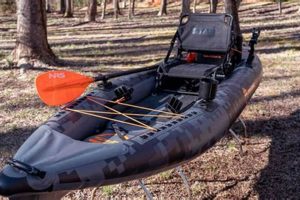
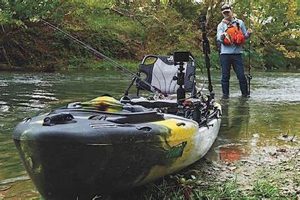
Kayak selection significantly impacts safety and efficacy when fishing in Monterey Bay. Choosing an appropriate vessel requires careful consideration of the bay’s unique conditions, including variable weather, potential swells, and diverse fishing environments. Stability, storage capacity, and maneuverability are key factors influencing kayak suitability. A stable kayak is crucial for casting, reeling, and landing fish, particularly in open water or choppy conditions. Adequate storage accommodates essential gear, including tackle, safety equipment, and potential catches. Maneuverability allows anglers to navigate kelp forests, rocky shorelines, and areas with strong currents effectively.
Different kayak types offer distinct advantages and disadvantages for Monterey Bay fishing. Sit-on-top kayaks provide inherent stability and self-bailing capabilities, making them suitable for varied conditions. Sit-inside kayaks offer protection from the elements and greater storage capacity but require more experience in handling potential capsizes. Inflatable kayaks offer portability and affordability but may compromise stability and tracking in open water or windy conditions. Specific features, such as rod holders, anchor trolleys, and rudder systems, further enhance a kayak’s fishing functionality. Real-world examples illustrate the importance of appropriate kayak selection. An angler in a stable sit-on-top kayak can confidently navigate nearshore kelp beds, while an angler in a less stable recreational kayak might struggle in similar conditions. Similarly, a kayak with ample storage allows for carrying necessary safety gear and fishing equipment for a full day on the water, whereas limited storage can restrict range and preparedness.
Careful kayak selection directly contributes to a successful and safe fishing experience in Monterey Bay. Matching kayak type and features to individual skill levels and fishing styles enhances performance and enjoyment. Considering factors such as stability, storage, and maneuverability ensures anglers are adequately equipped to handle the bay’s dynamic environment. Challenges include balancing desired features with budgetary constraints and individual physical limitations. However, prioritizing appropriate kayak selection, informed by research and potentially expert advice, ultimately optimizes safety and maximizes angling success within the unique challenges and opportunities presented by Monterey Bay.
6. Tidal Currents

Tidal currents exert a significant influence on kayak fishing success and safety in Monterey Bay. These currents, driven by the gravitational pull of the moon and sun, create predictable patterns of water movement throughout the bay. Understanding these patterns is crucial for anglers seeking to optimize fishing strategies and navigate safely. Tidal flows impact fish behavior, concentrating baitfish and predators in specific locations. Anglers who align their efforts with these tidal movements often experience increased catch rates. Conversely, strong currents can create challenging paddling conditions, requiring careful planning and execution. For instance, paddling against an ebb tide can significantly impede progress and deplete energy reserves. Alternatively, utilizing a flood tide to access shallow fishing grounds and then drifting back with the ebb conserves energy and maximizes fishing time.
Practical applications of tidal current knowledge include identifying optimal fishing locations, predicting fish movement, and planning efficient routes. Areas where currents converge, such as points or channel edges, often concentrate baitfish and attract larger predators. Understanding how tides influence water depth allows anglers to access shallow flats or deeper channels based on target species preferences. Planning kayak routes in accordance with tidal flows minimizes paddling effort and maximizes time spent fishing. Real-world examples illustrate the importance of this understanding. An angler familiar with tidal patterns might choose to fish an incoming tide near a river mouth, anticipating the influx of baitfish and the subsequent arrival of striped bass. Conversely, attempting to paddle against a strong outgoing tide in the same location could prove both exhausting and unproductive.
Effective kayak fishing in Monterey Bay requires integrating tidal current knowledge into planning and execution. Understanding how these currents influence fish behavior, water depth, and paddling conditions allows anglers to make informed decisions regarding location, timing, and technique. Challenges include interpreting complex tidal charts and accounting for variable weather influences. However, mastering this knowledge enhances both safety and fishing success, transforming potential challenges into strategic advantages. This awareness contributes to a more informed and rewarding angling experience within the dynamic tidal environment of Monterey Bay.
7. Weather Conditions
Weather conditions exert a profound influence on kayak fishing in Monterey Bay. The bay’s exposure to the open Pacific Ocean creates a dynamic environment susceptible to rapid changes in wind, fog, swell, and temperature. Careful consideration of prevailing and forecast weather is paramount for ensuring both safety and fishing success. Ignoring weather conditions can lead to hazardous situations, necessitating rescue or, in extreme cases, resulting in fatalities. Conversely, understanding and adapting to weather patterns allows anglers to make informed decisions regarding launch locations, fishing areas, and overall trip planning.
- Wind
Wind significantly impacts kayak fishing in Monterey Bay. Strong winds create challenging paddling conditions, especially for less experienced kayakers. They can also affect drift fishing techniques and make anchoring difficult. Offshore winds pose particular dangers, potentially pushing kayaks far from shore. Real-world examples include instances where kayakers have been blown miles offshore, requiring Coast Guard intervention. Checking wind forecasts before launching and continuously monitoring conditions during the trip are essential safety practices. Adapting fishing strategies based on wind direction and speed, such as seeking sheltered coves or targeting leeward shorelines, enhances safety and fishing success.
- Fog
Fog frequently descends upon Monterey Bay, dramatically reducing visibility and creating navigational challenges. Kayakers in dense fog can easily become disoriented and lose their bearings. Collisions with other vessels pose a significant risk. Carrying a compass, GPS, and VHF radio becomes critical under these conditions. Real-world examples include kayakers becoming lost in fog and requiring assistance from other boaters or the Coast Guard. Checking fog forecasts before launching and exercising extreme caution when navigating in foggy conditions are essential. If caught in unexpected fog, staying close to shore and using sound signals to alert other vessels enhances safety.
- Swell
Ocean swells, generated by distant storms, can create hazardous conditions for kayak anglers in Monterey Bay. Large swells can capsize kayaks, particularly when combined with strong winds or currents. Launching and landing through surf zones become significantly more challenging in the presence of swell. Checking swell forecasts before launching is essential. Avoiding exposed areas during periods of large swell and choosing sheltered launch locations enhances safety. Real-world examples include kayakers capsizing in large swells near rocky shorelines, resulting in injuries or requiring rescue.
- Temperature
Water temperatures in Monterey Bay remain relatively cold throughout the year. Immersion in cold water can lead to hypothermia, a life-threatening condition. Wearing appropriate clothing, including a wetsuit or drysuit, mitigates this risk. Air temperatures can also fluctuate significantly, requiring layered clothing to maintain comfort. Real-world examples include kayakers experiencing hypothermia after capsizing in cold water without proper thermal protection. Checking water and air temperature forecasts before launching and dressing appropriately enhances safety and comfort.
Careful consideration of these weather factors is essential for safe and successful kayak fishing in Monterey Bay. Regularly checking weather forecasts before and during trips, adapting fishing strategies based on prevailing conditions, and prioritizing safety equipment significantly reduce risks and enhance the overall experience. Neglecting these precautions can lead to dangerous situations, while informed preparation allows anglers to fully enjoy the unique opportunities and challenges presented by this dynamic marine environment. Understanding the interplay of these elements enables anglers to make informed decisions, maximizing both safety and the potential for a rewarding fishing experience.
Frequently Asked Questions
This section addresses common inquiries regarding kayak fishing in Monterey Bay, California, providing concise and informative responses to facilitate informed decision-making and enhance safety.
Question 1: What are the essential safety precautions for kayak fishing in Monterey Bay?
Essential precautions include wearing a personal flotation device (PFD), carrying a signaling device (whistle, VHF radio), checking weather forecasts before embarking, informing someone of trip plans, and carrying essential safety gear (first-aid kit, bilge pump, spare paddle). Adhering to these precautions mitigates risks associated with changing weather conditions, cold water, and vessel traffic.
Question 2: Where are suitable launch locations for kayak fishing in Monterey Bay?
Suitable launch locations vary based on targeted species and conditions. Monterey Harbor offers access to deeper waters, while Elkhorn Slough provides sheltered conditions. Public boat ramps and beaches also serve as launch points. Researching launch site characteristics, including parking availability, accessibility, and proximity to fishing grounds, informs appropriate selection.
Question 3: What fish species can one expect to catch while kayak fishing in Monterey Bay?
Monterey Bay supports diverse fish species, including rockfish, salmon, halibut, and striped bass. Targeted species influence fishing techniques, equipment choices, and location strategies. Understanding species-specific behavior, habitat preferences, and applicable regulations enhances fishing success and promotes sustainable practices.
Question 4: What fishing regulations apply to kayak anglers in Monterey Bay?
Regulations established by the California Department of Fish and Wildlife (CDFW) govern fishing activities, including licensing requirements, seasonal closures, size limits, and bag limits. Consulting the CDFW website or local bait shops ensures awareness of current regulations. Compliance with regulations safeguards fish populations and preserves the bay’s ecosystem.
Question 5: What type of kayak is recommended for fishing in Monterey Bay?
Recommended kayak types vary based on individual angler needs and experience levels. Sit-on-top kayaks provide stability and self-bailing capabilities, while sit-inside kayaks offer greater storage and protection from the elements. Inflatable kayaks offer portability. Consider factors such as stability, storage, maneuverability, and fishing-specific features (rod holders, anchor trolleys) when selecting a kayak. Matching kayak type to individual skill level and fishing style enhances safety and efficacy.
Question 6: How do tidal currents affect kayak fishing in Monterey Bay?
Tidal currents influence fish behavior, water depth, and paddling conditions. Understanding tidal patterns aids in identifying optimal fishing locations, predicting fish movement, and planning efficient routes. Areas where currents converge often concentrate baitfish and attract predators. Planning kayak routes in accordance with tidal flows conserves energy and maximizes fishing time.
Careful consideration of these frequently asked questions enhances preparedness, promotes safe practices, and contributes to a more informed and enjoyable kayak fishing experience in Monterey Bay.
The following section provides a concluding overview of key takeaways and emphasizes the importance of responsible angling practices within this dynamic marine environment.
Conclusion
Kayak fishing in Monterey Bay, California, offers a unique blend of angling opportunities and challenges. Success and safety depend on careful planning, informed decision-making, and respect for the marine environment. Key considerations include appropriate safety equipment, strategic launch site selection, knowledge of target species behavior, adherence to fishing regulations, selection of a suitable kayak, understanding of tidal currents, and awareness of prevailing weather conditions. Integrating these elements enhances fishing success while mitigating inherent risks. Neglecting these aspects can lead to hazardous situations, diminishing the enjoyment and sustainability of this activity. Prioritizing responsible angling practices ensures the preservation of this valuable resource.
Monterey Bay’s dynamic ecosystem provides a rewarding environment for kayak anglers. Continued enjoyment of this activity relies on responsible stewardship, respect for wildlife, and adherence to established regulations. Preserving the delicate balance of this marine environment ensures future generations can experience the unique challenges and rewards offered by kayak fishing in Monterey Bay. Sustainable practices, informed by knowledge and respect for the natural world, safeguard this valuable resource and contribute to its long-term health and accessibility.