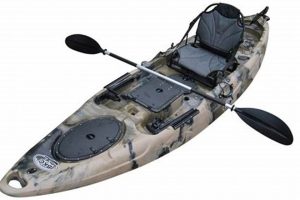
Tampa Bay, a large natural harbor and estuary on Florida’s Gulf Coast, offers exceptional shallow-water angling opportunities ideal for kayak enthusiasts. The diverse ecosystem supports a thriving fish population, including snook, redfish, trout, tarpon, and more. This combination of abundant fish species and accessible, navigable waters makes the area highly attractive to anglers seeking an engaging and rewarding fishing experience. Accessing these waters via kayak provides an intimate connection with the environment and allows anglers to reach shallow flats, mangrove tunnels, and other areas often inaccessible by larger boats.
Kayak fishing offers a unique blend of sport and recreation, promoting physical activity while providing a sustainable and environmentally conscious approach to angling. The quiet maneuverability of kayaks minimizes disturbance to the natural habitat, allowing anglers to approach fish stealthily. Historically, small, human-powered vessels have been used for fishing in the Tampa Bay area for centuries, highlighting the long-standing relationship between the region’s inhabitants and its aquatic resources. Modern kayak fishing builds upon this tradition, offering anglers sophisticated equipment and techniques while retaining the core elements of a personal connection with the water and its inhabitants.
Exploring this topic further will cover key areas such as specific locations known for productive kayak fishing within Tampa Bay, recommended kayak types and gear, effective fishing techniques for the area, licensing and regulations, safety precautions, and the importance of conservation efforts to preserve the bay’s vibrant ecosystem for future generations.
Tips for Kayak Fishing in Tampa Bay
Successful kayak fishing in Tampa Bay requires preparation and an understanding of the local environment. These tips offer guidance for a productive and enjoyable experience.
Tip 1: Research Locations and Tides: Consulting tide charts is crucial. Fishing is often best during moving tides. Explore online resources and local fishing reports to identify productive areas known for specific target species.
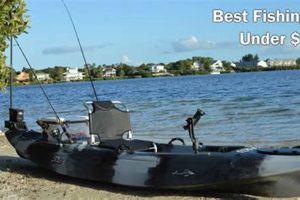
Tip 2: Choose the Right Kayak and Gear: Select a kayak designed for stability and fishing, equipped with features like rod holders and storage compartments. Essential gear includes appropriate rods, reels, lines, lures, and tackle suited to the target species.
Tip 3: Prioritize Safety: Always wear a personal flotation device (PFD). Carry a whistle, signaling device, and communication equipment. Inform someone of your fishing plans, including location and estimated return time.
Tip 4: Understand Local Regulations: Obtain the necessary fishing licenses and familiarize oneself with size and catch limits for different species. Adhere to all regulations regarding protected areas and permitted fishing methods.
Tip 5: Practice Stealth and Observation: Kayaks offer a quiet approach. Minimize noise and movement to avoid spooking fish. Observe the water for signs of fish activity, such as baitfish or bird activity.
Tip 6: Employ Effective Fishing Techniques: Techniques like drift fishing, trolling, and sight casting can be highly effective in Tampa Bay. Adapt techniques based on the target species, water depth, and tidal movement.
Tip 7: Respect the Environment: Practice catch-and-release whenever possible. Properly dispose of fishing line and other waste. Minimize disturbance to the natural habitat, including seagrass beds and mangrove areas.
By following these tips, anglers can maximize their chances of a successful and rewarding fishing experience while contributing to the long-term health and preservation of Tampa Bay’s valuable ecosystem.
These preparatory steps contribute significantly to an enjoyable and productive fishing trip. Further consideration should be given to post-trip activities such as cleaning equipment and proper fish handling.
1. Location

Optimal locations are fundamental to successful kayak fishing in Tampa Bay. The bay’s diverse environment offers a range of habitats, each attracting different species and requiring specific angling approaches. Understanding these locations and their characteristics is crucial for maximizing fishing success.
- Flats and Grass Beds:
Shallow flats and seagrass beds are prime locations for species like redfish, spotted seatrout, and snook. These areas offer foraging opportunities for these fish, making them ideal ambush points for anglers. Kayaks excel in these shallow environments, allowing access often restricted to larger vessels.
- Mangrove Tunnels and Shorelines:
The intricate network of mangrove tunnels and shorelines provides shelter and feeding grounds for a variety of species. Snook, redfish, and snapper often inhabit these areas. Kayaks allow quiet navigation through these complex environments, increasing opportunities for close-range encounters.
- Bridges and Piers:
Structures like bridges and piers attract baitfish and larger predatory species. These areas can hold snook, tarpon, and other game fish. Kayaks provide a stable platform for fishing around these structures, allowing anglers to present baits effectively in the current.
- Open Water Channels:
Deeper channels within Tampa Bay offer opportunities for pelagic species like kingfish, Spanish mackerel, and cobia. While requiring slightly different techniques, kayak fishing in open water can be rewarding, particularly during migrations or seasonal aggregations of these fish.
Strategic location selection, based on target species and prevailing conditions, significantly enhances the likelihood of a successful kayak fishing trip in Tampa Bay. Combining location knowledge with appropriate fishing techniques and equipment further optimizes angling success in this diverse and productive fishery.
2. Targeted Species

Targeting specific species is integral to successful kayak fishing in Tampa Bay. The bay’s diverse fish populations offer anglers a range of options, each requiring specific tackle, techniques, and location strategies. Understanding the habits and habitats of target species directly influences the effectiveness of a fishing trip. For example, pursuing tarpon requires heavy tackle and knowledge of their migratory patterns, while targeting redfish necessitates lighter equipment and focusing on shallow flats and mangrove areas.
Snook, redfish, and spotted seatrout represent the “inshore slam” and are highly sought-after species in Tampa Bay. Snook prefer structures like mangroves, bridges, and docks, while redfish often inhabit shallow grass flats and oyster bars. Spotted seatrout favor similar habitats to redfish but are also found in deeper channels. Matching tackle and techniques to these specific preferences increases the likelihood of success. Other popular targets include tarpon, known for their acrobatic fights, and Spanish mackerel, often found near the bay’s mouth and inlets. Choosing the appropriate kayak fishing gear, such as rods, reels, lines, and lures, significantly impacts success based on the specific species targeted.
Effectively targeting species requires research and preparation. Consulting local fishing reports, tide charts, and understanding seasonal patterns provide valuable insights into fish behavior and location. This knowledge, combined with appropriate tackle and techniques tailored to the target species, contributes significantly to a productive and enjoyable kayak fishing experience in Tampa Bay. Prioritizing ethical fishing practices, including adhering to size and catch limits, ensures the sustainability of these valuable fish populations for future generations.
3. Tidal Influence

Tidal influence is a critical factor in Tampa Bay kayak fishing success. Tides dictate water depth, current strength, and movement of baitfish, directly impacting fish behavior and feeding patterns. Understanding tidal cycles and their effects enables anglers to optimize fishing strategies and location selection. Incoming tides flood shallow flats and mangroves, creating feeding opportunities for species like redfish and snook. Outgoing tides concentrate fish in channels and deeper holes as water recedes. Slack tide, the period between high and low tides, often presents slower fishing activity. For example, fishing a shallow flat during an incoming tide allows anglers to target redfish as they move onto the flooded grass beds to forage.
Current strength, driven by tidal flow, also impacts lure presentation and fishing techniques. Stronger currents necessitate heavier tackle and faster retrieves to maintain lure control. Conversely, weaker currents allow for lighter presentations and slower retrieves, effective for species like spotted seatrout. Reading the water and observing signs of baitfish activity, often concentrated by tidal currents, provides valuable clues for locating predatory fish. Additionally, tidal flow influences water clarity. Incoming tides often bring clearer water from the Gulf of Mexico, while outgoing tides can carry sediment and reduce visibility.
Effectively incorporating tidal influence into fishing strategies requires consulting tide charts and understanding local current patterns. Combining this knowledge with location selection and species-specific behavior significantly enhances fishing success. Challenges can arise from rapidly changing tides and wind conditions, impacting kayak control and fishing presentation. However, anglers who adapt their strategies based on real-time tidal observations are often rewarded with improved catches. Understanding tidal influence is therefore fundamental to maximizing kayak fishing opportunities in the dynamic environment of Tampa Bay.
4. Equipment Selection

Appropriate equipment selection is paramount for maximizing success and enjoyment while kayak fishing in Tampa Bay. The chosen gear directly impacts an angler’s ability to effectively target specific species, navigate the diverse environment, and ensure personal safety and comfort. From the kayak itself to rods, reels, and tackle, informed choices contribute significantly to a productive and rewarding fishing experience.
- Kayak Choice:
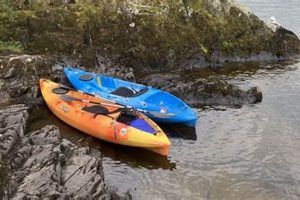
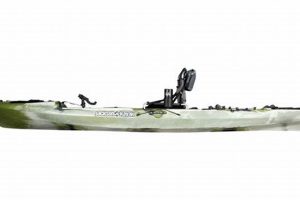
Kayak selection depends on individual needs and fishing styles. Sit-on-top kayaks offer stability and ease of re-entry, ideal for shallow-water fishing and warmer conditions. Sit-inside kayaks provide better protection from the elements and increased storage capacity, suited for longer trips or cooler temperatures. Features like rod holders, paddle clips, and anchor systems enhance fishing functionality. Choosing a kayak appropriate for the intended fishing environment and personal preferences is fundamental.
- Rods and Reels:
Rod and reel selection depends on targeted species and fishing techniques. Lighter spinning combos are suitable for inshore species like trout and redfish, while heavier baitcasting setups are necessary for larger game fish like tarpon or offshore species. Rod length and action influence casting distance and fish-fighting control. Matching rod and reel combinations to the specific fishing application ensures optimal performance and enjoyment.
- Fishing Line and Tackle:
Line choice considers target species and fishing environment. Braided line offers strength and sensitivity, advantageous for fishing around structure or in heavy cover. Monofilament provides stretch and abrasion resistance, suited for open-water fishing. Fluorocarbon leader material offers low visibility and increased abrasion resistance, ideal for leader applications. Hook size and style, along with lure selection, should match the target species and prevailing conditions.
- Safety and Accessory Gear:
Essential safety equipment includes a personal flotation device (PFD), whistle, and visual distress signals. A paddle leash prevents accidental loss of the paddle. A dry bag protects essential items like phones and wallets. A first-aid kit and sun protection are also crucial for personal well-being. Additional accessories like fish finders, GPS units, and anchor trolleys can enhance fishing efficiency and navigation, particularly in unfamiliar areas.
Strategic equipment choices, aligned with target species, fishing locations, and personal preferences, significantly influence the success and enjoyment of kayak fishing in Tampa Bay. Investing in quality gear and understanding its appropriate application contributes to a more productive and rewarding experience on the water. Further considerations, like proper equipment maintenance and storage, ensure longevity and optimal performance over time.
5. Safety Precautions
Safety precautions are paramount for ensuring a positive and productive kayak fishing experience in Tampa Bay. While the area offers exceptional fishing opportunities, the dynamic environment presents inherent risks that anglers must acknowledge and mitigate. Prioritizing safety enhances not only personal well-being but also contributes to a more enjoyable and ultimately successful fishing trip. Neglecting safety protocols can lead to preventable accidents, jeopardizing both the angler and the delicate ecosystem.
- Personal Flotation Devices (PFDs):
Wearing a properly fitted PFD is non-negotiable. PFDs provide essential buoyancy in the event of capsizing or accidental immersion, significantly increasing chances of survival. Different PFD types exist, and selecting one appropriate for kayak fishing, offering comfort and freedom of movement, is crucial. Inflatable PFDs are popular for their comfort but require regular inspection and maintenance to ensure proper function in an emergency. Neglecting to wear a PFD can have dire consequences, especially in unpredictable conditions.
- Weather Awareness and Monitoring:
Tampa Bay weather can change rapidly. Checking marine forecasts before embarking and continuously monitoring conditions throughout the trip is essential. Sudden storms, high winds, and lightning pose significant threats to kayakers. Having a plan for seeking shelter or returning to shore quickly in adverse weather is crucial. Ignoring weather warnings can lead to dangerous situations, compromising angler safety and potentially leading to search and rescue operations.
- Navigation and Communication:
Carrying a chart, compass, or GPS device, especially when fishing unfamiliar areas, is vital for safe navigation. Informing someone ashore of fishing plans, including intended locations and estimated return time, provides an additional layer of security. Carrying a waterproof communication device, such as a VHF radio or a charged mobile phone in a waterproof case, allows for emergency contact if needed. Losing bearings in the vast expanse of Tampa Bay can create disorientation and potentially dangerous situations, especially in challenging weather or tidal conditions.
- Awareness of Boat Traffic:
Tampa Bay experiences significant boat traffic, ranging from small recreational vessels to large commercial ships. Remaining vigilant and aware of surrounding boat traffic is crucial for avoiding collisions. Carrying a whistle and using appropriate navigation lights, especially during low-light conditions, enhances visibility and alerts other boaters to the kayak’s presence. Failing to observe boat traffic can lead to accidents, potentially resulting in serious injury or damage to the kayak.
Implementing these safety precautions significantly reduces risks associated with kayak fishing in Tampa Bay. Prioritizing safety allows anglers to fully enjoy the exceptional fishing opportunities the area offers while mitigating potential hazards. A safe approach to kayak fishing contributes not only to personal well-being but also to the overall sustainability of this popular recreational activity. Combining safety consciousness with responsible fishing practices ensures the continued enjoyment of Tampa Bay’s resources for generations to come.
6. Conservation Practices
Conservation practices are intrinsically linked to the long-term viability of “best kayak fishing in Tampa Bay.” The bay’s diverse and productive ecosystem, supporting a rich array of fish species, requires careful stewardship to ensure its health and resilience for future generations. Sustainable fishing practices directly impact the quality of the angling experience and the overall health of the bay. Maintaining healthy fish populations, preserving critical habitats, and minimizing environmental impact are essential components of responsible kayak fishing. For example, practicing catch-and-release, especially for breeding-sized fish, helps maintain robust populations and ensures future angling opportunities. Carelessly discarding fishing line can entangle marine life and damage sensitive habitats, directly impacting the health and productivity of the ecosystem.
The interconnectedness of the bay’s ecosystem necessitates a comprehensive approach to conservation. Protecting seagrass beds, crucial nurseries for many fish species, requires careful anchoring practices and avoidance of shallow-water motoring that can damage these delicate habitats. Minimizing pollution from fuel and oil spills, along with responsible waste disposal, protects water quality and maintains a healthy environment for fish and other marine life. Supporting local conservation initiatives and advocating for responsible fishing regulations further contribute to the long-term health of Tampa Bay’s fishery. Effective conservation requires ongoing education and active participation by anglers, promoting a sense of stewardship and responsibility for the bay’s valuable resources.
Sustainable practices, integrated into every aspect of kayak fishing, are not merely an option but a necessity for preserving the exceptional angling opportunities Tampa Bay provides. Challenges such as habitat loss, pollution, and overfishing require ongoing attention and proactive solutions. The future of “best kayak fishing in Tampa Bay” rests on the collective commitment to conservation. Integrating these practices into the angling experience ensures the bay’s continued productivity and supports a thriving ecosystem for generations to come. This requires a shift from a solely extractive mindset to one of active participation in the long-term health and sustainability of the fishery.
Frequently Asked Questions
This section addresses common inquiries regarding kayak fishing in Tampa Bay, providing concise and informative responses to facilitate a safe and productive angling experience.
Question 1: What are the essential safety precautions for kayak fishing in Tampa Bay?
Essential precautions include wearing a personal flotation device (PFD), checking weather forecasts, informing someone of fishing plans, carrying communication devices, and being aware of boat traffic. Adhering to these measures significantly mitigates risks associated with the dynamic marine environment.
Question 2: What are the primary target species for kayak anglers in Tampa Bay?
Popular target species include snook, redfish, spotted seatrout (the “inshore slam”), tarpon, Spanish mackerel, and various other species depending on location and season. Understanding the habits and habitats of target species is crucial for successful angling.
Question 3: How does tidal influence affect fishing in Tampa Bay?
Tides significantly impact fish behavior and feeding patterns. Incoming tides flood shallow areas, creating feeding opportunities, while outgoing tides concentrate fish in deeper channels. Understanding tidal cycles is crucial for optimizing fishing strategies.
Question 4: What type of kayak is recommended for fishing in Tampa Bay?
Sit-on-top kayaks are generally preferred for their stability and ease of use in shallow water, while sit-inside kayaks offer increased storage and protection from the elements. Choosing the right kayak depends on individual preferences and fishing style.
Question 5: What fishing gear is essential for kayak fishing in Tampa Bay?
Essential gear includes appropriate rods, reels, lines, hooks, lures, and tackle suited to the target species. Safety equipment such as a PFD, whistle, and communication device is also crucial. Specialized gear like fish finders and anchor trolleys can enhance the experience.
Question 6: What are the licensing requirements for fishing in Tampa Bay?
A valid Florida fishing license is required for residents and non-residents. Specific licenses and permits may be required depending on target species and fishing methods. Adhering to all regulations regarding size and catch limits ensures the sustainability of the fishery.
Addressing these common questions promotes a safer and more informed approach to kayak fishing in Tampa Bay. Prioritizing safety, understanding environmental factors, and employing appropriate gear and techniques contribute significantly to a successful and enjoyable angling experience.
Further exploration of specific fishing techniques, location recommendations, and conservation practices will enhance understanding and promote responsible engagement with this valuable resource.
Best Kayak Fishing in Tampa Bay
Tampa Bay offers exceptional kayak fishing opportunities due to its diverse ecosystem, abundant fish populations, and accessible waters. Successful angling requires careful consideration of location, targeted species, tidal influences, and appropriate equipment selection. Prioritizing safety precautions and adhering to conservation practices are essential for both angler well-being and the long-term health of the bay’s valuable resources. Understanding these interconnected elements contributes significantly to a productive and rewarding experience.
The future of this exceptional fishery rests on the collective commitment to responsible angling practices. Continued exploration of effective techniques, coupled with a dedication to conservation, will ensure that Tampa Bay remains a premier destination for kayak fishing enthusiasts for generations to come. Preserving this valuable resource requires ongoing adaptation to environmental changes and a sustained dedication to sustainable practices. The reward is a thriving ecosystem and the continued enjoyment of exceptional kayak fishing opportunities in Tampa Bay.