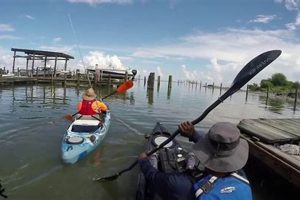
This type of watercraft, constructed from durable materials like polyethylene or composites, offers a stable and efficient platform for angling. Unlike inflatable or folding designs, its solid hull provides superior tracking and speed, allowing anglers to cover more water and access diverse fishing spots. This inherent stability also proves advantageous when casting, fighting fish, and standing to sight-cast.
The robust structure contributes to a higher weight capacity, accommodating anglers, gear, and potential catches comfortably. Durability is a key feature, enabling these vessels to withstand impacts with rocks, logs, and other obstacles commonly encountered in various aquatic environments. Historically, fishing from small, human-powered watercraft has been a practice spanning millennia. The modern iteration, however, represents a significant advancement, incorporating specialized features like rod holders, gear tracks, and livewells designed explicitly for angling pursuits. These advancements have elevated the experience, optimizing efficiency and enhancing the overall enjoyment for the fishing enthusiast.
From exploring specific design features and material choices to understanding the diverse range of available models and accessories, subsequent sections will delve deeper into key aspects of selecting and utilizing this effective fishing platform.
Tips for Selecting and Using a Durable Fishing Kayak
Choosing and utilizing this specialized watercraft effectively requires careful consideration of various factors. These tips offer guidance for maximizing performance, safety, and overall fishing success.
Tip 1: Consider Hull Design: Hull shape significantly impacts stability and maneuverability. A wider, flatter hull offers greater initial stability, ideal for calm waters and stand-up fishing. A longer, narrower hull provides better tracking and speed, suited for covering larger distances and paddling in currents.
Tip 2: Evaluate Weight Capacity: Ensure the vessel’s weight capacity accommodates the combined weight of the angler, gear, and potential catches. Exceeding capacity compromises stability and performance.
Tip 3: Prioritize Comfort and Ergonomics: A comfortable seat and adjustable footrests are crucial for longer outings. Test the seating and adjustability features before purchase to ensure a proper fit.
Tip 4: Assess Storage Options: Adequate storage is essential for carrying fishing tackle, safety gear, and personal items. Consider the size, location, and accessibility of storage compartments.
Tip 5: Inspect Features for Angling: Look for features specifically designed for fishing, such as rod holders, gear tracks, and anchor trolleys. These features enhance convenience and efficiency on the water.
Tip 6: Choose Appropriate Paddle Length: Paddle length depends on factors like angler height, kayak width, and paddling style. A properly sized paddle improves efficiency and reduces fatigue.
Tip 7: Practice Essential Safety Precautions: Always wear a personal flotation device (PFD) and carry essential safety equipment, including a whistle, signaling device, and first-aid kit.
By carefully considering these factors, anglers can select a watercraft optimized for their individual needs and fishing style, leading to enhanced performance and enjoyment on the water.
From choosing the right model to prioritizing safety precautions, these considerations contribute significantly to a successful and rewarding fishing experience. The following section will conclude with a summary of key takeaways and underscore the lasting benefits of owning this specialized piece of equipment.
1. Durability

Durability stands as a cornerstone characteristic of a rigid fishing kayak, directly impacting its lifespan and suitability for diverse environments. Constructed from robust materials like high-density polyethylene (HDPE) or composites such as fiberglass and carbon fiber, these vessels are engineered to withstand the rigors of on-water use. The inherent strength of these materials enables them to resist impacts from rocks, submerged logs, and other potential hazards encountered in rivers, lakes, and coastal waters. This resilience translates to a longer lifespan and reduced risk of damage, ultimately contributing to a lower cost of ownership over time. For example, an HDPE kayak can endure scrapes against rocky shorelines, while a composite kayak might better handle collisions with submerged debris. This robust construction allows anglers to confidently explore challenging environments without constant concern for hull integrity.
The practical significance of durability becomes especially apparent when considering the demanding nature of fishing excursions. Transporting the kayak to and from launch sites, navigating shallow waters, and encountering unforeseen obstacles are common occurrences that can test the structural limits of a less durable craft. Furthermore, exposure to UV radiation, fluctuating temperatures, and saltwater environments can degrade inferior materials, leading to cracks, warping, and eventual failure. A durable construction mitigates these risks, providing a reliable platform for anglers season after season. This reliability allows for greater focus on the fishing experience itself, rather than concerns about potential damage.
Investing in a durable rigid fishing kayak ultimately provides long-term value and peace of mind. While initial costs may be higher compared to less robust alternatives, the extended lifespan, reduced maintenance requirements, and enhanced resilience in challenging conditions represent a significant advantage. This durability ensures not only a sound investment but also a reliable and dependable platform for countless fishing adventures.
2. Stability

Stability represents a critical performance attribute in rigid fishing kayaks, directly influencing angler safety, comfort, and fishing effectiveness. A stable platform provides a secure base for casting, reeling, and landing fish, while also enabling anglers to confidently navigate varied water conditions. This inherent stability reduces the risk of capsizing, especially in challenging environments like choppy waters or strong currents. Understanding the factors contributing to stability is essential for selecting a kayak suited to individual needs and fishing styles.
- Hull Design and Stability
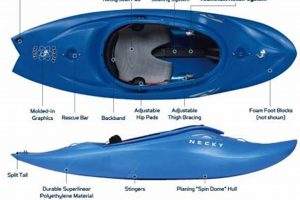
Hull design significantly impacts stability. Wider, flatter hulls generally offer greater initial stability, making them suitable for calm waters and stand-up fishing. However, this stability often comes at the expense of maneuverability and tracking. Conversely, narrower, V-shaped hulls provide enhanced tracking and speed but may feel less stable initially. The specific hull design must be considered in relation to intended fishing locations and angler preferences. For instance, a wide, flat-bottomed hull excels in calm lakes, providing a secure platform for sight casting, while a narrower hull performs better in rivers or coastal areas where tracking and efficiency are paramount.
- Center of Gravity and Balance
The center of gravity plays a crucial role in overall stability. A lower center of gravity enhances stability, while a higher center of gravity increases the risk of capsizing. Angler weight, gear distribution, and seating position all influence the center of gravity. Proper weight distribution and a low seating position contribute to improved balance and reduced risk of tipping. For example, distributing gear evenly within the kayak, rather than concentrating it in one area, lowers the center of gravity and enhances stability.
- Water Conditions and Stability
Prevailing water conditions significantly impact stability. Calm, flat water presents minimal challenges, while choppy water, strong currents, and wakes from passing boats can compromise stability. Understanding the intended fishing environment is crucial for selecting a kayak with appropriate stability characteristics. Anglers frequently fishing in rough conditions might prioritize a wider, more stable hull, even at the expense of some speed or maneuverability.
- Stability and Fishing Activities
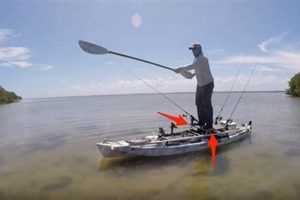
Specific fishing activities also influence stability requirements. Casting, fighting fish, and reaching for gear can shift the center of gravity and potentially compromise stability. A stable platform allows anglers to perform these actions with confidence and reduced risk of capsizing. Standing to sight-cast, for example, requires exceptional stability, often necessitating a specialized kayak designed for this purpose.
Selecting a rigid fishing kayak with appropriate stability characteristics is paramount for safety, comfort, and fishing effectiveness. Matching hull design, considering center of gravity principles, and evaluating anticipated water conditions ensures optimal performance. Understanding the interplay of these factors empowers anglers to choose a vessel that instills confidence and enhances the overall fishing experience, from calm lakes to challenging coastal waters.
3. Specialized Features

Specialized features distinguish rigid fishing kayaks from recreational models, optimizing them for angling pursuits. These purpose-built additions enhance efficiency, convenience, and overall fishing success. Consideration of these features is paramount when selecting a kayak tailored to specific angling needs and techniques. The integration of these specialized features directly impacts the angler’s ability to effectively and comfortably engage in their chosen fishing style.
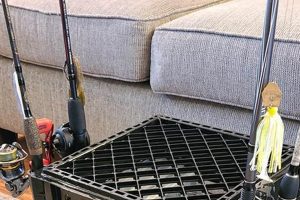
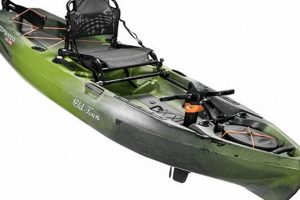
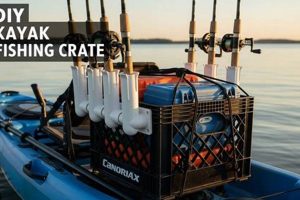
Rod holders, a ubiquitous feature, secure fishing rods, freeing hands for paddling, baiting hooks, or landing fish. Flush-mounted rod holders offer a streamlined profile, minimizing snag potential, while adjustable rod holders allow for customized positioning. Gear tracks, another common feature, provide versatile mounting points for accessories like fish finders, GPS units, and camera mounts. This modularity enables anglers to personalize their setup according to individual preferences and target species. For example, a bass angler might prioritize readily accessible rod holders and a fish finder mount, while a fly fisherman might value a stripping basket attachment and strategically placed gear tie-off points. Integrated storage compartments, including dry hatches and tank wells, safeguard essential gear and personal items from water damage. Livewells, designed to maintain the health of caught fish, are crucial for tournament anglers or those practicing catch-and-release. These specialized storage solutions contribute significantly to organization and efficiency on the water.
The practical significance of these specialized features becomes readily apparent during actual fishing scenarios. The ability to quickly stow and retrieve rods, adjust accessory positions, and access essential gear contributes to a seamless and productive fishing experience. Furthermore, features like anchor trolleys and rudder systems enhance boat control in challenging conditions, allowing anglers to maintain position and focus on fishing. The careful selection and effective utilization of these features ultimately contribute to increased fishing success and enjoyment. Understanding the purpose and application of each feature empowers anglers to tailor their kayak setup to specific needs and target species, maximizing their time on the water.
4. Storage Capacity
Storage capacity plays a vital role in the functionality and overall utility of a rigid fishing kayak. Adequate storage enables anglers to carry essential gear, including tackle boxes, safety equipment, personal items, and even captured fish. The capacity and configuration of storage compartments directly influence organization, accessibility, and overall fishing efficiency. Insufficient storage can lead to a cluttered cockpit, hindering movement and potentially compromising safety. Conversely, well-designed storage facilitates efficient retrieval of essential items, maximizing fishing time and minimizing disruption.
Different fishing styles necessitate varying storage requirements. A bass angler might prioritize readily accessible tackle storage for lures and soft plastics, while a fly fisherman may require specialized compartments for fly boxes and lines. Kayak anglers targeting larger species may need ample space for larger tackle items or specialized equipment for handling larger catches. The type and duration of fishing trips also influence storage needs. Day trips require less storage than multi-day expeditions, where provisions, camping gear, and additional clothing become essential. For instance, a kayak angler embarking on a multi-day trip in remote waters must carefully consider storage capacity for food, water, safety equipment, and emergency supplies. Understanding these varying needs allows for informed selection based on individual fishing styles and anticipated trip durations.
Practical considerations extend beyond mere volume. Accessibility, security, and water resistance are equally crucial. Easy-to-reach compartments minimize disruption during fishing, while secure hatches and waterproof seals protect gear from water damage and loss. Strategic placement of storage compartments, such as rear storage wells for larger items and readily accessible hatches for frequently used items, contributes to efficient organization and retrieval. Proper weight distribution within storage compartments also plays a role in maintaining kayak balance and stability. Careful consideration of these practical aspects ensures that storage capacity effectively supports the overall fishing experience, from short day trips to extended expeditions.
5. Maneuverability

Maneuverability represents a critical performance characteristic in rigid fishing kayaks, dictating their agility and responsiveness in diverse aquatic environments. Effective maneuvering enables anglers to navigate complex waterways, access secluded fishing spots, and efficiently position themselves for optimal casting. Understanding the factors influencing maneuverability is essential for selecting a kayak suited to specific fishing locations and techniques.
- Hull Design and Maneuverability
Hull design significantly impacts maneuverability. Shorter kayaks with wider, flatter hulls generally offer greater maneuverability in tight spaces, facilitating quick turns and precise adjustments. Conversely, longer, narrower hulls excel in tracking and maintaining speed in open water but may exhibit reduced turning responsiveness. Specific hull designs cater to different fishing environments; for example, a shorter, more maneuverable kayak excels in navigating narrow creeks and rivers, while a longer kayak is better suited for traversing larger lakes or coastal areas. The selection of hull design should align with the intended fishing location and require maneuverability level.
- Water Conditions and Maneuverability
Prevailing water conditions significantly influence maneuverability. Calm, flat water presents minimal challenges, whereas strong currents, wind, and waves can impede maneuverability and require greater effort to maintain desired positioning. Kayaks designed for enhanced stability in rough conditions may sacrifice some maneuverability. Understanding anticipated water conditions is crucial for choosing a kayak with appropriate maneuverability characteristics. For example, anglers frequently fishing in windy or choppy conditions may prioritize stability over extreme maneuverability, while those fishing in sheltered coves or slow-moving rivers might prioritize agility.
- Rudder and Skeg Systems
Rudder and skeg systems enhance directional control and maneuverability, particularly in challenging conditions. Rudders, controlled by foot pedals, actively steer the kayak, facilitating precise turns and course corrections. Skegs, fixed or retractable fins, improve tracking and minimize yaw (side-to-side movement), enhancing stability and efficiency in windy or current-prone environments. While rudders offer greater control, they add complexity and potential maintenance requirements. Skegs provide a simpler solution for improved tracking but lack the active steering capability of a rudder. The choice between a rudder and a skeg depends on individual paddling style and anticipated water conditions.
- Paddling Technique and Maneuverability
Effective paddling techniques significantly contribute to kayak maneuverability. Proper stroke mechanics, including forward, reverse, and sweep strokes, enable precise control and efficient turning. Experience and practice enhance paddling proficiency, maximizing maneuverability potential regardless of kayak design or water conditions. For instance, mastering sweep strokes allows for sharp turns without sacrificing forward momentum, while efficient reverse strokes facilitate quick stops and adjustments in tight spaces. Consistent practice and refinement of paddling techniques are essential for realizing the full maneuverability potential of any rigid fishing kayak.
Selecting a rigid fishing kayak with appropriate maneuverability characteristics is crucial for optimizing fishing success and overall on-water experience. Balancing hull design, considering anticipated water conditions, and incorporating features like rudders or skegs contribute to enhanced control and responsiveness. Combined with proficient paddling techniques, these factors empower anglers to navigate diverse environments, access prime fishing locations, and confidently position themselves for successful angling endeavors.
Frequently Asked Questions
This section addresses common inquiries regarding rigid fishing kayaks, providing concise and informative responses to facilitate informed decision-making and enhance understanding of these specialized vessels.
Question 1: What are the primary advantages of a rigid fishing kayak compared to inflatable or folding kayaks?
Rigid kayaks offer superior tracking, speed, and stability, crucial for efficient paddling and confident fishing in various conditions. Their robust construction withstands impacts and abrasions more effectively than inflatable or folding counterparts.
Question 2: How does one determine the appropriate size and weight capacity for individual needs?
Consider angler weight, anticipated gear load, and potential catch weight. Exceeding the manufacturer’s specified weight capacity compromises stability and performance. Longer kayaks generally offer higher weight capacities and improved tracking but may sacrifice maneuverability in tight spaces.
Question 3: What maintenance is required for a rigid fishing kayak?
Regular cleaning with mild soap and water removes dirt, grime, and saltwater residue. Periodic inspection for damage, including cracks or deep scratches, is recommended. Storage in a sheltered location, away from direct sunlight and extreme temperatures, prolongs lifespan. Consult manufacturer guidelines for specific maintenance recommendations.
Question 4: What safety precautions should one take when using a rigid fishing kayak?
Always wear a personal flotation device (PFD). Carry essential safety equipment, including a whistle, signaling device, and first-aid kit. Inform someone of planned fishing locations and estimated return time. Check weather conditions before embarking and avoid paddling in hazardous conditions. Familiarize oneself with basic paddling techniques and self-rescue procedures.
Question 5: What are the key features to consider when choosing a rigid fishing kayak?
Consider hull design (stability vs. speed), weight capacity, storage options, seating comfort, and specialized fishing features like rod holders, gear tracks, and anchor trolleys. Prioritize features aligning with individual fishing styles and target species.
Question 6: How does one transport a rigid fishing kayak?
Roof racks designed specifically for kayaks offer secure transport. Loading and unloading often require assistance due to kayak weight and size. Alternatively, some anglers utilize trailers for transporting multiple kayaks or larger models. Adhering to manufacturer guidelines and utilizing appropriate tie-down straps ensures safe and secure transport.
Addressing these common questions provides a foundational understanding of rigid fishing kayaks, empowering informed decisions regarding selection, usage, and maintenance. This knowledge contributes to enhanced safety, increased fishing effectiveness, and overall enjoyment on the water.
The following section offers concluding remarks and summarizes key takeaways for prospective kayak anglers.
Conclusion
Exploration of the rigid fishing kayak reveals a specialized vessel designed for enhanced angling experiences. Durability, stability, specialized features, storage capacity, and maneuverability represent key attributes contributing to on-water effectiveness and angler comfort. Careful consideration of these interconnected elements ensures informed selection aligned with individual fishing styles, target species, and anticipated water conditions. From navigating challenging currents to accessing secluded fishing spots, the rigid fishing kayak empowers anglers to pursue their passion with confidence and efficiency.
The selection of a rigid fishing kayak represents an investment in long-term enjoyment and successful angling pursuits. Prioritizing quality construction, thoughtful design, and appropriate features yields a dependable vessel capable of navigating diverse aquatic environments. Ultimately, the rigid fishing kayak stands as a testament to the enduring pursuit of angling excellence, providing a platform for enhanced experiences and lasting memories on the water.